
When Is the Best Time to Visit Fiji?
By
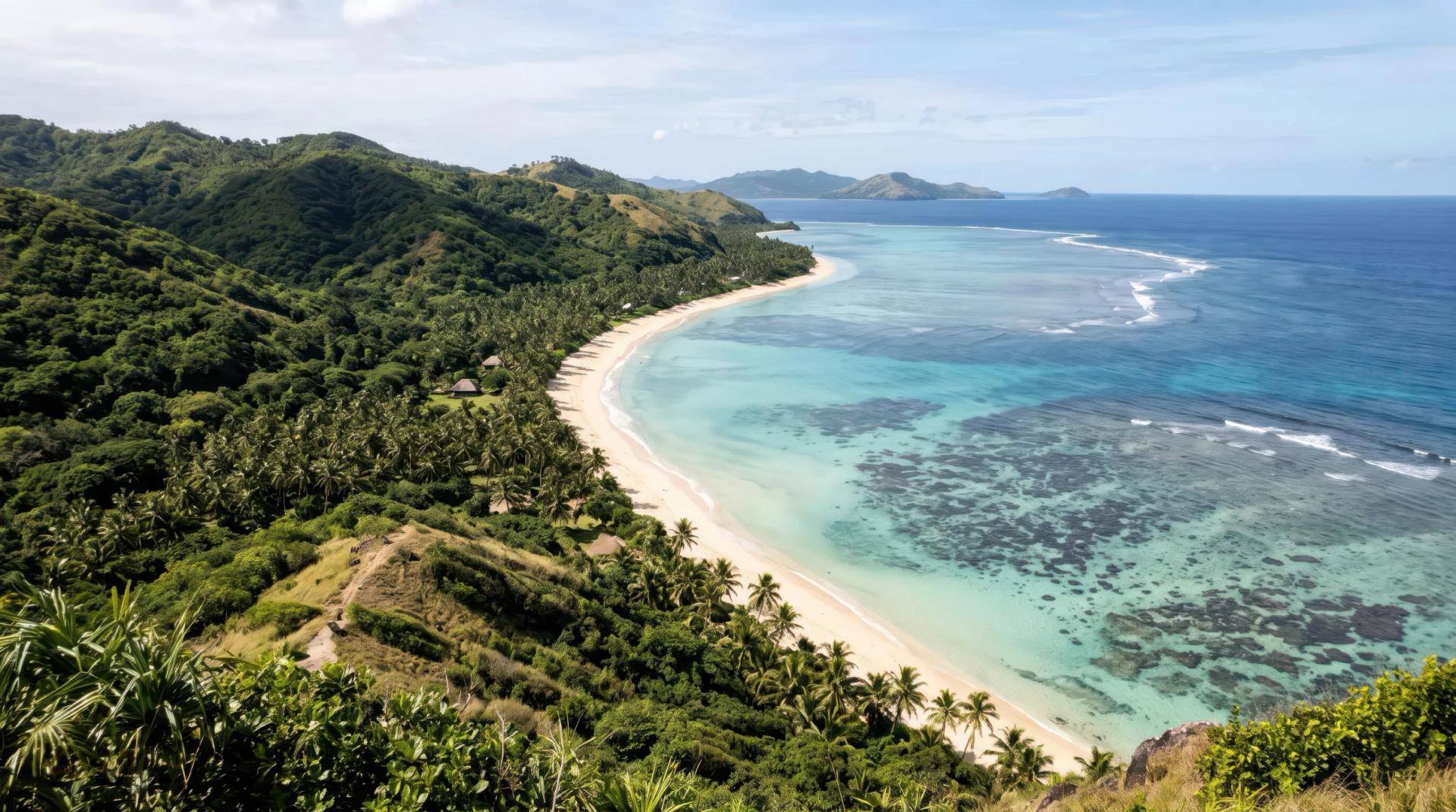
Fiji sits comfortably in the tropics, which means it is warm all year. That makes the question of the best time to visit Fiji less about avoiding cold weather and more about trade-offs: how much rain you are willing to accept, whether you mind sharing a beach with other travellers, and how far your budget needs to stretch. Pick the wrong month for your priorities and you might spend a few days waiting out showers or paying peak prices for a room you could have had for less. Timing also affects practical details such as how you get around, whether that means boats, taxis or a car rental in Fiji, which is worth arranging early for the busier months.
This guide walks through Fiji's two seasons, explains what cyclone season actually means for visitors, and matches the calendar to common trip types, from diving holidays to family breaks.
Fiji's Two Seasons in Brief
Fiji has a dry season and a wet season rather than the four seasons most travellers are used to. The dry season runs from May to October, which is Fiji's winter. The wet season runs from November to April, which is summer.
Temperatures stay fairly steady across the year, generally in the mid to high 20s Celsius, with the wet season noticeably hotter and more humid. Gentle southeasterly trade winds help keep the dry months comfortable. Rainfall is where the seasons really diverge. The western side of Viti Levu and the Mamanuca and Yasawa island groups are noticeably sunnier and drier in the dry season, while the Suva side of the main island tends to be wetter whatever the month.
The Dry Season - May to October
For most visitors, this is the answer to "when should I go". Humidity drops, showers become short and infrequent, and the days are bright without being oppressive. Water clarity also tends to be better, because there is less rain runoff reaching the reefs, which helps divers and snorkellers. Manta rays are generally easiest to see between May and October around the Yasawa Islands and the Great Astrolabe Reef off Kadavu.
The catch is crowds and prices. June to August is the busiest stretch, driven partly by Southern Hemisphere school holidays, so resorts and flights fill up earlier and rates rise. If you plan to explore beyond your resort, it is worth lining up transport early too, since options for reaching villages, waterfalls and quieter beaches get tighter in the peak months.
The Shoulder Months - May and October
If you want dry-season weather without peak-season crowds, May and October are widely regarded as the sweet spot. May brings the first real drop in rainfall after the wet season, and October is the tail end of the dry period, when conditions are still pleasant and the school-holiday rush has eased. Accommodation is often noticeably cheaper than in July and August, and beaches and snorkelling spots feel less busy.
Late April and early November can also work for flexible travellers, though both sit at the edges of the wet season, so showers are more likely.
The Wet Season - November to April
The wet season is hotter, stickier and more unpredictable, but it is not a write-off. Rain often arrives in heavy bursts followed by sunshine rather than as an all-day drizzle. In return you get greener landscapes, fuller waterfalls and, in many cases, lower prices and fewer visitors. Families and budget travellers who can handle humidity often find the savings worth it.
It helps to build some slack into the itinerary. Boat transfers can be delayed or cancelled in rough weather, and outdoor plans sometimes need to shift. Rainy afternoons are a good opportunity for indoor stops, and visiting a museum in Fiji or browsing a covered market is a reliable fallback that also adds some cultural context to the trip.
Cyclone Season
Fiji's official tropical cyclone season runs from November to April, with activity usually peaking around January and February according to the Fiji Meteorological Service. That sounds alarming, but it does not mean constant storms. In any given year there may be few systems or none that affect tourist areas, and the country has well-established warning procedures.
A few sensible habits make a wet-season trip far less stressful:
Check the forecast before you travel. The Fiji Meteorological Service is the official source for forecasts and warnings.
Buy travel insurance that covers weather disruption. Read the policy so you know what is and is not included.
Choose flexible bookings where you can. Refundable or changeable rates give you options if a system develops.
Leave buffer days around flights. Allow a day at either end of island-hopping legs.
It is also worth knowing that cyclones have occasionally formed outside the official window, in May and October and, more rarely, in September and June. The dry season is lower risk, not risk-free.
Best Time to Visit Fiji by Type of Trip
Different trips suit different months, so it is worth matching the calendar to your plans.
Beach and relaxation. May to October offers the most reliable sunshine and the lowest humidity, with the west coast and the Mamanuca and Yasawa islands at their driest.
Diving and snorkelling. The dry season generally offers clearer water, and it is also the best window for manta ray encounters in the Yasawas and around Kadavu.
Surfing. Swell is generally more consistent from around April to November, though the best months vary by coast and by break, so check conditions for the specific spot you plan to surf.
Families. Many families prefer the cooler, less humid dry season, particularly with young children. If you travel during school holidays, book accommodation and flights well in advance.
Budget travel. The wet season, along with May and October, is usually the most affordable time, with lower room rates and more availability.
Festivals and culture. Several of Fiji's biggest celebrations fall in the second half of the year. The Bula Festival in Nadi takes place in July, the Hibiscus Festival in Suva in August, and the Sugar Festival in Lautoka in September. Fiji Day on 10 October and Diwali, which falls in October or November, round out the season. Dates shift from year to year, so confirm them with local organisers before you book.
A Quick Month-by-Month Snapshot
January to March: Hot, humid and wet, with the highest cyclone risk. Cheapest prices and quietest beaches.
April: Rain starts to ease, though it still falls within cyclone season. A good value month if you are flexible.
May: The start of the dry season. Lower humidity, pleasant temperatures and smaller crowds.
June to August: Peak season. Reliable weather, the busiest and most expensive period, and festival highlights.
September: Still dry, with fewer crowds than mid-year and the Sugar Festival in Lautoka.
October: A strong shoulder month with good weather, Fiji Day and often Diwali.
November and December: The wet season begins. Warmer, more humid weather and a gradual build in rainfall, with festive-season demand picking up in late December.
Conclusion
For reliably dry, sunny weather, the best time to visit Fiji is between May and October, with May and October offering the best balance of good conditions and manageable crowds. The wet season from November to April is hotter and less predictable, but it rewards flexible travellers with lower prices, greener scenery and quieter beaches. Decide what matters most, whether that is sunshine, savings, diving conditions or festivals, check the Fiji Meteorological Service for forecasts closer to departure, and book flights and accommodation early for the busiest months.
SEO Title
When Is the Best Time to Visit Fiji
Meta Description
Wondering about the best time to visit Fiji? See how weather, crowds, prices and cyclone season change by month, and match them to your kind of trip.
URL
/best-time-to-visit-fiji