
5 Reasons Live Music Makes Your Wedding Unforgettable
By
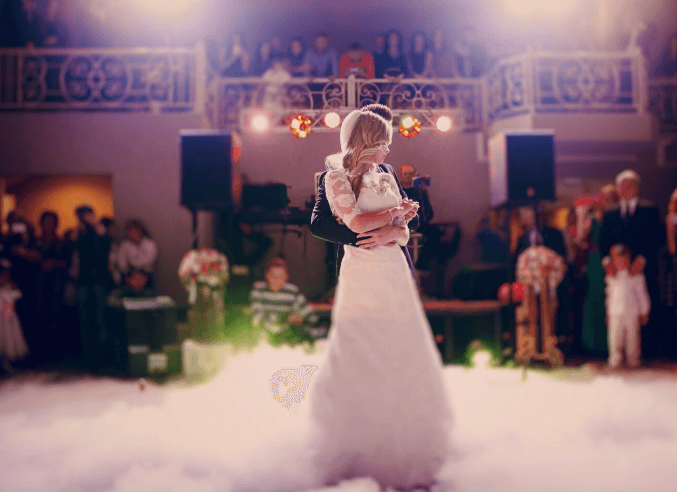
Your wedding can look beautiful in every photo and still feel a little flat in the room. Flowers set the scene, lighting changes the mood, and the venue creates the backdrop, but music is what gives the day movement.
That is why couples comparing wedding entertainment ideas often think beyond a playlist. Live musicians can respond to the room, reshape familiar songs, support quiet moments, and bring people together on the dance floor. The result is not simply better background sound. It is a celebration that feels more present, personal, and alive.
Here are five reasons a live music wedding can leave such a lasting impression.
1. Live Music Gives Emotional Moments More Weight
A wedding already comes with moments people expect to feel deeply: the processional, vows, first dance, parent dances, speeches, and final song. Live performance can make those moments feel less rehearsed because the sound is happening in the room with you.
A vocalist can soften a phrase as you walk down the aisle. A string player can linger on a note while guests settle. A band can gradually build the first dance instead of reproducing the exact studio version everyone has heard before.
There is also a reason music stays attached to important memories. Research on music and memory has found that emotional responses to music can affect how people recall an experience. At a wedding, that makes the songs tied to meaningful moments more than background entertainment.
2. The Music Can Match the Setting Instead of Competing With It
Great wedding entertainment should feel connected to the venue. An intimate ceremony beneath trees may call for acoustic strings or a vocalist, while a larger reception lawn can support a fuller, higher-energy band.
Couples considering Stonepine Weddings have several types of spaces to work with across the Carmel Valley estate, including the formal gardens and lawns around Chateau Noel and the more rustic settings at Double H Ranch. That variety makes it possible to think about music by moment rather than choosing one sound for the entire day.
The practical questions matter, too. Ask where musicians can set up, how power will be supplied, whether there are sound restrictions, how far equipment must travel, and what changes if weather moves an outdoor event. The better the entertainment plan fits the property, the more natural each transition feels.
3. Live Performers Can Read the Room in Real Time
A playlist follows an order. Skilled musicians can follow people.
If guests are still talking over dinner, the band can keep the energy restrained. If the dance floor fills sooner than expected, performers can build momentum. If an emotional toast changes the mood of the room, they can ease into the next song instead of forcing an abrupt shift.
That responsiveness is one of the clearest benefits of live music at weddings. The music can breathe with the timeline rather than making the timeline serve the music.
It also helps during transitions. Ceremony musicians can carry guests into cocktail hour, an acoustic set can soften dinner, and a full band can take over when it is time to dance. Those changes create an emotional arc without making the day feel divided into separate events.
4. Live Music Turns Guests Into Participants
There is a difference between hearing a song and sharing a musical moment with a room full of people.
A singer can take a request from a grandparent. A horn player can step toward the dance floor. A familiar chorus can turn into a full-room singalong. These interactions are small, but they make guests feel involved rather than entertained from a distance.
Live performance also gives couples room to personalize the experience. A band may be able to learn a meaningful song, change an arrangement, create a medley, or shift styles across the evening. Before booking, use a simple band booking checklist to compare live footage, song range, special requests, and what happens during performance breaks.
The goal is not to make every song a surprise. It is to give musicians enough flexibility to respond while still protecting the songs and moments that matter most to you.
5. A Live Band Creates Moments Guests Cannot Replay Exactly
A recorded song sounds the same every time. A live performance exists once.
That is part of its appeal. The singer may hold the last note of your first dance a little longer. Your friends may start singing before the band reaches the chorus. A family member might join in for one song. The final set may run differently because nobody wants to leave the dance floor.
Those moments do not need to be perfectly polished. Their spontaneity is what makes them feel personal.
For couples planning unique wedding reception ideas, this is where live music earns its place. It gives the night room for stories to happen instead of asking every minute to follow a fixed script.
How to Plan Live Wedding Music Without Losing the Flow
Live entertainment works best when the creative choices are supported by practical planning.
Match the Band Size to the Venue
A larger band needs more floor space, power, equipment access, and setup time. Before signing a contract, confirm the performance footprint with both the venue and the musicians. Make sure guest seating, catering service, and dance-floor circulation still work once the stage and sound equipment are in place.
Plan Music for Each Part of the Day
Think beyond the reception. You may want strings for the ceremony, a jazz trio for cocktails, softer vocals during dinner, and a full band later. You can also use fewer musicians earlier and add performers as the evening builds.
Build in Break Music
Most live bands take breaks. Decide in advance what guests will hear during them. Recorded music, a DJ, or a curated playlist can keep the room from suddenly losing energy.
Share Must-Play and Do-Not-Play Songs
Give your musicians priorities rather than a rigid list of every song. Identify the tracks that carry personal meaning, songs needed for formal moments, and anything you definitely do not want played. Then leave room for the performers to read the crowd.
Confirm Sound and Weather Logistics
Outdoor wedding music needs more planning than indoor sound. Wind, distance, power access, local sound limits, and rain plans all affect the setup. Ask who provides amplification, microphones, lighting, extension runs, backup equipment, and weather protection.
Frequently Asked Questions About Live Music at Weddings
Is a live band better than a DJ for a wedding?
Neither is automatically better. A live band offers visual energy, interaction, and unique arrangements, while a DJ usually provides a broader song library, continuous music, and a smaller setup. Choose based on your budget, venue, preferred music, guest mix, and how central you want the entertainment to feel.
How many musicians do you need for a wedding?
It depends on the atmosphere and space. A soloist or duo can work well for a ceremony or cocktail hour, while a four- to eight-piece band can create a fuller reception sound. Confirm stage space, power, volume limits, and guest count before deciding on the lineup.
What should I ask a wedding band before booking?
Ask who will actually perform, how long each set lasts, how breaks are handled, whether sound equipment is included, and whether they learn special songs. Also confirm arrival time, setup needs, insurance, cancellation terms, overtime rates, backup musicians, and experience with venues similar to yours.
Can a wedding band play songs from different generations?
Many professional wedding bands build repertoires across several decades and genres, but the range varies. Review the actual song list before booking and discuss the ages and tastes represented on your guest list. A versatile set can move from older favorites to current dance tracks without making the changes feel abrupt.
When should you book live wedding music?
Book as soon as your venue and date are confirmed, especially if music is a high priority or you want a specific act. Popular wedding bands may reserve desirable weekends well in advance. Early booking also gives you more time to coordinate song requests, production requirements, and the event timeline.
Make the Music Part of the Wedding, Not an Add-On
The strongest live music wedding plans do more than fill silence. They use music to support the ceremony, connect the different parts of the day, draw guests into the celebration, and give important moments their own character.
Choose performers who understand weddings, communicate well, and can work comfortably within your venue. Then give them clear priorities and enough room to react.
When the music fits the setting, the people, and the pace of the day, guests do not simply remember what they heard. They remember what the room felt like when everyone heard it together.