
What to Look for in a Charming Wedding Venue
By
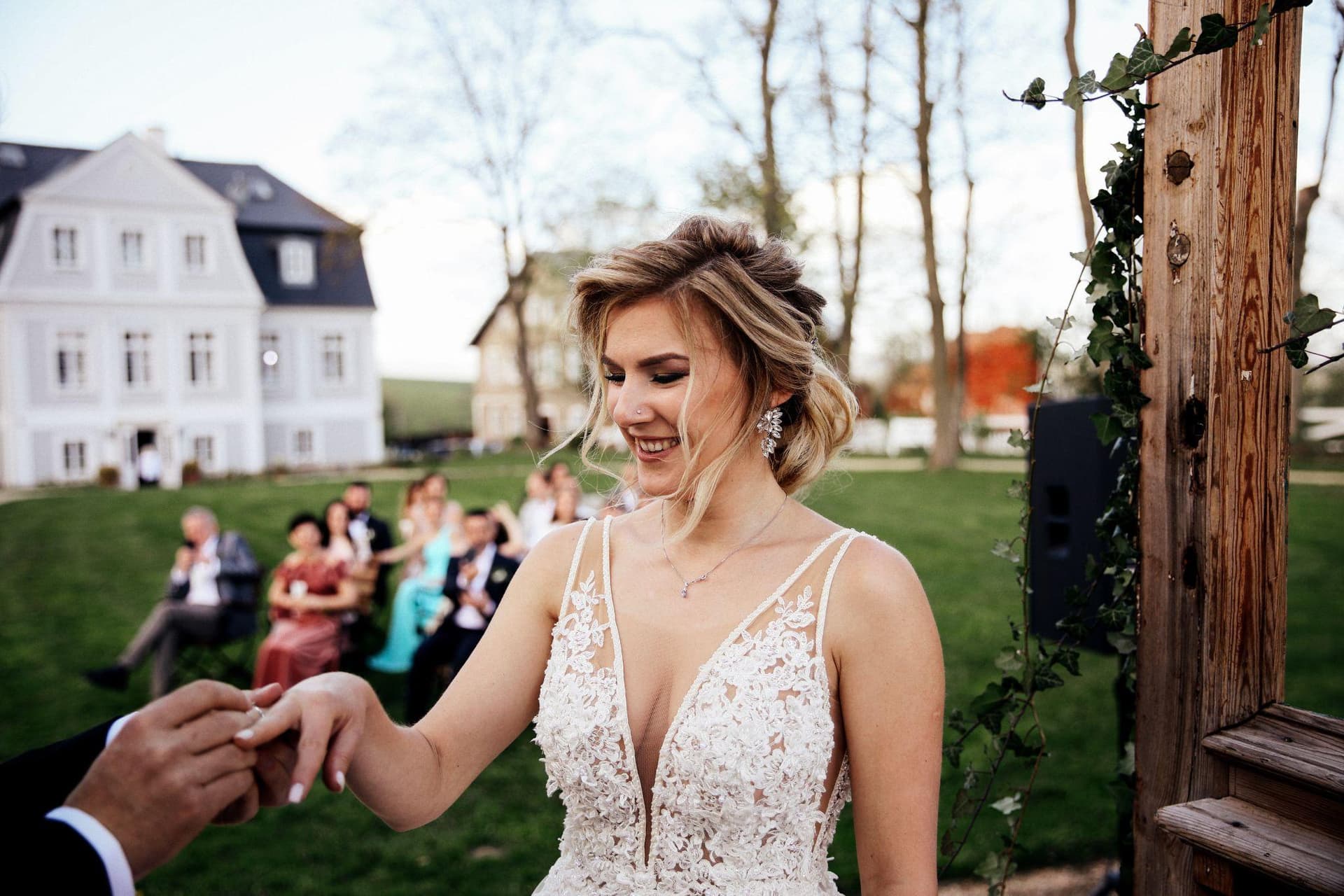
A charming wedding venue does more than provide a place for a ceremony and reception. It creates an atmosphere where guests feel welcome, meaningful moments unfold naturally, and the couple can celebrate their relationship in a setting that reflects their personalities. From historic inns and countryside estates to intimate gardens and elegant event spaces, every venue offers a different experience.
However, choosing the right location involves more than appearance. Couples need to consider guest comfort, accessibility, available facilities, budget, and the practical details that keep a wedding running smoothly. A beautiful space may look impressive in photographs, but it should also work well throughout the day.
1. A Distinctive Character and Welcoming Atmosphere
The charm of a wedding venue often comes from its character. Architectural details, natural surroundings, interior finishes, and the overall layout all contribute to the first impression guests receive.
Look Beyond First Impressions
Historic buildings, traditional inns, and converted properties often feature details that give them a sense of identity. Exposed beams, original brickwork, mature gardens, and period windows can create visual interest without requiring extensive decorations.
For example, couples exploring intimate settings such as Logan Inn Weddings may consider how the character of an inn could complement a relaxed celebration or a gathering centered on close family and friends.
The important consideration is whether the venue's atmosphere matches the experience the couple wants to create. A rustic setting may suit a relaxed celebration, while a refined interior might work better for a formal dinner.
Consider How the Space Feels
During a visit, notice whether the venue feels comfortable and inviting. Look at the entrance, gathering areas, seating arrangements, and transitions between rooms.
A charming venue should feel welcoming rather than overwhelming. Couples should imagine the space filled with their guests and consider whether people will have enough room to move, talk, and enjoy the celebration.
2. A Layout That Supports the Wedding Schedule
A venue may have beautiful interiors, but its layout needs to support the different stages of the wedding. The ceremony, cocktail hour, dinner, speeches, and dancing each require suitable space.
Check the Available Event Areas
Ask whether the venue has separate areas for different activities or whether the same room must be rearranged during the event. Separate spaces can make transitions easier, while a flexible room may be useful for smaller celebrations.
Consider where guests will gather before the ceremony, where meals will be served, and whether the dance floor will interfere with dining arrangements.
Think About Guest Movement
Guests should be able to find restrooms, seating, exits, and other essential facilities without confusion. Narrow corridors, crowded entrances, and awkward room connections can create unnecessary inconvenience.
A practical layout allows people to move naturally throughout the celebration. During a venue tour, walk through the expected guest journey rather than evaluating each room separately.
3. Comfortable Facilities for Every Guest
A wedding should be enjoyable for people of different ages and needs. Comfortable facilities help ensure that guests can participate without unnecessary difficulties.
Accessibility and Convenience
Check whether the venue has step-free access, suitable pathways, accessible restrooms, and convenient seating arrangements. These details are particularly important when inviting older relatives or guests with mobility requirements.
Parking availability and transportation options also deserve attention. If many guests are traveling from another city, nearby accommodation or reliable transport connections may make the event easier to attend.
Temperature, Seating, and Rest Areas
Indoor venues should have appropriate heating or cooling for the expected season and guest count. Outdoor celebrations may require shade, sheltered seating, or access to an indoor area.
It is also useful to identify quieter spaces where guests can take a break from music and activity. Small practical considerations can have a meaningful effect on the overall experience.
4. Lighting and Natural Surroundings
Lighting and scenery can influence the atmosphere of a wedding from the ceremony through the reception. They also affect how the venue appears in photographs.
Make the Most of Natural Light
Large windows, courtyards, gardens, and outdoor terraces can provide attractive settings for daytime ceremonies. Natural light can make rooms feel brighter and emphasize architectural details.
When visiting a venue, try to see it at a time similar to the planned ceremony. The amount of daylight available in the morning can differ considerably from the light during a late-afternoon event.
Evaluate Evening Lighting
For evening celebrations, consider whether the venue's existing lighting creates the right mood. Warm lighting can make dining areas feel intimate, while brighter lighting may be necessary for speeches or other activities.
Ask whether decorative lights, candles, or additional fixtures are permitted. Some venues have restrictions on open flames, hanging decorations, and electrical equipment, so understanding the rules early can prevent complications.
5. Flexibility for Personal Decorations and Traditions
A charming wedding should feel personal rather than interchangeable with every other event held at the same location. The venue should provide opportunities to include details that reflect the couple's story.
Understand Decoration Policies
Some venues offer a relatively blank canvas, while others have distinctive interiors that need little additional styling. Both options can work well, depending on the couple's preferences.
Before booking, ask about restrictions on floral installations, wall decorations, furniture changes, and outside vendors. Confirm how much time is available for setup and whether decorations must be removed immediately after the reception.
Make Room for Meaningful Details
Personal touches do not have to be elaborate. Family photographs, handwritten notes, cultural traditions, favorite flowers, or a carefully chosen playlist can help create a more memorable experience.
Couples should focus on details that have genuine meaning rather than decorating every available surface. This approach can also help control costs while allowing the venue's natural character to remain visible.
6. Reliable Coordination and Vendor Support
Behind every smooth wedding is a practical plan. Even a small celebration requires coordination between the venue, caterers, photographers, musicians, decorators, and other service providers.
Clarify What the Venue Provides
Ask whether tables, chairs, linens, audiovisual equipment, and basic lighting are included in the rental fee. Some venues provide an on-site coordinator, while others expect couples to arrange their own wedding planner.
Understanding these responsibilities makes it easier to organize the schedule and avoid last-minute misunderstandings.
Check Vendor Restrictions
Certain venues require couples to use approved caterers or suppliers. Others allow outside vendors but may charge additional fees or require insurance documentation.
Ask about delivery access, setup times, power availability, cleanup responsibilities, and the process for handling schedule changes. Clear arrangements help vendors work efficiently and allow the couple to focus on the celebration.
7. A Realistic Budget and Transparent Contract
A charming venue does not need to be the most expensive option. The best choice is one that fits the wedding budget while providing the features that matter most.
Understand the Full Cost
The initial rental price may not include staffing, catering, furniture, cleaning, security, overtime, or equipment rentals. Couples should request a detailed estimate that identifies included services and possible additional charges.
It is also worth asking whether prices vary by season, day of the week, or guest count. A weekday wedding or an off-season date may offer more flexibility for some couples.
Read the Booking Terms Carefully
Before paying a deposit, review the cancellation policy, payment deadlines, guest capacity, noise restrictions, and arrangements for unexpected circumstances.
Make sure all important promises are included in the written agreement. A clear contract reduces uncertainty and helps both parties understand their responsibilities.
8. A Suitable Plan for Unexpected Weather
Outdoor areas can add natural charm, but the weather is not always predictable. Couples planning an outdoor ceremony or reception should understand what alternatives are available.
Confirm the Backup Arrangements
Ask whether an indoor room or covered area can accommodate the full guest list if the weather changes. Confirm whether this alternative is included in the booking and whether the venue team will manage the transition.
Couples should also consider heat, wind, rain, and cooler evening temperatures when choosing decorations and seating.
Prepare Without Overcomplicating the Day
A straightforward contingency plan can prevent unnecessary stress. Depending on the location and season, this might involve umbrellas, fans, heaters, covered walkways, or an indoor ceremony option.
Having clear arrangements in place allows everyone to respond calmly if conditions change.
Conclusion
Finding a charming wedding venue means balancing atmosphere with practical considerations. Distinctive architecture, thoughtful layouts, comfortable facilities, flexible arrangements, and reliable coordination all contribute to a setting where people can enjoy the celebration.
Couples should consider how a venue will function throughout the day, not just how it looks during a tour. Comparing the complete costs, reviewing policies, and imagining the guest experience can make the decision more straightforward.
Ultimately, the right venue is one that reflects the couple's preferences, welcomes their guests, and supports the moments they want to remember. When character and convenience work together, even a simple celebration can feel genuinely special.
FAQs
1. What makes a wedding venue charming?
A charming wedding venue often has distinctive architectural features, inviting surroundings, comfortable spaces, and an atmosphere that feels personal. Historic details, gardens, thoughtful lighting, and flexible event areas can all contribute to its appeal, provided the venue also meets the couple's practical needs.
2. How far in advance should a wedding venue be booked?
Many couples begin searching 12 to 18 months before their preferred wedding date, particularly when planning a celebration during a popular season. Booking early can provide more choices, although smaller weddings and off-season celebrations may offer greater flexibility with dates.
3. What questions should couples ask during a venue tour?
Couples should ask about guest capacity, rental fees, included facilities, vendor restrictions, accessibility, setup times, cancellation terms, and weather backup plans. They should also clarify who will coordinate the event and whether additional charges apply for overtime, cleaning, or equipment.