
A Multi-State Road Trip Guide to the United States
By
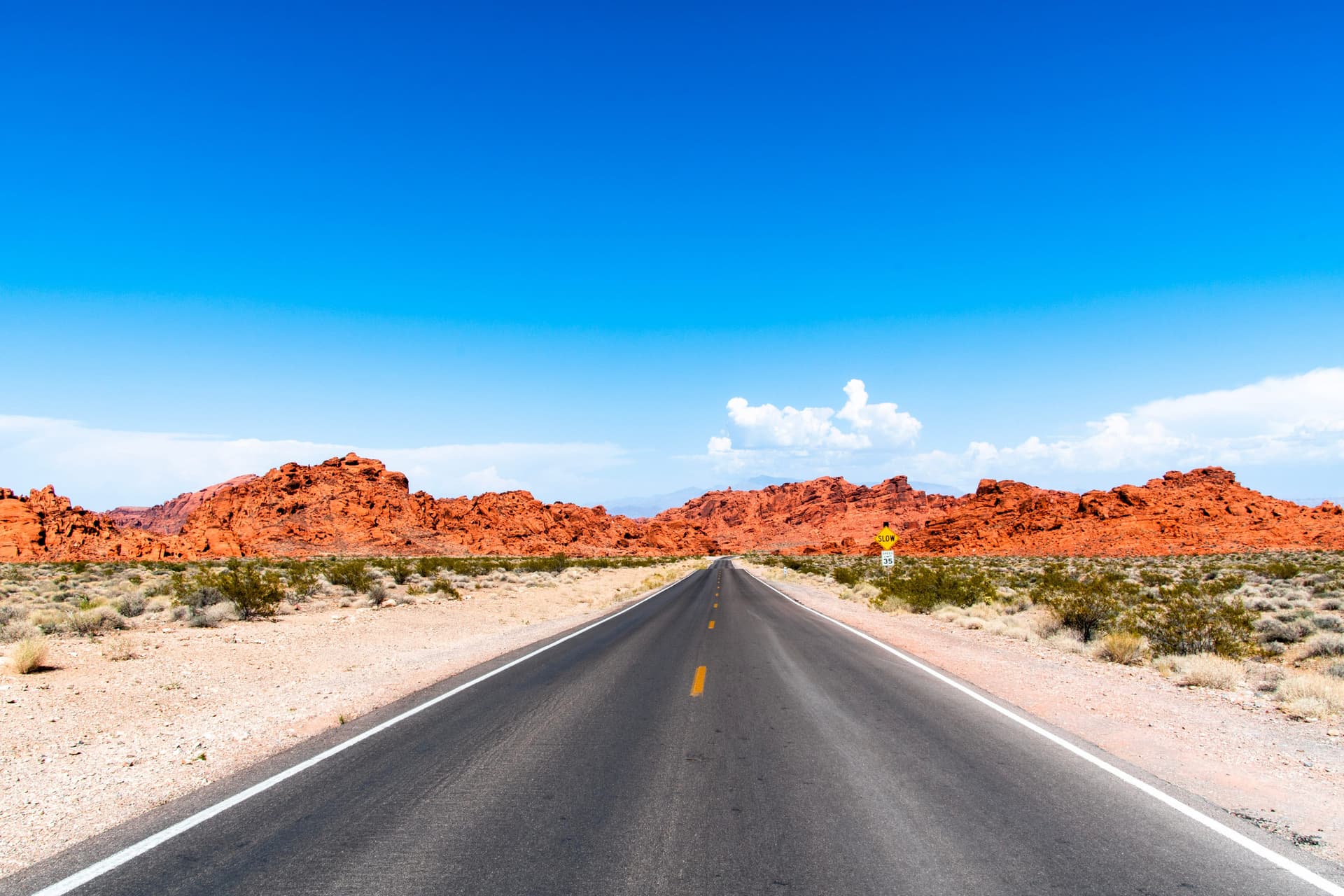
Before you start planning any U.S. road trip, it’s worth spending a few minutes on the states you’ll actually be passing through. Not just the national parks and the big cities — but the smaller details that give each state its character. Things like the state bird perched on a fence post along a Kansas highway, or the wildflower that lines the roadsides in the Rockies in late July. The official state symbols of all 50 states — birds, flowers, trees, mottos, flags, nicknames — are more than bureaucratic designations. They reflect something real about each place, and knowing a handful of them before you go changes how you pay attention when you’re there.
A road trip across the United States rewards that kind of attention. The country covers four time zones and every major climate type, and no two states feel quite the same. The challenge isn’t finding things to see — it’s slowing down enough to notice what makes each stop different from the last.
The South and the Gulf Coast
New Orleans is the natural entry point for anyone starting in the South. The city is dense with history and easy to get lost in — not just in the French Quarter along Bourbon and Royal Street, but in the neighborhoods that most visitors skip. Tremé, just north of the quarter, is one of the oldest African American neighborhoods in the country. The Bywater, further east along the river, has a quieter energy and gives a better sense of how the city actually functions day to day.
Mississippi and Alabama’s Gulf Coast doesn’t get the attention it deserves. Towns like Ocean Springs and Bay St. Louis rebuilt slowly after Katrina, and the result is a stretch of coastline that feels genuinely local rather than tourist-facing. Ocean Springs has a walkable downtown centered on Washington Avenue, with galleries and restaurants that draw people from across the region without catering exclusively to them.
Texas is a trip unto itself. The Hill Country west of Austin — around Fredericksburg, Kerrville, and Comfort — has a pace and a landscape that catches most first-time visitors off guard. The terrain is rolling and dry, the towns are small and old, and the drives between them are worth taking slowly.
The Mountain West: Colorado, Utah, and Wyoming
Crossing from the Great Plains into the Rockies is one of the more dramatic moments you can have behind a wheel. Driving west on I-70 through Kansas, the land is flat and open for hours, and then the mountains simply appear — distant at first, then suddenly close. Denver sits at that edge and makes a practical base, but the mountain towns further west are where the region earns its reputation.
Colorado divides into the well-known and the overlooked. Aspen and Telluride are both worth visiting, but Ouray, Salida, and Crested Butte offer the same mountain access with far fewer people. Ouray in particular — tucked into a box canyon at 7,800 feet — has hot springs, a Victorian main street, and hiking trails that start at the edge of town.
Utah’s national parks are individually extraordinary, but the highway between them is half the experience. Highway 12, connecting Bryce Canyon to Capitol Reef through the Grand Staircase, passes through canyon and plateau terrain that looks like nothing else in the country. If you’re traveling this corridor, it’s worth looking up the state symbols of Utah, Colorado, and Wyoming beforehand — Utah’s sego lily, Colorado’s lark bunting, Wyoming’s Indian paintbrush — small details that start appearing in the landscape once you know to look for them.
The Pacific Coast and the Northwest
Highway 1 along the California coast between San Luis Obispo and Carmel is one of those drives that has been photographed so many times it’s easy to assume it won’t live up to the pictures. It does. The road runs along cliffs above the Pacific, with pull-offs every few miles and light that changes enough through the day to make the same stretch look completely different at noon and at dusk. Big Sur is not a town — it’s a 90-mile stretch of coastline with redwood groves, state park campgrounds, and almost no commercial development.
Oregon and Washington continue the Pacific Coast north with a different character. The towns are smaller, the forests are denser, and the weather is less predictable. Cannon Beach sits on a stretch of Oregon coast backed by low hills, with Haystack Rock visible offshore and a town center compact enough to cover on foot in an afternoon. Further north, the Olympic Peninsula in Washington contains both temperate rainforest and exposed Pacific coastline within the same national park — a combination that takes most visitors by surprise.
The United States rewards the kind of travel that doesn’t move too fast. Pick a region, give yourself more time than you think you need, and pay attention to the transitions between states. That’s where the trip actually happens.