
A slow-travel guide to Pennsylvania's Wilds region
By
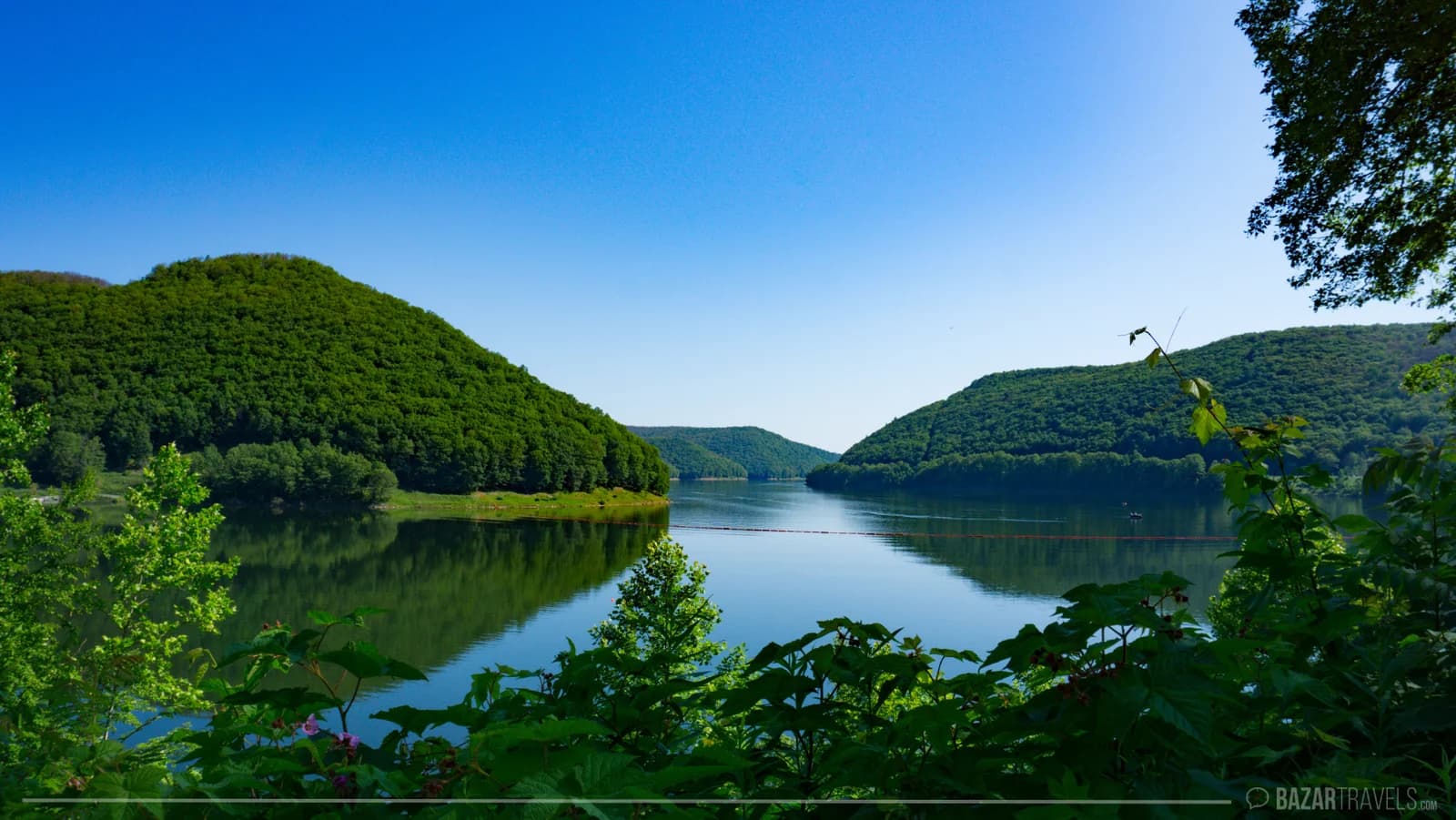
The northern reaches of Pennsylvania quietly hold one of the most rewarding stretches of forest in the eastern United States. Travelers who venture here find dark-sky nights, old-growth stands, and a pace that resets even the busiest itinerary. It is a region that repays taking your time rather than rushing through it.
Getting your bearings in the Wilds
The Pennsylvania Wilds spans roughly a quarter of the state, covering twelve counties and more than two million acres of public land. The Allegheny National Forest anchors the western edge, while Elk State Forest and the Pine Creek Gorge draw visitors farther east.
Most travelers arrive by car, since public transit is thin outside of towns like Warren and Wellsboro. The upside is a network of scenic byways, including Route 6, which threads through some of the region's most photogenic valleys.
Cell service is uneven once you leave the state highways. Downloading offline maps before you set out is a small step that removes a lot of friction later in the trip.
Where the forest shapes the itinerary
Autumn is the marquee season, drawing leaf peepers from Pittsburgh, Philadelphia, and beyond. Peak color typically arrives in early to mid October at higher elevations, with the display rolling downhill through the remainder of the month.
Spring brings wild trout streams that fly anglers plan around all year, especially the tributaries of Kettle Creek and the upper Allegheny. Summer opens up paddling on the reservoir, tubing on quieter waterways, and a growing collection of gravel cycling routes that link one small town to the next.
Winter is the sleeper season. Cross country skiing at places such as Crystal Lake and snowshoeing along ungroomed forest roads offer a different kind of quiet, and lodging rates tend to soften considerably from December through February.
For visitors who want to bundle activities with a comfortable base, several trip planning resources for the region collect maps, seasonal notes, and lodging options in one place. That kind of shortcut is useful when a weekend unexpectedly turns into a full week away from home.
Wildlife you might actually see
The Pennsylvania elk herd, reintroduced in the early twentieth century, now numbers around fourteen hundred animals across the northern tier. The Elk Country Visitor Center near Benezette is the recommended vantage point, especially during the fall bugling season when males can be heard well before they are seen.
Black bear, bobcat, and river otter share the same range, though sightings take patience and an early alarm clock. Birders should watch for bald eagles along the Allegheny Reservoir and for the occasional winter irruption of northern owls that reach these forests from Canada.
Guided wildlife walks run out of several county visitor centers during summer weekends. They are inexpensive, family friendly, and a fast way to learn what to look for on your own outings afterward.
Small towns worth a stop
Kane, Ridgway, and Wellsboro each offer a walkable main street, a coffee shop worth lingering in, and a general store stocked with the sort of local maps you actually want. Galeton and Coudersport add a quieter option for travelers who prefer fewer crowds and simpler evenings.
Dining leans local and unpretentious. Trout, pierogi, and family run diners are the norm, with a handful of newer breweries and cideries adding variety in the larger towns along Route 6.
Weekly farmers markets appear from June through September, and roadside honey and maple syrup stands operate on the honor system throughout the year. Bring small bills and a cooler if you plan to stock up.
Conclusion
Northern Pennsylvania is a region that pays back unhurried attention. Give it a long weekend and it will hand back big skies, working forests, and the sort of quiet that is genuinely difficult to find on the eastern seaboard. Pack layers, bring binoculars, and leave room in the schedule for detours down unmarked forest roads.