
Europe–Asia flights grow 12.2% as nonstop routes multiply
By
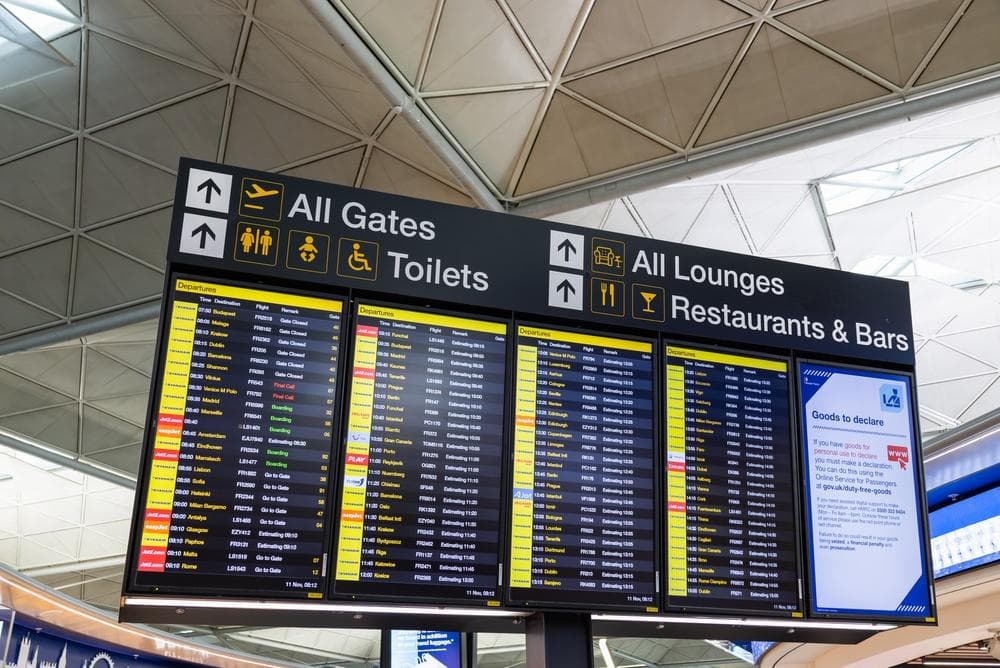
IATA data show Europe–Asia traffic up 12.2% in August 2026 even as global demand dipped; here is how to choose between direct and one-stop for year-end trips
Traffic on the Europe–Asia corridor grew 12.2% year on year in August 2026, according to the International Air Transport Association (IATA), even as the wider market shrank. Total passenger demand, measured in revenue passenger kilometers, fell 0.8% in the same month, and transatlantic traffic dropped 2.4%. For travelers in Southeast Asia weighing a year-end trip to Europe, the growth brings more nonstop choices than a year ago, and a different set of trade-offs when two fares look similar on screen.
The shift has been building all year. In March 2026, IATA reported that Europe–Asia traffic rose 29.3% as direct services replaced traffic that had previously connected through the Middle East. New nonstop links keep arriving. Lufthansa opened a Frankfurt–Kuala Lumpur service on 25 October 2026, flying five times a week with the Boeing 787-9 and adding Malaysia to a Southeast Asia network that already includes Bangkok, Singapore and Phuket. It is the only nonstop link to Malaysia from the Lufthansa Group's home markets. Airlines remain cautiously confident about the months ahead: IATA said forward schedules for October show 2.0% growth in available seats.
A nonstop flight usually saves hours, but a one-stop itinerary can still make sense when it costs meaningfully less, lands at a better time or adds a second city along the way. Travelers are better served by comparing four things rather than the headline fare alone. The first is total journey time from departure to arrival, including the connection. The second is the length of any layover, and whether it leaves a realistic margin to reach the next gate. The third is whether a connecting trip is issued on a single ticket, which usually means bags are checked through and gives more protection if the first flight runs late. The fourth is the local arrival time, which decides whether the first night starts at a hotel or in a queue for early check-in.
"Europe feels closer from Southeast Asia than it did a year ago, but the lowest fare is not always the best trip," said Wendy Anwar, Chief Marketing Officer of Airpaz. "We encourage travelers to look at the whole journey — the hours in the air, the time on the ground and how much flexibility they need — before they commit to their year-end dates."
Timing matters as much as routing. Planes are running full: IATA put the global passenger load factor at 85.1% in August. Year-end school holidays and the Christmas and New Year period in Europe can fill the most convenient nonstop departures early, so travelers with fixed dates who wait may find that a connection is the only option left at a reasonable price. Airpaz's flight search covers more than 600,000 routes across 450+ airlines, and travelers who want to lock in a fare before their plans are final can add reschedule or refund add-ons and travel insurance when booking, and pay in one of 61 currencies using more than 100 payment methods.
The simplest test before booking is to place the best nonstop fare next to the best one-stop fare and compare total travel time, layover length and whether the connection sits on a single ticket. With new nonstop routes still arriving and holiday seats filling, travelers who make that comparison early will have more good options to choose from.
About Airpaz — Airpaz is an online travel booking platform based in Asia Pacific, offering flights and hotels around the world. Alongside flights across 600,000+ routes and 450+ airlines and 1.2 million+ properties, it covers activities, ferries, buses, and trains — supported by 100+ payment methods, checkout in 61 currencies and 38 languages, flexible booking add-ons, embedded travel insurance, and 24/7 live-chat assistance. With 3 million+ app downloads, Airpaz helps travelers plan, book, and pay for entire trips in one place. Learn more at airpaz.com.