
Exploring New York in Winter: What Visitors Should Know About Snow-Covered Sidewalks
By
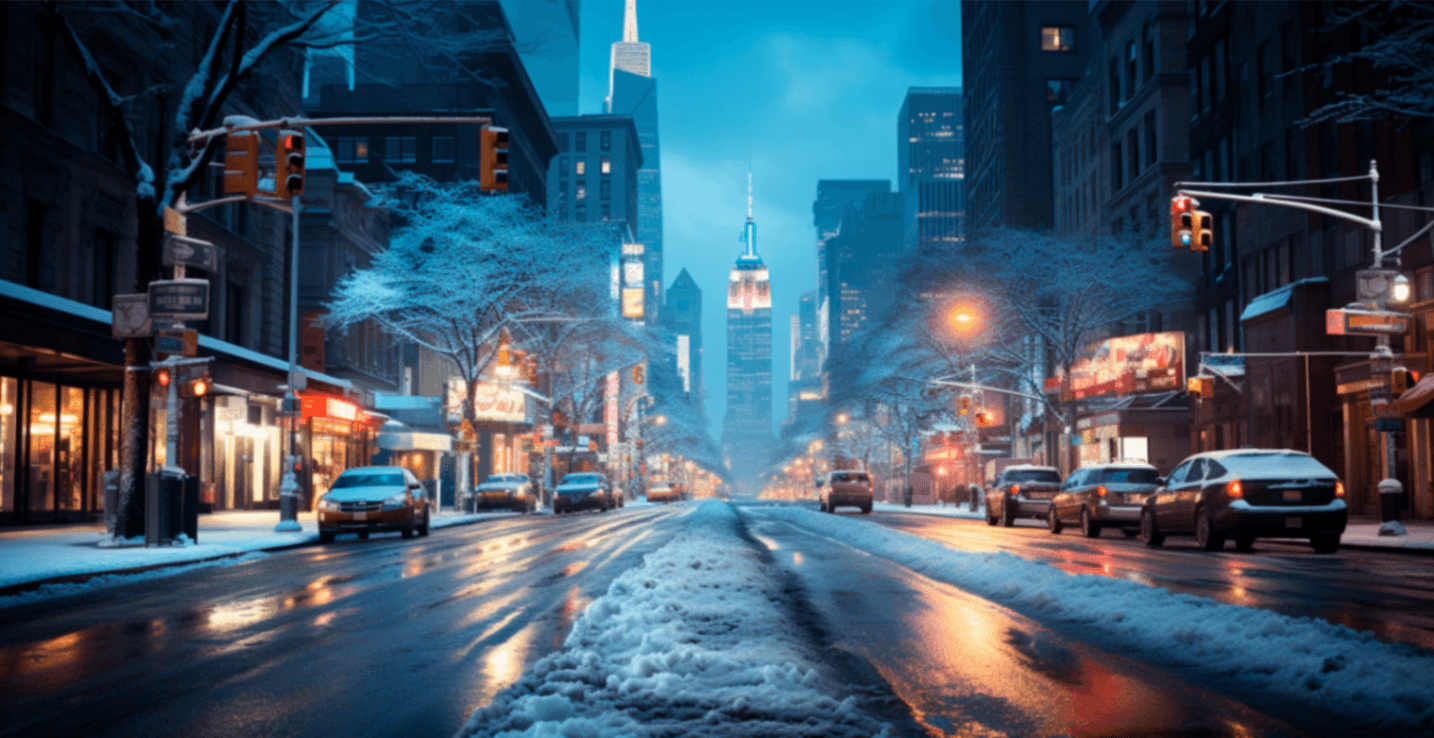
New York City has a different kind of charm in winter. Snow-covered streets, decorated storefronts, seasonal markets, and quieter mornings create an atmosphere that attracts visitors from around the world. From Manhattan's famous avenues to the neighborhoods of the Bronx, there is plenty to explore even when temperatures drop. However, winter weather can also make getting around the city more challenging, particularly for people who plan to discover it on foot.
After a heavy snowfall, sidewalks can quickly become slippery. Snow that has been partially cleared may turn into compacted ice, while melting and refreezing can create hazardous patches near building entrances and street corners. For travelers unfamiliar with local conditions, knowing how to navigate these situations can make a significant difference to their winter experience.
Why Winter Walking Requires Extra Attention in New York
Walking is one of the best ways to experience New York. Visitors can explore different neighborhoods, discover independent shops, stop at local restaurants, and see attractions that might otherwise be missed when traveling by car or public transportation.
During winter, however, familiar routes can become less predictable. A sidewalk that was clear the previous afternoon may be covered in snow the next morning. Areas with heavy pedestrian traffic can become particularly slippery as snow gets compressed underfoot.
The Bronx, with its busy commercial streets, residential neighborhoods, and popular destinations, is no exception. Visitors exploring areas around Fordham Road, the Grand Concourse, or local parks should pay attention to changing pavement conditions, especially following overnight snowfall.
The safest approach is to allow extra time when walking, avoid rushing between destinations, and remember that even short distances can become difficult when sidewalks are icy.
Understanding New York City's Snow Removal Rules
Travelers may notice that snow removal conditions vary considerably from one block to another. Some sidewalks are cleared shortly after a storm, while others remain covered in snow or ice for longer.
New York City places responsibility for clearing most sidewalks on the owners of the properties next to them. Under the city's rules, property owners must remove snow and ice within specific timeframes after snowfall ends. The required cleanup period depends on the time of day the snowfall stops.
Owners are generally expected to create a clear walking path at least four feet wide and remove snow and ice from the sidewalk. They may also need to apply salt or another appropriate material when frozen conditions remain.
These requirements are important for visitors because sidewalk maintenance is not handled exclusively by city services. Although the Department of Sanitation clears public streets and certain city-managed areas, individual property owners have separate responsibilities for the sidewalks beside their buildings.
Understanding this distinction can help travelers recognize why conditions may differ from one street to another.
Planning a Winter Walking Route Around the City
A little preparation can make sightseeing more comfortable when temperatures are low. Before leaving a hotel or accommodation, check the weather forecast and consider whether recent snowfall could affect your planned route.
When possible, choose streets with well-maintained sidewalks and avoid shortcuts through poorly lit or less frequently used areas. Main commercial streets may offer more pedestrian activity and easier access to public transportation, although busy areas can also become crowded during winter weather.
Visitors exploring the Bronx can combine walking with subway or bus journeys rather than relying entirely on long walks between attractions. This is particularly useful after a snowstorm, when even a familiar route may take longer than expected.
It is also worth checking whether parks, outdoor attractions, and seasonal events are operating as usual. Snow and ice can affect access to certain areas, so checking official visitor information before setting out can help prevent unnecessary detours.
Choosing the Right Footwear and Clothing for NYC Winters
Appropriate clothing is not just about staying warm. It also helps visitors remain comfortable and confident while walking around the city.
Shoes with good traction are especially important. Smooth soles can make icy pavement difficult to navigate, even for people who are accustomed to winter conditions. Waterproof footwear can also help when snow begins to melt and sidewalks become wet.
Layering is another practical strategy. Temperatures can feel very different outdoors, inside subway stations, and in heated shops or restaurants. A warm outer layer, gloves, a hat, and comfortable clothing make it easier to adjust throughout the day.
Travelers should also avoid carrying too many shopping bags or bulky items when walking on slippery surfaces. Keeping both hands relatively free can make it easier to maintain balance.
What to Do When Sidewalk Conditions Become Unsafe
Not every winter hazard is immediately visible. A thin layer of ice can blend into wet pavement, particularly in shaded areas or near building entrances. Travelers should slow down when approaching these spots and avoid sudden changes in direction.
If a particular sidewalk looks unsafe, taking another route is usually the simplest option. It may be tempting to continue because a destination is only a few minutes away, but a short detour is preferable to risking a fall.
Extra care is also necessary around curb ramps, crosswalks, steps, and public transportation entrances. Snow can accumulate in these areas, while melting water may freeze again as temperatures fall.
Visitors traveling with children or older relatives should allow additional time and choose routes that minimize steep inclines and difficult walking conditions.
If You Slip and Fall During Your Visit
Even careful travelers can experience accidents. A fall on an icy sidewalk may result in anything from a minor bruise to a more serious injury, including a sprain, fracture, back injury, or concussion.
Anyone who falls should first move to a safe location if possible and seek medical attention when needed. It is important not to dismiss an injury simply because the initial discomfort seems manageable. Some symptoms may become more noticeable later.
If the accident happened on a public sidewalk, taking photographs of the area can help preserve information about the conditions. Visitors may also want to note the exact location, the time of the incident, and the contact details of anyone who witnessed it.
For travelers who are unfamiliar with New York's legal system, understanding responsibility after a sidewalk accident can be complicated. Property owners may have legal obligations to maintain adjacent sidewalks, and the circumstances of an accident can influence whether a claim is possible. Anyone injured in the Bronx may wish to consult a Bronx slip and fall lawyer to better understand their options under New York law.
Getting Around the Bronx After a Snowstorm
The Bronx offers visitors plenty of reasons to explore beyond the city's best-known tourist areas. Its cultural attractions, restaurants, shopping districts, and green spaces provide a different perspective on New York life.
However, winter visitors should remember that conditions can vary between neighborhoods. A busy shopping street may be cleared relatively quickly, while a quieter residential block may remain slippery for longer. Travelers planning to visit multiple locations should check their routes rather than assuming that all sidewalks will be equally accessible.
Public transportation can be a useful alternative when walking conditions are poor. Subway and bus services make it possible to reach many parts of the borough without spending extended periods outdoors. Visitors should still allow extra travel time, as severe winter weather can affect transportation schedules.
Keeping a flexible itinerary is often the best strategy. If a snowstorm makes outdoor sightseeing less appealing, consider visiting indoor attractions, exploring local dining options, or adjusting activities until conditions improve.
Enjoying New York's Winter Season Safely
Winter can be an excellent time to experience New York City. Seasonal decorations, neighborhood restaurants, cultural attractions, and the atmosphere of the city after snowfall all offer reasons to visit. With sensible preparation, travelers can enjoy these experiences without letting the weather dictate their entire trip.
The key is to treat winter conditions as part of the travel plan. Checking forecasts, wearing suitable footwear, choosing walking routes carefully, and allowing extra time can help prevent avoidable problems.
New York remains a city best explored at street level, but visitors should not assume that every sidewalk is safe after a storm. A little awareness can make winter sightseeing more comfortable and help travelers focus on what brought them to the city in the first place.