
From Coral Reefs to Royal Tombs: A Day in Ancient Thebes
By
Hurghada wakes to the colors of the sea, while Luxor seems to wake beneath the weight of history. Between them lies a journey across Egypt’s Eastern Desert that can move a traveler from resort beaches and coral reefs into a landscape of royal tombs, colossal statues, temple courts, and the Nile Valley in a single day. The contrast is what makes the experience memorable: Luxor does not feel like an extension of a Red Sea holiday, but like opening an entirely different chapter of Egypt, one shaped by pharaohs, ceremonies, monumental architecture, and the ancient city once known as Thebes.

Why Luxor Changes the Rhythm of a Red Sea Holiday
Several days beside the Red Sea can create exactly the kind of slow rhythm many people want from a vacation: swimming in clear water, snorkeling above coral reefs, long breakfasts, resort pools, and afternoons with very little on the schedule. Luxor works so well as a contrast because almost every part of the experience changes at once. The landscape becomes greener near the Nile, the focus shifts from marine life to archaeology, and the day becomes a journey through places connected with some of the most important rulers and religious traditions of ancient Egypt.
When the beach is already the foundation of the vacation, adding a carefully paced Luxor Day Trip from Hurghada can introduce that historical dimension without requiring another hotel stay or a complete change to the wider itinerary. The appeal lies less in counting how many monuments can be visited and more in experiencing a destination that feels fundamentally different from Hurghada. By evening, the traveler can return to the Red Sea having spent the day among royal tombs and temple columns rather than simply repeating another resort experience.
That contrast is especially valuable for first-time visitors to Egypt. Hurghada reveals the country through coastline, desert mountains, marine life, and contemporary resort culture, while Luxor reveals a much older landscape centered on the Nile and the remains of ancient Thebes. Combining the two creates a broader impression of Egypt than either destination can provide on its own.
Understand Luxor as Two Different Worlds
The Nile does more than divide Luxor geographically. For ancient Thebes, the east and west banks developed different ceremonial and symbolic roles, and modern visitors still experience a noticeable contrast between them. The West Bank is associated with royal tombs, mortuary temples, rugged cliffs, and the Theban necropolis, while the East Bank contains enormous temple complexes connected with religious ritual and the living city.
Thinking about the day in these two halves makes the itinerary easier to understand. Instead of seeing Luxor as a collection of unrelated attractions, the journey begins to form a historical narrative: the West Bank introduces the world of royal burial and remembrance, while the East Bank demonstrates the scale and power of temple architecture associated with ancient Thebes.
A balanced day normally benefits from exploring the two banks as distinct experiences:
West Bank: royal tombs, mortuary architecture, desert cliffs, and funerary history.
East Bank: monumental temples, religious ceremonies, vast courtyards, and towering columns.
The Nile: the geographical and visual connection between both sides of ancient Thebes.
This simple structure keeps a long sightseeing day intellectually clear rather than allowing one temple or tomb to blur into the next.
Begin Where Pharaohs Prepared for Eternity
The Valley of the Kings Is More Than a Collection of Tombs
The Valley of the Kings feels very different from the monumental temples associated with Luxor. Rather than standing in an open urban setting, its tombs disappear into the dry valleys and limestone cliffs of the Theban necropolis. The location itself contributes to the experience, creating an atmosphere that feels deliberately separated from the fertile land along the Nile.
The real value of visiting the valley comes from comparing the tombs rather than treating them as interchangeable underground rooms. Decoration, preservation, scale, color, and architectural design can vary considerably, and each tomb reflects ideas about royal identity and the journey into the afterlife. Spending enough time to notice those differences is more rewarding than attempting to enter every accessible tomb simply because it is open.

A guide can also help keep the experience coherent by explaining recurring symbols and religious concepts before visitors enter the tombs. Without context, the walls may appear as extraordinary decoration; with context, they become part of a complex vision of death, regeneration, divine protection, and royal continuity.
Hatshepsut’s Temple Changes the Landscape Again
Leaving the royal tombs for the Temple of Hatshepsut creates an immediate visual change. The terraces of the temple rise against the limestone cliffs at Deir el-Bahari, producing one of the most recognizable architectural compositions in Luxor. Its setting is part of its impact: the building appears almost to grow out of the mountain behind it.
The temple also introduces another kind of royal story. Hatshepsut’s reign, representation, religious program, and architectural legacy provide a useful contrast with the tombs encountered earlier. Rather than focusing only on death and burial, the site opens a discussion about kingship, divine legitimacy, ceremonial architecture, and the ways rulers wanted to be remembered.
Do Not Treat the Colossi of Memnon as Just a Photo Stop
The Colossi of Memnon are often encountered more briefly than Luxor’s major temples, but their scale makes them worth understanding rather than merely photographing from the roadside. The two seated figures once stood at the entrance to the mortuary temple of Amenhotep III, providing a glimpse of the enormous architectural complex that originally occupied the surrounding area.
A short stop can therefore work well when it connects the statues to the broader West Bank story. After the enclosed tombs and terraced architecture of Deir el-Bahari, the colossi remind visitors that the landscape once contained vast royal monuments whose remains survive in very different states of preservation.
Use the Middle of the Day to Reset
A full-day excursion from Hurghada involves an early start, road travel, outdoor archaeological sites, and a significant amount of walking. The middle of the day should therefore create a genuine break rather than simply become another item squeezed between monuments. A comfortable lunch and some time out of the sun can dramatically improve the quality of the afternoon.
This pause also helps separate the two historical halves of the day. The West Bank has been dominated by tombs, mortuary temples, and the desert landscape of the necropolis; the East Bank will introduce a more monumental style of sacred architecture. Allowing a physical and mental reset before crossing into that second chapter makes the change more noticeable.
Useful habits for keeping the day comfortable include:
Carrying sun protection and sunglasses.
Wearing supportive walking shoes.
Choosing lightweight clothing suitable for outdoor sites.
Drinking water regularly.
Keeping the day bag small.
Using lunch as a proper rest period rather than rushing through it.
Comfort may seem like a minor planning detail, but it has a direct effect on how much history a visitor can meaningfully absorb during a long day.
Cross Into the Monumental World of Karnak
Few transitions in Luxor are more dramatic than moving from the rugged necropolis on the West Bank into the architectural scale of Karnak. The complex developed across centuries, and its courtyards, pylons, sanctuaries, obelisks, statues, and monumental columns reflect generations of royal building activity rather than a single moment in ancient Egyptian history.
The Great Hypostyle Hall is often the visual climax. Walking between its enormous columns creates a completely different sensation from entering a royal tomb; instead of descending into an intimate decorated space, the visitor moves through a forest of stone designed on an almost overwhelming scale. Looking upward is as important as looking forward, because capitals, carved surfaces, and surviving color reward slower observation.

Karnak also works particularly well as a later part of the day because it changes the visual vocabulary entirely. Tomb corridors become open courts, painted funerary scenes give way to colossal architectural forms, and the journey shifts from royal burial to temple ritual. That variation prevents the archaeological experience from becoming repetitive.
A Day in Luxor Works Best When the Sites Tell One Story
The strength of the excursion does not come from the number of individual attractions. It comes from the relationship between them. The Valley of the Kings introduces royal burial, Hatshepsut’s temple expands the story into royal commemoration and legitimacy, the Colossi of Memnon hint at the scale of a lost mortuary complex, and Karnak reveals the enormous religious institutions connected with ancient Thebes.
Seen in that sequence, Luxor becomes more than a destination filled with famous ruins. The city begins to make sense as a landscape in which rulers built for gods, prepared for eternity, commemorated their reigns, and connected monumental architecture with the Nile and surrounding desert.
A useful way to remember the day is through four ideas:
Tombs — how kings imagined eternity.
Mortuary temples — how rulers maintained memory and cult.
Monumental statues — how royal presence shaped the landscape.
Temple complexes — how religion and royal power met on an enormous architectural scale.
That narrative gives each stop a reason to be there.
Let One Day Add Depth to the Wider Journey
A beach stay can be relaxing without revealing very much about the ancient civilizations that draw many people to Egypt in the first place. On the other hand, an archaeology-heavy itinerary can become exhausting when every morning begins with another temple or tomb. The most satisfying route often comes from allowing very different experiences to balance one another.
That balance is what can turn an ordinary vacation into a more complete Egypt Trip. Red Sea days provide recovery, water activities, and open horizons, while a journey to Luxor adds historical depth and a completely different visual environment. Neither experience has to dominate; their value becomes stronger because they sit beside one another.
This is also why travelers should resist the instinct to schedule cultural excursions on every available day. One major trip followed by a free morning at the beach can create a better overall rhythm than several consecutive long excursions. The goal is not to prove how much of Egypt can be covered but to make each change of setting feel intentional.
What Makes the Hurghada–Luxor Journey Different From Cairo
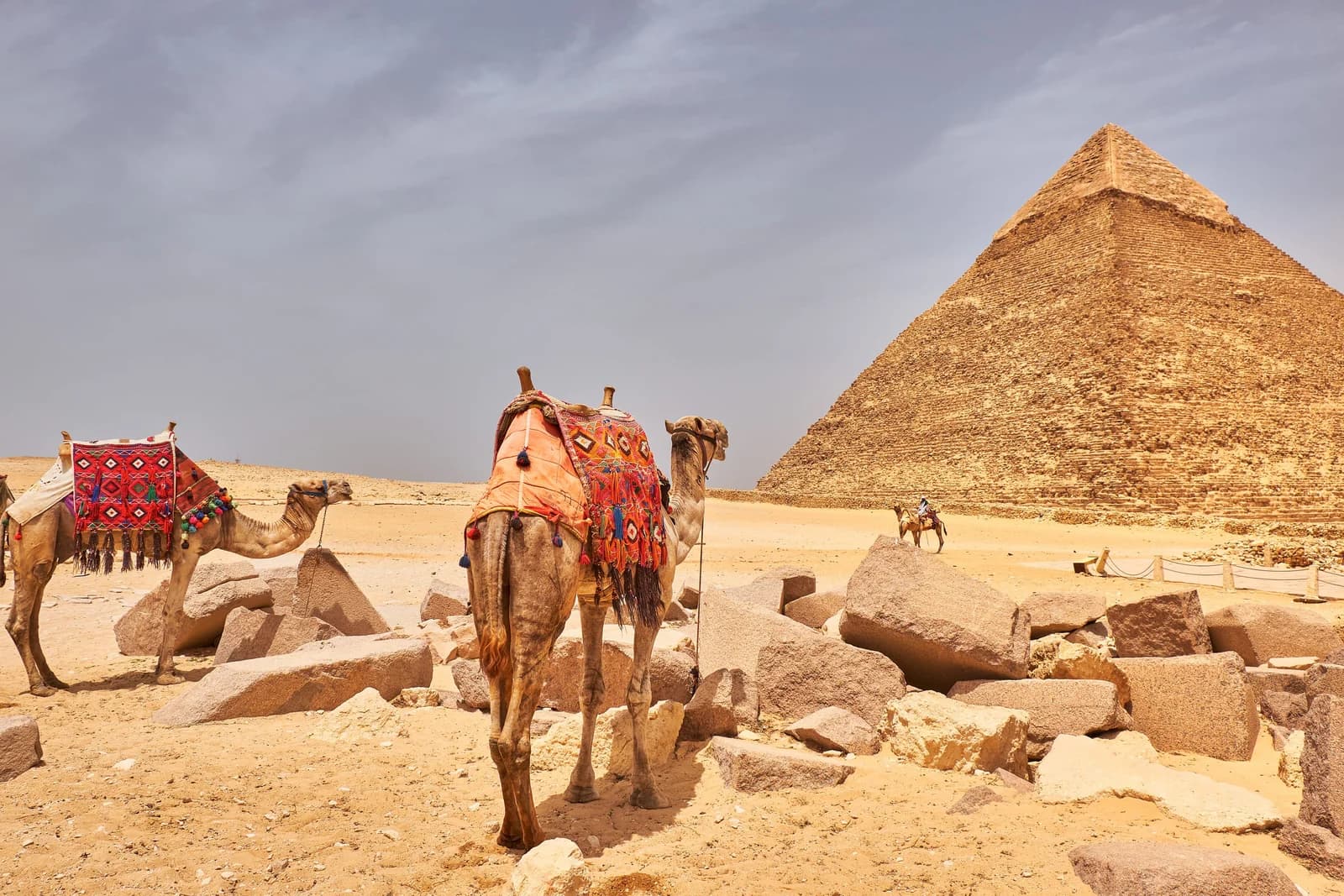
Cairo and Luxor both offer major ancient Egyptian sites, but the experiences are fundamentally different. Giza is dominated by Old Kingdom pyramid architecture on the edge of a vast modern metropolis, while Luxor is closely associated with New Kingdom temples, royal tombs, and the ancient landscape of Thebes.
The physical environments also feel different. Around Luxor, fertile fields, palms, Nile water, desert cliffs, villages, and archaeological sites sit remarkably close together. Moving between them allows visitors to see how the ancient city was shaped by geography in a way that is sometimes harder to perceive in Cairo.
This difference makes Luxor particularly valuable for travelers already based in Hurghada. The excursion does not simply add another famous Egyptian landmark; it introduces an entirely different historical era, landscape, and style of archaeology.
Pack for Heat, Stone and a Long Day
The excursion may begin and end at a Red Sea resort, but clothing and equipment should be chosen for archaeological sightseeing rather than the beach. Luxor requires substantial outdoor walking, uneven surfaces, exposed areas, and time moving between sites, so comfort and sun protection should take priority over carrying unnecessary belongings.
A practical day bag can contain:
Comfortable walking shoes
Hat or cap
Sunglasses
Sunscreen
Lightweight breathable clothing
Portable charger
Essential medication
Small amount of cash
Reusable water bottle where appropriate
Camera or phone with available storage
Light additional layer when needed
Keeping the bag compact also makes entering archaeological sites and moving through temple spaces considerably easier.
Leave Room to Look, Not Just Photograph
Luxor is extremely photogenic, which can create another kind of rushing: moving constantly in search of the next photograph. The West Bank cliffs, painted tomb walls, Hatshepsut’s terraces, colossal statues, and Karnak columns all invite cameras, but some of the strongest impressions come from simply remaining in one place for several minutes.
Notice how the light changes the stone at different times of day. Look at the scale of human figures beside Karnak’s columns, the sudden transition between green farmland and desert, or the silence that can exist inside a tomb even when the wider site is busy. These observations rarely appear on an itinerary, yet they are often what separates remembering a place from merely documenting it.

Return to the Red Sea With a Different Sense of Egypt
The road back to Hurghada provides a natural ending to the day. The Nile Valley and cultivated land gradually disappear, the Eastern Desert takes over again, and eventually the lights of the Red Sea coast return. After hours among tombs and temples, the familiar resort landscape can feel unexpectedly quiet.
That change is what gives the excursion its emotional shape. Morning begins in a place designed for leisure, the center of the day unfolds within one of the world’s richest archaeological landscapes, and evening restores the calm of the coast. Rather than competing with the beach holiday, Luxor gives it historical depth.
The best day trip is therefore not the one that tries to squeeze every monument in ancient Thebes into a fixed number of hours. It is the one that allows the West Bank and East Bank to feel different, gives the most important sites enough time to make an impression, and returns the traveler to Hurghada with a clearer sense of how many different worlds can exist within a single journey through Egypt.