
How Precision Agriculture Technology Is Changing the Way Farms Handle Harvest
By
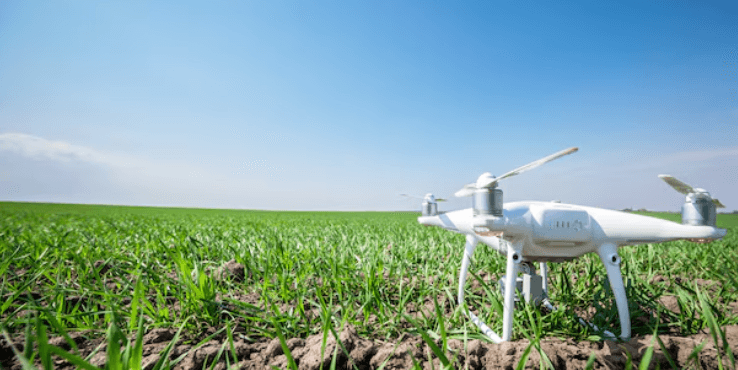
Harvest is a narrow window. Weather can shift, equipment needs to keep moving, and delays can affect crop quality and costs. Precision agriculture technology helps farmers monitor field conditions, guide machines, track crop flow, and collect data as work progresses. With better information, farm teams can make more informed harvest decisions and identify what to review before next season.
How Widely Are U.S. Farms Using Precision Agriculture?
Precision agriculture is already part of many U.S. farm operations, though adoption varies by farm size and technology. USDA data show that guidance systems were used by 52% of midsize farms and 70% of large-scale crop-producing farms in 2023, according to the Economic Research Service.
Guidance systems can help operators follow planned paths across a field, while harvest technologies such as yield monitors collect crop and location data. These tools serve different purposes, but both give farmers more information to manage fieldwork. The figures also show that adoption is not uniform, so farms can choose technology based on their acreage, equipment, and harvest needs.
How Does Precision Agriculture Help Before Harvest?
The work starts before a combine or cotton harvester enters the field. Satellite imagery, drone images, crop sensors, soil maps, and weather information can help identify differences in crop growth or maturity across a field. Instead of assuming every acre is ready at once, a farm team can use these signals to plan field order and inspect areas that appear to be developing differently.
For operations in West Texas, matching technology to the crop and existing machinery matters. Farmers comparing deere harvesting equipment west texas can consider the harvesting job, field size, crop type, current equipment, and the precision tools they can use. The right setup should work as part of the farm’s existing operation, including its data, guidance, and service needs.
What Does Precision Technology Do During Harvest?
A yield monitor combines information such as crop flow, moisture, machine position, and travel speed to estimate what is being harvested across different parts of a field. When paired with GPS or GNSS location data, these readings can be used to create a yield map.
A map can reveal patterns that a field-wide average hides. One area might consistently produce less than another, prompting the farm to investigate soil variation, drainage, pests, planting conditions, or equipment performance. The map shows where to ask questions; it does not, on its own, explain the cause..
How Does Harvest Data Help Plan the Next Season?
Harvest data becomes more useful when it is reviewed alongside planting records, soil information, input applications, weather, and field observations. A low-yield zone, for example, can be compared with drainage patterns, planting dates, or fertilizer records. That comparison helps narrow down possible causes before the farm changes a prescription or field practice.
Technology adoption varies among farms. The Government Accountability Office reported that 27% of U.S. farms or ranches used precision agriculture practices to manage crops or livestock, based on 2023 USDA reporting. The same report identifies upfront costs, data ownership concerns, and lack of technology standards as adoption challenges.
How Can a Farm Check Whether Its Yield Maps Are Reliable?
A yield map can guide decisions only when the underlying data are dependable. Calibration, sensor performance, machine setup, and data cleaning all affect what the map shows.
Before acting on a map, a farm team can:
Check that the yield monitor and moisture sensor were calibrated.
Confirm the correct field boundary, crop, header width, and machine settings.
Flag unusual readings, such as sudden jumps or gaps, and compare them with field notes.
Review maps alongside scouting observations and earlier seasons.
Keep a record of data corrections so future comparisons use the same method.
This is a useful distinction: collecting data is not the same as having decision-ready data. A map that has not been checked can lead to misplaced inputs or incorrect conclusions about field performance.
What Should Farmers Consider Before Investing in Harvest Technology?
Start with a specific harvest problem. Is the priority to compare yields by field zone, reduce operator fatigue, improve machine coordination, or capture data for future planning? A clear goal helps the farm avoid paying for features it will not use.
Then consider the practical fit:
Compatibility: Will the technology work with the farm’s current machines, displays, and software?
Connectivity: Can the farm access and transfer data in the fields where it operates?
Training: Can operators and managers use the system and interpret its information?
Data access: Who can view, export, store, and share farm data?
Support: Is there local help for setup, calibration, service, and troubleshooting?
Payback: Which cost, time, or management decision is the technology expected to improve?
A farm does not need to adopt every tool at once. Starting with one measurable use, such as accurate yield monitoring or guidance, can help the team learn what works before expanding the technology across more machines or fields.
Frequently Asked Questions About Precision Agriculture and Harvesting
How does GPS help during harvest?
GPS or GNSS provides machine position data that can support guidance, field mapping, and yield mapping. Operators can follow planned passes, while farm managers can connect yield readings to locations in a field. Accuracy depends on the receiver, correction signal, field setup, and correct machine and implement settings.
What is a yield map used for?
A yield map shows how harvested output varies by location within a field. Farmers can compare these patterns with soil, planting, weather, and input records to identify areas for further investigation. It helps guide questions and planning, but it does not identify the cause of yield differences by itself.
Do small farms need precision agriculture technology?
Not every farm needs the same tools. A smaller operation can begin with a focused need, such as guidance, yield monitoring, or field records. Before investing, compare equipment compatibility, training, connectivity, service support, data access, and expected value to the farm’s actual harvest decisions.
Can precision technology reduce harvest losses?
Technology can help operators monitor field and machine conditions, guide passes, and review crop-flow or yield information. These tools may help a farm identify avoidable inefficiencies, but results depend on crop conditions, equipment setup, operator decisions, and accurate data. They cannot guarantee a specific reduction in harvest loss.
Why should yield monitors be calibrated?
Calibration helps ensure the monitor’s readings more closely reflect actual harvested yield and moisture. Incorrect settings or sensor errors can distort a yield map and lead to poor decisions about field zones or inputs. Farms should follow equipment guidance, check readings during harvest, and review data before using maps for planning.
Harvest-Ready Takeaways
Before the next harvest, identify one decision that better data could improve. Check equipment compatibility and calibration, confirm operators know how to use the system, and decide who will review the data. After harvest, compare verified yield maps with field records before changing next season’s plan.