
How to Make Camping Feel More Comfortable
By
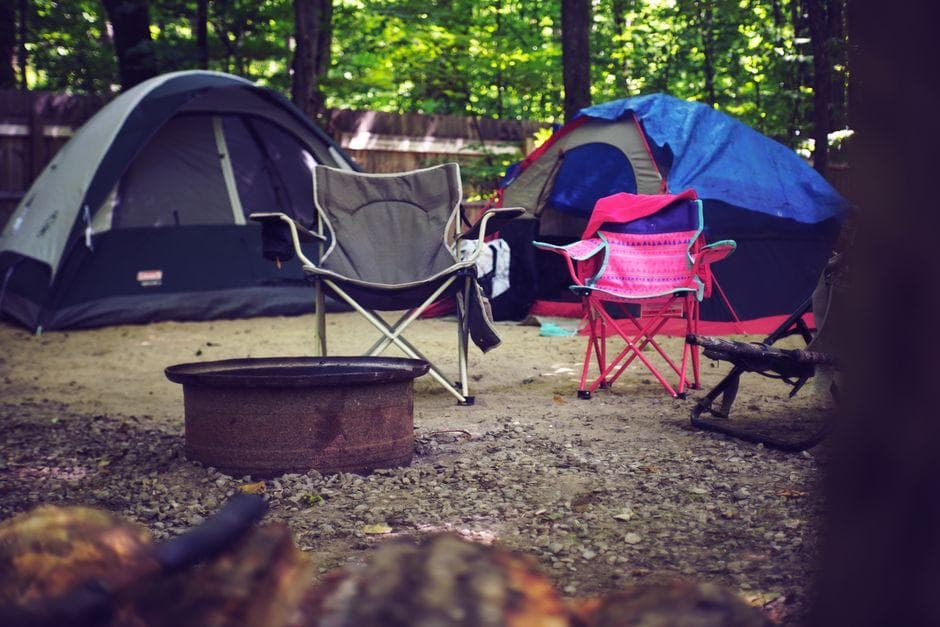
Camping gets a bad rap sometimes. People imagine bug bites, lumpy ground, and a night spent wrestling a sleeping bag like it owes them money. But your trip doesn’t have to feel rough. With a few smart choices, you can turn a basic campsite into a place that feels calm, cozy, and actually fun.
The trick is not packing your whole house. It’s bringing the right things and setting them up in a way that makes outdoor life easier from the start.
Choosing Canvas Tents
Your shelter sets the mood for the whole trip. If your tent feels cramped, stuffy, or flimsy, you'll notice it fast, and that discomfort colors everything from sleep to morning coffee. A roomier, sturdier tent solves that at the source Canvas tents give campers the space and solid feel that a thin nylon shell never manages, with thicker material that sits more like a real room than a plastic bubble.
Canvas also does a nice job with temperature control. It tends to breathe better in warm weather and feels less like a plastic bag in the sun. On chilly nights, it can help create a snugger space too. That doesn't mean magic castle powers, but it can make a real difference.
Durability matters as well. If you camp more than once in a blue moon, strong materials are worth thinking about. A comfortable shelter gives you space to change clothes, store gear, and relax when the weather gets grumpy.
Plan for Better Sleep
Good sleep can save a camping trip. Bad sleep can turn even a pretty lake into a place where you quietly complain at breakfast. Start by choosing level ground. If your sleeping spot tilts, you’ll spend the night sliding around like a sleepy pancake.
Bring layers instead of one giant blanket. A sleeping bag, an extra throw, and warm socks let you adjust as the temperature changes. Sleeping pads help a lot because they add cushion and keep the cold from creeping up through the ground. Cots are great too if you want more support.
Try to reduce noise and light. Earplugs, eye masks, and a simple bedtime routine can help kids and adults settle down faster. Keep flashlights easy to find, but avoid shining them all over the tent at midnight. Your future sleepy self will be grateful.
Pack for Weather
Weather loves surprises. A sunny afternoon can turn windy, cold, or rainy before you finish your sandwich. The goal isn’t to pack everything you own. It’s to bring a few flexible items that cover the basics without making your car look like a yard sale.
Start with layers. A T-shirt, fleece, and light waterproof jacket usually handle a lot. Add a hat for the sun, and one for the cold if nights tend to drop fast. Dry bags or zip bags help protect socks, phones, and other things you’d rather not soak.
A tarp is one of the most useful camping items around. You can use it for shade, a rain cover, or a dry place to stash muddy shoes. Keep a spare set of clothes in reserve. You may not need them, but if rain shows up, that dry outfit feels like a tiny superhero cape.
Create a Cozy Setup
A campsite feels better when it looks and works like a little outdoor living room. You don’t need fancy gear. A few simple comfort items can change the whole vibe. Start with camp chairs that are actually pleasant to sit in. If your chair pinches, squeaks, or leans like it’s giving up on life, replace it.
Soft lighting helps a lot. String lights or warm lanterns make the space feel welcoming and easier to move around in after dark. A small outdoor rug near the tent door keeps dirt down and gives bare feet a cleaner landing spot.
Use bins, baskets, or a folding table to keep daily items visible. Then set up a basic eating area so snacks and meals don’t become a scavenger hunt. When your campsite feels inviting, you’re more likely to relax instead of constantly digging through piles.
Cook With Less Stress
Camp meals don’t need to be complicated. In fact, simple food usually wins. Prep as much as you can at home. Chop vegetables, marinate meat, portion spices, and pack ingredients in labeled containers. That way, you spend less time doing kitchen chores and more time enjoying the trip.
One-pan meals are a camping hero. Think tacos, pasta, stir-fry, or foil packet dinners. Fewer dishes mean less cleanup, and that’s always a good trade when you’re outdoors. Keep a small wash station ready with soap, water, and a drying towel so messes don’t pile up.
Organize your cooler by meal or category. Put snacks where kids can reach them without unpacking the entire thing like treasure hunters. Easy breakfast foods and grab-and-go snacks make mornings smoother, especially when everyone wakes up hungry and slightly wild.
Keep Things Organized
Organization may not sound exciting, but it makes camping feel way more comfortable. When everything has a place, your campsite feels calmer, and your brain gets a break. Instead of asking where the flashlight went for the ninth time, you can just enjoy the trees.
Separate gear into clear groups. Keep cooking supplies together, sleeping gear together, and bathroom items in one easy-to-carry bag. Clothes work best when packed by outfit or day, especially for kids. That cuts down on digging and the mysterious explosion of socks.
Create a basic morning routine. Put shoes in the same spot, keep toiletries together, and set up a place for wet towels or dirty clothes. Small habits save time. They also make packing up easier later, which is nice because nobody wants the last day to feel like a scavenger hunt with mosquitoes.
Make It Family Friendly
If you’re camping with kids or first-time campers, comfort matters even more. A little familiarity can go a long way. Bring a favorite blanket, stuffed animal, or bedtime book. Small comforts from home help people settle in, especially when nighttime sounds suddenly seem very dramatic.
Keep the schedule flexible. You don’t have to fill every minute with activities. A short hike, an easy campfire snack, and some free play can be plenty. Simple games like scavenger hunts, card games, or cloud spotting work well and don’t require much gear.
Give everyone a small job. One person can collect kindling, another can set out chairs, and someone else can organize snacks. When people help, they feel more connected to the trip. The best family camping setup isn’t perfect. It’s just warm, easygoing, and comfortable enough that everyone wants to come back.