
Long-Term National Park Living: Best Canvas Tents
By
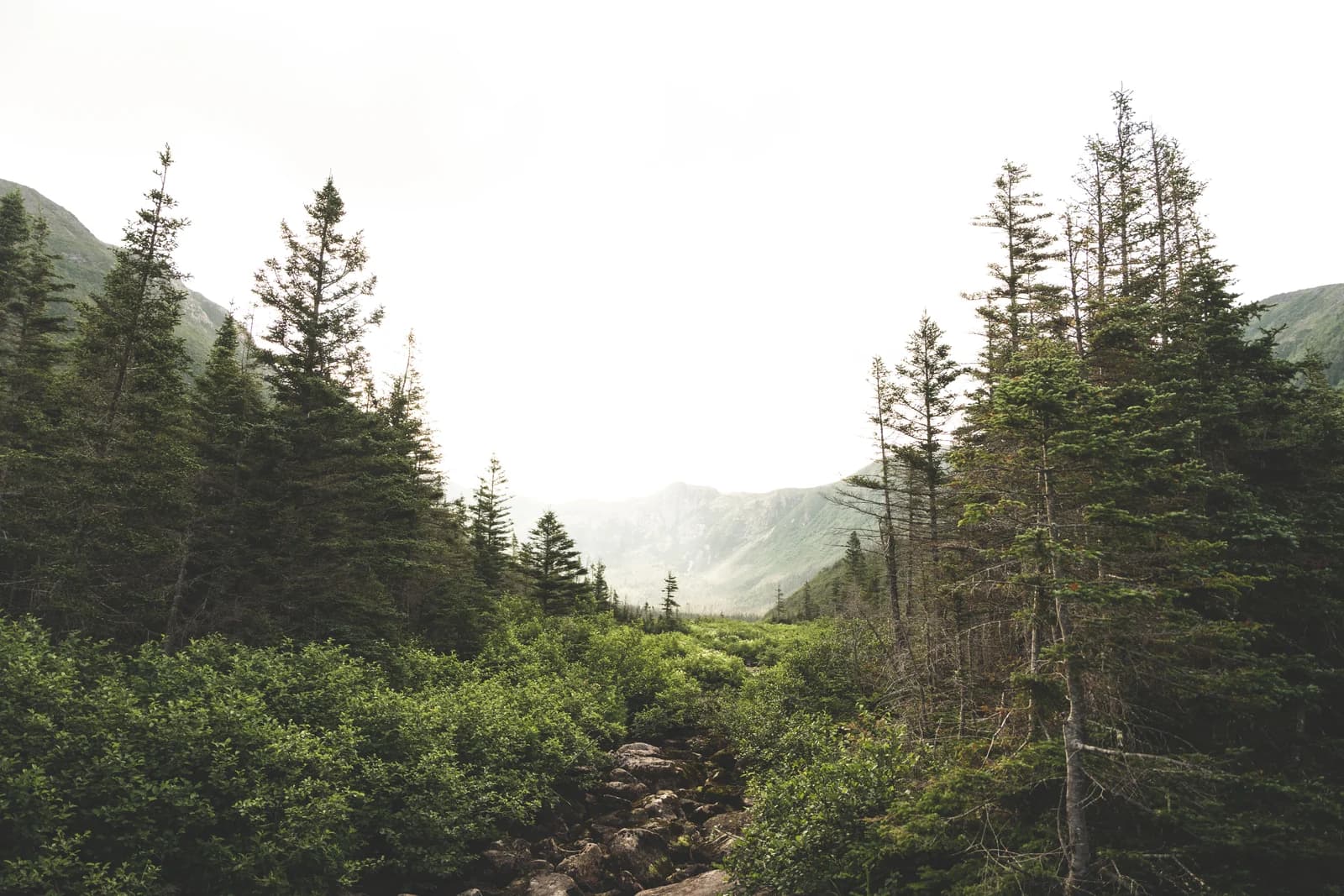
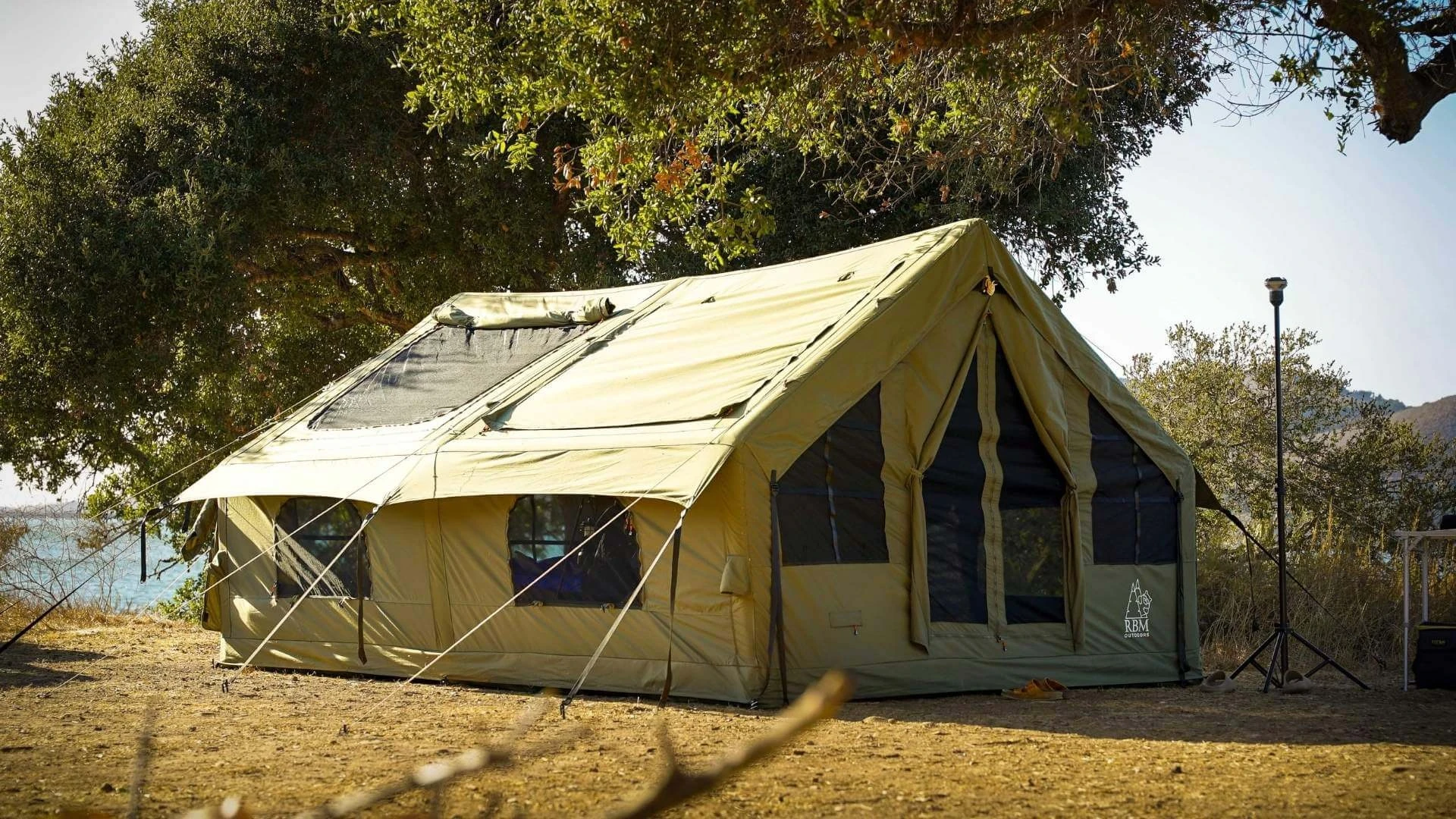
For many nature enthusiasts, a standard weekend trip to a National Park is merely a teaser—a brief glimpse into a world they aren’t ready to leave. The modern "urban grind" has fueled a growing movement: trading concrete jungles for ancient forests. Transitioning from a casual camper to a long-term resident of the wild is a transformative journey, but it is one that demands more than just a sense of adventure. It requires a fundamental shift in mindset and, most importantly, a professional canvas 4 season tent that can serve as a reliable fortress against the unpredictable whims of Mother Nature.
Whether you are planning a six-month sabbatical in the backcountry of Yellowstone or establishing a semi-permanent base near the misty peaks of the Great Smoky Mountains, your success depends on the bridge between "surviving" and "thriving."
The foundation: choosing your wilderness sanctuary
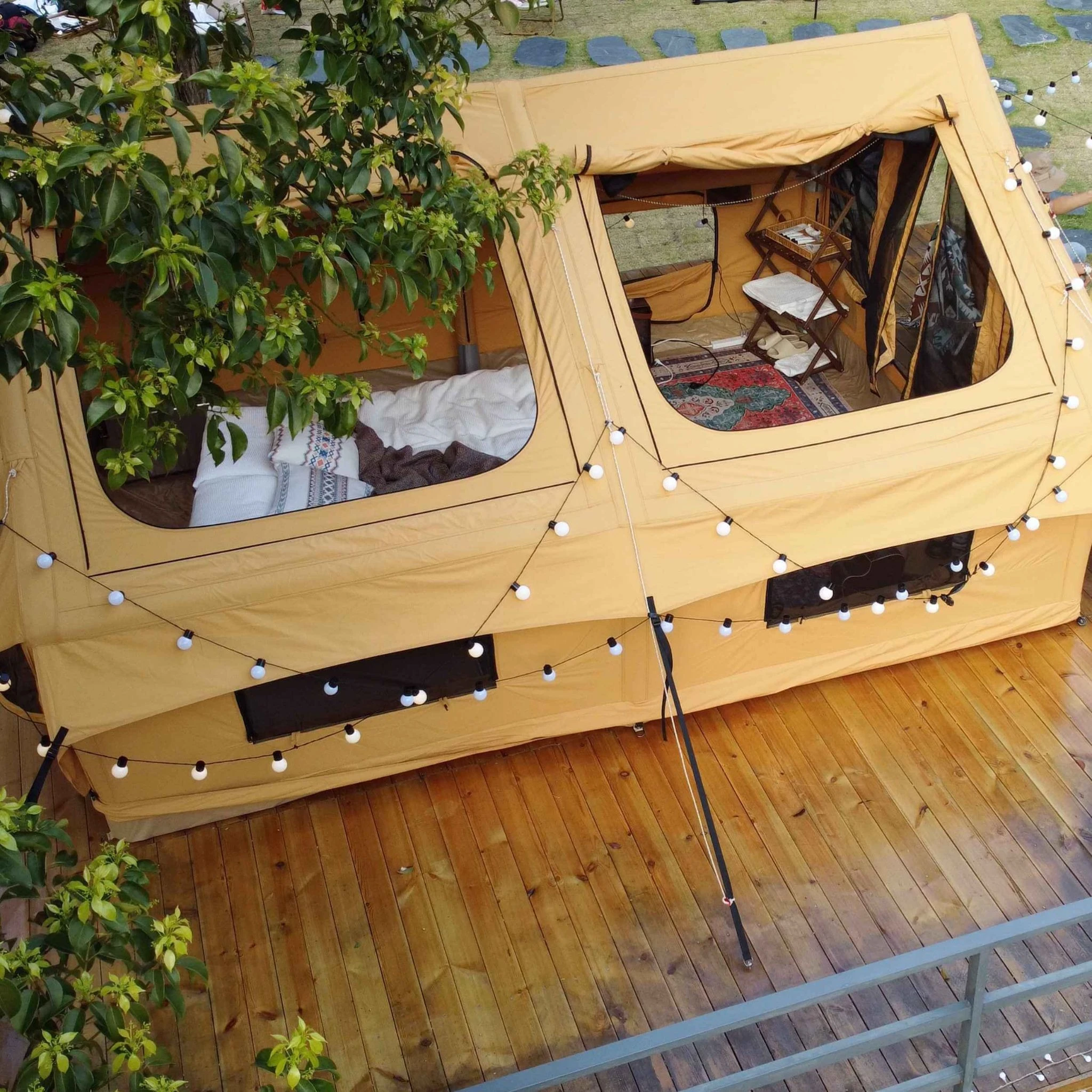
When you live in the woods for months at a time, your tent ceases to be "camping gear" and becomes your primary residence. It is your kitchen, your bedroom, and your only shield against a midnight downpour. For long-term stays, experts emphasize that "standard" sizing doesn't apply. To avoid the psychological strain of cramped quarters, you should always opt for a large canvas tent. Having extra vertical height to stand upright and enough floor space to separate your sleeping area from your gear storage is essential for maintaining a sense of domestic order.
Canvas remains the gold standard for long-term habitation for several reasons:
Breathability: unlike synthetic materials, canvas allows moisture from your breath to escape, preventing the dreaded "interior rain" of condensation.
Insulation: it acts as a natural thermal barrier, keeping the interior significantly cooler in the blistering July sun and holding heat much longer during October frosts.
Durability: a high-quality canvas weave can withstand UV rays and heavy snow loads that would shred a standard nylon tent in weeks.
Mastering the elements: heat and safety
Living long-term in a National Park setting means you are at the mercy of shifting seasonal cycles. You will experience the full spectrum of weather, from scorching summer heatwaves to the first biting winds of winter. In these environments, a reliable heat source is not a luxury—it is a survival requirement.
Selecting from the best canvas tents for camping with stove allows you to integrate a wood-burning stove directly into your living space. A dedicated stove jack ensures that you can cook, dry your clothes, and keep your spirits high when the temperature drops below freezing outside.
Beyond climate control, long-term residents must master two critical areas:
Wildlife management: you are a guest in the home of bears, wolves, and mountain lions. Proper "smellable" management—storing food, toothpaste, and trash in bear-proof containers at least 100 yards from your sleeping area—is a daily discipline that cannot be ignored.
Emergency readiness: in remote areas, help is not a phone call away. You must be your own first responder, equipped with a comprehensive medical kit and the knowledge to use it.
Logistics: power, water, and sustenance
To stay in the wilderness for months, you must solve the riddle of modern needs in a primitive setting.
Water filtration: relying on heavy jugs is fine for a weekend, but for a season, you need a high-capacity gravity filtration system. Look for filters that remove not just bacteria, but viruses and microplastics, ensuring your source from the local stream is always crystal clear.
Off-grid power: living off-grid doesn't have to mean a total digital blackout. Portable solar arrays paired with high-capacity lithium power stations can keep your satellite communication devices, cameras, and even a small laptop charged, allowing you to document your journey or work remotely from the shade of a pine tree.
The pantry: focus on high-calorie, shelf-stable foods. Grains, legumes, and dehydrated proteins should form your base, supplemented by foraging (only if you are an expert) and occasional supply runs to the nearest town.
The mental frontier: handling isolation
The biggest challenge of long-term camping isn't physical—it's mental. The silence of the forest can be deafening for someone used to the hum of a city. Before committing to a long stint, test your psychological resilience with a two-week "trial run."
Loneliness and "cabin fever" (even in a tent) are real risks. Establish a daily routine: sunrise coffee, gear maintenance, hiking, and evening journaling. A structured day provides the mental scaffolding needed to enjoy the isolation rather than being overwhelmed by it.
Leaving no trace: the ethical resident
Finally, living in a National Park for an extended period carries a heavy responsibility. You must be a steward of the land.
Waste management: follow strict "Pack It In, Pack It Out" rules.
Erosion control: be mindful of where you walk and where you pitch your tent to avoid destroying fragile root systems.
Fire safety: only use your wood stove in accordance with local fire regulations, and ensure your "hearth" is always clear of flammable debris.
Conclusion
Living in a tent long-term within the vicinity of our Great National Parks is a transformative experience that strips away the superficial and leaves you with the essential. With a durable all-season shelter, a reliable stove, and a heart prepared for the quiet, the wilderness stops being a "destination" and truly becomes your home. It is a chance to reset your internal clock to the rising of the sun and the turning of the seasons—a luxury that no five-star hotel can ever truly provide.