
How to Plan a Luxury Villa Vacation in St. John, USVI
By
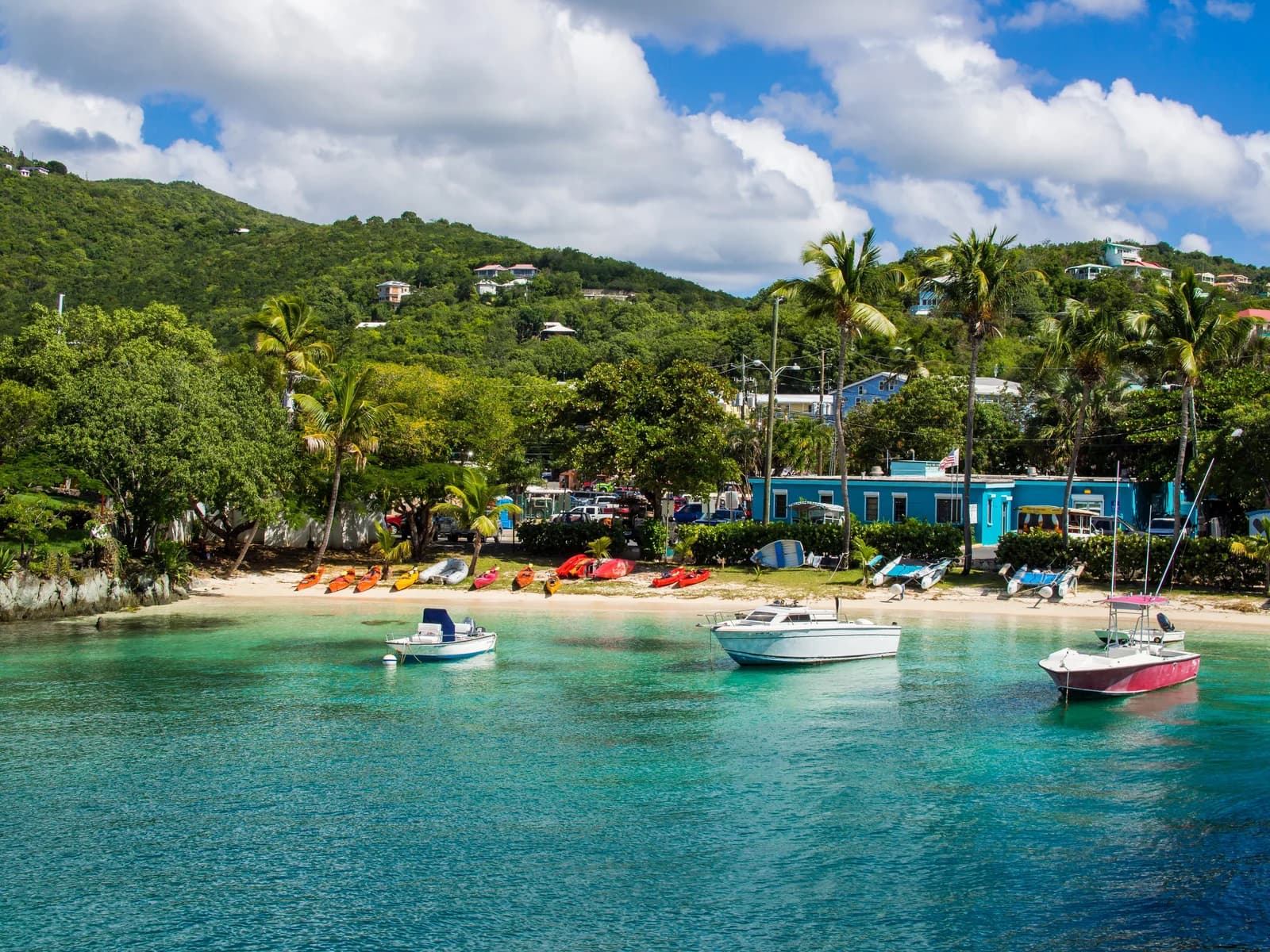
St. John is the smallest of the three main U.S. Virgin Islands, and that is a large part of its appeal. There are no high-rise resorts lining the shore and no cruise ship crowds flooding the streets. Most of the island is a protected national park, so green hills roll straight down to white-sand bays.
This shapes how you should plan. St. John has few large hotels, and many travelers stay in private villas instead. A well-chosen villa gives you space, privacy, and a base that feels like part of the island rather than separate from it.
This guide covers what makes St. John worth the trip, how to choose the right villa, what to do once you arrive, and the practical details that turn a good island vacation into a smooth one.
Why St. John Is Worth Visiting
Roughly two-thirds of St. John belongs to Virgin Islands National Park. That protection keeps the island quiet, green, and largely undeveloped. You get hiking trails, coral reefs, and historic ruins within a few minutes' drive of your front door.
The island is also easy to reach for American travelers. It is a U.S. territory, so it uses the U.S. dollar and U.S. citizens do not need a passport to enter. You still need valid government ID, and a passport makes travel simpler if your plans include the nearby British Virgin Islands.
St. John has two distinct personalities. Cruz Bay, on the west end, is the main town. It has the ferry dock, most of the restaurants, small shops, and a lively evening scene. Coral Bay, on the east end, is quieter and more laid-back, with a handful of beach bars and a strong local feel.
Between the two, you will find some of the most beautiful beaches in the Caribbean. Many of them face calm, clear water that suits swimmers, snorkelers, and families.
How to Choose the Right Villa in St. John
Villas on St. John vary widely. Some are cozy cottages for two. Others are multi-bedroom estates built for families or groups of friends. The right choice depends less on price and more on how you want to spend your days.
Decide What Matters Most: Views, Beach Access, or Convenience
Most villas on St. John sit on hillsides. That is where the island's famous views come from, but it also means very few properties are directly on the sand.
Ask yourself which trade-off you prefer:
- Hilltop and clifftop villas offer sweeping water views, cooler breezes, and more privacy. You will usually drive to the beach.
- Villas near Cruz Bay put restaurants and shops within easy reach, which helps if you would rather not drive every evening.
- Villas on the east end feel more remote and peaceful, with quick access to quieter beaches and trails.
There is no universally best location. Pick the one that matches the rhythm you want for your trip.
Match the Layout to Your Group
A villa that sleeps ten is not automatically right for ten people. Look closely at the floor plan. How many bedrooms have private bathrooms? Are the bedrooms spread across separate wings or stacked close together?
For multi-generational trips or groups of friends, shared living space matters just as much as bedroom count. A large open kitchen, a pool deck with shaded seating, and an outdoor dining area give everyone room to gather without feeling crowded.
Look Beyond the Pool
Nearly every luxury villa on the island has a pool. What separates a good stay from a great one is usually the service and the small details.
Check whether the property offers a local manager or concierge. On an island where restaurants book up, boat charters fill quickly, and grocery runs take time, having someone on hand to arrange things makes a real difference. Pre-stocked kitchens, airport and ferry guidance, and help booking a private chef are all worth asking about.
For a sense of what the high end looks like, Finisterre St. John is a useful reference point. The six-bedroom estate sits on two acres of seaside cliffs, with views across the Caribbean toward Ram Head Point and distant islands, plus an on-site villa manager who handles guest arrangements. Even if your group or budget calls for something different, properties like this show which features to look for: privacy, thoughtful communal space, and service that starts before you arrive.
Read Reviews With a Practical Eye
Guest reviews tell you more than professional photos do. Look for comments about the drive up to the villa, how the property handles the heat, how responsive the management team is, and whether the space matched the listing.
Pay attention to mentions of steep roads or tricky driveways. On St. John, those details matter.
What to Do on St. John
Part of the joy of a villa stay is not feeling pressure to fill every hour. Still, the island rewards a little planning, especially if you want to see its best beaches and trails.
Spend Time at the North Shore Beaches
The north shore holds the island's most famous bays, all strung along North Shore Road.
- Trunk Bay is the postcard beach, with an underwater snorkel trail marked by signs on the seafloor. It charges a small entry fee and gets busy at midday.
- Cinnamon Bay is long and lovely, with good snorkeling around the small cay offshore.
- Maho Bay has shallow, calm water and frequent sea turtle sightings, which makes it a favorite for families.
- Hawksnest Bay sits closest to Cruz Bay and works well for a quick morning swim.
Arrive early. Parking at popular beaches fills up fast, especially in high season.
Explore the Quieter South and East
The south and east sides of the island feel wilder. Salt Pond Bay is a sheltered beach with good snorkeling and the trailhead for the Ram Head Trail. That hike climbs to a dramatic, windswept point with views over the sea. Bring water and start early, since there is little shade.
Near the island's northeast corner, Waterlemon Cay offers some of St. John's best snorkeling. You reach it by a short, flat walk from the Annaberg area.
Hike Into the Island's History
St. John's trails pass through more than forest. The Annaberg Sugar Plantation ruins offer insight into the island's colonial past and the enslaved people who worked its estates. The Reef Bay Trail descends through the forest to ancient petroglyphs carved by the Taíno people.
These sites are best visited at a slower pace. Read the interpretive signs and give yourself time to take in the context.
Get Out on the Water
A day on a boat is one of the highlights of any St. John trip. Private and small-group charters can take you to secluded coves, uninhabited cays, and, with a passport, the nearby British Virgin Islands. Jost Van Dyke and its famous beach bars are a popular day trip.
Book charters well ahead of your trip, particularly around holidays.
Leave Room to Do Nothing
The best St. John days often have no plan at all. Morning coffee on a terrace, an afternoon swim, and a sunset dinner at the villa can be more memorable than another beach checked off a list. A villa with a view makes these unscheduled hours feel like part of the trip, not time wasted.
The Best Time to Visit St. John
St. John is warm year-round, with daytime temperatures usually in the 80s. The bigger differences come from rain, crowds, and prices.
High Season: Mid-December to April
This is the most popular time to visit. The weather is dry and breezy, and the sea is typically calm. It is also the most expensive period, and the best villas often book a year or more in advance for the holidays.
Shoulder Season: May, June, and Early December
Shoulder months offer a strong balance. The weather is still pleasant, crowds thin out, and villa rates often drop. Late spring is a particularly good window for families and couples who want a quieter island.
Hurricane Season: June 1 to November 30
Hurricane season runs through summer and fall, with peak risk from August through October. Some restaurants and businesses close for part of this period. If you travel then, choose flexible bookings and buy travel insurance that covers weather disruptions.
Practical Planning Tips for a St. John Villa Trip
St. John is not difficult to visit, but it does reward realistic logistics. A few details make a big difference.
Getting There
There is no airport on St. John. Most travelers fly into Cyril E. King Airport on St. Thomas, then take a taxi to a ferry terminal. Passenger ferries run from Red Hook to Cruz Bay in about 20 minutes, with additional service from Charlotte Amalie.
If you rent a car on St. Thomas, a car barge can carry it across. Many travelers prefer to rent directly on St. John instead.
Renting a Car
A rental vehicle is close to essential for a villa stay. Taxis exist but can add up fast, and many villas sit on steep, winding roads. Four-wheel-drive vehicles, often Jeeps, are the standard choice.
Two things catch first-time visitors off guard. Driving is on the left side of the road, even though most cars are American-style with the steering wheel on the left. And rental cars can sell out during high season, so reserve yours when you book your villa.
Groceries and Provisioning
Groceries on St. John cost more than on the mainland, and selection is limited. Many villa managers offer to stock the kitchen before you arrive. If that is not available, consider shopping on St. Thomas before taking the ferry, or use a local provisioning service.
Protecting the Reefs
The U.S. Virgin Islands ban sunscreens containing certain chemicals that harm coral, including oxybenzone. Pack reef-safe sunscreen, or buy it on the island. Avoid touching or standing on coral while snorkeling.
Booking Timeline
For high season and holidays, book your villa nine to 12 months in advance. For shoulder season, three to six months is often enough. Reserve your rental car, boat charters, and any special dinners as soon as your villa is confirmed.
What First-Time Visitors Often Get Wrong
- Choosing a villa based only on photos, without checking the access road or distance to town.
- Waiting too long to rent a car and ending up without one.
- Packing every day with beaches and tours instead of enjoying the villa itself.
- Arriving at Trunk Bay or Maho Bay at noon and finding no parking.
- Forgetting a passport when planning a BVI day trip.
- Skipping travel insurance during hurricane season.
Start Planning Your St. John Villa Escape
St. John does not need much help to impress. It already has protected forests, calm turquoise bays, historic ruins, and some of the best snorkeling in the Caribbean. What makes the trip truly memorable is where you stay and how much room you leave to enjoy it.
Start by deciding what matters most to your group: sweeping views, easy access to town, or total privacy. Then shortlist a few villas, read recent guest reviews, and ask about concierge support before you book. Lock in your dates early, especially for winter travel, and secure your rental car the same day.
Your perfect St. John villa is out there. Begin exploring your options today, and give yourself the kind of island vacation that feels unhurried from the very first morning.
Frequently Asked Questions
Do I need a passport to visit St. John?
U.S. citizens do not need a passport to visit St. John, since it is a U.S. territory. You will need a valid government-issued photo ID. A passport is required if you plan a day trip to the British Virgin Islands.
How far in advance should I book a villa in St. John?
For high season, especially around Christmas, New Year's, and spring break, book nine to 12 months ahead. Shoulder-season trips usually need three to six months of lead time. Popular clifftop and multi-bedroom villas tend to book first.
Is a car necessary when staying in a St. John villa?
In most cases, yes. Many villas sit on steep hillside roads, and beaches are spread across the island. A four-wheel-drive rental gives you the most freedom. Remember that driving is on the left.
What is the best time of year to visit St. John?
Mid-December through April offers the driest weather but the highest prices. May, June, and early December offer pleasant conditions with fewer crowds and lower rates. Hurricane season runs from June through November, peaking from August to October.
Are St. John villas good for families and large groups?
Yes. Villas are often the best option for families and groups because they offer multiple bedrooms, full kitchens, private pools, and shared outdoor space. Look for layouts with private bathrooms and comfortable communal areas so everyone has room to relax.