
How to Plan a Maldives Trip Without Overspending
By
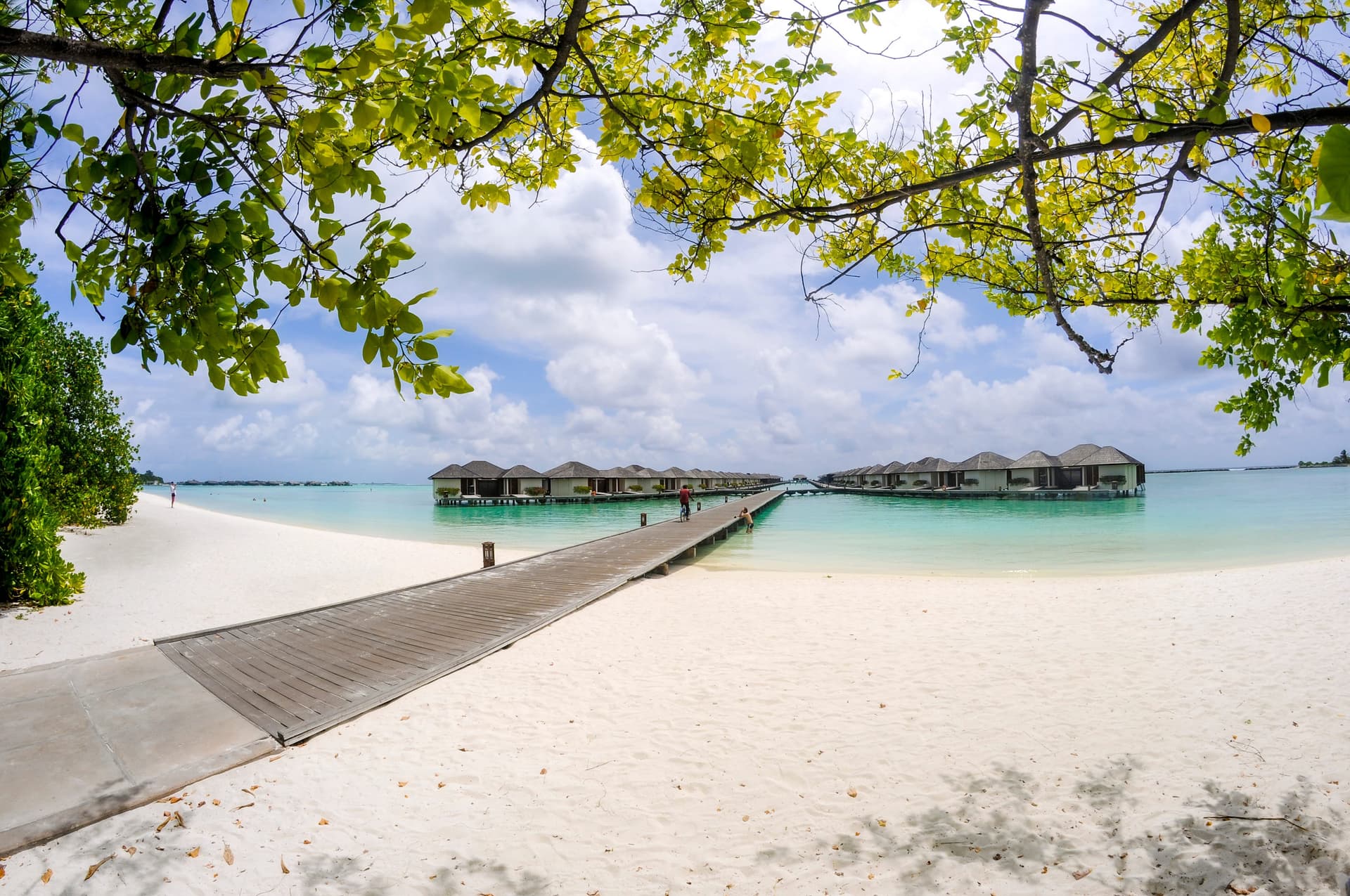
The Maldives has a reputation as one of the most expensive destinations on Earth — and while that reputation isn’t entirely undeserved, it tells an incomplete story. With some smart planning and a willingness to look beyond the most heavily marketed resorts, a Maldives holiday can be far more accessible than the price tags on Instagram suggest.
Here’s how to approach it without letting the budget spiral out of control.
Understand the Two-Tier System
The Maldives essentially operates on two parallel tourism tracks. The first is the private resort island model — one island, one resort, everything contained. This is the classic experience most people picture, and it ranges from mid-range to eye-wateringly expensive depending on the property.
The second track is the local island guesthouse scene, which only opened up to tourists in 2009 when the Maldivian government changed regulations. Local islands like Maafushi, Thulusdhoo, and Dhigurah now have dozens of small guesthouses and boutique hotels offering clean, comfortable rooms at a fraction of resort prices. You won’t get an overwater villa, but you will get authentic Maldivian culture, home-cooked food, and the same ocean.
Knowing which track suits your priorities — and your wallet — is the single most important decision in planning a Maldives trip.
Time Your Booking Around the Seasons
The Maldives has a dry season (roughly November to April) and a wet season (May to October). Peak pricing kicks in from December through March, with Christmas, New Year, and European winter holidays driving demand to its highest point.
Travelling during the shoulder months — May, June, October, or early November — can cut accommodation costs significantly. The weather during these months is less predictable, with occasional rain showers and cloudier skies, but the water temperature stays warm year-round and marine life doesn’t follow a calendar. Some divers actually prefer wet season conditions for manta ray and whale shark encounters on the western atolls.
Choose Your Atoll Carefully
The Maldives stretches across 26 atolls, and each cluster of islands has its own character. North Malé Atoll is the most developed and convenient — close to the international airport with short speedboat transfers. South Ari Atoll is famous for whale shark sightings. Baa Atoll is a UNESCO Biosphere Reserve with exceptional marine biodiversity. Raa and Noonu atolls tend to be quieter with fewer resorts competing for attention.
Your choice of atoll affects not just the scenery and diving, but also the cost and logistics of getting there. Resorts reachable by speedboat from Velana International Airport are generally cheaper to access than those requiring a seaplane or domestic flight, which can add several hundred dollars per person to the total trip cost.
For a more detailed breakdown of what different atolls and resorts offer, the LuxAtolls Maldives guide covers properties across multiple atolls with first-hand reviews and practical detail that’s hard to find elsewhere.
Don’t Overlook Meal Plan Math
Food is where Maldives costs can quietly balloon. On a resort island, you have no alternative dining options — you eat at the resort or you don’t eat. This gives resorts significant pricing power, and à la carte meals can be genuinely shocking. A simple pasta dish for forty dollars or a breakfast buffet priced at sixty per person is not unusual.
Most resorts offer tiered meal plans: bed and breakfast, half board, full board, and all-inclusive. Running the numbers before you book is essential. Full board or all-inclusive plans almost always work out cheaper than paying per meal, especially for families or anyone who enjoys a drink with dinner. Some resorts also offer premium all-inclusive tiers that bundle in excursions, spa treatments, and premium alcohol — worth considering if you want to avoid any financial surprises once you arrive.
Think About What You Actually Want to Do
It sounds obvious, but many travellers book a Maldives trip based on the villa and the view without thinking much about daily activities. If you’re the type who’s happy reading on a sunlounger for a week, almost any resort will work. But if you want world-class diving, specific water sports, cultural excursions to local islands, or a serious spa programme, the resort selection narrows considerably.
Some resorts excel at diving with dedicated centres and house reefs teeming with marine life. Others focus on wellness with overwater yoga pavilions and Ayurvedic treatments. A few cater specifically to families with kids’ clubs, splash parks, and marine biology programmes for younger guests. Matching the resort’s strengths to your actual interests prevents the common disappointment of arriving at a beautiful but ultimately boring property.
Transfers Deserve Their Own Line in the Budget
Getting from the airport to your resort is rarely as simple as catching a taxi. Speedboat transfers for nearby resorts typically cost between one and three hundred dollars per person return. Seaplane transfers to more remote atolls can run four to six hundred per person. Domestic flights followed by a speedboat add another layer of cost and coordination.
These aren’t optional extras — they’re mandatory, and they’re rarely included in the headline room rate. Budget for them separately and factor them in when comparing total trip costs between resorts.
The Bottom Line
A Maldives trip doesn’t have to mean remortgaging the house, but it does require more upfront planning than most destinations. The variables — resort versus guesthouse, atoll location, season, meal plan, transfer method — all interact with each other, and getting the combination right is what separates a trip that feels like great value from one that leaves you wincing at the credit card statement.
Do the research, run the numbers, and book with your eyes open. The Maldives is worth every bit of effort it takes to plan properly.
Give Yourself Enough Lead Time
Whichever track you choose, booking well ahead tends to pay off more than chasing last-minute deals. Guesthouse rooms on popular local islands fill up fast around peak season, and the better-value resort rooms go early too, since everyone is chasing the same shoulder-season discounts. Start comparing atolls, transfer options, and meal plans several months out rather than a few weeks before you fly.
This is also a trip that rewards travellers who don't mind a bit of spreadsheet work. If you'd rather book something simple and predictable, a single well-chosen resort on bed and breakfast may suit you better than piecing together guesthouse stays on multiple islands. Either way, decide your non-negotiables early and let them guide every other choice.