
Island Time in Bocas del Toro: A Traveller's Guide to Panama's Caribbean Archipelago
By
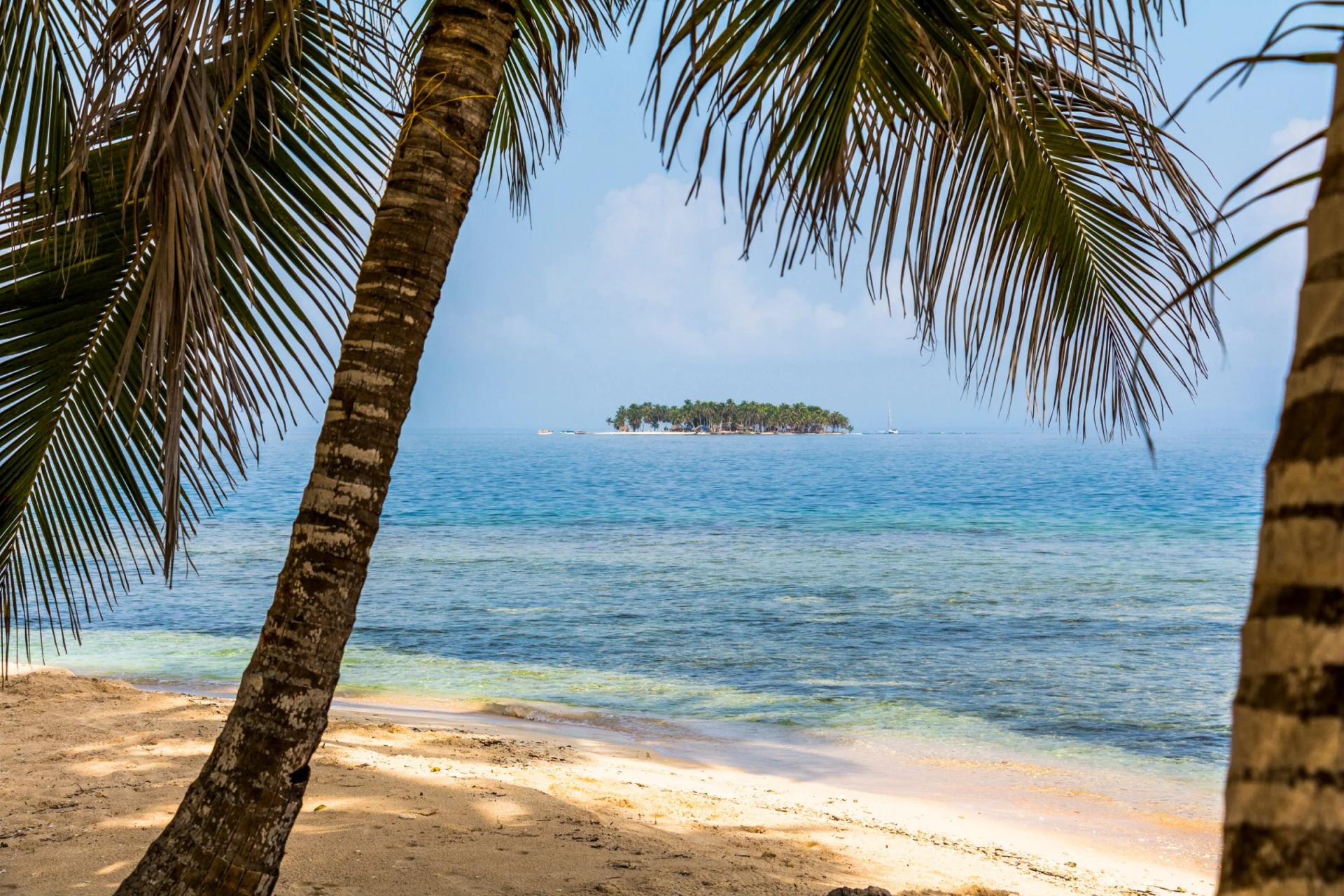
Most people arrive in Bocas del Toro on a small plane from Panama City. The flight takes about an hour, and the last few minutes show you why they came: a scatter of green islands, mangrove channels and reefs in water that shifts from jade to deep blue. The runway on Isla Colón ends a few streets from the sea.
Bocas del Toro is both a province and an archipelago in Panama's far northwest, near the Costa Rican border. Nine main islands and hundreds of cays sit in the Caribbean here. Life moves by boat, and it moves slowly.
Bocas Town and Isla Colón
Bocas Town is the hub. Wooden buildings painted in bright colours line the main street, many on stilts over the water. You will find small grocers, bakeries, dive shops and restaurants that range from fried fish with coconut rice to Italian and Thai.
The town's Afro-Caribbean roots show in its food, music and language. Many older residents speak Guari-Guari, a local Creole, alongside Spanish and English. Ngäbe communities live on several islands and along the mainland coast, and their craftwork is sold in town.
Isla Colón is large enough for a road. A taxi or bicycle will take you to Boca del Drago on the far side, where Starfish Beach is known for the sea stars resting in its shallow, calm water. Look, but leave them in the water.
The islands by water taxi
Water taxis leave from docks along the main street and work like buses. A short ride takes you to Isla Carenero, a quiet island with a few restaurants and a surf break. A little further away, Isla Bastimentos has Red Frog Beach and Wizard Beach, both reached by a walk through rainforest.
Much of Bastimentos and the surrounding reefs fall within Isla Bastimentos National Marine Park, created in 1988. Day trips head to the Zapatilla cays for snorkelling, and to Dolphin Bay, where bottlenose dolphins often feed. Choose operators who keep their distance from the animals.
When to go
Bocas does not follow Panama's usual dry season. The Caribbean side gets rain throughout the year, often in short, heavy bursts. September and October are usually the calmest and clearest months, which surprises visitors used to the Pacific coast. Surfers come from December to March, when the swells are biggest.
Pack light clothing, a rain jacket, reef-safe sunscreen and insect repellent. Bring cash, as some smaller places on the outer islands do not take cards.
What travellers notice
The pace is the first thing. Plans depend on the weather and the boat schedule, and most people stop checking the time after a day or two. The second is how close nature feels. Sloths in the trees along the road, frogs on the forest trails and bioluminescence in the bays on dark nights are part of ordinary life.
The third is the community. Bocas has a mix of locals, Panamanians from other provinces and newcomers from North America and Europe. Many first came on holiday.
When a holiday turns into a plan
Some visitors start wondering what it would take to stay. Before any decision, spend real time in the islands: one to three weeks, in different parts of the archipelago, in different weather. Island life is beautiful, but it comes with practical questions about boat access, fresh water, power and the cost of getting building materials across the water.
Land ownership is also different here. A lot of land in Bocas is held under rights of possession rather than full registered title, and the two carry very different protections. Anyone weighing property in Bocas del Toro should understand that difference first and have an independent lawyer review any documents.
For most travellers, though, Bocas stays a place to return to. Come for the water, stay for the pace, and leave room in your plans for a rainy afternoon on a dock with a cold drink and nowhere else to be.