
DestinationsLuxury TravelTravel PlanningPanama
The Ultimate Guide to Planning a Luxury Panama Trip
By
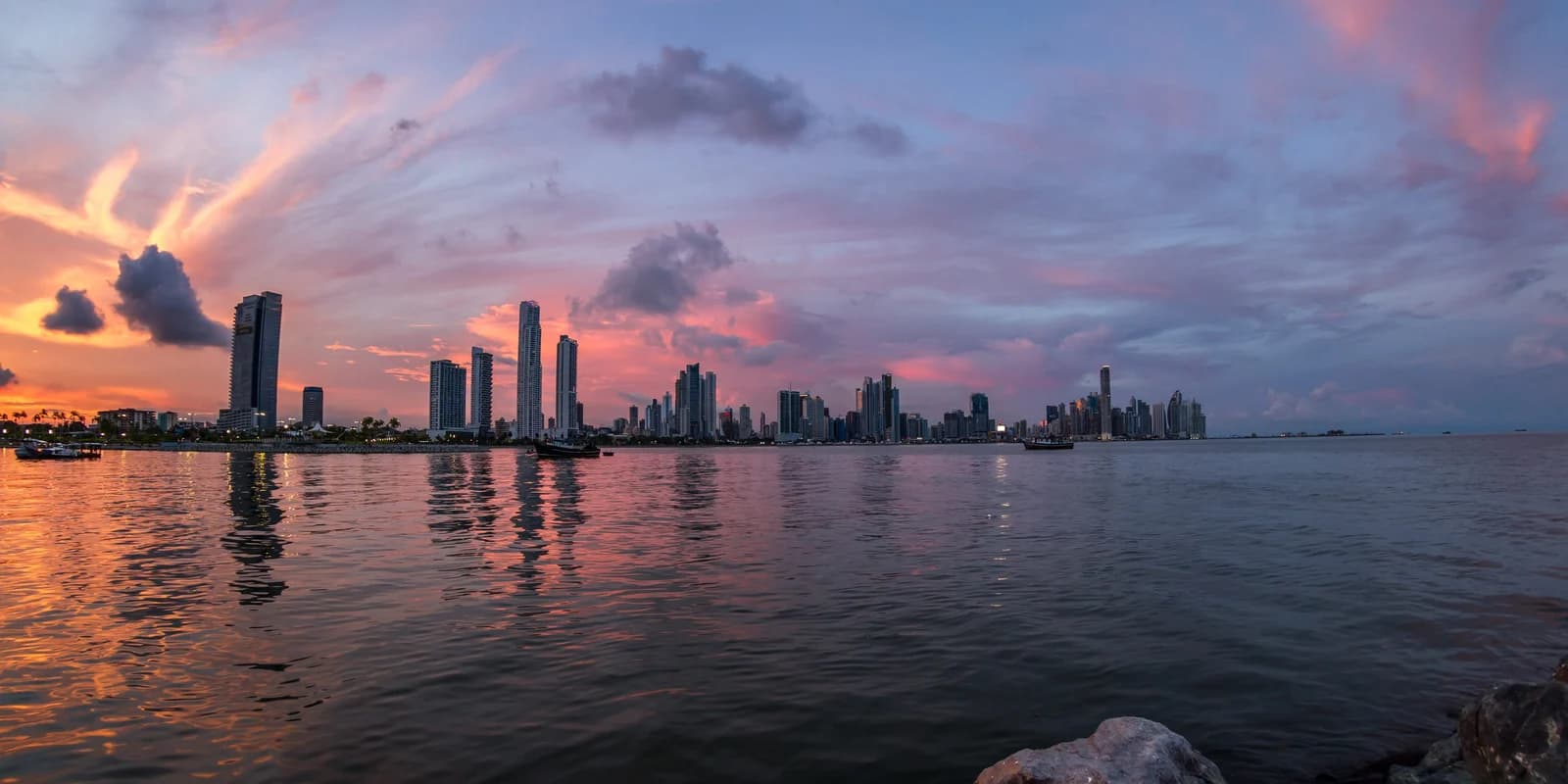
Panama packs rainforest, two oceans, and a world-class canal into a country roughly the size of South Carolina. That compactness is exactly what makes it a strong candidate for a high-end trip — you can swap a cloud forest lodge for a private-island resort in under an hour by small plane. Planning it well just takes knowing where the money is best spent and when to go.
When to Visit
Panama's dry season runs from mid-December through April, and this is when most luxury travelers book their trips. Rain is minimal, humidity drops slightly, and boat transfers to places like the Pearl Islands or Bocas del Toro run without weather delays. The trade-off is that December through February overlaps with peak holiday pricing, so January and February often deliver better value than the November-December stretch.
The green season, from May through November, still has plenty of sunny mornings, with rain typically arriving in short afternoon bursts. Luxury lodges in the Chiriquí highlands and Darién region often drop rates by 20 to 30 percent during these months. If a storm-free beach day matters more than saving money, stick with dry season; if you can work around an afternoon shower, the shoulder months stretch your budget further.
Choosing Your Base
Panama City should anchor at least two or three nights of any upscale itinerary. The Waldorf Astoria and the Trump-turned-JW Marriott towers along the Pacific coastline put you minutes from Casco Viejo's restored colonial quarter, where restaurants like Maito and Donde José serve tasting menus built around Panamanian cacao, corvina, and highland coffee. A private guide through the Panama Canal's Miraflores Locks, timed to catch a Panamax vessel transit, is worth arranging in advance rather than joining a general tour group.
From there, most high-end itineraries branch toward Bocas del Toro on the Caribbean side or the Pearl Islands in the Pacific. Bocas offers overwater bungalows and surf-adjacent luxury at properties like Islas Secas, a private-island reserve accessible only by chartered flight. The Pearl Islands, roughly 35 minutes from the capital by small plane, suit travelers who want seclusion without sacrificing proximity to the city.
Booking the Right Lodges
Panama's luxury lodging splits into three categories: boutique city hotels, private island resorts, and eco-lodges in the highlands or rainforest. Nayara Bocas del Toro and Islas Secas represent the private-island tier, with all-inclusive pricing that covers meals, boat excursions, and often spa treatments. In the Chiriquí highlands near Boquete, properties like Haven Boquete Spa & Hot Springs Resort cater to travelers interested in coffee farm visits and volcano hikes without giving up five-star amenities.
For travelers who want a single operator to coordinate flights, lodges, and guides across multiple regions, working with a company that specializes in Panama luxury tours can simplify logistics considerably, particularly when itineraries involve small-plane transfers between the Pacific and Caribbean coasts. These operators typically have existing relationships with lodge concierge teams, which can mean better room categories or added excursions at no extra cost.
Wildlife and Nature Excursions
Panama sits on a narrow land bridge between two continents, which gives it an outsized concentration of bird and mammal species for its size. The Canopy Tower, a converted radar station turned eco-lodge in Soberanía National Park, puts guests at treetop level for watching toucans, sloths, and howler monkeys from a rooftop platform. Private birding guides here often log 100-plus species in a single morning.
For marine wildlife, Coiba National Park off the Pacific coast offers whale shark and humpback whale sightings between July and October, along with some of the best-preserved coral reefs in the eastern Pacific. Access requires a permit and a boat charter from Santa Catalina, and it's worth booking through a lodge or operator that handles the paperwork rather than arranging it independently.
Food and Culture Worth Building a Day Around
Panamanian cuisine draws on Spanish, Afro-Caribbean, and indigenous Guna and Emberá influences, and a day trip to a Guna Yala community off the Caribbean coast offers a direct look at that heritage, including traditional mola textile work. Several lodges can arrange a private boat visit with a cultural guide rather than a group tour, which tends to produce a more substantive exchange and better access to artisans.
Back in Panama City, the Mercado de Mariscos fish market is worth an early visit even on a luxury itinerary — fresh ceviche from a market stall costs a fraction of what the same dish runs at a hotel restaurant, and it's typically better.
Getting Around Without Losing Time
Domestic flights, not roads, are what make a multi-region Panama trip feasible in a week or ten days. Air Panama connects the capital to Bocas del Toro, David, and smaller airstrips near private lodges, often in flights under an hour. Private charter is common for island resorts without commercial service, and most high-end properties will coordinate this directly as part of booking.
The real planning challenge in Panama isn't finding luxury — it's resisting the urge to pack in too many regions. Two well-chosen bases, linked by one or two short flights, will show more of the country's range than a rushed five-stop itinerary, and leave enough unhurried time at each to make the trip feel like more than a transit schedule.