
Must-Try Food in Yogyakarta: A Local Flavor Guide
By
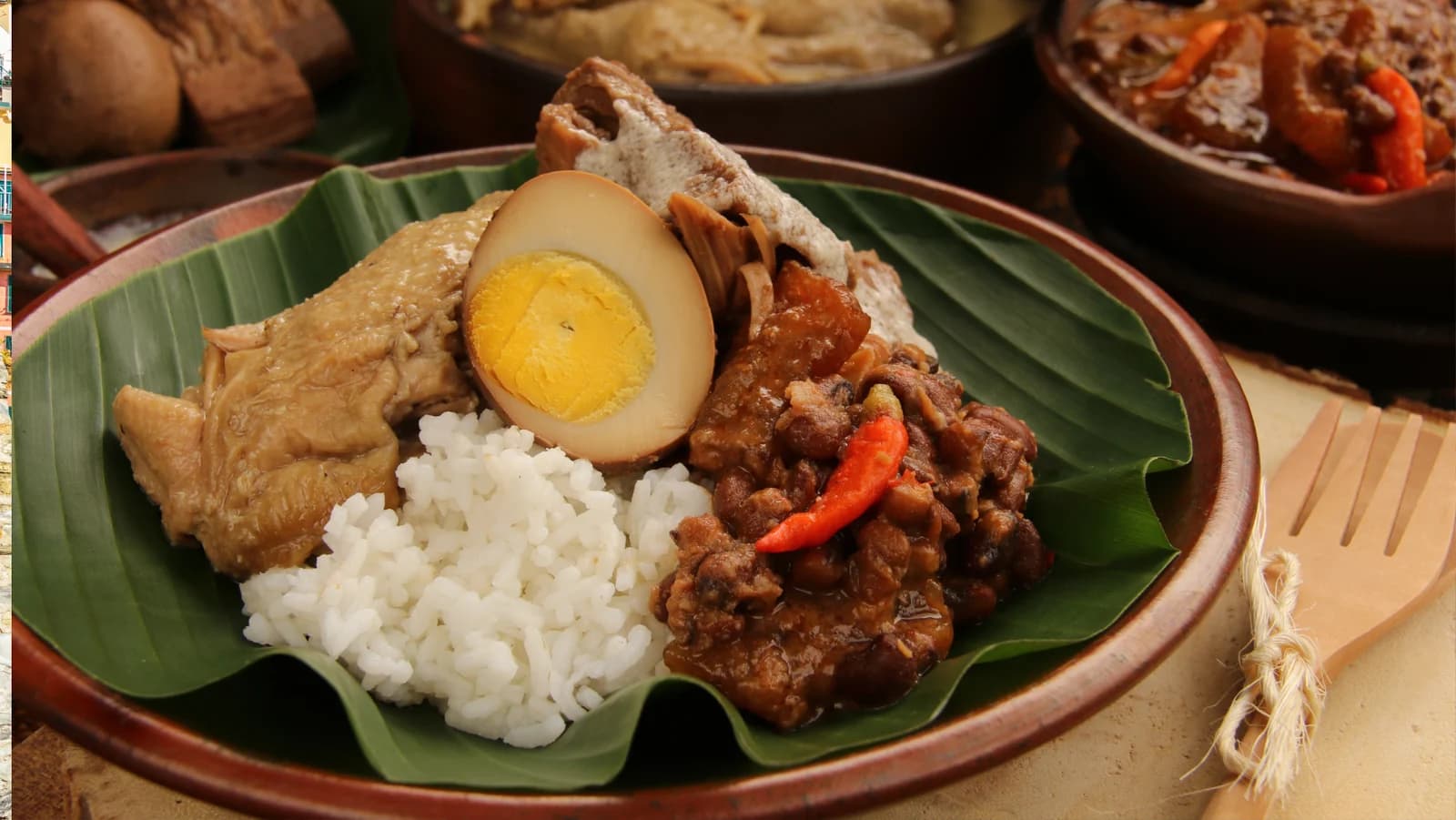
Yogyakarta, or "Jogja" as locals call it, is one of Indonesia's most rewarding culinary destinations, blending centuries-old palace recipes with humble street-food staples. Whether you're spending a day exploring Prambanan Temple or wandering the alleys around Malioboro, your trip isn't complete without tasting the city's signature dishes — including the increasingly rare Kipo dessert. Here's a food lover's guide to eating your way through Jogja.
Gudeg: The Iconic Taste of Jogja
No conversation about Yogyakarta food starts anywhere but gudeg. This sweet jackfruit stew, slow-cooked for hours with palm sugar, coconut milk, and spices, is often served with rice, crispy chicken skin (krecek), boiled egg, and shredded chicken. The sweetness might surprise first-timers used to spicier Indonesian fare, but that gentle, caramelized flavor is exactly what defines Jogja's culinary identity. Many warungs (small eateries) have served gudeg recipes passed down through generations, and it's worth trying a few different versions to taste the subtle variations in sweetness and texture.
Kipo: The Tiny, Almost-Forgotten Dessert
If there's one dish that deserves far more attention, it's Kipo. This bite-sized dessert originates from the Kotagede area, once the seat of the Mataram Sultanate, and is made from glutinous rice flour filled with grated coconut and palm sugar, then wrapped in pandan leaf and lightly grilled. The result is a soft, fragrant, subtly sweet snack that's smaller than a matchbox but packed with flavor. Kipo isn't as widely available as gudeg or satay, which is part of its charm — finding a vendor selling authentic Kipo feels like uncovering a piece of living history. Kotagede, known for its silver craftsmanship and old Javanese architecture, is the best place to hunt for it, ideally in the morning before stalls sell out.
Sate Klathak: Skewers with a Twist
Sate klathak sets itself apart from typical Indonesian satay by using thick chunks of goat meat skewered on iron bicycle spokes instead of bamboo sticks. The metal conducts heat evenly through the meat, resulting in a juicier, more evenly cooked skewer. Seasoned simply with salt and pepper before grilling, then often finished with a light curry-like broth on the side, sate klathak is beloved by locals and a favorite late-night meal after a long day of sightseeing.
Bakpia: The Souvenir You'll Want to Eat Immediately
Bakpia are small, round pastries with thin, flaky skins and sweet fillings — traditionally mung bean, though modern variations include chocolate, cheese, and durian. Originally influenced by Chinese pastry-making traditions, bakpia has become so intertwined with Yogyakarta's identity that entire streets are dedicated to bakpia shops, especially around Pathok. They make excellent souvenirs, though be warned: they rarely survive the trip home uneaten.
Angkringan Culture: Eating Like a Local
To really understand how Yogyakarta eats, spend an evening at an angkringan — a simple food cart lit by a small lamp, usually parked along the roadside after dark. Here you'll find nasi kucing ("cat rice"), tiny portions of rice with a bit of sambal and protein wrapped in banana leaf, alongside skewered snacks like tempeh, quail eggs, and chicken wings grilled over charcoal. Angkringan isn't just about the food; it's a social ritual, where students, workers, and travelers sit shoulder-to-shoulder on low benches sharing stories over sweet tea and warm jasmine-scented rice.
Wedang Ronde and Traditional Drinks
Pair your food adventure with Jogja's traditional drinks. Wedang ronde is a warm ginger-based drink filled with glutinous rice balls stuffed with peanut, often served with fermented rice and toasted peanuts on the side. On cooler evenings, particularly near the highlands, this drink is the perfect way to warm up. Another local favorite is wedang uwuh, a fragrant "trash tea" made from a mix of cloves, cinnamon, ginger, and dried leaves, prized for its unique aroma and warming effect.
Pairing Food with Sightseeing
Yogyakarta's temples and food scene go hand-in-hand for a well-rounded day trip. After exploring the grand terraces of Prambanan Temple, walk a short distance to see Sewu Temple and Lumbung Temple, then refuel with a warm plate of gudeg or a skewer of sate klathak from a nearby stall. If your itinerary includes the elevated views at Ratu Boko Temple, bring along some bakpia for a portable snack between climbs. For those heading toward the slopes near Mount Merapi, a stop at Gerbang Merapi Mountain View pairs beautifully with a warm cup of wedang ronde while taking in the cooler mountain air.
Tips for Exploring Yogyakarta's Food Scene
- Visit Kotagede in the morning if you want the best chance of finding fresh Kipo before stalls sell out.
- Ask locals for their favorite neighborhood warung — some of the best gudeg comes from unassuming home kitchens rather than famous restaurants.
- Pace yourself at angkringan carts; portions are small, so it's normal to order several items to make a full meal.
- Bring an empty stomach and a reusable bag if you plan to buy bakpia in bulk — it's a common souvenir for a reason.
- Balance sweet dishes like gudeg and bakpia with spicier sambal-based sides to experience the full range of Javanese flavor profiles.
FAQ
What is the most famous food in Yogyakarta?
Gudeg is widely considered Yogyakarta's signature dish, a sweet jackfruit stew simmered for hours with palm sugar and coconut milk, typically served with rice and chicken.
Where can I find Kipo dessert in Yogyakarta?
Kipo is traditionally associated with the Kotagede area, where a handful of vendors still make it fresh using old family recipes. It's best to look for it in the morning, as it can sell out quickly.
Is Yogyakarta food spicy?
Not particularly. Many signature dishes like gudeg lean sweet rather than spicy, though sambal is usually available on the side for those who want extra heat.
What should I eat after visiting the temples?
After a day exploring sites like Prambanan or Ratu Boko, a warm meal of sate klathak or gudeg, followed by a cup of wedang ronde, makes for a satisfying way to end the day.