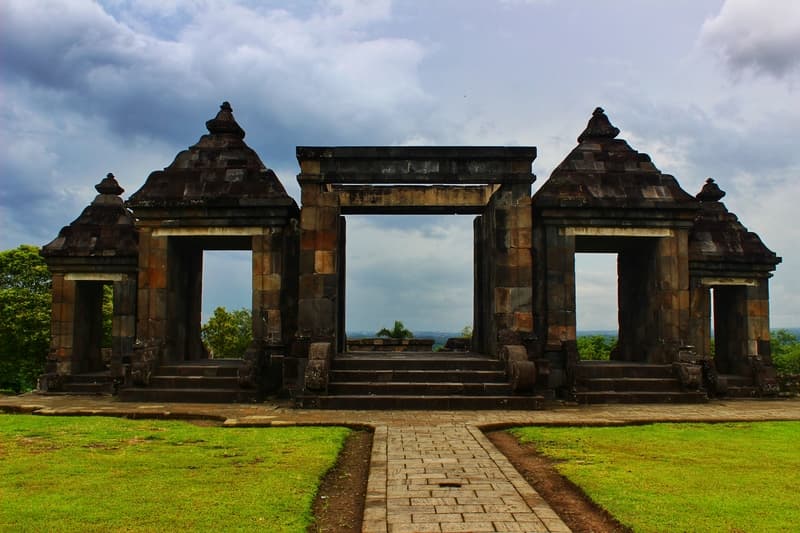
GERBANG MERAPI MOUNTAIN VIEW
GERBANG MERAPI MOUNTAIN VIEW
Kali Adem, Kepuharjo, Kec. Cangkringan, Yogyakarta, Daerah Istimewa Yogyakarta 55583, IndonesiaOverview
Gerbang Merapi Mountain View sits on the northern slopes of Mount Merapi, roughly 25 kilometers from central Yogyakarta. This observation point offers unobstructed views of the volcano and the sprawling landscape beyond. The site consists of a simple entrance gate, viewing platforms, and a handful of small warung stalls selling drinks and snacks. Most visitors come here to photograph the mountain, watch sunrise, or simply stand at elevation and take in the scale of the region's most dominant geographical feature.
The spot appeals to photographers, hikers, and travelers who want to get close to Merapi without committing to a full volcano trek. You don't need special permits or guides to visit the viewing area itself. The drive up takes roughly 45 minutes to an hour from the city center, depending on traffic and which route you take.
Why this place matters
Mount Merapi is one of Indonesia's most active volcanoes. It shaped the landscape and the culture of Yogyakarta for centuries. Gerbang Merapi offers one of the easiest ways to observe the mountain and understand its presence in daily life here. The vantage point sits at a height where you can see volcanic formations, ash deposits, and the terrain reshaped by past eruptions. For anyone interested in geology, volcanology, or the relationship between communities and natural hazards, the site provides immediate, tangible context.
Quick facts
- Elevation: approximately 1,050 meters above sea level
- Distance from Yogyakarta city center: roughly 25 kilometers
- Drive time: 45 minutes to 1 hour depending on route and traffic
- Entry: free; no tickets required
- Best viewing conditions: early morning, before cloud cover builds
- Facilities: basic warung stalls, no formal restaurants or accommodation
Getting there
From Yogyakarta's city center, head north toward Cangkringan subdistrict. The most direct route follows Jalan Kaliurang, the main road that climbs toward the volcano. You'll pass through Kaliurang village and continue uphill. Signs pointing to Gerbang Merapi appear as you approach the area, though they can be easy to miss if you're unfamiliar with the route. If you're using GPS or a map app, search for Kali Adem or the coordinates directly.
Renting a motorbike or scooter is popular with independent travelers. The road is paved but winding, with steep sections, so confident riders fare better. If you prefer not to drive, hiring a driver through your accommodation or a ride-sharing app gives you flexibility and removes navigation stress. Some hotels in Yogyakarta arrange half-day trips here as part of broader Merapi-focused tours. Going solo by car is feasible if you have an international driving permit and are comfortable navigating narrow uphill roads.
Parking is available near the entrance gate. The lot is small and unpaved, but it rarely fills completely except on Indonesian public holidays or weekends during peak season.
The layout and experience
The site is straightforward. You arrive at a gate with a simple entrance structure. Beyond that, a paved path leads to an open viewing platform. The platform offers a clear, unobstructed sight line toward Mount Merapi's peak and crater. On clear days, the view extends across the surrounding foothills and agricultural land. On cloudy days, which are common, the summit disappears into mist, though the lower slopes remain visible.
A few small warung occupy the edges of the viewing area. They sell bottled water, soft drinks, instant noodles, and light snacks. Prices are modest. There's no formal restaurant, so bring food if you plan to spend more than an hour here. Shade is limited. The platform and surrounding ground are exposed, so sun protection matters, especially at midday.
The atmosphere is relaxed and low-key. You'll encounter other visitors, particularly in morning hours and on weekends, but it never feels crowded. Local families sometimes bring children here for a short outing. The overall experience is contemplative rather than action-packed. Most people stay between 20 minutes and two hours.
Main highlights
The primary draw is the view of Mount Merapi itself. From this vantage, you can see the volcano's conical shape, the dark ash-covered slopes, and the vegetation patterns that change with elevation. The scale becomes apparent in a way that photographs alone don't convey. On exceptionally clear mornings, the crater rim is visible.
The surrounding landscape tells a secondary story. You can observe how agriculture patterns the terrain around the volcano's base. Rice paddies, vegetable gardens, and small settlements nest in the valleys. This juxtaposition of cultivation and volcanic risk underscores how Yogyakarta's communities coexist with an active geological force.
Sunrise visits offer a particular reward. The light changes rapidly, and if clouds are minimal, the mountain silhouette shifts from dark to golden. Many photographers arrive before dawn to secure a good spot and wait for sunrise. The experience feels different at different times of day, so if you have flexibility, visiting more than once reveals new details.
History and background
Mount Merapi has erupted dozens of times in recorded history. Major eruptions occurred in 1930, 1961, 2006, and 2010, each reshaping the landscape and affecting communities across the region. The 2010 eruption was particularly significant, causing tens of thousands of people to evacuate. Since then, monitoring stations and early-warning systems have expanded, and communities have developed evacuation protocols.
Gerbang Merapi as a formal viewing site emerged as tourism infrastructure developed in the 2010s. The name means "Merapi Gate," reflecting its role as an accessible entry point to understanding the volcano. It's not an ancient or historically protected site, but rather a practical response to visitor demand for safe, easy volcano viewing. The simplicity of the installation reflects its pragmatic purpose.
Best time to visit
Early morning, between 6 and 8 AM, offers the clearest views. By late morning, thermal currents usually push clouds upward, obscuring the summit. Afternoon visibility tends to be poorer. If you're there for sunrise, arrive at least 30 minutes before sunrise to claim a spot on the platform and adjust your camera settings.
The dry season, roughly May through September, provides more consistently clear days. However, Yogyakarta's climate is tropical, and clouds can arrive without warning at any time of year. Even during the dry season, morning mist is common; it usually clears within an hour of sunrise.
Weekday mornings are quieter than weekend mornings. If you prefer solitude or easier photography without other visitors in your frame, a weekday visit suits you better. Public holidays in Indonesia draw larger crowds.
Photography tips
Bring a wide-angle lens to capture the full scope of the mountain and surrounding landscape. A telephoto lens lets you isolate the summit and crater details. The platform offers multiple angles, so experiment with different positions and focal lengths.
Light quality changes dramatically with time of day. The golden hour just after sunrise and before sunset produces warm, directional light that emphasizes texture on the volcano's slopes. Midday light is harsh and flat, making the mountain appear less dimensional.
If you're photographing sunrise, bring a tripod and a headlamp. The predawn darkness makes framing difficult without a tripod. A neutral density filter or graduated filter helps balance the bright sky with darker foreground. Clouds are part of the composition here, not always something to avoid. Moody, partially obscured views of Merapi can be more atmospheric than perfectly clear ones.
Facilities and preparation
The site has no formal facilities. There are no restrooms, no water fountains, and no medical services. The nearest proper amenities are in Cangkringan village, a few kilometers downslope. If you need a restroom, use one before you arrive. The warung stalls sell bottled water, but bring extra if you're sensitive to dehydration or planning a longer stay.
Sun exposure is significant. Bring sunscreen, a hat, and sunglasses. The elevation is high enough that the sun feels stronger than it does in the city. If you're visiting in the early morning, bring a light jacket. Temperature drops noticeably at 1,000+ meters elevation, and morning air can feel cool even during warm months.
Wear comfortable shoes with good grip. The path is paved, but the platform and surrounding ground can be uneven. If you plan to explore beyond the main viewing area, sturdy footwear helps. The area is safe for casual visitors, but it's not a developed hiking trail, so stick to marked paths.
Combining with nearby attractions
Several other Merapi-related sites lie within 30 to 45 minutes of Gerbang Merapi. The Merapi Museum, located in Cangkringan village itself, documents the 2010 eruption and volcanic hazards through exhibits and survivor accounts. It provides valuable context if you visit the museum before or after the viewing point.
Lava trails and volcanic stone formations scattered across the Merapi region appeal to hikers. Some trails depart from nearby villages and ascend higher up the mountain's slopes. These require more time and physical effort than a visit to Gerbang Merapi but offer closer engagement with the volcanic landscape.
Kaliurang, the village at the base of the mountain, has small warungs, a market, and a rural character distinct from central Yogyakarta. Combining a visit here with a morning at Gerbang Merapi and lunch in the village creates a half-day excursion.
Sample visit plan
Depart your accommodation in central Yogyakarta by 5:15 AM. Drive north on Jalan Kaliurang toward Cangkringan. Arrive at Gerbang Merapi by 6:00 AM, giving yourself 30 minutes before sunrise to settle in and frame shots. Spend sunrise and the following hour photographing or observing as cloud conditions allow. By 8:00 AM, clouds usually thicken, so this is a natural point to leave. Return downslope and stop in Cangkringan village for breakfast or a visit to the Merapi Museum if it interests you. By noon, you're back in central Yogyakarta with the rest of your day ahead.
If you're not interested in sunrise, a late afternoon visit (around 3 or 4 PM) is quieter, though visibility is typically poorer than morning. Sunset light is warm, and fewer tourists are present. The trade-off is less clear viewing of the mountain itself.
Practical tips
- Arrive early or be prepared for clouds. Most clear views happen in the first two hours after sunrise.
- Bring more water than you think you'll need. The elevation and sun exposure dehydrate quickly.
- If driving yourself, fill your fuel tank in Yogyakarta. Gas stations are sparse on the mountain roads.
- Check weather forecasts before leaving. Heavy rain or very low cloud cover makes the trip less rewarding.
- Respect the warung owners. They sell drinks at fair prices; buying something supports local people.
- The road up is steep and winding. If you're renting a scooter, test your comfort level on slopes before committing to a solo ride.
- Cell phone service can be weak at the highest points. Download offline maps before you go.
FAQ
Is Gerbang Merapi safe to visit? Yes. The viewing area is at a safe distance from the crater and active volcanic hazard zones. Monitoring systems alert authorities if volcanic activity intensifies. The site is open to tourists and considered safe for casual visitors.
Do I need a guide to visit? No. The site is free and open without restrictions. You can visit independently. If you want detailed geological or historical information, hiring a local guide enriches the experience, but it's not required.
What should I do if the summit is completely obscured by clouds? The lower slopes and surrounding landscape remain visible even when clouds hide the summit. The drive is still worthwhile for the elevation change and the sense of proximity to the volcano. Return another morning if you're in Yogyakarta for multiple days.
Can I hike from Gerbang Merapi up the mountain? The viewing area itself is not a trailhead for serious hiking. Trails exist elsewhere on Merapi's slopes, but they're accessed from different starting points. If you're interested in volcano trekking, inquire at your accommodation about organized hikes or guides.
Is there food and water available? Small warung stalls sell drinks and light snacks. Water is available but limited. Bring your own food if you plan to spend more than an hour, or eat before arriving.
Opening hours
Reviews
Sign in and mark this place visited to leave a review.
No reviews yet.
Free Trip Planner
Plan your Yogyakarta trip with our free planner
Build a day-by-day itinerary with AI suggestions, hand-picked places, and friends. Free forever — no credit card.
Things to see near GERBANG MERAPI MOUNTAIN VIEW

Castelo de Água do Sultanato de Yogyakarta

Water Castle of Royal Jogjakarta

Lukman Batik Workshop

Beringharjo Traditional Market
Places to eat or drink near GERBANG MERAPI MOUNTAIN VIEW
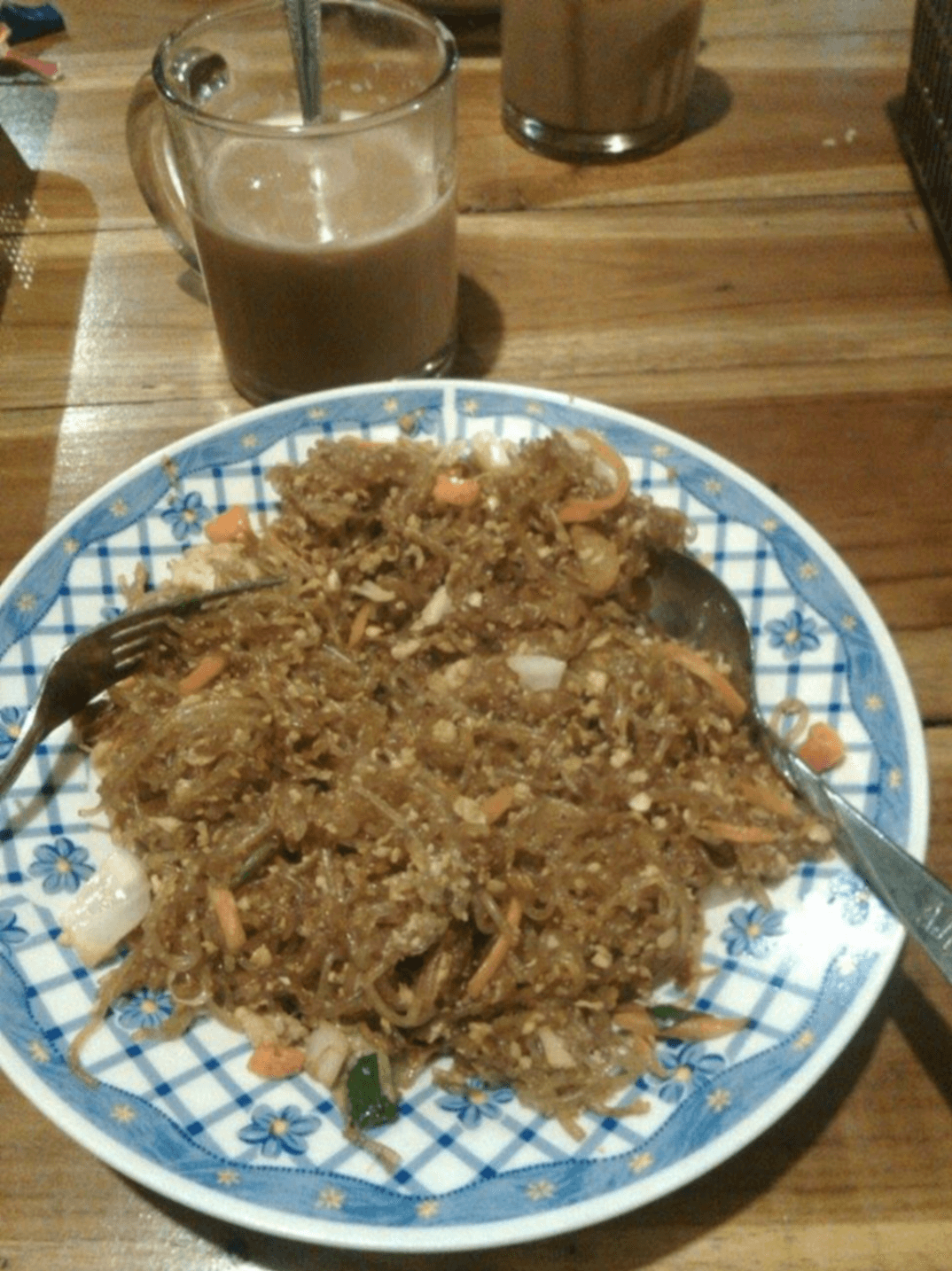
MIE LETHEK GARUDA Noodle Factory

Sate Klathak Mak Adi

Mie Ayam Ibu Tumini Sari Rasa Jati Ayu

Kotagede Traditional Market
More places in Yogyakarta
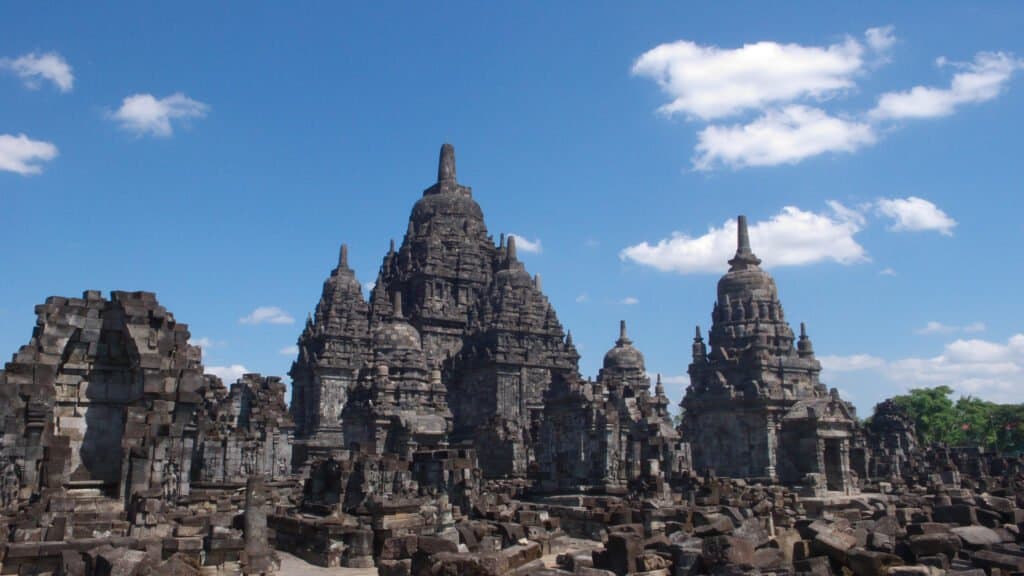
Sewu Temple

Lumbung Temple
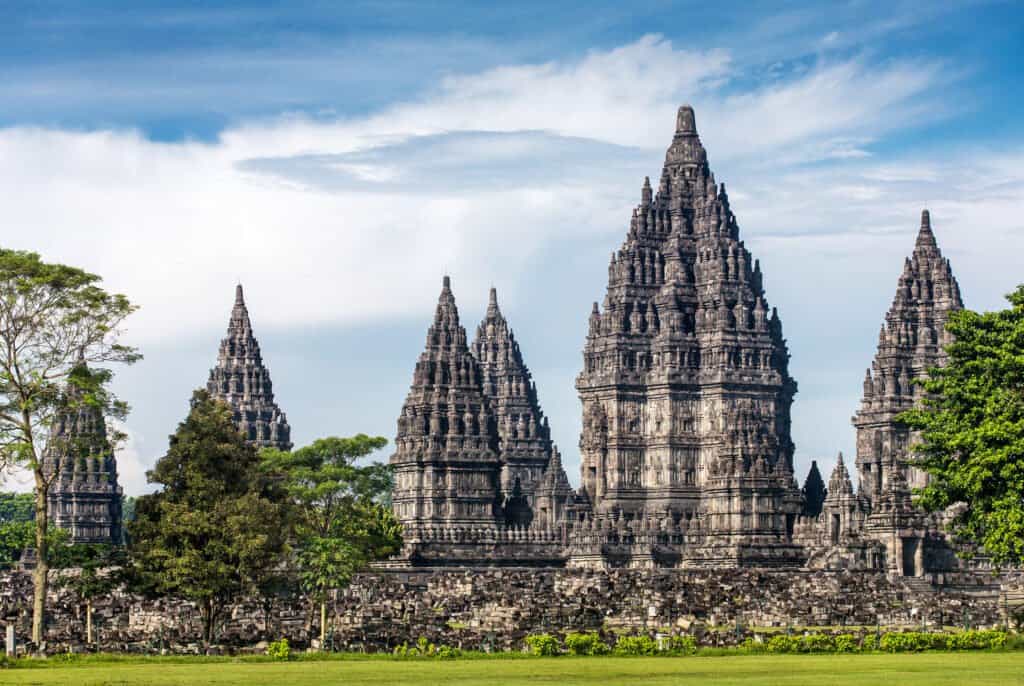
Prambanan Temple