Anima Andre Heller Garden
Open now
Anima Andre Heller Garden
Route d'Ourika, Km 28 Douar Sbiti, Marrakech 40000 Morocco Posted by Brandon B.Admin
Inside Anima Andre Heller Garden, Marrakech's Most Surprising Green Space
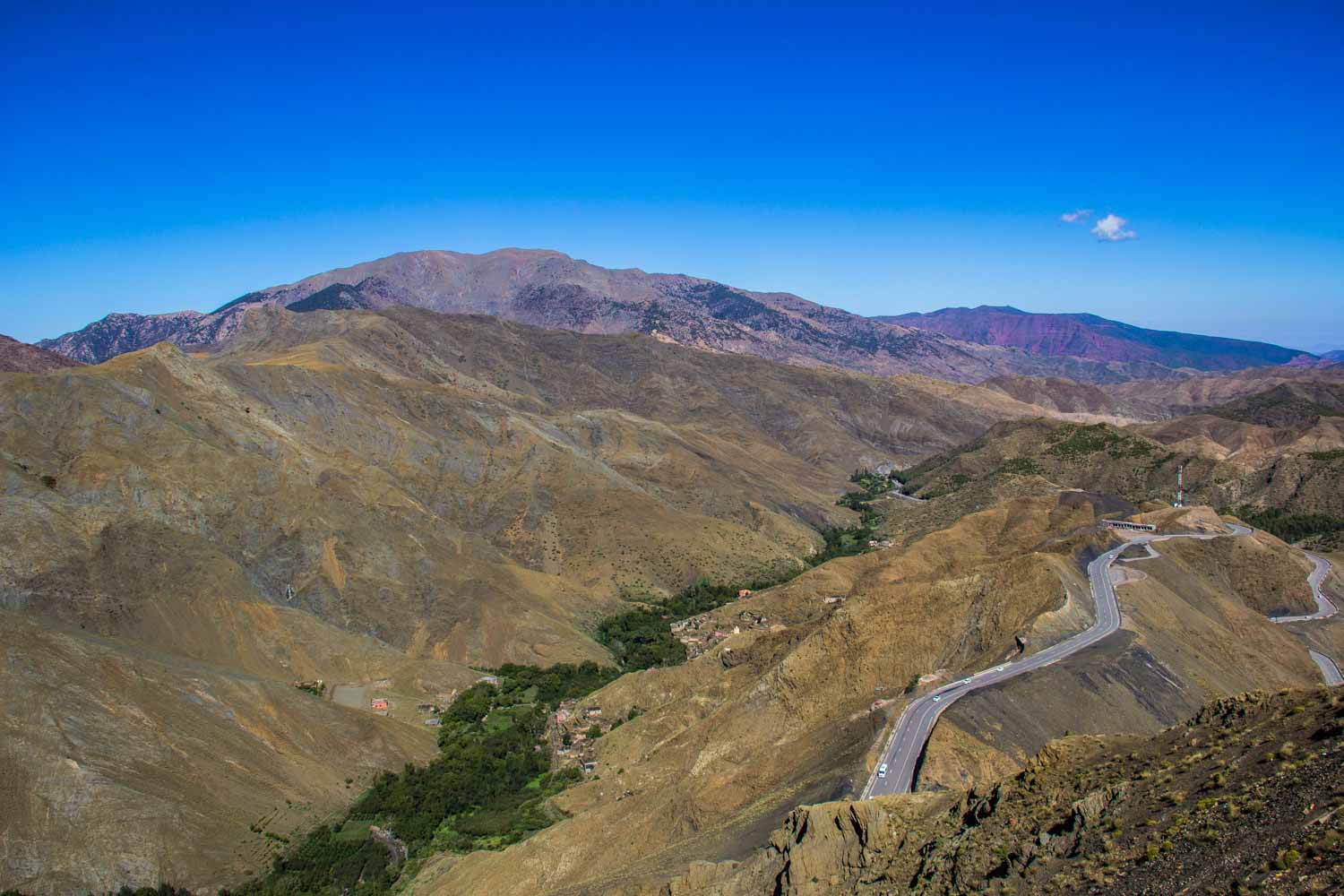
About 28 kilometers south of Marrakech along the Route d'Ourika, the Anima Andre Heller Garden sits quietly against the backdrop of the Atlas Mountains. Most visitors come expecting a pleasant garden. What they find is something stranger and more affecting than that. Austrian artist Andre Heller created Anima as an open-air artwork, layering tropical plants, monumental sculptures, mosaic pathways, and water features into something that resists easy categorization. It is part botanical garden, part museum, part dreamscape.
If you have already done the Majorelle Garden in Marrakech and want something that pushes further into the surreal, this is the place.
Why Anima Andre Heller Garden Matters
Andre Heller is not a landscape architect in the conventional sense. He is a Viennese artist and showman who has spent decades making large-scale public installations across Europe and beyond. Anima, which opened in 2016, is his most ambitious permanent project. The garden pulls together works by international artists alongside Heller's own pieces, all set within a curated plant collection that ranges from towering bamboo groves to delicate succulents.
What makes it genuinely unusual for Morocco is the scale of ambition. The Majorelle Garden gets most of the attention, but Anima operates on a different register entirely. It is less manicured, more theatrical, and deliberately disorienting in the best possible way.
Quick Facts
- Location: Route d'Ourika, Km 28, about 28 kilometers south of Marrakech city center
- Opened: 2016, created by Austrian artist Andre Heller
- Travel time from Marrakech: roughly 40 to 50 minutes by car depending on traffic
- Type of experience: ticketed, self-guided walking garden
- Language: signage tends to be multilingual
- Accessibility: some areas involve uneven paths and steps
Getting There
Anima is not reachable by the city's standard petits taxis. Your practical options from Marrakech are a hired car or driver, a grand taxi negotiated for the round trip, or renting a car yourself. The Route d'Ourika heads southeast out of the city through the Haouz plain, and the garden is well signposted at the Km 28 mark near the village of Douar Sbiti.
Many visitors combine Anima with a longer drive up the Ourika Valley, which continues into the Atlas foothills and is worth the trip on its own. If you are booking a driver for the day, the pairing makes obvious sense. Allow at least half a day for the combined excursion, more if you want to stop at a valley restaurant for lunch.
Parking is available on site.
The Layout and Experience
The garden unfolds across a series of outdoor rooms connected by winding paths. There is no single correct route. You move through it at your own pace, turning corners to find a giant ceramic face half-buried in a flower bed, or a mirrored installation catching the light between banana palms, or a shaded pool surrounded by tree ferns. The design keeps revealing new things the longer you stay.
Sound is part of the experience too. Music drifts through certain sections, sometimes ambient, sometimes unexpected. Heller has always been interested in the emotional effect of sound on space, and you feel that here.
The planting itself is serious. Heller brought in species from across the tropics and subtropics, and the combination of the Atlas foothills climate and careful irrigation has produced an unusually lush environment for this part of Morocco. In spring the garden is particularly dense and fragrant.
Main Highlights
The sculptural program is the main reason to come, and a few pieces stand out. Heller has incorporated large-scale ceramic works, some of them figurative, others more abstract, that sit within the planting as if they grew there. The mosaic work throughout the garden, on walls, paths, and water features, draws on both Moroccan tile traditions and a more European decorative sensibility, and the combination is genuinely striking rather than awkward.
The water features thread through the whole garden. Channels, pools, and small fountains keep the air cooler than the surrounding countryside, and the sound of moving water gives the place a calm that contrasts with the visual intensity of the sculptures.
A cafe or refreshment area on site means you can sit and recover before heading back out. The shaded seating areas are well placed for people who need a break from walking.
Best Time to Visit
Spring, roughly March through May, is when the garden looks its best. The temperatures are manageable, the planting is at peak growth, and the light in the Atlas foothills is particularly good in the morning hours. Autumn is also pleasant.
Summer visits are possible but the heat on the Route d'Ourika can be intense by midday. If you go in July or August, arrive early. The garden offers shade in many sections, but the walk from the car park and some of the more open areas will be uncomfortable in the middle of the afternoon.
Weekday mornings tend to be quieter than weekend afternoons, when day-trippers from Marrakech arrive in larger numbers.
Photography Tips
Anima is one of the most photogenic sites near Marrakech, and for reasons that differ from the usual Moroccan subjects. The interplay between organic planting and hard-edged sculpture gives you constantly interesting compositions. Wide shots through bamboo corridors work well, as do close-ups of the mosaic and ceramic detail work.
The light is best in the first two hours after opening, before it gets harsh and flat. If you are shooting in summer, the golden hour before closing is worth planning for. Bring a polarizing filter if you shoot on a DSLR or mirrorless camera. The water surfaces and glaze on the ceramics catch a lot of glare.
The garden rewards slow movement. Rushing through for Instagram shots means missing the quieter corners where some of the most interesting pieces sit.
Combining With Nearby Attractions
The Ourika Valley continues beyond the garden and is worth exploring if you have a full day. The valley narrows as it climbs into the High Atlas, and there are Berber villages, small waterfalls, and valley-floor restaurants serving tagines and grilled meats overlooking the river. The village of Setti Fatma, about 67 kilometers from Marrakech, is the usual endpoint for day trips.
On the way back toward the city you pass through the flat agricultural land of the Haouz plain. A stop at one of the roadside argan oil cooperatives is easy to arrange and takes about 20 minutes if you are interested in seeing how the oil is processed.
Practical Tips
- Wear comfortable shoes. The paths are beautiful but uneven in places, and the garden is larger than it looks on a map.
- Bring water. The cafe is there if you need it, but having your own bottle for the walk is sensible, especially in warmer months.
- Allow at least 90 minutes inside the garden. Two hours is better if you want to sit and take things in rather than just walk through.
- Check opening days before you go. Hours and seasonal closures can change, and the drive from Marrakech makes it worth confirming in advance.
- The garden is not heavily crowded compared to the Majorelle, but weekends in spring can get busy around midday.
- There is no dress code, but light, breathable clothing makes the visit more comfortable in warm weather.
- Photography is generally permitted throughout the garden for personal use.
FAQ
Is Anima suitable for children?
Most children find the sculptural elements genuinely engaging rather than tedious. The large ceramic figures and fantastical atmosphere tend to hold their attention. The uneven terrain is manageable for kids who are steady on their feet, though strollers would struggle in some sections.
How does Anima compare to the Majorelle Garden?
The Majorelle is more polished and more famous, and the Yves Saint Laurent connection draws enormous crowds. Anima is less manicured and more overtly artistic in intent. It is also much quieter. If you have time for both, they complement each other well rather than overlapping.
Do I need to book in advance?
Walk-in entry is generally possible, but checking the garden's official website before your visit is worth doing to confirm hours and any seasonal closures, particularly given the drive involved.
Is there somewhere to eat at the garden?
There is a cafe on site for drinks and light refreshments. For a full meal, the Ourika Valley restaurants a few kilometers further along the route are a popular option and worth the small detour.
Opening hours
Reviews
Sign in and mark this place visited to leave a review.
No reviews yet.
Free Trip Planner
Plan your Marrakesh trip with our free planner
Build a day-by-day itinerary with AI suggestions, hand-picked places, and friends. Free forever — no credit card.