Medina of Tangier
Tangier Morocco Posted by Brandon B.Admin
Stepping into the Medina of Tangier
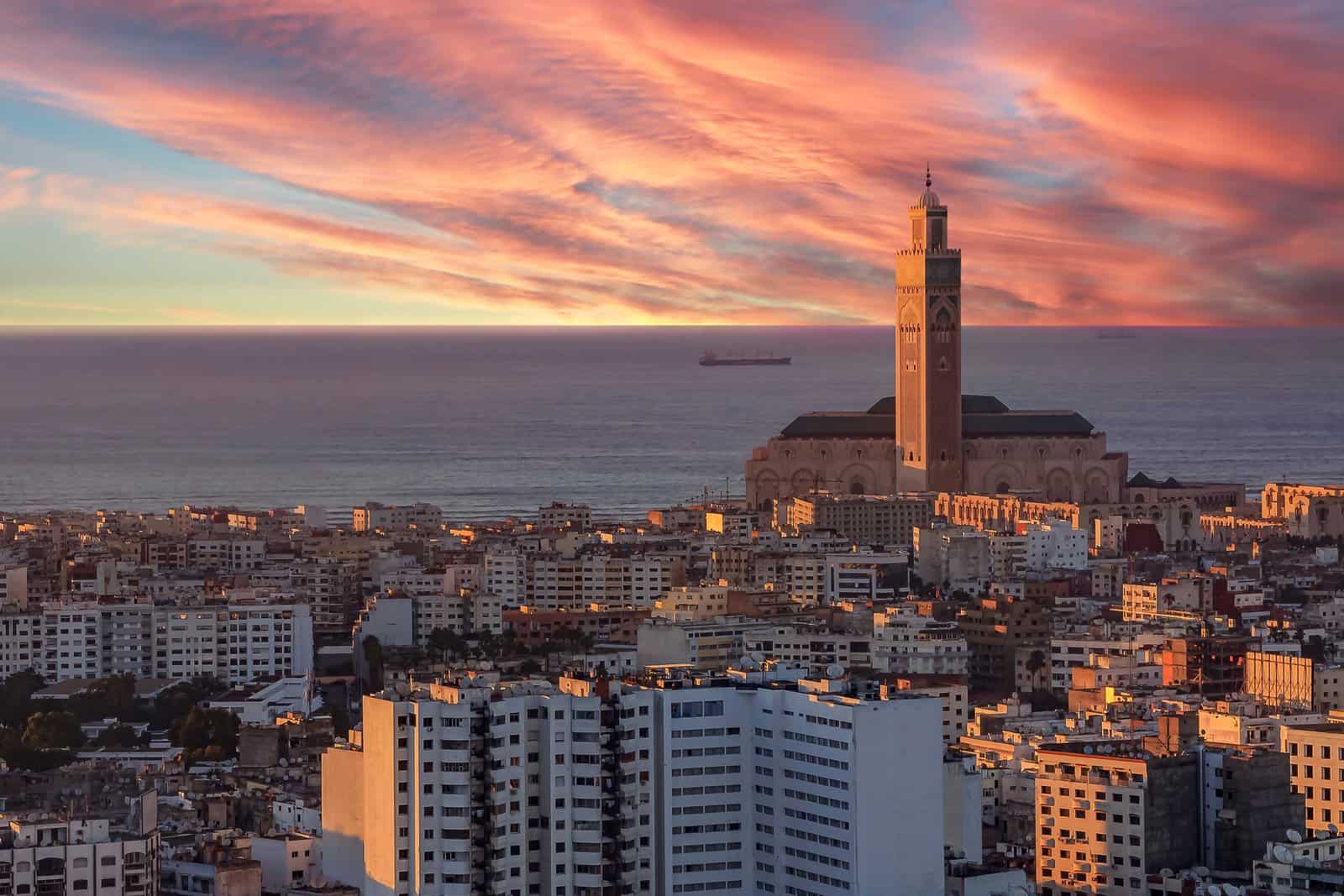
The Medina of Tangier sits at the northern tip of Morocco, where the Atlantic meets the Mediterranean and Africa faces Europe across a strip of water just 14 kilometers wide. That geography has shaped everything here. For centuries, Tangier collected traders, diplomats, spies, writers, and refugees, and the medina absorbed all of them. What you walk through today is the physical record of that accumulation, a tangle of whitewashed lanes, Andalusian courtyards, and Ottoman-influenced doorways stacked up a hillside above the port.
Unlike the medinas of Fez or Marrakech, Tangier's old city has a particular edge to it. It's scruffier in places, more cosmopolitan in its bones, and considerably easier to navigate on foot. If you've been intimidated by the labyrinthine scale of other Moroccan medinas, this one is a reasonable place to start.
Why the Medina of Tangier Matters
Tangier spent most of the 20th century as an International Zone, governed jointly by multiple foreign powers between 1923 and 1956. That arrangement attracted a genuinely strange cast of characters. Paul Bowles lived here for decades. William S. Burroughs wrote parts of Naked Lunch in a room off the Petit Socco. Tennessee Williams passed through. The Beat writers, European exiles, and American diplomats all left traces, and the medina was the stage for most of it.
That literary and political history is woven into the physical fabric. The Petit Socco, a small square near the center of the medina, was the social hub of the International Zone era. Sitting at one of its cafes feels less like tourism and more like occupying the same chair that half a century of restless expatriates once sat in, nursing mint tea and watching the lanes fill up.
Quick Facts
- Location: Upper and lower medina, centered on the Petit Socco and the Kasbah hill, Tangier, Morocco
- Entry: Free to walk through. The Kasbah Museum charges a small admission fee.
- Best access point: Bab Fahs (Grand Socco side) for the main medina, or Bab el-Assa for the Kasbah
- Walking time from the port: Roughly 10 to 15 minutes on foot
- Language: Darija (Moroccan Arabic) and French are most useful; Spanish is understood by many older residents
- Currency: Moroccan Dirham. Most small shops and food stalls are cash only.
- Neighborhoods within: The lower medina, the Petit Socco area, and the Kasbah at the top
Getting There
If you arrive by ferry at the Tangier Med port, note that this terminal is actually about 40 kilometers east of the city. Shared taxis and buses connect it to the city center. The older Tangier Ville port, used by some ferry routes, is much closer and puts you within a short walk of the medina's lower entrance.
From the city's main train station, Tanger Ville, the Grand Socco is about a 20-minute walk uphill or a short petit taxi ride. The Grand Socco itself, officially Place du 9 Avril 1947, is the natural gateway. From there, Bab Fahs opens directly into the medina's main artery.
The Layout and Experience
The medina climbs. That's the first thing to understand. The lower section near the Petit Socco is denser, louder, and more commercial, with spice sellers, small grocery stalls, and the kind of phone repair shops that seem to exist in every medina on earth. The lanes narrow as you move uphill toward the Kasbah, the old fortified district that sits at the very top.
The Kasbah is worth the climb on its own terms. The Kasbah Museum, housed in a former sultan's palace, contains Roman artifacts from the nearby ruins at Volubilis, traditional Moroccan decorative arts, and rooms arranged around a central courtyard with a tiled fountain. The building itself, dating to the 17th century, is arguably more compelling than some of the objects inside it.
From the Kasbah walls and the terrace of the Café Detroit (a place with its own Beat-era mythology), you can see across the strait to the Spanish coast on a clear day. That view alone justifies the walk up.
Main Highlights
The Petit Socco
A small, slightly faded square surrounded by old cafes and hotels with peeling paint. It looks like a film set from a 1950s espionage thriller, which is essentially what it was. Sit down, order tea, and stay for at least 30 minutes. The people-watching is exceptional.
The Kasbah and its Museum
The Kasbah district has a quieter, more residential feel than the lower medina. Its lanes are cleaner and less trafficked. The museum charges a modest entry fee and keeps standard Moroccan cultural site hours, typically closing for a midday break. Check current hours before you go, as they shift seasonally.
The American Legation
Just inside the medina walls, the American Legation Museum occupies a building that became, in 1821, the first American public property outside the United States. Morocco was the first country to recognize American independence in 1777, and the legation is a physical marker of that relationship. The museum is free to enter and contains paintings, maps, and correspondence related to both Moroccan-American diplomatic history and the city's literary period. It's often overlooked by visitors who head straight for the Kasbah.
Rue des Siaghines
The main commercial artery of the lower medina, lined with jewelry shops, fabric sellers, and the kind of persistent vendors who will tell you their cousin lives in your hometown. Walk it once to get your bearings, then take the smaller lanes off to either side to find the quieter residential Tangier that most visitors miss.
Best Time to Visit
Spring and early autumn are the most comfortable seasons. Tangier sits far enough north that summer, while warm, rarely reaches the extremes of Marrakech or the Saharan south. That said, July and August bring more tourists and more heat than the city's narrow lanes were designed to handle.
Morning is the best time to be in the medina. Before noon, the light is good for photography, the temperature is lower, and the lanes have a working-city quality that disappears once the tourist rush picks up. Friday midday sees many shops close for prayers, which can affect your shopping plans but gives the medina a noticeably different, quieter atmosphere worth experiencing.
Photography Tips
The Kasbah walls offer the best elevated view of the medina rooftops and the strait beyond. Arrive early for soft light and fewer people in frame. The Petit Socco is best shot in the late afternoon when the light drops into the square from the west.
Always ask before photographing people. Most residents are accustomed to visitors with cameras, but it's basic courtesy, and a quick gesture of asking tends to result in either a warm yes or a clear no, both of which you should respect.
Combining with Nearby Attractions
The Grand Socco, just outside Bab Fahs, connects the medina to the Ville Nouvelle (new city) and is close to the Mendoubia Gardens, a public park with an enormous old dragon tree that locals claim is several hundred years old. From the Grand Socco you can also reach the Church of Saint Andrew, an Anglican church built in Moorish style in the early 20th century, where the Lord's Prayer is inscribed in Arabic above the chancel arch.
The Cape Spartel lighthouse, at the exact point where the Atlantic meets the Mediterranean, is about 14 kilometers west of the city center and makes a logical half-day addition. The caves of Hercules, a short distance from the cape, are popular but can feel crowded in summer.
Practical Tips
- Wear shoes you can walk in for an hour or more. The lanes are uneven and often steep.
- Carry small bills and coins. Many food stalls and small shops can't break large notes.
- If someone offers to guide you for free, understand that a commission stop at a carpet shop is usually part of the arrangement. Decide in advance whether you're comfortable with that.
- The medina is generally safe, but like any dense urban area, keep phones and cameras close in crowded sections.
- Harassment has decreased significantly in recent years, but solo female travelers may still encounter persistent attention in some parts of the lower medina. Moving with purpose and making eye contact briefly but confidently tends to help.
- The American Legation Museum is typically closed on weekends. Confirm hours before visiting.
- Water and snacks are available throughout the medina, but the quality of food improves as you move away from the main tourist lanes.
FAQ
Do I need a guide to visit the Medina of Tangier?
No. Tangier's medina is one of the more navigable in Morocco, and getting a little lost is part of the experience. That said, a licensed guide hired through your hotel or the official tourism office can add genuine historical context, particularly for the Kasbah and the International Zone period.
How long should I allow for a visit?
A focused half-day covers the main areas comfortably. A full day allows you to take your time, sit in the Petit Socco, visit the American Legation, and climb to the Kasbah without feeling rushed.
Is the medina very different from Fez or Marrakech?
Yes, noticeably. It's smaller, less overtly touristy, and carries a different cultural mix due to Tangier's history as an international city. The architecture reflects Spanish, Portuguese, and French influences alongside the traditional Moroccan elements you'd expect.
Are credit cards accepted in the medina?
Rarely, in the medina itself. Larger hotels and restaurants in the Ville Nouvelle accept cards, but inside the old city, cash is almost always required.
Reviews
Sign in and mark this place visited to leave a review.
No reviews yet.
Free Trip Planner
Plan your Morocco trip with our free planner
Build a day-by-day itinerary with AI suggestions, hand-picked places, and friends. Free forever — no credit card.