
Arashiyama
Ukyo-ku, Kyoto 616-0007 Kyoto Prefecture Posted by Brandon B.Admin
What Makes Arashiyama Worth the Trip
Arashiyama sits at the western edge of Kyoto, where the city quietly gives way to forested mountains and the wide, green curve of the Oi River. This is one of those places that earns its reputation honestly. The bamboo grove, the riverside temples, the rental boats drifting under Togetsu-kyo Bridge on a still morning — it all holds up, even with the crowds.
Most visitors arrive expecting a quick photo stop and leave having spent half a day. That's the nature of Arashiyama. One path leads to another, one temple gate opens onto a garden, and before long you've walked several kilometers without really meaning to.
Why Arashiyama Matters
Arashiyama has been considered a place of exceptional beauty since the Heian period, roughly from the 8th century onward, when the imperial court used the area as a retreat. The cherry blossoms in spring and the maple foliage in autumn were celebrated in classical Japanese poetry long before the first tour bus arrived. That history isn't just background — it's baked into the landscape itself, which was deliberately shaped over centuries to be looked at and appreciated.
The area holds several of Kyoto's most important cultural sites within a walkable radius. Tenryu-ji, a Zen temple founded in 1339, is a UNESCO World Heritage site. The Sagano Bamboo Forest behind it is arguably the most photographed landscape in all of Japan. Closer to the river, the Iwatayama Monkey Park offers a different kind of encounter entirely — about 120 wild Japanese macaques roam freely on the hillside above the Oi River.
It also sits at the northern end of the Hozugawa River, where traditional wooden boats have ferried passengers through the gorge for centuries. The boat ride from Kameoka downstream to Arashiyama takes roughly two hours and passes scenery that changes dramatically with the season.
Quick Facts
- Location: Ukyo-ku, western Kyoto, about 30 minutes from Kyoto Station by train
- Main train access: Randen Arashiyama Station or JR Saga-Arashiyama Station
- Togetsu-kyo Bridge: the landmark wooden-style bridge over the Oi River, a central meeting point
- Tenryu-ji: UNESCO World Heritage site, founded 1339, requires a separate entry fee
- Bamboo Grove: free to walk through, most atmospheric in early morning
- Iwatayama Monkey Park: paid entry, involves a 20-minute uphill walk
- Best seasons: late March to early April (cherry blossoms), mid-November (autumn maples)
- Crowds: heaviest on weekends and during peak foliage seasons
Getting There
From central Kyoto, you have a few options. The JR Sagano Line runs from Kyoto Station to Saga-Arashiyama Station in about 15 minutes, which puts you closest to the bamboo grove entrance. The Hankyu Arashiyama Line connects from Katsura, which links to the main Hankyu Kyoto Line from Kawaramachi or Kyoto-Kawaramachi Station. The Randen (Keifuku) tram line, a charming narrow-gauge tram that locals actually use for daily commuting, terminates at Arashiyama Station near Togetsu-kyo Bridge and takes about 20 minutes from Shijo-Omiya.
Cycling from central Kyoto is popular and takes roughly 45 to 60 minutes depending on your starting point and route. The path along the Katsura River is mostly flat and well-marked. Several rental shops near Kyoto Station and around the Arashiyama area offer bikes by the hour or the day.
Buses also serve the area, though they tend to run slower and get caught in traffic during peak tourist periods. If you're coming from Gion or the eastern side of Kyoto, the bus can be a reasonable option.
The Layout and Experience
Arashiyama is not a single attraction — it's a district, and understanding the rough geography saves a lot of backtracking. Togetsu-kyo Bridge is the visual and practical center. The main shopping and food street, Nakanoshima-cho and the lanes around it, runs along the south bank of the river and fills up with souvenir shops, matcha cafes, and tofu restaurants.
North of the bridge, the ground rises toward Tenryu-ji and the bamboo grove. Once you pass through the temple grounds or take the main road north, the bamboo path runs for several hundred meters, eventually connecting to Jojakko-ji, Nison-in, and a string of quieter temples tucked into the hillside. This northern stretch is where the crowds thin out noticeably.
The Monkey Park is accessed from the south side of the bridge. The climb is short but steep, and the views from the top over the Oi River valley are genuinely good even if you have no interest in macaques.
Main Highlights
The Sagano Bamboo Forest
The bamboo grove is the image that sells Arashiyama to the world, and it delivers. The stalks grow dense enough to block out the sky and create a sound all their own when the wind moves through. The main path is short — you can walk end to end in about 10 minutes — so most people loop back or continue into the temple district beyond it.
Arrive before 8am if you want any real quiet. By mid-morning on a clear day in autumn or spring, the path can feel like a slow-moving queue.
Tenryu-ji and Its Garden
The temple complex was designed by the landscape garden master Muso Soseki, and the garden behind the main hall has been maintained in essentially the same form since the 14th century. The pond reflects the borrowed scenery of Arashiyama's hills behind it in a way that photographs can't quite capture. Entry to the garden is separate from the main temple buildings, and the garden alone is worth it.
Togetsu-kyo Bridge
The current bridge dates to the 1930s and uses concrete for its structure, though the railing is built in traditional wooden style. It's about 155 meters long and looks best from the riverbank at either end, especially in autumn when the maple-covered hills rise behind it. Crossing it on foot is free.
Hozugawa River Boat Ride
The traditional wooden boat ride begins in Kameoka and ends at the Arashiyama boat dock after roughly two hours on the river. The trip passes through narrow gorge sections and open stretches, and the boatmen navigate with long poles in the shallow parts. It's ticketed and runs most days depending on water levels — worth checking ahead if the boat ride is a priority for your trip.
Best Time to Visit
Arashiyama is worth visiting year-round, but the peak moments are well-known for good reason. Late March to early April brings cherry blossoms along the river and throughout the temple grounds. Mid-November brings the most intense autumn color, particularly on the hillsides visible from the bridge. Both periods are crowded and some accommodations in the area book out months ahead.
Summer is humid but green and lush, and the river is at its most active with boat traffic. Winter mornings, especially after a light snowfall, are when the area looks genuinely otherworldly — and the crowds are thinnest.
Photography Tips
The bamboo grove faces north-south, so morning light from the east hits one side of the path directly. Most photographers prefer the soft, diffused light of overcast days, which eliminates the harsh shadows between stalks. Early morning visits also mean fewer people to wait out between shots.
For the bridge, the best angles are from the north bank looking south, or from the small gravel beach areas near the water's edge. The reflected mountains in the river make a stronger image than the bridge alone. Autumn afternoons when the sun is low can produce extraordinary color in the foliage behind the bridge.
Combining with Nearby Attractions
The Sagano Scenic Railway (Torokko train) runs a narrow-gauge tourist line through the Hozugawa gorge between Saga-Torokko Station near Arashiyama and Kameoka-Torokko Station. It's about 25 minutes each way and passes through tunnels and cliff-side sections with views of the river below. Many visitors combine it with the boat ride back downstream.
Nison-in and Jojakko-ji, both a 15 to 20 minute walk north of the bamboo grove, see a fraction of the visitors that Tenryu-ji does. Jojakko-ji has a pagoda that sits above the tree line and offers a view over the whole Arashiyama valley. Both are modest in scale but worth the walk if the main sites feel too busy.
Daikaku-ji, about 20 minutes by foot northwest of the bamboo grove, is a large temple complex built around a garden pond that dates to the 9th century. It tends to be overlooked on most itineraries, which is exactly why it's good.
Practical Tips
- Arrive early, particularly on weekends. The bamboo grove and Tenryu-ji fill up quickly after 9am.
- Wear comfortable shoes. Even the "flat" parts of the district involve uneven stone paths and gravel.
- The Monkey Park requires a real uphill walk. Not suitable for those with mobility difficulties.
- Many small food stalls and cafes are cash-only. Carry some yen.
- Rickshaw rides are available near the bridge for a guided loop through the main sights — a good option if you want context along the way.
- The Randen tram is one of the most pleasant ways to arrive and connects to central Kyoto without backtracking through the main tourist streets.
- If you plan to visit Tenryu-ji's main hall and garden, buy the combined ticket at the gate for better value.
FAQ
Is the bamboo grove free to visit?
Yes, the main path through the Sagano Bamboo Forest is free and open to the public. Tenryu-ji, which borders the grove, charges a separate entry fee for its garden and buildings.
How long should I budget for Arashiyama?
A focused visit covering the bamboo grove, Tenryu-ji, and the bridge takes around two to three hours. A full day is reasonable if you want to include the boat ride, the Monkey Park, and the quieter temples to the north.
Can I visit Arashiyama as a day trip from Osaka?
Easily. Osaka to Kyoto by Shinkansen or express train takes about 15 minutes, and from Kyoto Station the Arashiyama area is another 15 to 30 minutes depending on which line you take. Many visitors do this as a long half-day trip.
Is Arashiyama walkable without a car?
Completely. The main sights are concentrated within a walkable area of roughly one to two kilometers from Togetsu-kyo Bridge. A car would actually be a disadvantage given the narrow lanes and limited parking near the main attractions.
Opening hours
Reviews
Sign in and mark this place visited to leave a review.
No reviews yet.
Free Trip Planner
Plan your Japan trip with our free planner
Build a day-by-day itinerary with AI suggestions, hand-picked places, and friends. Free forever — no credit card.
Related reading

Things to see near Arashiyama

teamLab Nagai Botanical Garden Osaka

Horyu-ji

Yakushi-ji Temple

Dōtonbori
Places to eat or drink near Arashiyama

The Münch

Rai Rai Tei Ikuno Tatsumi

KITAN HIBIKI YAKINIKU&STEAK
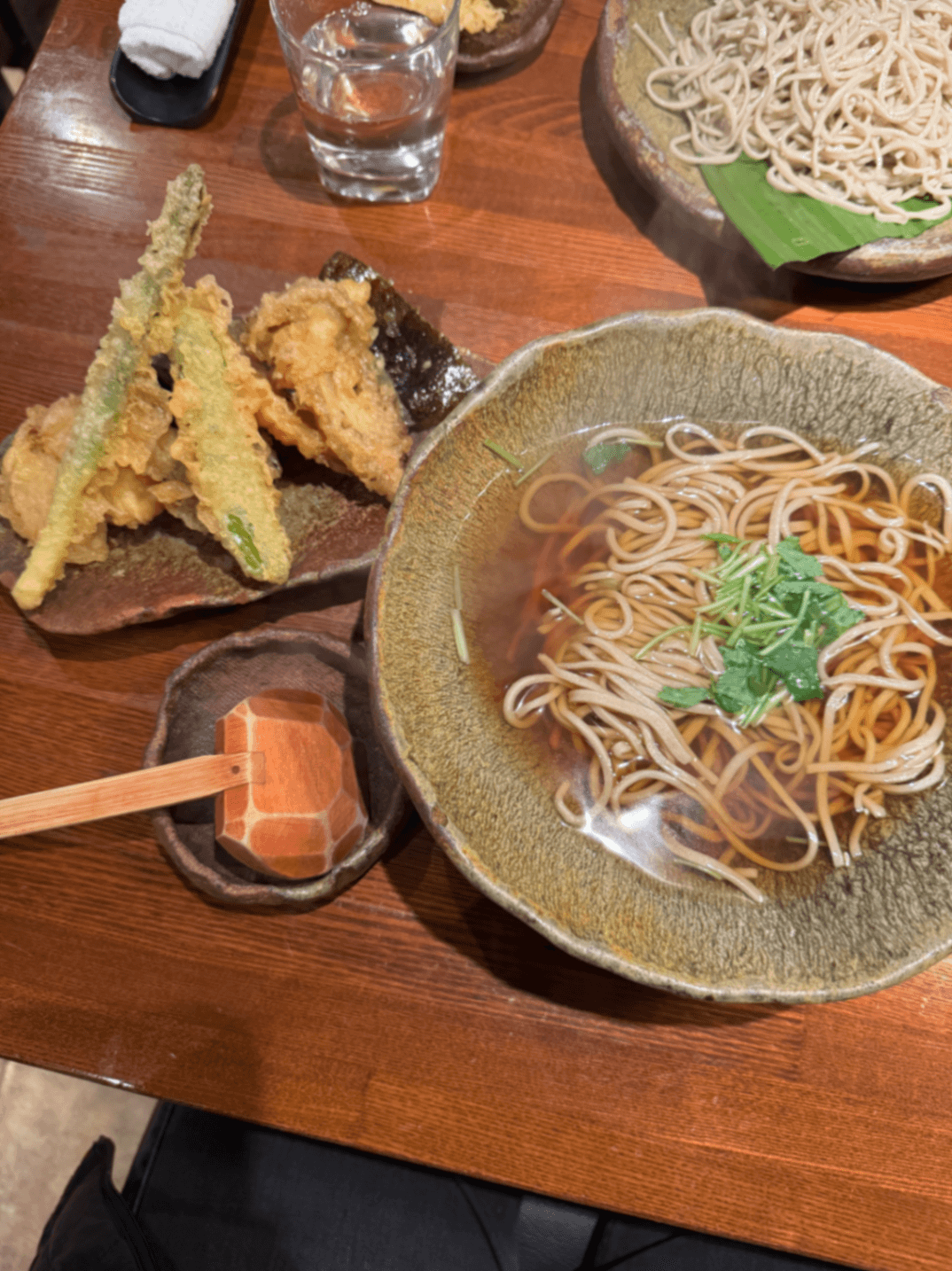
Akari Soba
More places in Kyoto

Rai Rai Tei Uzumasa

Menya Inoichi Hanare

Kiyomizu-dera Temple
