
Arcos da Lapa
Lapa, Rio de Janeiro, 20031-040, BrazilArcos da Lapa is the great white aqueduct that cuts across the middle of Lapa, Rio de Janeiro, forty-two stone arches marching in a long curve above the traffic and tram tracks. It was finished in 1750 to carry water down from the hills of Santa Teresa into the center of the colonial city. These days it carries something else entirely: the open-sided Santa Teresa tram, rattling across the top of the arches on its way up to the hillside neighborhood behind it. By day it is a piece of 18th-century engineering hiding in plain sight. By night it becomes the backdrop to one of the loudest, most crowded street parties in Rio.
Why Arcos da Lapa matters
Few structures in Rio do double duty quite like this one. The aqueduct is a rare surviving piece of colonial infrastructure in a city that has knocked down most of its old bones, and it still functions, just not for its original purpose. Somewhere along the way it stopped being plumbing and became public space. The square underneath, and the streets radiating off it, are where Rio's samba and choro scene plays out several nights a week, which means the Arcos are as much a live music landmark now as a historic one. That shift, from water channel to nightlife stage, is the whole story of the place.
Quick facts
- Original structure: the Carioca Aqueduct, completed in 1750
- Forty-two whitewashed stone arches spanning Lapa
- Stopped carrying water in the 1890s, when it was adapted to carry tram tracks
- Still in active use today, carrying the Santa Teresa tram (bonde)
- Located in the Lapa neighborhood, central Rio de Janeiro
- Free to view at any time, as it is a public structure and open square
Getting there
Lapa sits close to the city center, an easy walk or short taxi ride from Cinelândia and the Sara Kubitschek metro area. The Cinelândia metro station on Line 1 is one of the more convenient stops, leaving a walk of around 10 to 15 minutes to the arches. Many visitors arrive on foot from Centro after seeing the Municipal Theatre or the old downtown blocks nearby. If you want to ride the Santa Teresa tram itself, the boarding station is a short walk from the arches, near Rua Lélio Gama, and the ride takes you directly across the top of the aqueduct and up into Santa Teresa.
History and background
The aqueduct was built under Portuguese colonial rule to solve a basic problem: central Rio needed a reliable freshwater supply, and the Carioca River, running down from the hills above, was the best source available. Engineers routed the water along a channel that eventually had to cross the low ground of what is now Lapa, and the solution was a Roman-style aqueduct raised on arches, finished in 1750. Water ran along the top of the structure into the city center, eventually reaching the Chafariz da Carioca, a public fountain where residents collected their supply.
The aqueduct carried water for roughly a century and a half. By the 1890s the city had moved on to piped water systems and the Arcos lost their original job. Rather than tear the structure down, Rio repurposed it, laying tram tracks across the top so that the bonde could climb into Santa Teresa without a long detour around the hill. That conversion is why you still see the tram crossing the arches today, more than 270 years after the first stones went up.
The tram service has had its troubles over the decades, including a serious accident in 2011 that halted operations for an extended period while the system was overhauled and made safer. It has since returned to service, and the sight of the old wooden cars creaking across the aqueduct remains one of the better free spectacles in the city.
The layout and experience
The arches run in a long row over Avenida Mem de Sá and the surrounding streets, with the open plaza beneath functioning as the informal heart of Lapa. During the day the area is comparatively quiet: traffic passes underneath, pedestrians cross through, and the whitewashed stone catches the light in a way that photographs well in the late afternoon. You can walk right up to the base of the arches and look straight up the curve of the structure, which gives a better sense of scale than any photo from across the street.
From Thursday night onward, the character of the place changes completely. Bars along Rua do Lavradio and Rua Joaquim Silva spill their crowds out onto the sidewalk, street vendors set up near the base of the arches, and samba and choro groups play in several of the surrounding clubs and sometimes directly on the street. The plaza beneath the aqueduct fills with people standing, drinking, dancing, and the arches themselves get lit at night, turning into the backdrop for what is essentially an open-air street party that runs well past midnight on weekends.
Best time to visit
Come in daylight if you want to actually look at the structure and take it in without a crowd, particularly on a weekday morning or early afternoon. Come Thursday through Saturday night if you want the Lapa experience most people are after, with live samba spilling out of venues like Carioca da Gema and Rio Scenarium nearby and the plaza itself packed. Sunday and Monday nights tend to be much quieter. If your main interest is riding the tram across the aqueduct into Santa Teresa, that is better done earlier in the day, both for views and for avoiding the weekend crowds below.
Combining with nearby attractions
The Selarón Steps, the mosaic-tiled staircase connecting Lapa with Santa Teresa, are a short walk from the arches and almost always paired with a visit here. Sala Cecília Meireles, a classical and chamber music hall, sits right beside the aqueduct and is worth checking for a program if you want a quieter cultural stop before the nightlife starts. Fundição Progresso and Circo Voador, two of Rio's better known live music venues, are both within a few minutes' walk and often have shows timed to the Lapa night crowd. If you ride the tram over the top of the aqueduct, it drops you into Santa Teresa, a hillside neighborhood of narrow streets, artist studios, and colonial-era houses that rewards a slow wander.
Practical tips
- Keep valuables minimal and close if you visit at night, particularly in the crowded plaza beneath the arches, where pickpocketing does occur
- Weeknights are far calmer than Thursday through Saturday if you want to see the arches without the street party
- The Santa Teresa tram gets busy, especially on weekends, so arrive early at the boarding point if you want to ride it
- Wear comfortable shoes if you plan to continue on to the Selarón Steps or up into Santa Teresa, since both involve steep walking
- Street food and drink vendors set up around the plaza at night, a decent way to eat without committing to a sit-down bar
FAQ
Is there an entry fee to see Arcos da Lapa?
No. The aqueduct and the surrounding plaza are public space, open and free at any hour.
Can you still ride the tram across the arches?
Yes. The Santa Teresa tram crosses the top of the aqueduct on its route between central Rio and the Santa Teresa neighborhood.
Is Lapa safe at night?
It is busy and well populated most weekend nights, which helps, but it is also known for petty theft in the crowds. Normal city precautions, keeping phones and bags secure, apply here more than most places in Rio.
How long does a visit take?
Seeing the arches themselves takes only a few minutes. Most visitors fold it into a longer evening in Lapa or a half-day trip that includes the Selarón Steps and Santa Teresa.
Arcos da Lapa rewards two completely different visits, one in daylight to see the stonework and understand how an 18th-century water system still stands in the middle of a modern city, and one after dark to see what Rio does with its old infrastructure once the original purpose is gone. Few landmarks in the city manage both.
Reviews
Sign in and mark this place visited to leave a review.
No reviews yet.
Free Trip Planner
Plan your Brazil trip with our free planner
Build a day-by-day itinerary with AI suggestions, hand-picked places, and friends. Free forever — no credit card.
Related reading

Things to see near Arcos da Lapa

Ipanema Beach
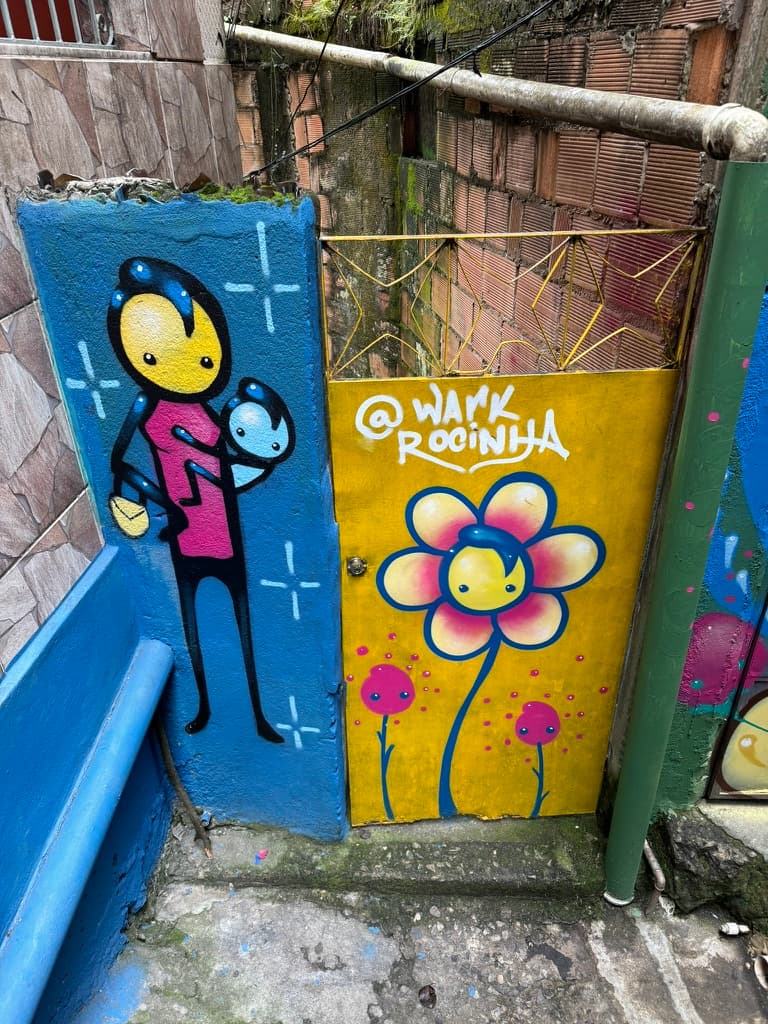
Rocinha Favela

Square Nossa Senhora da Paz
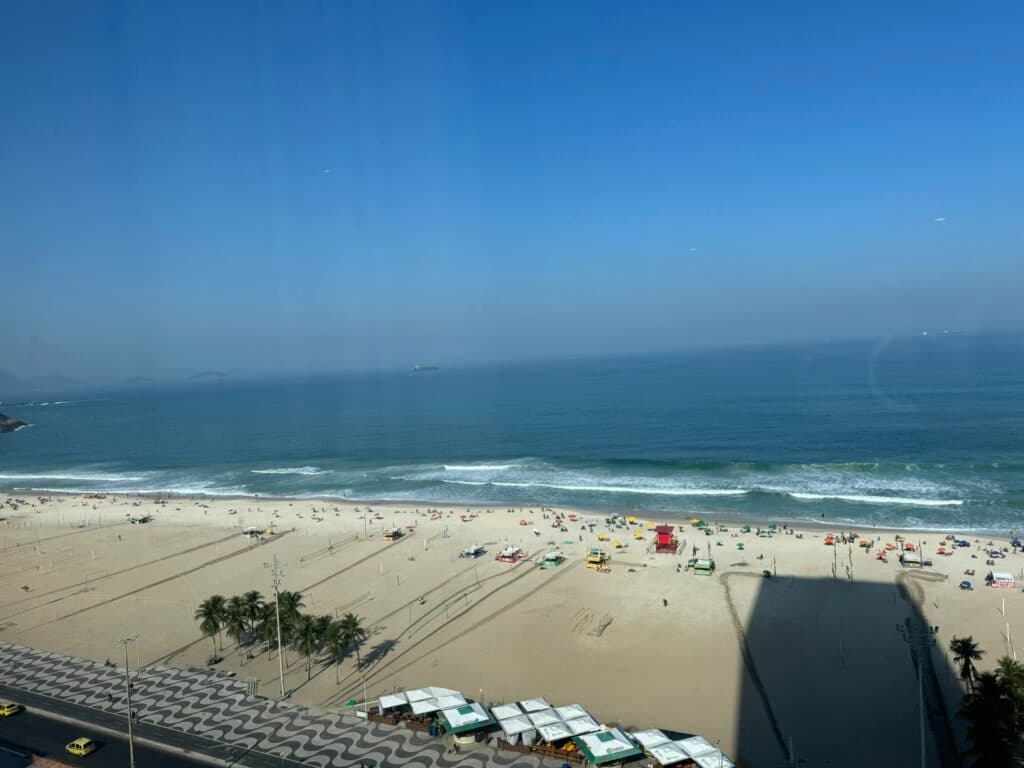
Copacabana Beach
Places to eat or drink near Arcos da Lapa

Paris 6

Tapí Tapioca e Açaí

Uruguay Tent

Adega do Cesare
More places in Rio de Janeiro

Cabo Frio

Diamante Gastrobar

Bar do Mineiro
