Overview
Walk down Beale Street on a Friday night and the sound hits you before anything else. Blues guitar spills from half a dozen doorways at once, each venue pulling you in a different direction. Neon signs flicker above crowded sidewalks. The street smells like barbecue and spilled beer. Beale Street in Memphis is where American blues was born and where it still lives, packed into a two-block stretch of honky-tonks, live music clubs, restaurants, and bars that operate almost every night of the year.
This is not a museum or a historical park. It is a working street where locals and tourists mix, where the music is live and loud, and where you can spend an evening hopping between venues or settle into one club and stay for hours. The street runs roughly north to south through downtown Memphis, with most of the action concentrated between Main Street and Fourth Street.
Why this place matters
Beale Street is the birthplace of modern American blues. In the early 20th century, the street became a gathering place for African American musicians, workers, and entrepreneurs. Blues legends like B.B. King, Muddy Waters, and Howlin' Wolf played here. The street shaped the sound that would influence rock and roll, soul, country, and nearly every major music genre that followed.
The street declined sharply in the second half of the 20th century. A major revitalization effort beginning in the 1980s brought back live music venues, restaurants, and tourists. Today Beale Street operates as a living cultural landmark. It is not frozen in time. The street evolves, but the music remains central to what it is.
Quick facts
- Location: Downtown Memphis, between Main Street and Fourth Street
- Length of main entertainment district: approximately two blocks
- Hours: Most venues open daily; individual club hours vary widely
- Admission: Street access is free; individual clubs charge cover fees (varies by venue and time of day)
- Best for: Live blues music, barbecue, drinks, evening entertainment
- Crowds: Heaviest on Friday and Saturday nights; quieter weekday afternoons
- Parking: Street parking limited; paid lots available nearby
Getting there
Beale Street sits in downtown Memphis, three to four blocks east of the Mississippi River. If you are driving, take Interstate 40 to the downtown exit and follow signs to the Main Street area. Street parking along Beale is scarce, especially after 5 pm. Your best bet is one of the paid parking lots on nearby streets or in the Peabody Place parking garage on Second Street, a five-minute walk away.
Public transit in Memphis is limited. The MATA bus system serves downtown, but most visitors drive or use ride-sharing services. A taxi or rideshare drop-off on Main Street puts you steps away from the street's north entrance.
The layout and experience
Beale Street runs north to south. The main entertainment district stretches roughly two blocks, from Main Street (the northern boundary) to Fourth Street. Most of the major venues and restaurants cluster in this stretch. The street itself is pedestrian-friendly during the day and becomes more crowded and energetic after sunset.
Walking the street, you will notice the architecture mixes old brick buildings with newer storefronts. Some venues occupy historic structures dating back over a century. Others have been rebuilt or significantly renovated. The street is lined with neon signs, banners, and signage advertising live music. On weekends, you can hear music from the sidewalk before you enter any club.
The crowd varies by time and day. Weekday afternoons can feel quiet and almost sleepy. Friday and Saturday nights pack the street with people moving between venues. The audience is a mix of locals, tourists, bachelor and bachelorette parties, and music enthusiasts from across the region and beyond. The street is open to anyone willing to pay cover charges and follow venue rules.
Main highlights
B.B. King's Blues Club is one of Beale Street's most recognizable names. The venue hosts live music most nights and serves food. The club is named for the legendary blues guitarist and king of the blues, who performed in Memphis for decades.
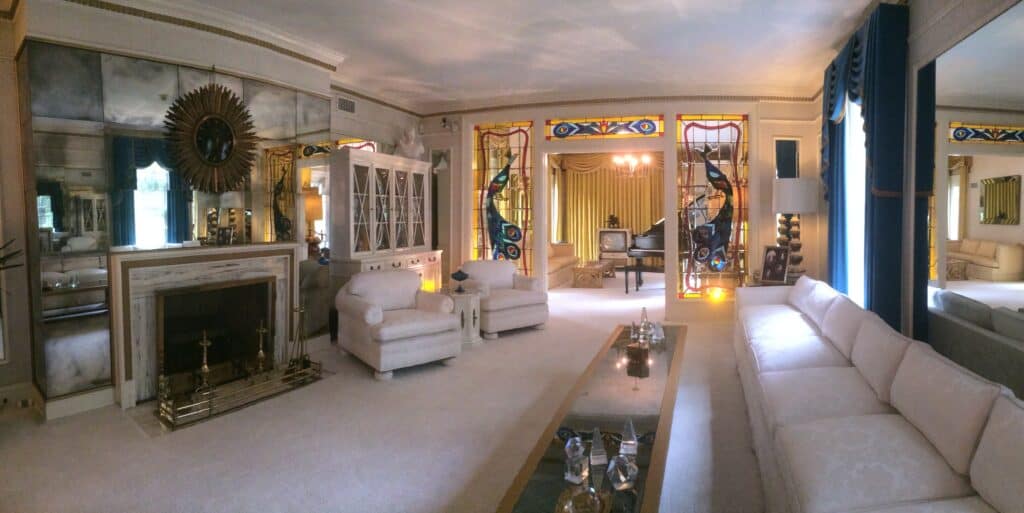
Graceland is not on Beale Street itself, but Elvis's mansion sits just south of downtown Memphis, about ten minutes away by car. Many visitors combine a Beale Street evening with a Graceland tour during the same trip.
The Memphis Rock and Soul Museum sits at the north end of Beale Street, on Beale and Second Street. It houses exhibits on the musical history of Memphis, including blues, soul, and rock and roll. The museum is housed in a former bank building and offers a more curated, educational experience than the street venues themselves.
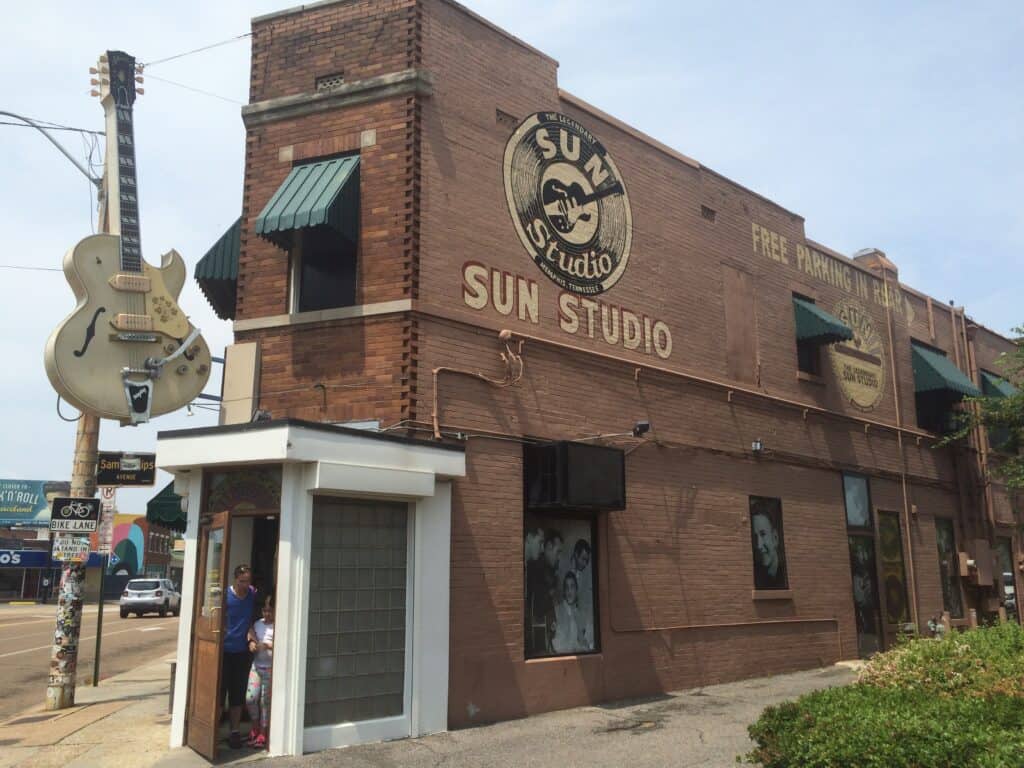
Sun Studio, where Elvis recorded his first songs and where Johnny Cash, Jerry Lee Lewis, and other legends recorded, is located a few blocks away on Union Avenue. It operates as a museum with guided tours.
Barbecue restaurants line Beale Street and the surrounding area. The food tends to be casual and meat-focused. Several spots have been operating for decades and draw both tourists and locals.
History and background
Beale Street was named after a soldier who served in the War of 1812. The street developed as a commercial corridor in the mid-1800s. By the early 1900s, it had become the center of Memphis's African American community and business district.
The street's musical identity emerged in the 1920s and 1930s. Blues musicians migrated to Memphis from the Mississippi Delta and surrounding regions. Beale Street became a place where they could perform, record, and earn money. The street was also home to barbershops, theaters, restaurants, hotels, and shops that served the Black community during an era of strict racial segregation.
B.B. King worked as a disc jockey on Beale Street before becoming a performing legend. The street was where he learned the trade and built his reputation. Other major blues figures had similar connections to the street and the city.
The street's golden era lasted from roughly the 1920s through the 1960s. Urban decline, changing entertainment preferences, and economic shifts reduced Beale Street's prominence in the late 20th century. Whole blocks emptied. Buildings fell into disrepair. The music largely disappeared.
A revitalization effort began in the 1980s. City officials, business owners, and music advocates worked to restore the street's buildings, attract venues back, and rebuild its reputation as a music destination. The effort succeeded in bringing back live music venues and tourism, though the character of the street shifted toward catering to visitors rather than serving as a primary gathering place for locals.
Tickets and entry
Beale Street itself is free to walk. Individual clubs charge cover fees to enter and listen to live music. Cover fees vary by venue, day of the week, and time of day. Weekends tend to have higher cover charges than weekdays. Some venues charge cover only after a certain hour or waive it if you buy food or drinks. Many clubs have a two-drink minimum.
The Memphis Rock and Soul Museum requires a separate admission ticket. Hours and ticket types change seasonally, so check ahead.
Most venues do not require reservations, but walking in during peak hours on a weekend might mean waiting in line. Some larger venues or special events may require advance booking.
Best time to visit
Beale Street operates year-round. The street is most crowded on Friday and Saturday nights, especially after 9 pm. If you prefer a less intense experience, visit on a weekday afternoon or early evening. You will find fewer people and sometimes smaller cover charges.
Weather in Memphis is warm and humid in summer, cold in winter, and mild in spring and fall. Summer heat and humidity can make walking the street less comfortable, but it does not stop crowds. December brings holiday decorations and can feel festive, though it also brings tourists shopping and celebrating.
The street hosts special events at various times of year, including the Beale Street Music Festival in May. Knowing about events ahead of time helps you decide if you want to visit during them or avoid the extra crowds.
Photography tips
The neon signs and street lighting on Beale create interesting photographic opportunities at night. The signs are brightest and most colorful once the sun sets. Bring a camera that performs well in low light if you plan to photograph inside clubs.
The street during the day offers architectural photography of the older buildings and storefronts. The contrast between historic facades and modern signage tells part of the street's story.
Be respectful when photographing people. Many venues do not allow professional photography or video recording inside clubs without permission. Always ask before photographing musicians or other patrons.
Facilities and preparation
Beale Street has public restrooms in some venues and at the Memphis Rock and Soul Museum. Most clubs have restrooms for their patrons. Plan accordingly if you are spending several hours on the street.
The street is walkable but can get crowded. Wear comfortable shoes. Expect to move slowly and stop frequently on weekend nights.
Drinking is common on Beale Street. Many venues serve alcohol. If you plan to drink, arrange transportation ahead of time. Designated drivers, taxis, and rideshare services are readily available.
Bring cash. Many smaller clubs and some restaurants prefer or only accept cash for cover fees and small purchases.
How it compares to similar places
Nashville's Broadway district, about three hours northeast, is another major music entertainment street in Tennessee. Both streets feature live music venues and bars, but Beale Street's identity is rooted in blues history while Broadway is associated with country music. Beale Street feels more densely packed and urban. Broadway is wider and more spread out.
The French Quarter in New Orleans shares Beale Street's character of live music spilling from multiple venues simultaneously. Both streets are lively nightlife destinations with deep musical roots. Beale Street is smaller and more focused on blues specifically.
Combining with nearby attractions
Graceland, Elvis Presley's mansion, is about ten minutes south of downtown by car. A typical Graceland visit takes two to three hours. Many visitors do Graceland in the morning or afternoon and Beale Street in the evening.
The National Civil Rights Museum is housed in the Lorraine Motel on Mulberry Street, about a ten-minute walk from Beale Street. The museum documents the Civil Rights Movement and the assassination of Martin Luther King Jr. in Memphis.
The Mississippi River runs three to four blocks west of Beale Street. Mud Island River Park offers views of the river and a small museum dedicated to Memphis history.
Peabody Place, a shopping and entertainment complex, is adjacent to Beale Street on Second Street. It includes shops, restaurants, and the Peabody Hotel, home of the famous duck march.
Sample visit plan
A typical evening on Beale Street might look like this: Arrive around 7 pm, before the crowds peak. Walk the street, check out a few venues, and choose one where live music appeals to you. Grab dinner at a barbecue restaurant or food spot. Return to your chosen venue for music and drinks. Stay for one to two sets, then either move to another venue or head out.
If you have more time, plan a full day in Memphis. Visit Graceland or the Civil Rights Museum in the morning or early afternoon. Explore downtown and the Peabody Hotel in the late afternoon. Head to Beale Street as the sun sets. Spend the evening hopping between venues or staying put in one club.
For a quieter experience, visit Beale Street on a Tuesday or Wednesday afternoon. Walk the street, visit the Memphis Rock and Soul Museum, grab a meal, and experience the street's character without the weekend crowds.
Practical tips
- Park in a paid lot on a nearby street or in the Peabody Place garage; street parking fills quickly
- Bring cash for cover fees and tips; not all venues accept cards
- Wear comfortable shoes; the street is crowded and you will be walking and standing
- Arrange transportation before drinking; use a designated driver, taxi, or rideshare service
- Check venue websites or call ahead if you want to see a specific band or musician
- Visit weekday afternoons or early evenings for a less crowded experience
- Many clubs have two-drink minimums; budget accordingly
- The street is open most nights, but individual venue hours vary; call ahead if visiting on a holiday
FAQ
Do I need to pay to walk down Beale Street? No. Beale Street itself is free to walk. You only pay cover fees if you enter a club or venue to listen to live music.
What is the best club to visit on Beale Street? This depends on your taste. B.B. King's Blues Club is the most famous and most touristy. Smaller clubs offer more intimate experiences. Walk the street, listen to the music spilling from different venues, and choose based on what appeals to you.
Is Beale Street safe? Beale Street is a busy, populated, well-lit entertainment district. It is generally safe, especially in groups and on weekends when crowds are heaviest. Use common sense, stay aware of your surroundings, and avoid walking alone very late at night in less populated areas.
How long should I spend on Beale Street? A walk down the street takes 30 minutes. To sit in a club and listen to live music, plan on 1.5 to 2 hours minimum. Many people spend an entire evening hopping between venues or staying in one club for several sets.
When is Beale Street least crowded? Weekday afternoons, especially Tuesday through Thursday before 7 pm, are quietest. Friday and Saturday nights after 10 pm are most crowded.
Reviews
Sign in and mark this place visited to leave a review.
No reviews yet.
Free Trip Planner
Plan your Memphis trip with our free planner
Build a day-by-day itinerary with AI suggestions, hand-picked places, and friends. Free forever — no credit card.