Belvedere Museum
Prinz-Eugen-Strasse 27, Vienna 1030 Austria Posted by Brandon B.Admin
Vienna's Most Dramatic Art Museum
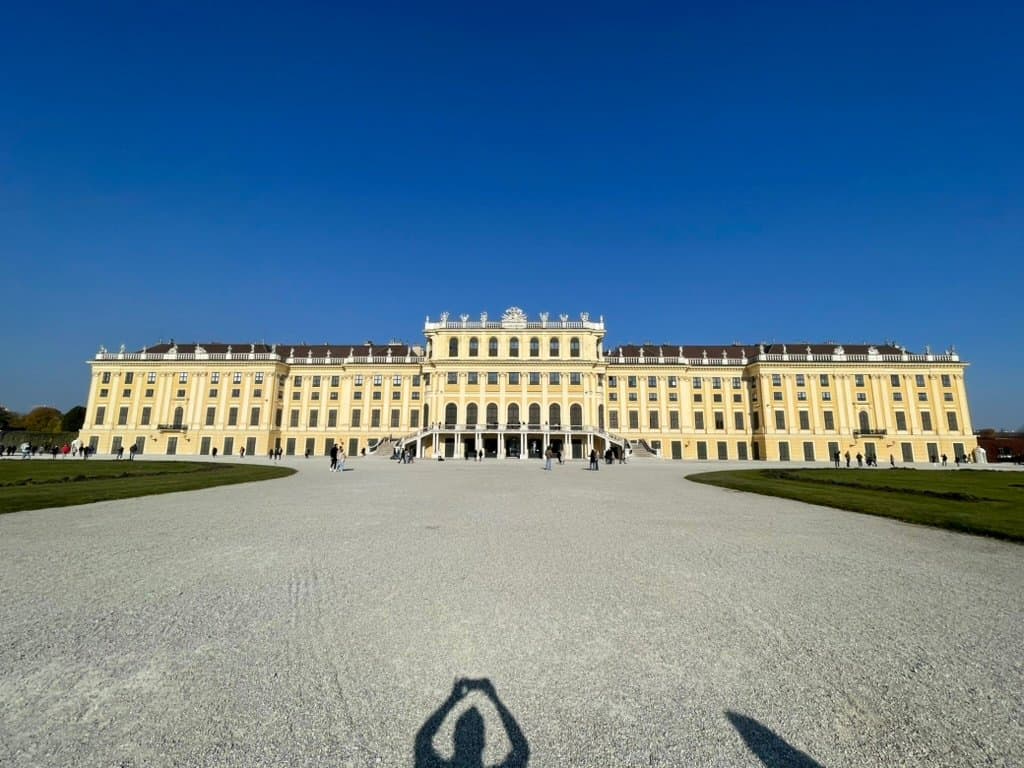
The Belvedere Museum sits on Prinz-Eugen-Strasse in Vienna's third district, housed inside one of the most extravagant Baroque palace complexes ever built. Even before you step inside, the grounds alone make the trip worthwhile. The formal gardens stretch between two palaces, the Upper and Lower Belvedere, and on a clear morning the reflecting pool mirrors the Upper Palace's facade in a way that feels almost theatrical. This is where you come to see Klimt's "The Kiss" in person, but there's far more to the place than that single painting.
The complex has been pulling visitors for centuries, and it still manages to feel like a discovery rather than an obligation.
Why the Belvedere Museum Matters
Austria's national art collection lives here. The Upper Belvedere holds the permanent collection of Austrian art from the Middle Ages through the early twentieth century, and the concentration of Viennese Secession and Symbolist work on the first floor is genuinely hard to match anywhere else in the world. Klimt, Schiele, Kokoschka, all in one room or a short walk from each other. If you care about the period around 1900, this building is close to a pilgrimage site.
It's also the place where the Austrian State Treaty was signed in 1955, ending the Allied occupation after World War II. That room, the Marmorsaal, is on the piano nobile of the Upper Belvedere and you can still visit it. History and art occupy the same building here without either one feeling shortchanged.
Quick Facts
- The Upper Belvedere was completed in 1723, designed by Johann Lukas von Hildebrandt for Prince Eugene of Savoy.
- The complex covers roughly 200,000 square meters of gardens and grounds.
- The permanent collection spans works from around 1100 to 1955.
- The Upper Belvedere houses the main permanent collection. The Lower Belvedere contains the Baroque Museum and changing exhibitions.
- The Orangery and the Palace Stables are additional exhibition venues on the grounds.
- General admission covers the Upper Belvedere. Lower Belvedere and the Orangery require a separate ticket or a combined pass.
- The museum is closed on most major public holidays, so check ahead if you're visiting around Christmas or New Year.
Getting There
The Upper Belvedere entrance is on Prinz-Eugen-Strasse, and the most straightforward way to arrive is by tram. Tram D runs directly to the Schloss Belvedere stop, which puts you right at the main gate. From the city center or the Ringstrasse, the ride takes roughly 10 minutes depending on where you board.
If you're coming from Wien Hauptbahnhof, Vienna's main train station, the Upper Belvedere is less than a 15-minute walk through Schweizergarten park. It's a pleasant route and avoids any transit hassle. The Lower Belvedere entrance is on Rennweg, which is also served by tram lines. Paid parking exists nearby but driving into this part of Vienna rarely saves time.
The Layout and Experience
Most first-time visitors start at the Upper Belvedere and work their way down through the gardens to the Lower Belvedere, which takes a couple of hours if you move at a reasonable pace. The Upper Palace has three floors. The ground floor tends to host temporary exhibitions. The first floor, the piano nobile, is where the Klimt collection sits alongside the Marmorsaal and the chapel. The second floor covers medieval and Baroque Austrian painting.
The gardens between the two palaces are free to walk through and worth the time even if you skip a building. The French-style formal layout, the fountains, and the sculptures give the whole visit a sense of scale that indoor-only museums can't replicate. On summer afternoons the gardens fill up with people eating lunch on the grass, which makes the whole place feel less like a monument and more like a living part of the city.
The Lower Belvedere is smaller and quieter than its counterpart. It focuses on Baroque art and the decorative arts of the period, including the ornate Marble Gallery. If you have a combined ticket, it's absolutely worth the extra half hour.
Main Highlights
The Kiss by Gustav Klimt
It's on the first floor of the Upper Belvedere, and you will know the room the moment you walk in. The painting is larger than most people expect from reproductions, and the gold leaf and oil paint combination reads completely differently in person than it does on a screen or a poster. Arrive early in the day if you want a few minutes in front of it without a crowd at your back.
The Marmorsaal
The Marble Hall on the piano nobile of the Upper Belvedere is one of the great interior spaces in Vienna. The ceiling frescoes by Carlo Carlone were completed in 1716 and cover the full length of the room. This is the room where the 1955 State Treaty was signed, and the combination of that political weight with the overwhelming Baroque decoration is a strange and memorable experience.
Egon Schiele Collection
The Belvedere holds one of the world's strongest concentrations of Schiele's work. His portraits and figure studies from the early twentieth century hang in the same building as the Klimt paintings that influenced him, which gives you an unusually direct sense of how one generation of Viennese artists pushed against and learned from the previous one.
The Baroque Museum in the Lower Belvedere
The original interior rooms of the Lower Belvedere have been preserved, including the Grotesque Hall and the Marble Gallery. Franz Anton Maulbertsch's ceiling paintings in the Marble Gallery are among the finest examples of Austrian Baroque fresco work still in their original setting.
Best Time to Visit
The museum is busy year-round, but summer weekends bring the heaviest crowds, particularly to the room containing "The Kiss." If you visit on a weekday morning, ideally when the doors open, you'll have a noticeably more comfortable experience in the main galleries. Late autumn and winter are often quieter, and the Upper Belvedere garden seen through snow has its own appeal.
Spring is when the gardens look their best. The formal plantings are maintained to a high standard, and the views from the Upper Belvedere terrace back toward the Vienna skyline are clearest on days without summer haze.
Photography Tips
Photography is permitted throughout most of the permanent collection without flash. The reflecting pool in front of the Upper Belvedere is one of Vienna's most photographed spots, and the best light for a front facade shot tends to be in the morning when the sun hits the palace directly. The gardens offer long axial views that reward a wide angle lens.
Inside, the Marble Gallery in the Lower Belvedere and the Marmorsaal upstairs both have challenging light conditions. A steady hand or a fast lens helps. The room with "The Kiss" is often crowded enough that getting a clean shot of the painting itself requires patience.
Combining with Nearby Attractions
The Belvedere sits between two of Vienna's more interesting neighborhoods. To the north, the third district stretches toward the Stadtpark and the Ringstrasse museums. The Kunsthistorisches Museum is about a 20-minute tram ride away if you want to continue an art-heavy day. To the south of the Lower Belvedere, Favoriten and the area around the Hauptbahnhof have decent lunch options if you want to eat outside the museum.
Schweizergarten, the park immediately east of the Upper Belvedere, is a good place to decompress after a few hours inside. The 21er Haus, now part of the Belvedere 21 contemporary art venue, sits on the edge of the park and focuses on art made after 1945, which makes it a natural counterpart to the main collection.
Practical Tips
- Buy tickets online in advance, especially if you're visiting between May and September. Timed entry helps avoid the worst of the queues.
- A combined ticket covering both the Upper and Lower Belvedere is better value if you have a full day.
- The audio guide is available at the ticket desk and covers the main highlights without overwhelming you with detail.
- The museum cafe in the Upper Belvedere is mid-range and the views from the terrace justify a coffee stop.
- Bag storage is available near the entrance. Large bags are not permitted in the galleries.
- The museum shop near the exit stocks a solid range of art books and prints, including good quality Klimt reproductions if you want something more substantial than a postcard.
- Vienna's Museum Pass (the Wien Museums Jahresticket) covers multiple visits across many city museums and can be worthwhile if you're spending more than a few days in the city.
FAQ
Do I need a timed entry ticket?
Timed entry is not always mandatory, but it's strongly recommended during peak season. Walk-in tickets are often available, but you may wait in line. Booking online in advance tends to save 20 to 40 minutes at the door.
How long should I plan for a visit?
The Upper Belvedere alone takes most people around two hours if they move through the collection properly. Add another hour for the Lower Belvedere and the Baroque Museum. The gardens can absorb as much time as you're willing to give them.
Is the Belvedere Museum accessible?
The Upper Belvedere has elevator access to all floors, and the main garden paths are paved and suitable for wheelchairs. Some areas of the Lower Belvedere's historic rooms are more difficult to navigate due to the age of the building. The museum's website has current accessibility details.
Can children visit comfortably?
Yes, though the Baroque and Secession collections are not specifically designed for young children. The gardens are genuinely enjoyable for kids, and the scale of the palace buildings tends to impress even visitors who have no interest in art. Family-oriented tours and activity sheets are sometimes available at the desk.
Reviews
Sign in and mark this place visited to leave a review.
No reviews yet.
Free Trip Planner
Plan your Austria trip with our free planner
Build a day-by-day itinerary with AI suggestions, hand-picked places, and friends. Free forever — no credit card.