You walk into Blues Hall of Fame Museum on South Main Street and the first thing that hits you is the weight of the place. Glass cases hold handwritten lyrics, faded photographs of musicians mid-performance, and instruments that shaped American music. The light is low and purposeful. You move slowly through rooms that chronicle how the blues emerged from Memphis and rippled outward, changing everything it touched. This is not a museum that whispers about history. It speaks directly about where the music came from and why it matters.
Why this place matters
Memphis is the birthplace of modern American music, and the blues is foundational to that story. The Blues Hall of Fame Museum sits at 421 South Main Street in the heart of downtown Memphis, a city where musicians like B.B. King, Muddy Waters, and countless others either got their start or passed through to record and perform. This museum exists to honor those artists and to document the blues as a living tradition, not a historical artifact locked away.
The blues did not originate in Memphis. It came from the Mississippi Delta, from the work songs and spirituals of enslaved people, from the pain and resilience of the American South. But Memphis became the place where that raw sound met electricity, recording studios, and a crossroads of cultures. The museum's role is to trace that evolution and to keep the stories of individual artists alive for visitors who might otherwise never encounter them.
Quick facts
- Located at 421 South Main Street in downtown Memphis
- Focuses on blues musicians and the history of blues music in America
- Houses artifacts, photographs, instruments, and memorabilia from blues artists
- Part of the South Main Historic District, surrounded by galleries, antique shops, and restaurants
- General admission tickets are available for individual visitors and groups
- Open year-round with seasonal variations in hours
Getting there
The museum is located on South Main Street in downtown Memphis, a 10 to 15 minute walk from Beale Street if you are exploring that direction. Street parking is available along South Main Street, though spots fill quickly during busy hours. Several paid parking garages sit within two blocks of the museum. If you are arriving by public transit, the MATA bus system serves downtown, and the South Main stop is close by.
Most visitors find the location convenient. South Main Street has experienced significant revitalization in recent years, so the area around the museum includes other galleries, antique dealers, and places to eat. This makes it easy to combine a visit here with other activities in the same neighborhood.
The layout and experience
The museum occupies a ground-floor space that is manageable in size. You are not walking through sprawling galleries or getting lost in corridors. Instead, the collection is organized thematically, moving through different eras and regional styles of blues music. The pacing allows you to spend as much or as little time as you want at each display.
Glass cases contain the core artifacts. You will find instruments, handwritten notes, album covers, and personal items belonging to blues musicians. Photographs line the walls, many of them black and white images from the 1950s and 1960s. Some displays include audio components, so you can listen to recordings while you read about the artist or song.
The lighting is intentionally dim, which creates an intimate atmosphere but also means you should allow your eyes to adjust when you first arrive. The space feels more like a gallery than a traditional museum. There are no crowds to navigate most days, which means you can linger at displays without feeling rushed.
Main highlights
The collection centers on blues musicians with strong connections to Memphis and the surrounding Delta region. You will encounter material related to artists who recorded at Sun Studio and other local recording facilities. The museum emphasizes the personal stories of these musicians, not just their commercial achievements. A display might focus on a single artist's journey from a small town in Mississippi to becoming a recording artist, with photographs, handwritten correspondence, and an explanation of their musical style and influence.
Instruments on display represent different eras and regional styles of blues. A guitar that belonged to a prominent blues musician sits behind glass alongside contextual information about how that particular instrument shaped the musician's sound. The museum does not overwhelm you with thousands of objects. Instead, it curates selections that tell specific stories.
The photographic collection is substantial and genuinely moving. Many images capture musicians in candid moments, not posed publicity shots. These photographs convey the energy and personality of the blues scene in Memphis during its peak years.
History and background
The Blues Hall of Fame Museum exists as part of Memphis's broader effort to preserve and celebrate blues heritage. The city has long recognized that the blues is central to its identity and to American cultural history. Several institutions in Memphis work toward this goal, and the Blues Hall of Fame Museum plays a specific role in documenting individual artists and the development of the genre.
The blues itself emerged in the late 19th and early 20th centuries in the Mississippi Delta, growing out of African American folk traditions, work songs, and the experiences of people living through poverty and discrimination. The genre developed distinct regional styles. The Delta blues sounded different from the blues that emerged in Memphis, which in turn sounded different from Chicago blues or Texas blues. Memphis blues often incorporated more rhythm and a stronger beat, influenced by the city's proximity to the Delta and its diverse musical traditions.
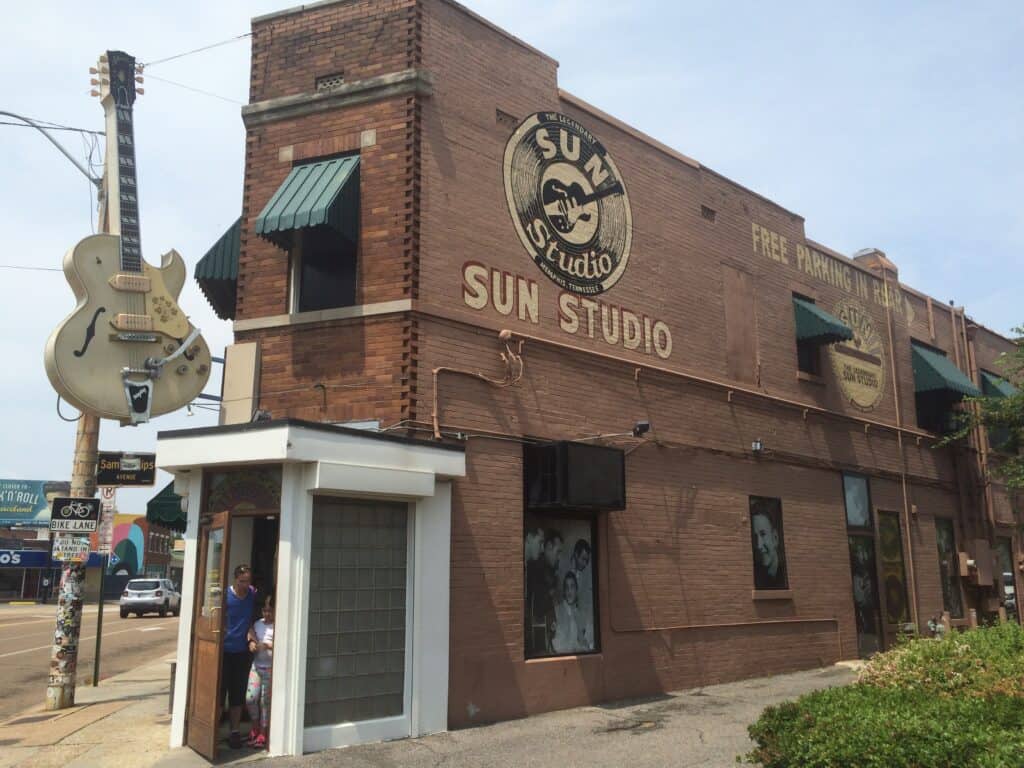
By the 1950s, Memphis had become a recording hub. Sun Studio, founded in 1950, recorded blues artists alongside country and early rock and roll musicians. This cross-pollination of genres happened in Memphis in ways that shaped American popular music. The blues artists who recorded in Memphis during this era left a permanent mark on the sound of popular music that followed.
Tickets and entry
General admission is available for individual visitors. The museum also offers group rates for larger parties, which you can arrange in advance. Tickets are typically purchased at the entrance, though it is worth checking ahead if you are planning a group visit and want to confirm current pricing tiers and any special packages.
The museum is accessible to visitors with mobility considerations. The space is on a single floor with an accessible entrance. If you have specific accessibility questions, contacting the museum directly before your visit is the most reliable approach.
Best time to visit
The museum operates year-round. Most days are relatively quiet, which means you can move through the collection at your own pace without navigating crowds. Weekday mornings tend to be less busy than weekend afternoons, though this can vary seasonally.
Memphis's climate is warm and humid in summer, cool in winter. There is no particular seasonal advantage for visiting the museum itself, since you are indoors in a climate-controlled space. However, visiting during a warmer month might encourage you to explore the surrounding South Main Street neighborhood afterward.
Combining with nearby attractions
The Blues Hall of Fame Museum works well as part of a larger downtown Memphis exploration. Beale Street is less than a mile away and offers live music venues, restaurants, and a different energy from the South Main Historic District. Beale Street is more tourist-oriented and crowded, while South Main Street feels quieter and more focused on galleries and independent businesses.
The National Civil Rights Museum is also nearby, located at the Lorraine Motel on South Main Street about a 10 to 15 minute walk from the Blues Hall of Fame Museum. Both museums engage with important aspects of Memphis history and culture, and visiting them on the same day is entirely feasible.
The South Main Historic District itself rewards walking. You will find antique shops, art galleries, a handful of restaurants and cafes, and independent bookstores within a few blocks of the museum. Many visitors spend an afternoon in this neighborhood, dropping into the Blues Hall of Fame Museum as part of a larger wandering visit rather than as an isolated destination.
Practical tips
- Allow 45 minutes to an hour for a thorough visit, though you can move through more quickly if you prefer
- The lighting is dim, so give your eyes a moment to adjust when you arrive
- If audio displays are available, bring headphones or be prepared to listen in the museum space itself
- South Main Street parking fills up during busy hours, so arriving earlier in the day increases your chances of finding street parking nearby
- The neighborhood around the museum is walkable, so consider parking once and exploring multiple attractions on foot
- Many nearby restaurants and cafes are within a short walk if you want to grab food before or after your visit
FAQ
How long does a typical visit take?
Most visitors spend between 45 minutes and an hour exploring the museum. The collection is focused and well-curated, so you are not navigating massive galleries. The time you spend depends on how much you read at each display and whether you listen to audio recordings.
Is the museum wheelchair accessible?
The museum is located on a single floor with accessible entrance and exit. For specific questions about accessibility, contacting the museum directly before your visit is the most reliable approach.
Can I take photographs inside?
Photography policies can vary, so it is worth asking staff when you arrive. Some museums restrict photography of certain artifacts, while others allow it. Staff at the entrance can clarify what is permitted.
Is there parking nearby?
Street parking is available along South Main Street, though it fills up during peak hours. Several paid parking garages are within two blocks of the museum. Arriving earlier in the day gives you better odds of finding convenient parking.
What is the difference between this museum and other blues-related attractions in Memphis?
The Blues Hall of Fame Museum is focused specifically on documenting blues musicians and the history of the genre. Other attractions in Memphis, like Graceland or Beale Street's music venues, offer different experiences centered on other aspects of Memphis music culture. The Blues Hall of Fame Museum is the place to go if you want to learn about blues artists and history in depth.
Opening hours
Reviews
Sign in and mark this place visited to leave a review.
No reviews yet.
Free Trip Planner
Plan your Memphis trip with our free planner
Build a day-by-day itinerary with AI suggestions, hand-picked places, and friends. Free forever — no credit card.