
Caño Negro Wildlife Refuge
Caño Negro Wildlife Refuge
Caño Negro Los Chiles Alajuela, Provincia de Alajuela, Caño Negro, 21402, Costa RicaCaño Negro Wildlife Refuge sits in the far north of Alajuela province, close enough to the Nicaraguan border that the Río Frío's slow current feels like it's barely decided which country it belongs to. In the rainy months the river spreads out across a low floodplain and forms a shallow seasonal lake, and that lake becomes one of the densest gatherings of water birds in Central America. By the time the dry season sets in, most of that water is gone, and what's left is a network of narrow channels where everything still alive in the area has to crowd in close.
Most people see Caño Negro on a long day trip out of La Fortuna, boarding a van before sunrise and getting back after dark. It's not a quick stop. The refuge itself is remote, and the nearest town of the same name is small and sleepy even by rural Costa Rican standards. That remoteness is part of what keeps the place from feeling like a wildlife park. There's no boardwalk circuit, no visitor center with exhibits. You get a boat, a guide, and a lot of water.
Why Caño Negro Wildlife Refuge matters
Few places in the country let you see this volume of water birds in one sitting. Roseate spoonbills work the shallows in pink clusters, jabiru storks stalk the mudflats on legs that look too thin to hold them up, and anhingas perch with their wings spread out to dry, looking almost reptilian. Depending on the month you might also pick out several heron species, wood storks, and the occasional flock of black-bellied whistling ducks moving overhead in formation. Caiman drift along the banks with just their eyes above the surface, river turtles stack up on half-submerged logs, and howler monkeys move through the gallery forest that lines the channels, their calls carrying further over flat water than they ever would in dense jungle.
The refuge is also a genuine wetland in the ecological sense, not a lake that happens to hold water year-round. Its character changes completely between seasons, and that seasonal pulse is what drives the concentration of wildlife people come to see. A guide who knows the channels can read where the water has retreated to and find birds and reptiles pressed into a fraction of their wet-season range.
Quick facts
- Location: Caño Negro, Los Chiles, Alajuela province, near the Nicaraguan border
- Main feature: a seasonal lake formed by the Río Frío floodplain
- Wildlife: roseate spoonbill, jabiru stork, anhinga, multiple heron species, caiman, river turtles, howler monkeys
- How it's visited: almost entirely by boat, with a local guide
- Typical access: long day trips from La Fortuna, roughly a two to three hour drive each way
- Best wildlife viewing: dry season, when shrinking water concentrates animals along the remaining channels
Getting there
Caño Negro is tucked into a corner of Alajuela province that doesn't see much through-traffic, which is exactly why the wildlife hasn't been pushed out. Most visitors arrive as part of an organized tour from La Fortuna, since the roads leading in are rough in places and public transport options are limited. The drive winds through cattle country and small agricultural towns before reaching Los Chiles, the nearest sizeable town, and then continuing on to the refuge entrance and boat launch. If you're driving yourself, expect unpaved stretches and plan for a slower pace than Google Maps suggests. Some visitors combine the trip with a stop near the Nicaraguan border crossing, since Los Chiles sits right on it, though this isn't necessary if wildlife is your only goal.
The layout and experience
There isn't much of a "layout" in the conventional sense. You arrive at a dock, get fitted into a flat-bottomed boat with a small group, and spend the next couple of hours moving slowly along the river and out into the open lake area if water levels allow. Guides cut the engine often, drifting close to birds and basking caiman so everyone gets a clear look and a clean photo. The pace is unhurried by design. This isn't a place you rush through, and the best sightings tend to come from patience rather than ground covered.
In the wet season, roughly May through November, the lake can spread wide enough that the boat ride feels more like crossing open water than navigating a river. In the dry months, December through April, the same boat follows a much narrower channel, sometimes barely wider than the boat itself, with wildlife pressed in close on both banks because there's nowhere else for it to go.
Main highlights
The roseate spoonbill is the bird most people come hoping to see, and the refuge rarely disappoints on that front during the right months. Its pink coloring is striking against the muddy greens and browns of the wetland, and spoonbills tend to gather in visible numbers rather than hiding singly in reeds. Jabiru storks are the other headline species, among the tallest flying birds in the Americas, and spotting one standing motionless in the shallows is a moment most visitors remember.
Beyond the marquee birds, the gallery forest lining the water is worth watching as closely as the open channels. Howler monkey troops move through the canopy here, and their calls are often how you know they're nearby before you see them. Caiman sightings are close to guaranteed, especially from the boat where you can get near the bank without disturbing them, and river turtles are a near-constant presence sunning on logs and low branches.
Best time to visit
This is the detail that shapes everything else about a visit. In the wet season, the refuge is at its most scenic, with the lake at full size and birds spread across a wide area, though that same spread can mean you're seeing wildlife from a greater distance. In the dry season, the lake shrinks dramatically, sometimes to a shadow of its wet-season footprint, and that contraction concentrates birds, caiman, and turtles along the surviving channels in numbers that can feel almost unbelievable. Many repeat visitors and guides consider the dry months, especially toward the tail end of the dry season, the stronger time for raw wildlife density, even though the water itself is less impressive to look at.
Combining with nearby attractions
Because the drive out here from La Fortuna takes a few hours each way, most itineraries treat Caño Negro as a full-day commitment on its own rather than pairing it with another stop the same day. La Fortuna itself sits near Arenal Volcano and its surrounding hot springs and hiking trails, so travelers typically slot the refuge in as one day within a longer stay built around those attractions. Los Chiles, the gateway town, has little in the way of its own sights beyond the border crossing, and most people pass through it quickly on the way in and out.
Practical tips
- Book through a tour operator based in La Fortuna if you don't have your own transport, since the roads in are rough and signage is minimal
- Bring binoculars if you have them. Guides are good at spotting wildlife, but a closer look at a spoonbill or jabiru makes a real difference
- Wear light, neutral-colored clothing and bring sun protection. Boats offer little shade and mornings on open water get bright fast
- Expect a long day. Door-to-door trips from La Fortuna often run most of the day once travel time is included
- Check what season you're traveling in before you set expectations. Wet and dry season visits are genuinely different experiences
- Insect repellent is worth packing, particularly near the gallery forest sections of the river
FAQ
Can you visit Caño Negro Wildlife Refuge independently, without a tour?
It's possible if you have your own vehicle and don't mind rough roads, but most visitors go through an organized tour since boats and local guides are arranged on-site in Caño Negro town and are easier to book in advance from La Fortuna.
What's the best season for bird watching?
Both seasons offer something different. Wet season brings more water and a broader spread of birds. Dry season concentrates wildlife into narrower channels, which many guides consider the better bet for consistent, close sightings.
How long does a typical visit take?
If you're coming from La Fortuna, plan for most of a day once you include driving time, the boat trip itself, and any stops along the way.
Is Caño Negro Wildlife Refuge good for people who aren't dedicated birders?
Yes. The caiman, turtles, and howler monkeys give the trip appeal beyond birdwatching, and the boat ride itself through the gallery forest is scenic even on a slow wildlife day.
Caño Negro Wildlife Refuge isn't a polished attraction with interpretive signs and a gift shop. It's a working wetland that happens to be extraordinary at certain times of year, and the effort it takes to get there keeps the crowds thinner than you'd expect for somewhere this good. If you're building a Costa Rica itinerary around wildlife rather than beaches, it earns its place on the list.
Reviews
Sign in and mark this place visited to leave a review.
No reviews yet.
Free Trip Planner
Plan your Costa Rica trip with our free planner
Build a day-by-day itinerary with AI suggestions, hand-picked places, and friends. Free forever — no credit card.
Things to see near Caño Negro Wildlife Refuge

La Fortuna Waterfall
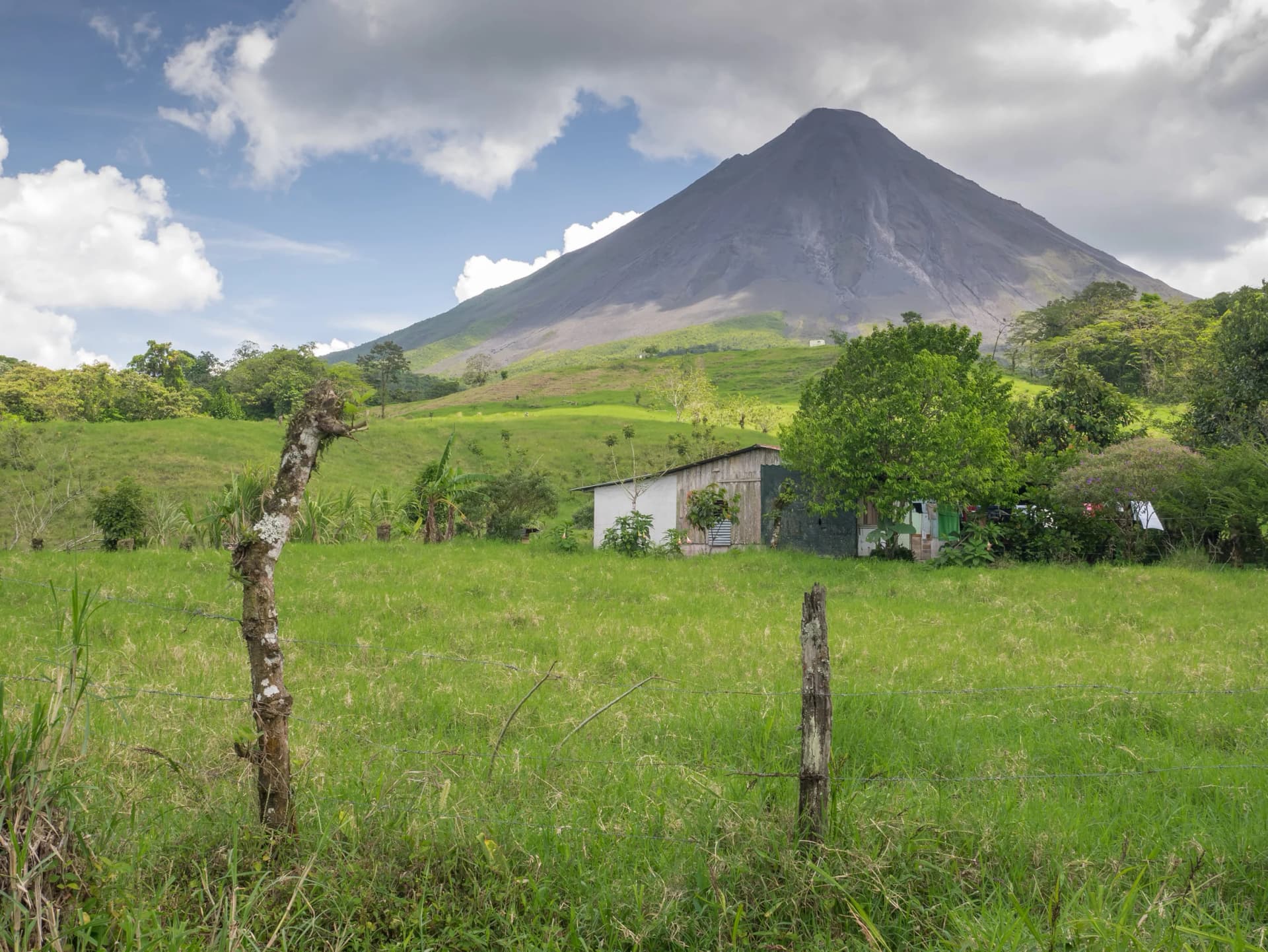
Arenal Volcano

Mistico Arenal Hanging Bridges


