
Catedral Metropolitana de la Ciudad de Mexico
Open now
Catedral Metropolitana de la Ciudad de Mexico
Calle Plaza de La Constitucion S/N Centro Histórico de la Cdad, Mexico City 06000 Mexico Posted by Brandon B.Admin
Overview
The Catedral Metropolitana de la Ciudad de Mexico stands on the Plaza de la Constitucion in the heart of Mexico City's historic center. It is the largest cathedral in the Americas and one of the oldest, with construction beginning in 1573 and continuing for nearly 250 years. The building occupies the exact site where the Templo Mayor, the main Aztec temple, once stood before the Spanish conquest.
Walking into this cathedral is stepping into layers of history. The structure itself tells a story through its architecture, from the Renaissance and Baroque elements that dominate its facade to the intricate details inside. The scale alone commands respect: the cathedral can hold up to 5,000 people. For visitors to Mexico City, this is not a building to rush through or skip.
Why this place matters
This cathedral represents the collision and fusion of two worlds. The Spanish built it on indigenous sacred ground using architectural styles from Europe, yet the craftsmanship and materials reflect Mexico itself. It has served as the seat of the Catholic Church in Mexico for centuries and remains deeply significant to Mexican religious life and cultural identity.
The cathedral also documents centuries of engineering challenges. The building was constructed on the site of a former lake, and the soft ground beneath has caused the structure to settle unevenly over time. You can see this subsidence in the tilted floors and the gaps that have opened in the walls. The ongoing work to stabilize and restore it is a testament to how seriously Mexico takes preserving this landmark.
Quick facts
- Construction began in 1573, with the main structure completed by 1813
- Capacity of approximately 5,000 people
- Located on the Plaza de la Constitucion, directly adjacent to the Templo Mayor archaeological site
- General admission is free; guided tours available at modest cost
- Open daily, though hours vary depending on masses and services
- The Sagrario Metropolitano, a separate church building, stands directly next to it
Getting there
The cathedral sits in the Centro Historico, Mexico City's oldest neighborhood. If you are using the metro, the Zocalo station (line 2) deposits you directly at the plaza. The walk from the station to the cathedral entrance takes less than five minutes.
If you arrive by car or taxi, the plaza itself is pedestrian-only, so you will need to park nearby and walk. Street parking in this area can be tight during peak hours. Several paid parking lots operate within a five to ten minute walk of the cathedral. Arriving early in the morning, before 10 am, gives you the best chance of finding street parking and experiencing the cathedral with fewer crowds.
The layout and experience
The exterior presents a monumental facade that takes time to study properly. The front faces the plaza, and you can see the two bell towers that flank the main entrance. The stone work shows signs of settling and age, with visible cracks and repairs throughout. Rather than detract from the experience, these marks of time add weight to what you are witnessing.
Inside, the cathedral opens into a vast nave with soaring ceilings. Your eyes adjust to the light filtering through the stained glass windows. The scale of the interior becomes clearer as you walk forward. The floors are uneven in places, a physical reminder of the ground beneath shifting over centuries. The main altar sits at the far end, ornate and intricate, drawing your gaze forward.
The Choir, located in the central nave, features carved wooden details and is one of the most photographed interior elements. The chapels that line the sides of the cathedral each have their own character and decoration. If you are visiting during a service, you will experience the cathedral as it was intended to be used, though you should be respectful and quiet.
Main highlights
The Altar Mayor, or main altar, is the focal point of the interior. It is covered in gold leaf and features intricate carvings and religious iconography. The craftsmanship is extraordinary, though the scale of the cathedral means it feels distant from most vantage points inside.
The organ, positioned above the main entrance, is another major feature. The instrument is massive and visible from throughout the cathedral. When it plays during services, the sound fills the entire space.
The Sagrario Metropolitano, the separate church building attached to the main cathedral, is worth entering if you have time. It has its own entrance and its own character, with a different architectural style and a more intimate scale. Some visitors find it equally rewarding or even prefer it to the main cathedral for this reason.
The chapels dedicated to various saints are scattered throughout. The Chapel of the Kings, the Chapel of Reliquaries, and others each contain artwork, sculptures, and religious objects of significance. You can spend considerable time moving through these if religious art and history interest you.
History and background
The construction of the cathedral took place in stages over nearly two and a half centuries. The first stones were laid in 1573, about 50 years after the Spanish conquest. The main structure was completed by 1813, though decoration and renovation continued long after. This extended timeline means the cathedral incorporates multiple architectural styles, with earlier Renaissance elements giving way to more ornate Baroque details as construction progressed.
The cathedral was built directly on top of the Templo Mayor, the central temple of the Aztec capital Tenochtitlan. This was deliberate: the Spanish sought to replace indigenous sacred space with Christian sacred space. The Templo Mayor ruins are now an archaeological site located just next to the cathedral, and you can visit them to see what stood before.
Over the centuries, the cathedral has endured earthquakes, subsidence, and changing political circumstances. During the Mexican Revolution and in the decades following, the building suffered damage and neglect. Major restoration efforts began in the late 20th century and continue to this day. The foundation work, though not visible from above, has involved injecting chemicals and materials deep underground to stabilize the structure.
Tickets and entry
General admission to the cathedral is free. You can enter and walk through the main space without paying. However, the cathedral is an active place of worship, so you may encounter roped-off areas during services, and certain times will be busier than others.
Guided tours are available through various operators in the plaza outside. These tours typically focus on the history and architecture of the building and tend to be mid-range in cost. A guided tour lasts roughly one to two hours, depending on the tour operator and the level of detail.
If you want to climb the bell towers or access certain restricted areas, you may need to arrange this separately or as part of a specialized tour. Check with the cathedral staff or tour operators in the plaza for current options.
Best time to visit
Early morning, between 8 am and 10 am, offers the quietest experience. The light is also excellent at this time, streaming through the windows and illuminating the interior in a way that changes as the sun moves.
Weekdays tend to be less crowded than weekends, though the cathedral draws visitors year-round. If you want to experience a service, Sunday mornings are when the cathedral is most actively used, and the singing and organ music add an atmospheric dimension you will not get during silent visits.
Avoid visiting during major Catholic holidays or feast days if you prefer a quieter experience, as the cathedral will be packed with worshippers. However, if you want to see the cathedral in its intended context, these times offer that perspective.
Photography tips
The exterior is best photographed from the plaza itself, especially in the morning light when the stone facade is well-lit and shadows create depth. The two bell towers frame the entrance nicely. Step back as far as the plaza allows to capture the full facade, or get closer to emphasize the texture and details of the stonework.
Inside, the lighting is dim and comes primarily from stained glass windows and high openings. A camera with good low-light performance will serve you better than relying on flash. Photographing down the nave toward the altar creates a sense of the space's scale. The choir and its wooden carvings make good close-up subjects.
The Sagrario Metropolitano, with its separate entrance and different character, photographs differently and can provide variety if you are spending time in the area. The chapel interiors are often easier to photograph than the main nave because of their smaller scale and sometimes better lighting.
Check for current photography policies before bringing a tripod or professional equipment, as rules may apply to commercial or extensive photography.
Facilities and preparation
The cathedral has restrooms inside, though they are not always immediately obvious. Ask a staff member if you need help locating them. The building can be cool inside, even on warm days, so bringing a light jacket is sensible.
There is no food service inside the cathedral itself. Restaurants and cafes are abundant in the surrounding Centro Historico neighborhood, and the plaza itself often has vendors. Plan to eat before or after your visit rather than expecting to grab something quickly while you are there.
The cathedral is wheelchair accessible, though the uneven floors mean the experience of moving through the building may be more challenging than in a modern structure. Check with staff about the most accessible routes if mobility is a concern.
Combining with nearby attractions
The Templo Mayor archaeological site is immediately adjacent to the cathedral. Spending an hour or two exploring the ruins and the on-site museum provides direct context for understanding why the cathedral was built where it was and what it replaced. Many visitors do both in a single morning.
The Palacio Nacional sits on the opposite side of the plaza. It is also open to visitors and worth seeing if you have time. Its murals by Diego Rivera are world-famous, and the building itself is architecturally significant.
The Museo del Templo Mayor, also next to the cathedral, houses artifacts from the Aztec temple and provides deeper understanding of the pre-conquest city. If you are interested in the history and archaeology, this museum is essential context.
The Centro Historico neighborhood contains dozens of colonial buildings, smaller churches, museums, and markets. An afternoon or full day spent walking through this area provides a rich sense of Mexico City's oldest layers.
Sample visit plan
Arrive at the cathedral by 9 am. Spend 30 to 45 minutes walking through the main space, visiting the chapels, and taking in the architecture and light. If you have interest in religious art and history, allow closer to an hour. Step outside onto the plaza and walk around the exterior, examining the stonework and towers from different angles. This takes another 15 to 20 minutes.
If you want to visit the Sagrario Metropolitano, allocate another 20 to 30 minutes. Then head to the Templo Mayor, which you can explore in 30 to 90 minutes depending on your interest level and whether you visit the museum. By early afternoon, you will have experienced the major sites in this area and can move on to other parts of the city or stay to explore the Centro Historico further.
Practical tips
- Dress respectfully. Covered shoulders and knees are appropriate, especially if you are visiting during a service
- The plaza itself is often busy with street vendors and informal guides. Politely decline if you do not want assistance
- Bring water, as the cathedral interior has no drinking fountains readily available
- The ground beneath the building is still settling, so uneven floors are normal and not a sign of structural danger in the present moment
- If you speak Spanish, the cathedral staff are often willing to share details about specific elements if you ask
- The best light inside comes through the stained glass between roughly 10 am and 2 pm, depending on the season
- Visit the plaza in the evening to see the cathedral illuminated, which offers a different and dramatic perspective
FAQ
Is there an entrance fee? General admission is free. Guided tours cost extra, but they are optional.
How long does a typical visit take? Most visitors spend 45 minutes to 90 minutes inside the cathedral. If you add the Sagrario Metropolitano and the Templo Mayor, plan for three to four hours in the area.
Can I attend a service? Yes, services are held regularly and are open to visitors. Be respectful and quiet. Check the posted schedule for times.
Is the cathedral wheelchair accessible? Partially. The entrance is accessible, but the uneven floors and some narrow areas present challenges. Contact the cathedral ahead of time to discuss your specific needs.
Why is the building tilted? The cathedral was built on soft ground that was once part of a lake. Over 400 years, the building has settled unevenly, creating the visible tilt and cracks. Ongoing stabilization work addresses this.
The Catedral Metropolitana de la Ciudad de Mexico is more than a tourist attraction. It is a working cathedral where locals worship, a historical document written in stone, and a symbol of Mexico's complex past. Whether you come for the architecture, the history, the religious significance, or simply to stand in a space that has endured for nearly 450 years, the cathedral rewards your time and attention.
Opening hours
Reviews
Sign in and mark this place visited to leave a review.
No reviews yet.
Free Trip Planner
Plan your Mexico trip with our free planner
Build a day-by-day itinerary with AI suggestions, hand-picked places, and friends. Free forever — no credit card.
Things to see near Catedral Metropolitana de la Ciudad de Mexico
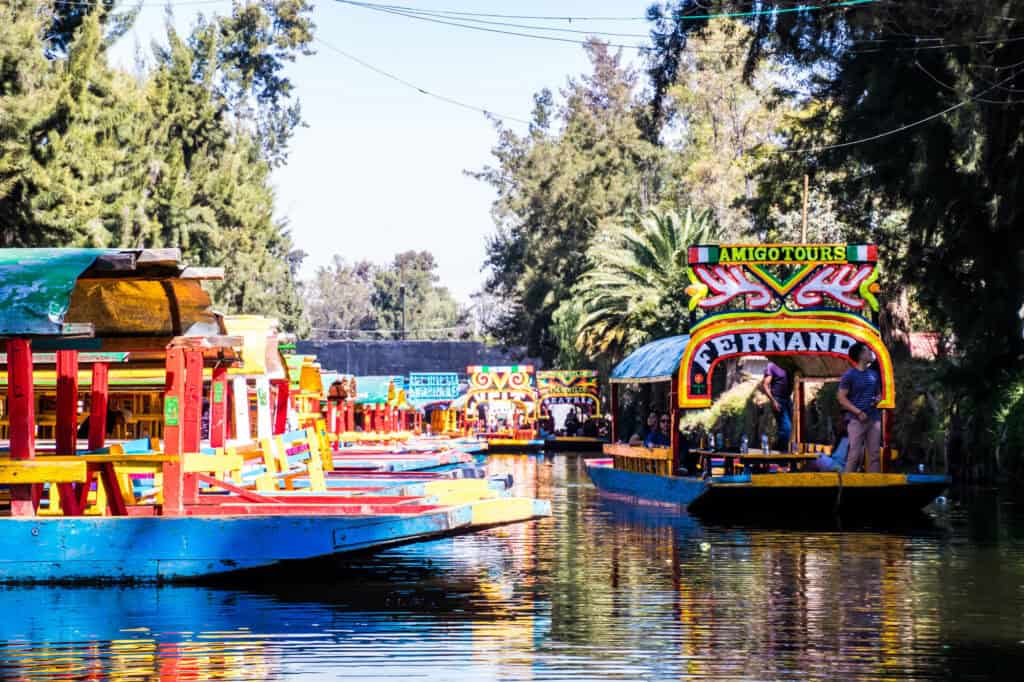
Xochimilco
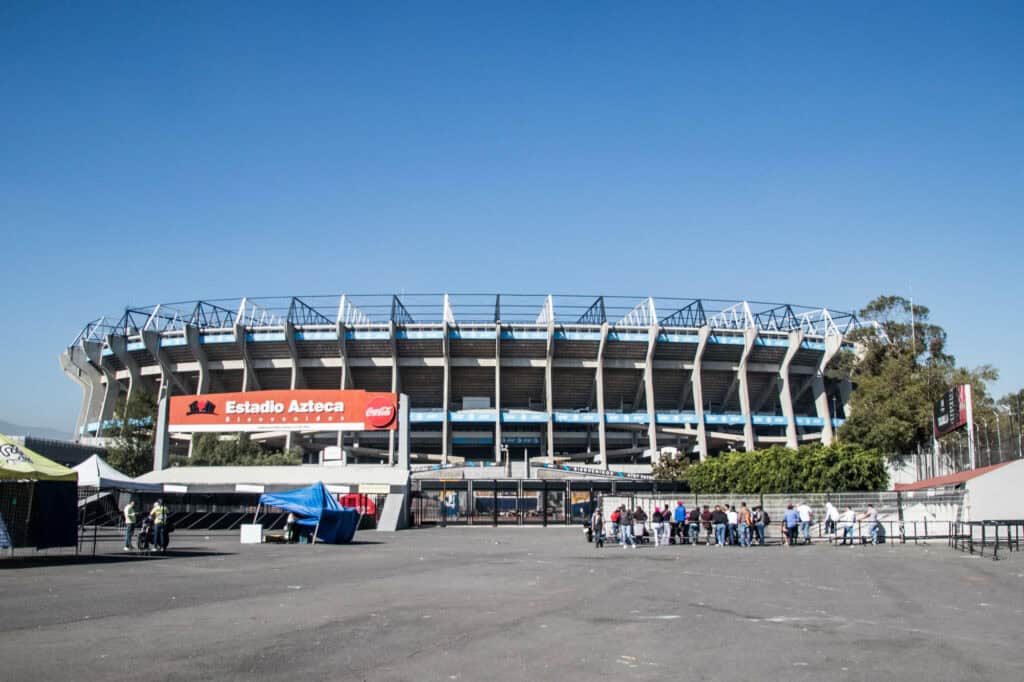
Aztec Stadium

Frida Kahlo Museum

National Film Archives of México
Places to eat or drink near Catedral Metropolitana de la Ciudad de Mexico

Sud 777

Fonda Margarita

El Huequito


