
8 Tips for Eating Well in Mexico City
By
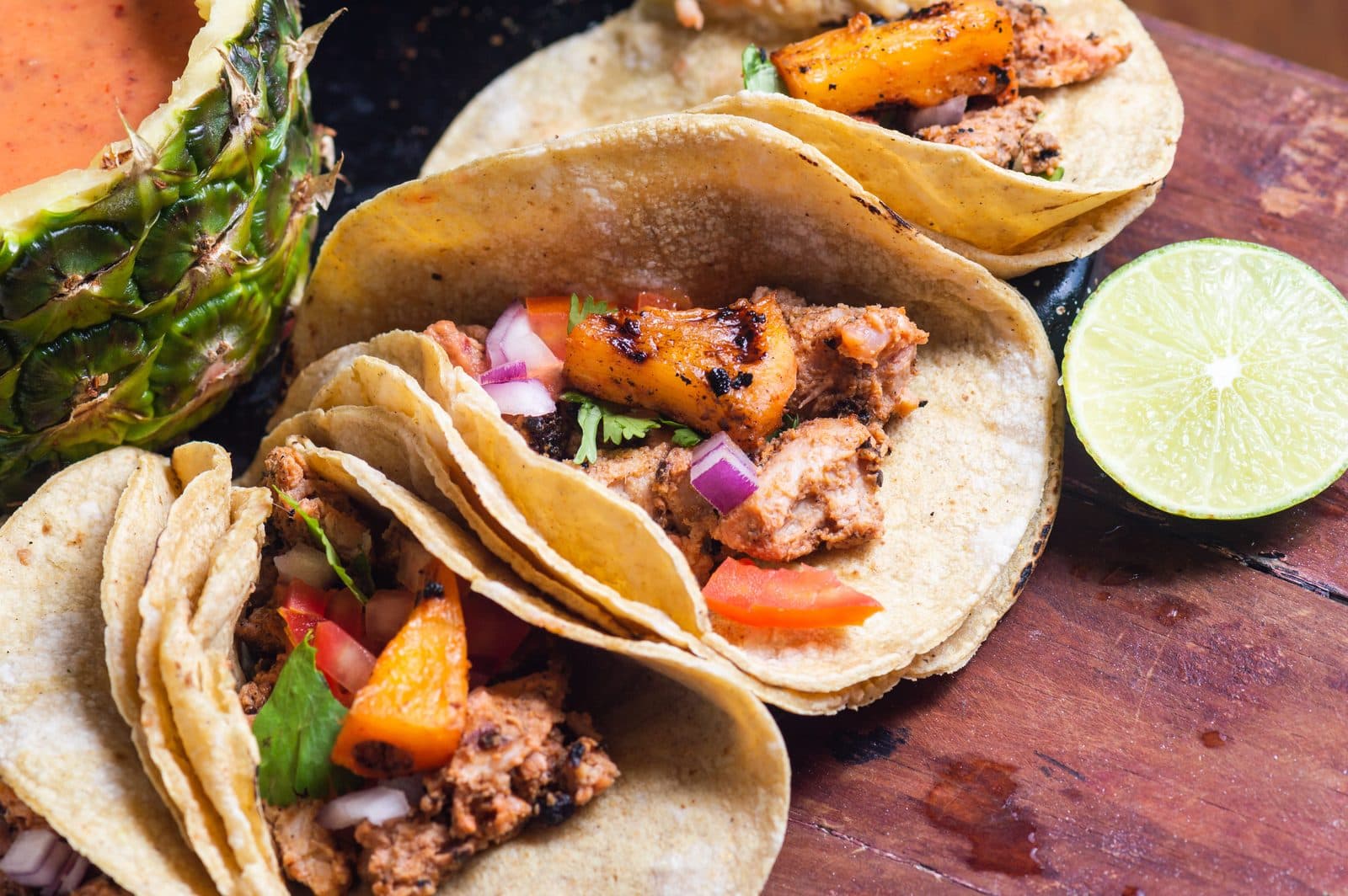
A taco stand with no visible menu, a line of office workers, and a stack of tortillas wrapped in cloth — that combination usually means the food is good. Mexico City rewards people who know how to read these signals, and punishes those who stick to whatever's closest to the hotel. With over 25,000 restaurants and food stalls across the city, the gap between an average meal and a memorable one often comes down to a handful of habits. Here's how to close that gap.
Eat where the line is long but moves fast
A long line that moves quickly tells you two things: the food turns over constantly, so it's fresh, and locals trust the place enough to wait. This is especially true for tacos al pastor, where the meat needs to be cut straight off the trompo and served immediately. If a stand has no line at all during lunch hours in a busy neighborhood, take that as a warning sign rather than a lucky break.
Contrast this with a line that barely moves — often a sign of a single overwhelmed cook or a kitchen not built for volume. Watch for a few minutes before committing. The best stands have a rhythm: someone taking orders, someone grilling, someone wrapping, all moving at the same pace.
Learn the difference between a taquería, a fonda, and a mercado
These three words describe very different eating experiences, and knowing which one you're walking into changes your expectations. A taquería specializes in tacos and little else, usually open late and built for speed. A fonda is a small, often family-run spot serving a daily comida corrida — a fixed, multi-course lunch that changes based on what's fresh that day.
Mercados, the public markets, are where you'll find both ingredients and prepared food side by side, often from the same families for generations. Mercado San Juan, Mercado de Medellín, and Mercado Roma all offer different versions of this experience. Knowing which category a place falls into helps you order appropriately instead of asking a taquería for a three-course meal.
Order the daily special instead of the menu
Many sit-down restaurants, particularly fondas, print a general menu but actually run on a daily special system tied to what arrived at the market that morning. Asking "¿Qué hay de guisado hoy?" — what stews do you have today — often unlocks a shorter, better list than what's printed. These dishes are usually cheaper too, since they're built around seasonal and surplus ingredients.
This approach also solves the problem of overwhelming menus at larger restaurants. Instead of reading through 40 items, you narrow the decision to three or four dishes the kitchen is actually focused on that day.
Drink the agua fresca, skip the soda
Agua frescas — fruit waters made fresh daily, usually in large glass jars at the front of a restaurant — are one of the more reliable indicators of a kitchen that cares about detail. Flavors shift by season: jamaica (hibiscus) and horchata are constants, but you'll also find guava, cucumber-lime, or tamarind depending on the month. These drinks are usually less sweet than bottled soda and pair better with spicy food.
If you see a restaurant making its own aguas frescas rather than just stocking a cooler of Coca-Cola, that's generally a good sign about the kitchen overall. It signals a willingness to do the extra prep work that cheaper, lazier places skip.
Time your meals around local schedules, not your hotel's
Mexico City eats lunch late, typically between 2 and 4 p.m., and dinner is often a lighter, smaller affair eaten after 8 p.m. or skipped entirely in favor of a torta or quesadillas from a street stand. Showing up at a sit-down restaurant at 6 p.m. expecting a full dinner service can mean an empty room, a kitchen not fully staffed, or a menu still running on lunch specials. Adjusting your schedule to match local patterns usually means better food and more attention from the kitchen.
Use a guided walk to calibrate your palate early
Spending a day or two on one of the organized Mexico City food tours early in a trip can save a lot of guesswork later. A good guide points out which salsas are made in-house, which tortillas are nixtamalized on-site, and which combinations are actually traditional versus tourist-oriented. After that orientation, it becomes much easier to evaluate stands and restaurants independently for the rest of the stay.
Carry small bills and coins everywhere
Street food vendors and small fondas rarely break large bills, and asking a taco stand to make change for a 500-peso note during a lunch rush is a fast way to get an irritated look. Keep a stock of 20, 50, and 100-peso notes specifically for street food, and treat ATM withdrawals accordingly. This small logistical habit removes friction from dozens of small transactions throughout a trip.
The real skill in eating well here isn't memorizing a list of restaurant names before arriving. It's reading the signals — the lines, the drinks, the schedules — and letting them guide each decision in the moment. That instinct, once built, keeps paying off long after the trip ends.