
Cathedral of St. Michael and St. Gudula
Cathedral of St. Michael and St. Gudula
Place Sainte-Gudule - Sinter-Goedeleplein, 1000 Brussels, Brussels-Capital, Belgium Posted by Brandon B.Admin
The Cathedral of St. Michael and St. Gudula, Brussels
The Cathedral of St. Michael and St. Gudula stands at the top of Treurenberg hill, roughly a five-minute walk from the Grand-Place, and it is easily the most architecturally serious building in Brussels. Most visitors sweep past it on their way to the chocolate shops and waffle stands below, which is a genuine shame. Step inside and you find yourself in a Gothic nave that took nearly three centuries to complete, with stained glass that catches the light differently every hour of the day.
As the national church of Belgium, this cathedral has hosted royal weddings, state funerals, and the annual Te Deum mass attended by the Belgian royal family. It is not a museum. It is a working Catholic cathedral, and that distinction shapes everything about a visit here.
Why This Place Matters
Belgium does not have a shortage of Gothic churches, but St. Michael and St. Gudula carries a weight that the others tend not to. The dual dedication itself tells you something. St. Michael is the patron saint of Brussels, while St. Gudula, a Flemish noblewoman who died around 712 AD, is the city's other patron. Their pairing under one roof reflects the layered identity of a capital that has always been pulled between different traditions and languages.
The cathedral also functions as the spiritual center of the Belgian monarchy. That connection to living national life, not just medieval history, is what separates it from a purely heritage site.
Quick Facts
- Full name: Cathedral of Saints Michael and Gudula (Cathédrale des Saints Michel et Gudule in French, Sint-Michiels- en Sint-Goedelekathedraal in Dutch)
- Location: Place Sainte-Gudule, 1000 Brussels, a short walk uphill from the Gare Centrale train station
- Style: Brabantine Gothic, with construction spanning roughly from the 13th to the 16th century
- Status: Roman Catholic cathedral and minor basilica; national church of Belgium
- Entry: The main nave is free to enter; a small fee applies for the crypt and treasury
- Photography: Permitted in most areas without flash
Getting There
The easiest approach is from Gare Centrale, Brussels's central train station. Exit the station and walk uphill along Cantersteen for about three minutes until you reach the cathedral's main forecourt. If you arrive by metro, the Gare Centrale stop on lines 2 and 6 puts you at the same starting point.
From the Grand-Place, it is a steeper but straightforward walk up Rue du Beurre and then Rue de la Montagne, taking roughly seven to ten minutes depending on your pace. The hill is real, so wear shoes you trust.
The Layout and Experience
The cathedral is built on a classic cruciform plan. The nave runs west to east and is flanked by double aisles on each side. The choir and apse sit at the eastern end, and the transept arms extend north and south. What strikes most people first is the sheer height of the nave, which draws your eyes upward immediately on entry.
The stained glass windows are the dominant visual experience. The most celebrated are the 16th-century windows in the transepts, commissioned by Habsburg royalty and depicting figures like Charles V and his wife Isabella of Portugal. They are large, detailed, and in surprisingly good condition given their age. The light coming through them on a clear morning is worth the walk up the hill on its own.
Below the nave, a Romanesque crypt survives from an earlier chapel that predates the Gothic construction. Visiting the crypt requires a separate ticket, but it gives you a grounding layer of history that the main nave alone cannot provide. Archaeologists have found remains of even older structures beneath it, pushing the site's religious use back well before the current building.
The treasury holds vestments, reliquaries, and religious objects accumulated over centuries. It is a compact collection, but the craftsmanship of some pieces is genuinely remarkable if you take the time to look carefully.
History and Background
The story of this site begins long before the Gothic towers you see today. A chapel dedicated to St. Gudula existed on this hill from at least the early 11th century. Construction on the current Gothic structure began in the early 13th century, starting with the choir. Work continued in phases across different architectural campaigns, which is why the building shows subtle shifts in style as you move from east to west. The western facade and its two towers were the last major elements completed, in the early 16th century.
The cathedral suffered damage and looting during the religious conflicts of the 16th century and again during the French Revolutionary period in the late 18th century. Restoration work in the 19th century, partly under the influence of Gothic Revival enthusiasm sweeping Europe at the time, brought it closer to the state you see today. It was elevated to cathedral status in 1961 when the Diocese of Mechelen-Brussels was reorganized.
Best Time to Visit
Mornings on weekdays are consistently the quietest. If you arrive before ten, you will often have long stretches of the nave almost to yourself. The light through the transept windows is at its best in the morning hours when the sun is still low and hitting the glass at an angle.
Avoid visiting immediately after a guided tour bus has arrived, which tends to happen mid-morning and again early afternoon. Weekends bring more visitors, and Sunday mornings mean an active mass, so access to certain areas may be restricted.
The cathedral is particularly atmospheric during Advent and Christmas, when the interior is lit differently and the acoustics carry the choir music in ways the space was clearly designed for.
Photography Tips
Flash photography is not permitted, which is the right call for a building this old. Bring a camera or phone that performs reasonably well in low light. The nave is dimmer than you expect from the outside, especially on overcast days.
The best single shot in the building is looking east down the nave toward the choir, ideally with light streaming through the rose window above. For the stained glass itself, shoot from directly below and slightly to the side to capture the leading patterns without too much glare. The exterior west facade photographs well in the afternoon when the light falls directly on the twin towers.
Combining with Nearby Attractions
The cathedral sits between two very different Brussels experiences. Below the hill, the Grand-Place and its surrounding lanes are ten minutes away on foot and represent the commercial, medieval heart of the city. In the other direction, the Mont des Arts garden complex and the Royal Museums of Fine Arts are a similar distance, offering a very different afternoon if Gothic architecture has given you your fill of the medieval.
The Gare Centrale area also has the BELvue Museum, which covers Belgian history from 1830 onward and provides useful context for the cathedral's role in national life if you want to understand the royal connections more concretely.
Practical Tips
- Dress modestly. Shoulders and knees should be covered, as this is an active place of worship.
- Masses are held on weekdays and multiple times on Sundays. Check the schedule at the entrance before planning your timing.
- The crypt and treasury require a separate paid ticket, available at a desk near the entrance. The combined visit is worth it if you have an hour.
- Silence is expected in most of the building. Groups should keep voices low, particularly near the choir area.
- The main entrance on the west facade can have a short queue in high season. The side doors are sometimes open and less congested.
- Accessibility is limited in some areas due to the building's age. The main nave is accessible, but the crypt involves stairs.
- There is no dedicated parking immediately adjacent. Public transport or walking from a central Brussels hotel is the practical approach.
FAQ
Is the Cathedral of St. Michael and St. Gudula free to visit?
The main nave is free to enter. A small admission fee applies for access to the crypt and the treasury. Most visitors find the combined ticket worthwhile for a fuller picture of the site.
How long should I plan for a visit?
The nave alone can be seen in thirty minutes, but if you include the crypt, treasury, and time to sit and take in the stained glass properly, plan for ninety minutes to two hours.
Can you attend a mass?
Yes. Masses are open to the public. The Sunday morning masses in particular draw a regular congregation and give the building a different energy from a standard tourist visit.
Is it worth visiting if you have already seen other Belgian Gothic cathedrals?
The cathedrals in Ghent and Antwerp are often cited alongside this one, and each has its own strengths. St. Michael and St. Gudula is distinctive for its royal connections, its position as a national church, and the quality of its Habsburg-era stained glass. It holds its own.
Reviews
Sign in and mark this place visited to leave a review.
No reviews yet.
Free Trip Planner
Plan your Belgium trip with our free planner
Build a day-by-day itinerary with AI suggestions, hand-picked places, and friends. Free forever — no credit card.
Related reading
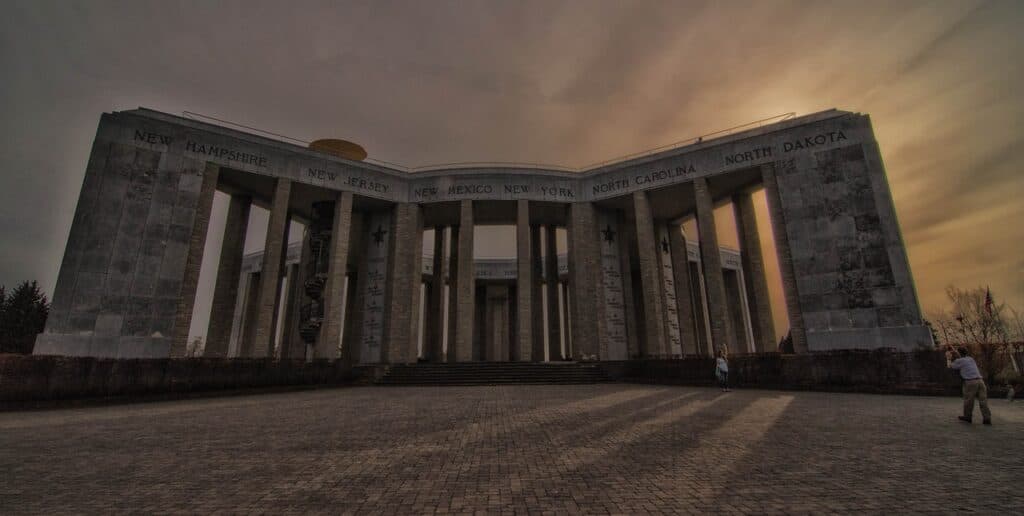
Things to see near Cathedral of St. Michael and St. Gudula

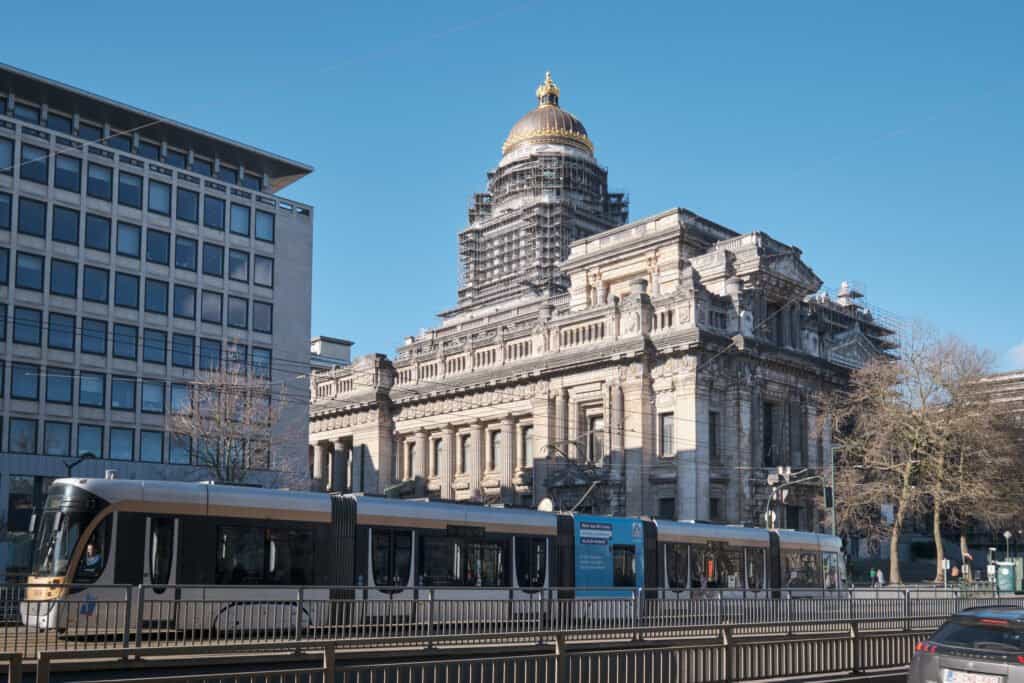
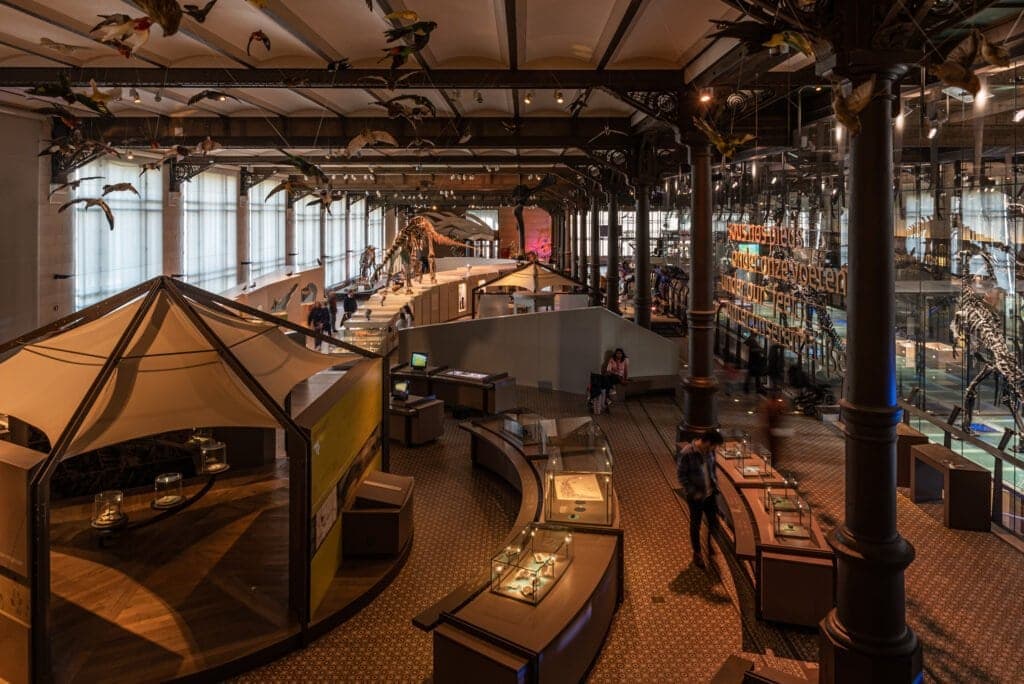
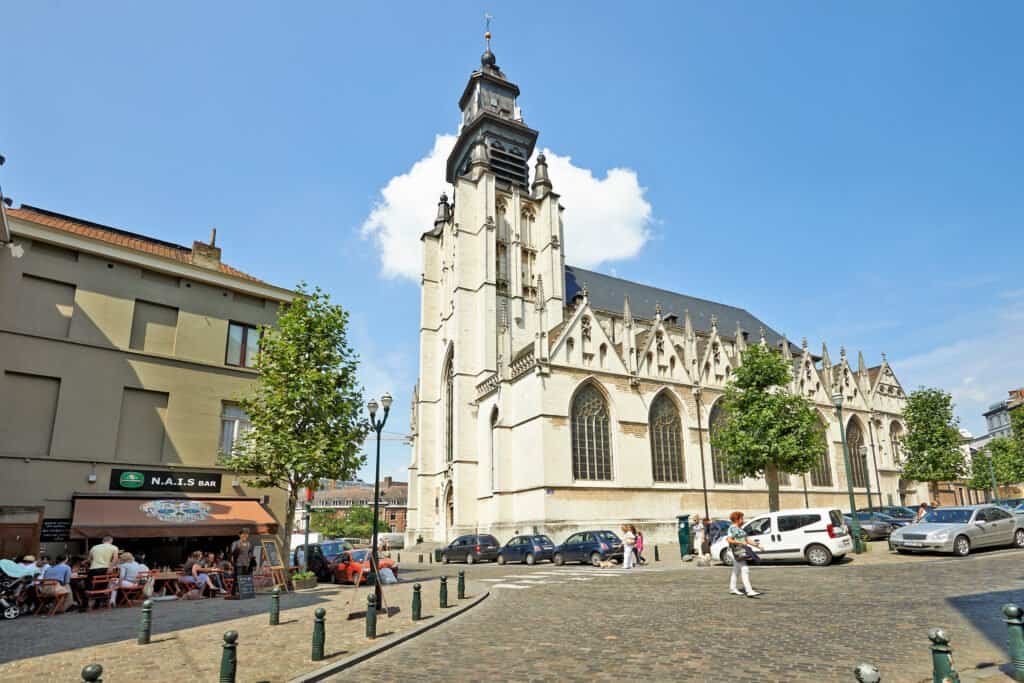
Places to eat or drink near Cathedral of St. Michael and St. Gudula


More places in Brussels
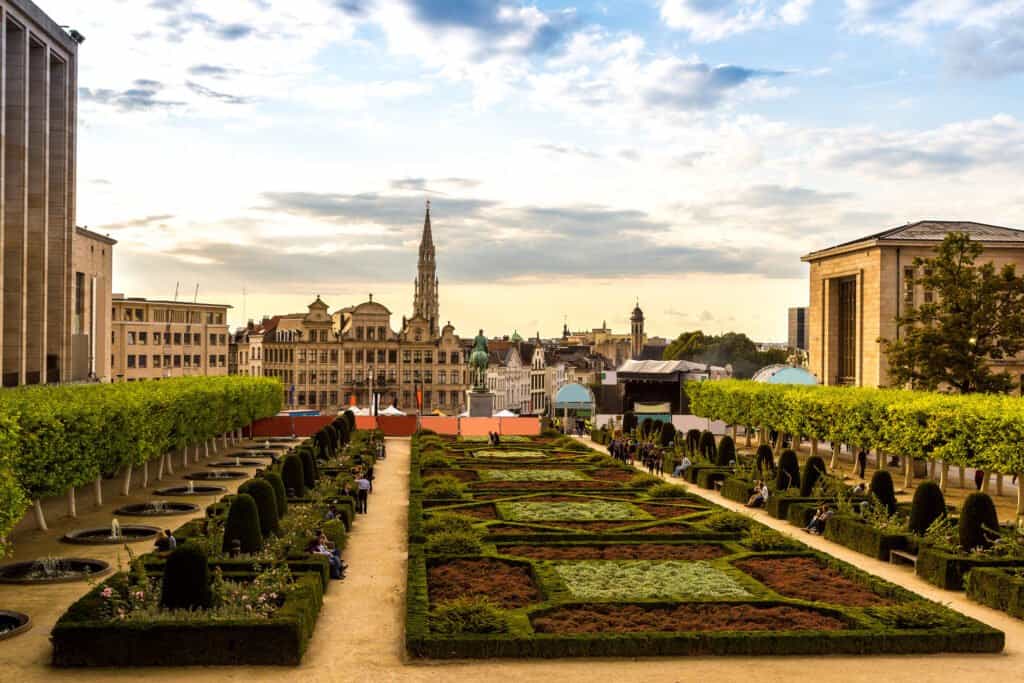
Art Mountain (Mont des Arts)

Parlamentarium
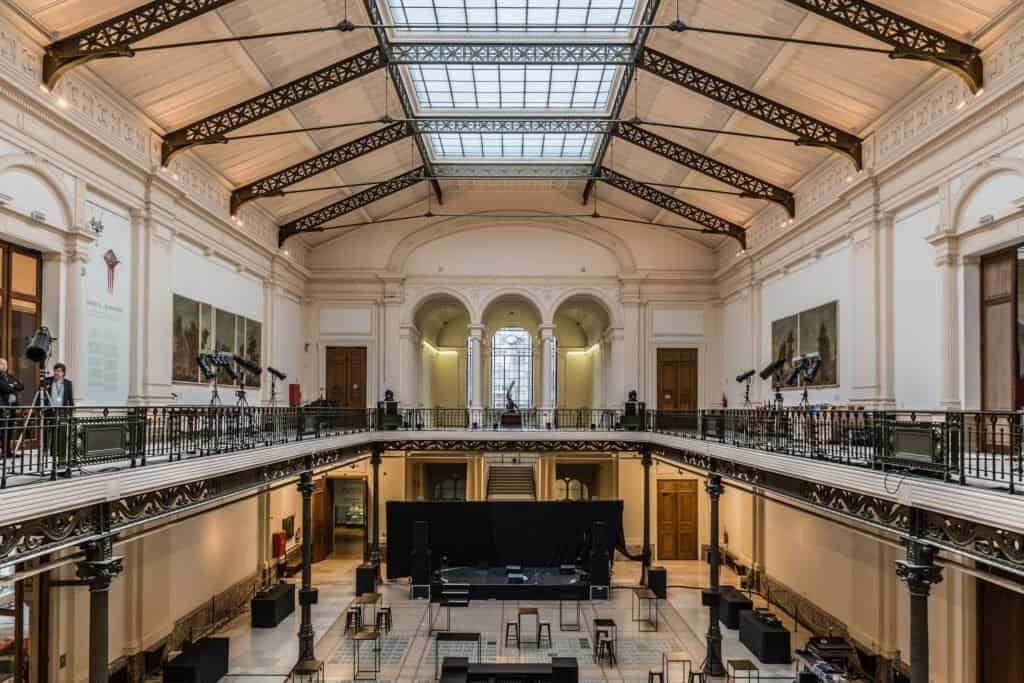
Royal Museums of Fine Arts of Belgium
