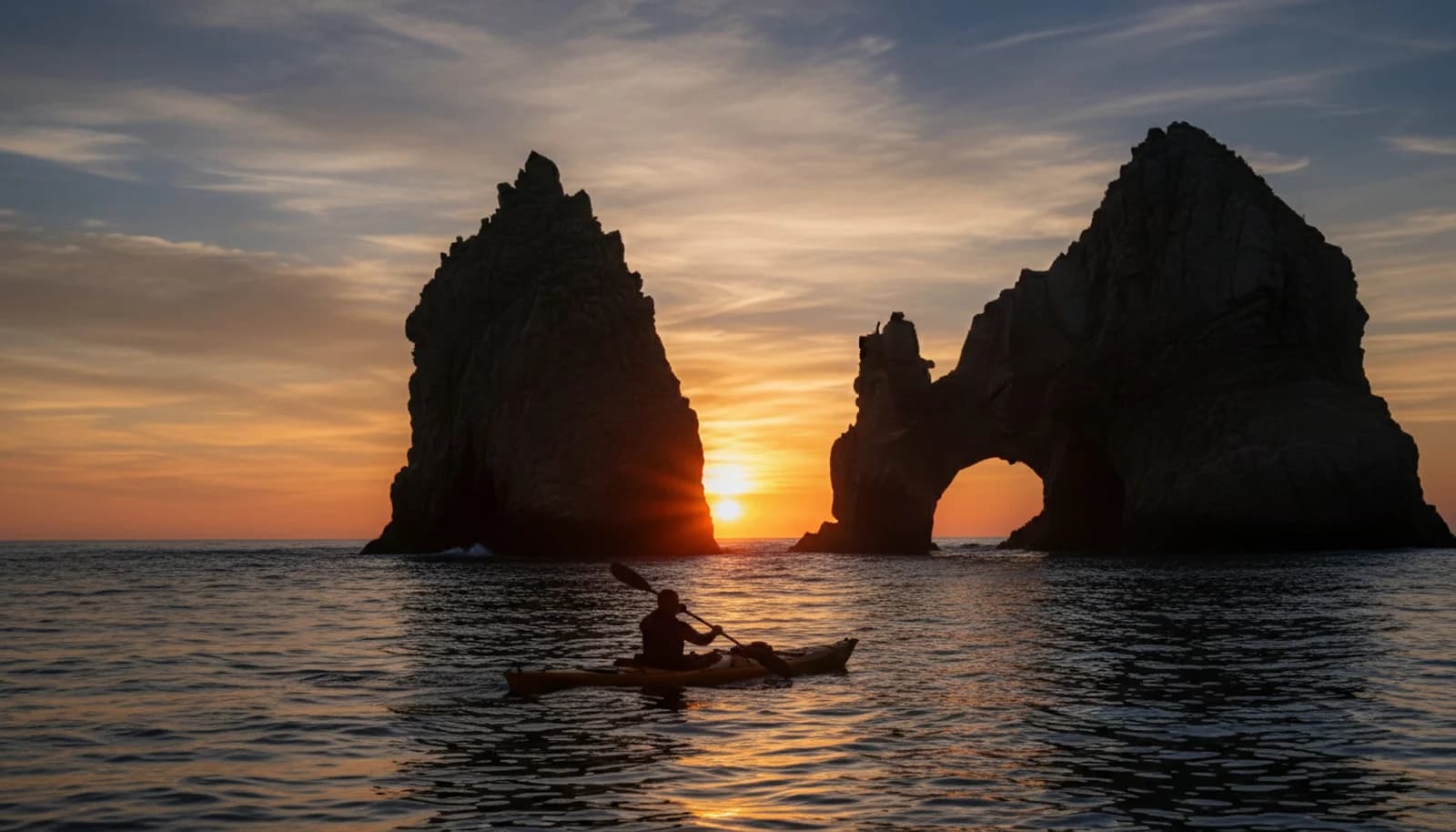
Chileno Beach
Hwy 1 Km 14.5, Cabo San Lucas 23410 Mexico Posted by Brandon B.Admin
Overview
Chileno Beach sits on the Pacific side of the Baja California peninsula near Cabo San Lucas, accessible via Highway 1 at kilometer marker 14.5. The beach is known for calm, clear waters that slope gradually into the ocean, making it one of the few swimmable and snorkeling-friendly beaches in the immediate area. Unlike the dramatic rock formations that define much of Cabo's coastline, Chileno offers a more conventional beach experience with sand, accessible entry, and visible marine life just offshore.
The beach draws a mix of day-trippers, families, and snorkelers. It occupies a small cove bordered by low rocky outcrops on either side, which help shelter the water and create natural barriers for fish. The setting feels less crowded than the main tourist beaches closer to town, though it is not remote or untouched.
Why this place matters
Chileno is one of the few places near Cabo San Lucas where you can enter the ocean directly from sand without navigating rocks or needing a boat. In a region defined by El Arco and dramatic coastal cliffs, this straightforward beach access is valuable. The shallow, protected waters make it practical for families with children and for anyone wanting to snorkel without specialized equipment or a guided tour.
The marine life visibility here is notably better than at the downtown beaches. Fish congregate in the shallows, and on most days you can see them from shore or from just a few meters out in the water. This accessibility to snorkeling has made it a quiet reference point for visitors who want to experience Cabo's underwater ecology without the infrastructure of a resort.
Quick facts
- Location: Highway 1 at kilometer 14.5, about 10 to 12 minutes north of downtown Cabo San Lucas by car
- Beach type: Sandy cove with gradual slope into calm water
- Entry fee: None
- Parking: Unpaved lot at the trailhead, capacity limited, free
- Best for: Families, snorkelers, day swimmers
- Water conditions: Sheltered cove, generally calmer than open coast
- Facilities: Minimal on-site; nearby restaurants and shops in downtown Cabo
Getting there
From downtown Cabo San Lucas, head north on Highway 1. The beach entrance is marked by a small parking area on the west side of the highway at kilometer 14.5. The drive takes 10 to 12 minutes depending on traffic. There is no public bus service to Chileno, so you will need a car, taxi, or arranged transportation.
The parking lot is unpaved and fills on busy days, particularly weekends and holidays. Arrive early if you want a spot close to the trailhead. The walk from the lot to the beach is short, roughly 5 to 10 minutes downhill on a sandy path. The path is not paved but is well-worn and easy to follow.
The layout and experience
The beach itself is a shallow, crescent-shaped cove about 100 to 150 meters wide. Sand extends into the water at a gentle angle, so you can wade out 20 or 30 meters and still have water at waist depth. The seafloor is mostly sand with patches of small rocks and coral outcrops beginning around 3 to 5 meters out.
The rocky arms of the cove frame the beach on both sides. These rocks are navigable if you move carefully, and some visitors use them as vantage points for photography or to access slightly deeper snorkeling zones. The rocks are not sharp enough to require special footwear for casual wading, but water shoes or reef sandals will protect your feet if you venture beyond the main beach.
There are no lifeguards, beach chairs, umbrellas, or food vendors on the beach itself. You will need to bring your own shade, water, and snacks. A few informal palapa-style restaurants and small shops sit just above the beach, accessible via the same path, though they operate inconsistently depending on the season and day of the week.
Main highlights
Snorkeling is the primary draw. The shallow, clear water and abundance of small tropical fish make it possible to snorkel in street clothes and basic mask and fins without joining a tour. You will see sergeant majors, parrotfish, groupers, and other species common to the Pacific side of the peninsula. The experience is not as dramatic as a guided snorkel trip to deeper reefs, but it is accessible and real.
Swimming in calm water is the second main appeal. The gentle slope means you can wade to comfortable depths without sudden drops, and the sheltered cove keeps waves and current to a minimum on most days. This makes it safer for children than many other beaches in Cabo.
The cove itself is visually pleasant without being spectacular. The water is a clear blue-green, the sand is light, and the surrounding rocks have texture and warmth in afternoon light. If you are interested in coastal geology, the rocky outcrops show volcanic basalt formations typical of the Baja peninsula.
History and background
Chileno Beach is named after the small nearby community of Chileno, an older settlement that predates modern Cabo San Lucas as a tourist destination. The beach has long been used by local fishermen and residents. Its rise in popularity among tourists parallels the broader development of Cabo as a destination, though it has remained quieter than the central beaches near the marina and El Arco.
The cove's marine ecosystem benefits from its sheltered position. The rocky arms act as a natural fish trap and nursery, concentrating small species in the shallow water. This ecological feature is why snorkeling is reliably productive here compared to other nearby beaches.
Best time to visit
The best time to visit Chileno is October through April, when water temperatures are cooler but still swimmable and the air temperature is mild. During these months, the sun is less intense and the beach is less crowded than in peak summer. December through February is the driest season and has the most predictable weather.
May through September is the hot season. Water temperatures climb above 28 degrees Celsius, and afternoon thunderstorms are common. The beach is quieter during these months, but the heat and humidity are significant. September and October mark the tail end of hurricane season, so tropical weather is a possibility, though direct hits are rare.
Weekdays tend to be less crowded than weekends and holidays. If you prefer solitude or easier parking, plan your visit for a Tuesday or Wednesday morning.
Photography tips
The cove's frame of rocks creates a natural composition for wide shots. Photograph from the beach looking back at the rocky arms to capture the protected feeling of the location. The water clarity is best in the morning when the sun is lower and the sand is less stirred up.
For underwater photography, a basic waterproof camera or smartphone in a dry bag will capture snorkeling moments. The shallow depth and clear water mean you do not need specialized diving equipment. The light is brightest and colors are most saturated between 10 am and 2 pm.
Avoid shooting directly into the afternoon sun, which can wash out the water and create harsh shadows. The back side of the cove, facing the highway, offers shade and softer light in late afternoon.
Facilities and preparation
There are no restrooms, showers, or changing facilities directly on the beach. Plan to change and rinse off at your hotel or accommodation. Bring fresh water to rinse salt and sand from your skin and hair before driving back to town.
Pack sunscreen, a hat, and a light cover-up. The beach offers almost no natural shade except for the rocky overhangs, which are not practical for extended lounging. An umbrella or small tent will make a full day more comfortable. Bring enough water and food for the duration of your visit, as vendors are unreliable.
If you plan to snorkel, bring your own mask, fins, and snorkel, or rent them from a shop in town before arriving. The beach does not have rental services on-site. Reef-safe sunscreen is preferable to protect coral and marine life.
Combining with nearby attractions
Chileno Beach is 10 to 12 minutes from downtown Cabo San Lucas by car. It pairs easily with a morning or afternoon visit to El Arco, the iconic natural rock arch at the tip of the peninsula, which is another 5 to 10 minutes south. Many visitors combine a snorkel at Chileno with a boat tour or photo stop at El Arco.
The Flora Farms restaurant and farm stand is about 10 minutes inland from Chileno, offering a mid-range dining experience and local produce. Medano Beach, the main tourist beach in downtown Cabo, is close enough for a second beach visit on the same day if you want to compare the atmosphere and water conditions.
For a full day, you could spend the morning at Chileno, lunch at one of the small restaurants above the beach or in the Chileno village, and then drive south to El Arco for sunset photography before heading back to town for dinner.
Sample visit plan
Arrive at Chileno Beach by mid-morning to secure a parking spot and avoid the midday heat. Bring breakfast or eat before you arrive. Spend your first hour swimming and wading to acclimate to the water temperature and get oriented to the cove.
Around 11 am, put on your snorkeling gear and explore the shallow reefs around the rocky arms. Stay in water shallow enough to stand in, and return to shore every 15 to 20 minutes to rest and drink water. The snorkeling is most productive in the morning when fish are active and the light is good.
By early afternoon, the sun becomes intense. If you have brought shade, settle in for a rest. If not, consider returning to your vehicle or heading to one of the informal restaurants for lunch and a cold drink. The beach is less pleasant during peak afternoon heat.
If you are staying in the area, a late afternoon return can work well. The sun angle improves for photography, the temperature drops, and the beach is quieter. Plan to leave by late afternoon to return to town before dark.
Practical tips
- Bring more water than you think you will need. The beach has no vendors or facilities, and dehydration happens fast in the sun.
- Park in the shade if possible. Cars heat up quickly, and your steering wheel and seats will be uncomfortable if you leave it in full sun.
- Wear reef-safe sunscreen to protect coral and fish. Regular sunscreen contains chemicals that damage marine ecosystems.
- Do not touch or stand on coral. Even light contact can kill polyps and damage growth.
- Arrive early on weekends. The parking lot fills by mid-morning on Saturdays and Sundays.
- The path down to the beach can be sandy and loose. Wear shoes that grip, or go barefoot. Do not attempt it in flip-flops if the path is wet.
- Check the weather before you go. The cove offers some protection from wind and waves, but strong storms can make the beach unsafe.
FAQ
Is Chileno Beach safe? Yes, the beach is generally safe for swimming and snorkeling. There are no lifeguards, so you are responsible for your own safety. Avoid the beach during storms or high surf warnings. Do not leave valuables unattended in your car or on the beach.
Can you snorkel at Chileno without a tour? Yes. The shallow, calm water makes independent snorkeling possible. You will need your own gear or rental equipment from town. If you are an inexperienced snorkeler, consider taking a lesson or joining a guided tour for safety and instruction.
What should I bring to Chileno Beach? Bring water, snacks, sunscreen, hat, sunglasses, a light cover-up, and a towel. If you plan to snorkel, bring mask, fins, and snorkel. An umbrella or tent for shade is highly recommended.
Is there food and drink at Chileno Beach? There are a few small restaurants and stands above the beach, but they are not always open. Bring your own food and water to be safe.
How long should I spend at Chileno Beach? Most visitors spend 2 to 4 hours. This allows time for swimming, snorkeling, and rest. A full day is possible if you have shade and supplies, but the beach does not have enough facilities or attractions to justify a very long visit.
Reviews
Sign in and mark this place visited to leave a review.
No reviews yet.
Free Trip Planner
Plan your Cabo San Lucas trip with our free planner
Build a day-by-day itinerary with AI suggestions, hand-picked places, and friends. Free forever — no credit card.