Mt. Solmar
Cabo San Lucas Mexico Posted by Brandon B.Admin
Mt. Solmar: Cabo San Lucas's Iconic Rock Formation
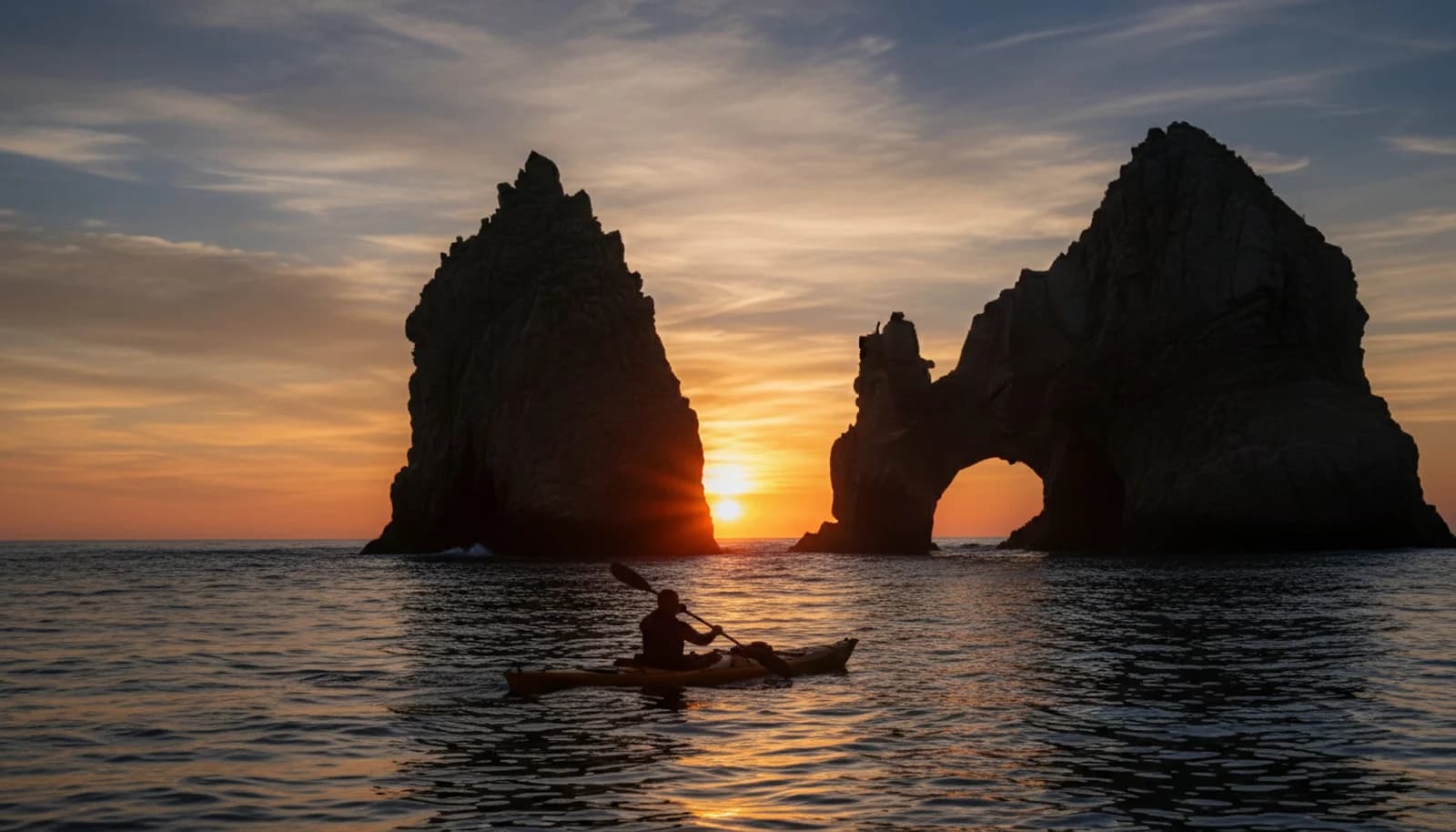
Mt. Solmar rises dramatically from the southern tip of the Baja California Peninsula where the Pacific Ocean meets the Sea of Cortez. This distinctive granite rock formation has become synonymous with Cabo San Lucas, visible from nearly every vantage point in the resort town and recognizable from miles out to sea. The formation's golden hue, especially at sunset, has made it one of Mexico's most photographed natural landmarks. Whether you arrive by land or by boat, Mt. Solmar anchors the geography of Cabo and defines the character of this coastal destination.
Why This Place Matters
Mt. Solmar is not just a scenic backdrop. It marks the literal end of the Baja California Peninsula, a geographic point where two major bodies of water converge. For centuries, sailors used the rock as a navigation landmark. Today, the formation serves as the visual identity of Cabo San Lucas itself, appearing on postcards, in travel guides, and in the memory of nearly every visitor who passes through.
The rock formation also has ecological significance. The surrounding waters support rich marine life, and the area is a departure point for sport fishing and whale watching expeditions that draw thousands of travelers each year.
Quick facts
- Location: Southern tip of Cabo San Lucas peninsula, where two bodies of water meet
- Best viewing: From boat tours, beach, or the Medano Beach waterfront
- Prime photography time: Late afternoon through sunset (golden hour)
- Closest major beach: Medano Beach, directly north of the formation
- Accessible by: Land-based viewing, boat tours, fishing charters, or water taxis
Getting There
If you're staying in central Cabo San Lucas, Mt. Solmar is visible from multiple locations, but the clearest views come from the water or from Medano Beach. The easiest way to experience the formation is to walk or drive to Medano Beach, which stretches north from the rock's base. A 10 to 15 minute walk along the sand from the main beach area brings you to the point where the formation rises most dramatically.
For a closer encounter, book a boat tour. Water taxis, sportfishing charters, and sightseeing cruises all depart from the marina and pass directly beneath or around the rock formation. These tours typically take 30 minutes to 2 hours depending on the package. Many tours combine Mt. Solmar with snorkeling, whale watching (seasonal), or fishing.
If you prefer land-based access, the Cabo San Lucas marina area offers restaurants and bars with direct sightlines to the formation. Some beachfront hotels and resorts position themselves specifically to frame Mt. Solmar in their ocean views.
The Layout and Experience
Mt. Solmar consists of a series of large granite boulders stacked at dramatic angles. The main formation rises roughly 210 feet from the water. The rock's weathered surface, carved by wind and sea spray, creates texture and shadow that shifts throughout the day.
The formation sits at the convergence of two distinct water zones. The Pacific side tends to have rougher conditions and stronger currents. The Sea of Cortez side (to the east) is generally calmer. Boat captains navigate carefully around the rocks, and swimming directly at the base is not recommended due to currents and boat traffic.
From Medano Beach, you can wade into shallow water and photograph the formation from different angles. The beach itself is sandy, sloping gradually into deeper water, and remains busy throughout the day with swimmers and water sports activity.
Main Highlights
The primary draw is the formation itself and the photographic opportunity it presents. The rock changes appearance dramatically depending on lighting conditions, time of day, and weather. Morning light renders it in cool tones and sharp detail. Afternoon light warms the granite and creates deeper shadows. Sunset transforms the entire formation into shades of orange and gold.
If you take a boat tour, you'll experience the formation from water level, a perspective that emphasizes its scale and the power of the surrounding ocean. Many tours time their visits to coincide with sunset, creating a memorable experience as the light shifts across the rock.
The waters around Mt. Solmar support abundant marine life. Boat tours often spot pelicans diving for fish, sea lions lounging on nearby rocks, and occasionally larger marine mammals depending on the season. Winter months bring migrating gray whales, and tours marketed as "whale watching" specifically time their departures to encounter these animals.
History and Background
The formation is a remnant of the Baja California granite batholith, created during the Cretaceous period roughly 100 million years ago. The specific rocks visible today have been shaped by millions of years of erosion, weathering, and the constant action of Pacific tides and currents.
The name "Solmar" comes from "Sol" (sun) and "Mar" (sea), reflecting the formation's relationship to both elements. Local lore holds that the rock has served as a landmark for fishermen and sailors for centuries, though documented use as a navigation point became more common after the area developed as a resort destination in the latter half of the 20th century.
The formation gained particular prominence in the 1970s and 1980s as Cabo San Lucas transformed from a small fishing village into an international resort destination. By the 1990s, Mt. Solmar had become the defining image of the town.
Best Time to Visit
Sunset offers the most dramatic lighting and the best conditions for photography. If sunset is your goal, plan to arrive at Medano Beach or book a boat tour in the late afternoon, timing your arrival for the hour before sundown.
Weather affects both accessibility and appearance. The warmest, driest months run from November through April, with January and February being peak season for tourism. These months also bring whale migration, making winter a good choice if marine life viewing is important to you. Late spring and summer bring heat and occasional afternoon thunderstorms, but the water is warmest and fewer tourists are around.
Hurricane season runs from June through November, with the highest risk in September and October. While major storms are relatively rare, conditions can be unpredictable during this period, and some boat tours may not operate.
Photography Tips
The golden hour, roughly the hour before sunset, provides the most flattering light. Position yourself on Medano Beach with the sun behind or to the side of Mt. Solmar for warm, dimensional light across the rock face.
Boat tours offer angles impossible to capture from land. If you're photographing from a boat, use a fast shutter speed because the boat's movement and wave action create constant motion. Polarizing filters reduce glare from the water surface and deepen the color of the sky.
Wide-angle lenses work well for environmental shots showing the formation against the broader landscape. Telephoto lenses let you compress the rock's layers and emphasize texture. Shoot in the direction that positions the sun to your side rather than behind the camera for better dimension.
Mobile phones can produce good results, especially at sunset when dramatic colors are present. If you're using a smartphone, avoid using digital zoom, which degrades image quality. Step closer physically instead.
Facilities and Preparation
Medano Beach has public facilities including restrooms, showers, and food vendors. The beach is patrolled by lifeguards, and the area is generally safe and well-maintained. Shade is limited on the beach itself, so bring an umbrella or plan your visit for early morning or late afternoon.
If you're taking a boat tour, bring sun protection, a hat, and water. Tours typically last one to three hours depending on the package. Seasickness medication is advisable if you're prone to motion sickness, especially if the ocean is rough. Tours operate year-round, but departure schedules vary by season and operator.
The marina area has restaurants, shops, and services. Hotels and resorts in central Cabo can arrange boat tours, or you can walk to the marina and book directly with tour operators.
Combining with Nearby Attractions
Mt. Solmar sits at the southern edge of Medano Beach, which extends north for about a mile and is lined with restaurants, bars, and water sports operators. You can easily spend several hours on the beach before or after visiting the formation.
The Cabo San Lucas marina, just north of Mt. Solmar, is the departure point for sportfishing charters, whale watching tours, and sunset cruises. Many visitors combine a morning fishing trip with an afternoon at Mt. Solmar.
The downtown Cabo area, with shops and restaurants, is a 10 to 15 minute walk or short drive from Medano Beach. If you're visiting Mt. Solmar at sunset, you can follow that with dinner at one of the many waterfront restaurants nearby.
Sample Visit Plan
A typical visit might unfold as follows. Arrive at Medano Beach in early afternoon, spending an hour or two swimming, wading, and photographing Mt. Solmar from the shore. Walk along the beach toward the formation to experience it from different angles. In late afternoon, either remain on the beach for sunset or book a last-minute boat tour departing from the marina. A one-hour sunset cruise positions you on the water as light shifts across the rock formation. Return to shore as the sun dips below the horizon, then walk to a nearby restaurant for dinner with a view of the illuminated formation.
Practical Tips
- Bring reef-safe sunscreen if you plan to swim. The area supports marine ecosystems, and certain sunscreen chemicals are harmful to coral and fish.
- Water temperature varies by season. Winter months (November through March) are cooler, around 65 to 70 degrees Fahrenheit. Summer water is warmer, around 82 to 85 degrees.
- Medano Beach can get crowded during peak hours and peak season. Early morning or late afternoon visits tend to be less congested.
- If you're prone to seasickness and planning a boat tour, take medication before boarding. The waters around Mt. Solmar can be choppy depending on conditions and tide.
- Many boat tour operators offer discounts if you book directly at the marina rather than through a hotel concierge. Walk to the marina and compare options before committing.
- The formation is visible from many hotel room balconies and beachfront bars throughout Cabo. If you want guaranteed solitude, visit very early morning or late evening.
FAQ
Can you climb Mt. Solmar? No. The formation is protected and climbing is not permitted. The rocks are also unstable and dangerous due to weathering and constant wave action.
Is there an entry fee to visit Mt. Solmar or Medano Beach? No. Medano Beach is public, and viewing the formation from shore is free. Boat tours carry their own cost and typically range from budget-friendly options to upscale packages depending on the operator and experience level.
What's the best way to see Mt. Solmar if I don't want to take a boat? Walk or drive to Medano Beach and position yourself along the shore facing the formation. You can also view it from restaurants, bars, and hotel balconies throughout central Cabo.
When is Mt. Solmar most crowded? Peak tourism season runs from November through April, with the busiest days occurring around holidays and weekends. July, August, and September see fewer visitors, though weather can be less predictable.
Reviews
Sign in and mark this place visited to leave a review.
No reviews yet.
Free Trip Planner
Plan your Cabo San Lucas trip with our free planner
Build a day-by-day itinerary with AI suggestions, hand-picked places, and friends. Free forever — no credit card.