Colonia del Sacramento Port
70000 Colonia del Sacramento, Colonia Department, Uruguay Posted by Brandon B.Admin
Arriving at Colonia del Sacramento Port
Colonia del Sacramento Port is the main gateway into one of Uruguay's most visited towns, sitting right at the edge of the Río de la Plata where the ferry from Buenos Aires drops you off after a crossing that takes roughly an hour. For most travelers, the port is the first thing they see of Colonia, and that first impression matters. The waterfront arrival, with the old town's colonial rooftops visible almost immediately, sets the tone for everything that follows.
The terminal building handles a steady flow of passengers throughout the day, connecting Uruguay and Argentina across what is one of the most traveled river crossings in South America.
Why the Colonia del Sacramento Port matters for your trip
Most international visitors arrive here rather than overland, which makes the port more than just a transit point. It functions as the practical entry into the Barrio Histórico, the UNESCO-listed old quarter that begins just a few minutes' walk from the terminal gates. You don't need a car, a taxi, or a long transfer. You step off the boat and you're essentially already there.
That proximity is the real advantage. Other river crossings in the region deposit you in a transport hub that still requires another leg to reach anything interesting. Here, the cobblestoned streets of the historic district are close enough that you can see them from the dock.
Getting to and from the port
Ferries run from Buenos Aires's Buquebus terminal at Puerto Madero. The crossing takes approximately one hour on the fast ferry, though slower services exist and can take longer depending on the operator and vessel. Buquebus is the dominant operator on this route, and Colonia Express also runs services. Both depart from Buenos Aires's riverfront. It's worth booking ahead, particularly on weekends and during Argentine holiday periods when demand spikes sharply.
If you're arriving from Montevideo by land, Colonia del Sacramento is roughly two and a half hours west by bus, and COT and other Uruguayan intercity carriers stop near the town center. The port itself doesn't serve domestic bus routes, so land arrivals come in through a separate bus terminal nearby.
From the port building, the entrance to the Barrio Histórico is about a five-minute walk. The waterfront promenade runs along the edge of the old town and connects directly to the main historic streets.
What to expect at the terminal
The terminal is functional rather than elaborate. There are ticket windows, a waiting area, luggage storage options, and a handful of small food and drink counters. Immigration and customs processing happens here for both arriving and departing passengers, since crossing between Uruguay and Argentina involves crossing an international border. Have your passport ready and allow enough time before departure for those formalities.
The terminal can get crowded on Friday afternoons and Sunday evenings when Buenos Aires residents are heading home after weekend trips. If you're on one of those sailings, arrive earlier than you think you need to.
Currency exchange is available at the port, though rates vary. The town itself has exchange offices and ATMs that often offer better rates, so if you have time before boarding, it's worth waiting.
Best time to visit
Colonia is busiest between December and March, when Argentine summer holidays bring large numbers of day-trippers across the river. The port reflects this directly. If you want a quieter crossing and a less crowded arrival, the shoulder months of April, May, September, and October tend to be calmer, and the town itself feels more relaxed. Winter crossings (June through August) are less crowded but the Río de la Plata can be choppy and the weather is genuinely cold.
Spring afternoons in October and November are arguably the best conditions for the crossing itself. The light on the river is good, the wait times are shorter, and the old town is comfortable to walk around without summer heat.
Practical tips
- Book ferry tickets online in advance, especially for Friday and Sunday sailings or any Argentine long weekend.
- Bring your passport. This is an international border crossing even though it feels informal.
- The fast ferry takes approximately one hour. The slow service can take two to three hours depending on the operator.
- Luggage storage is available at the terminal if you want to drop bags before exploring the town.
- The Barrio Histórico is walkable from the port in under ten minutes on foot.
- Taxis and remises wait outside the terminal if you need to reach accommodations further from the old town.
- Uruguayan pesos are useful in town. Some places accept Argentine pesos informally, but don't count on it.
- The terminal has Wi-Fi, which is helpful for confirming onward plans or checking return ferry times.
Nearby places to combine
The Barrio Histórico is the obvious first stop after arriving, and it's genuinely one of the better-preserved colonial quarters in the region. The Calle de los Suspiros, a narrow cobblestone lane, is a short walk from the port and one of the most photographed streets in Uruguay. The 1857 lighthouse at the tip of the old town gives you a view over the Río de la Plata that makes the crossing make sense spatially.
The Plaza Mayor, roughly in the center of the historic quarter, is about ten minutes on foot from the terminal and surrounded by small museums, restaurants, and the kind of quiet plazas that reward slow afternoons. If you're spending more than a day, the beaches at Real de San Carlos are a short drive or taxi ride north of the port.
FAQ
Do I need a visa to cross from Argentina to Uruguay?
Most nationalities that can enter Argentina without a visa can also enter Uruguay without one. That said, requirements change, so check current entry rules for your specific passport before traveling.
Can I do Colonia as a day trip from Buenos Aires?
Yes, and many people do. The fast ferry gets you there in about an hour, the historic quarter is compact enough to see in a half day, and you can be back in Buenos Aires the same evening. Early morning departures give you the most time on the ground.
Is there parking at the port if I'm arriving by car?
There is parking available near the terminal, though availability varies depending on how busy the port is on a given day. If you're arriving by car ferry from Argentina, the ferry operators handle vehicle boarding separately from passenger check-in.
How early should I arrive before my ferry departure?
Most operators recommend arriving at least 45 minutes before departure to allow for check-in and immigration procedures. During busy periods, an hour is safer.
Reviews
Sign in and mark this place visited to leave a review.
No reviews yet.
Free Trip Planner
Plan your Colonia Del Sacramento trip with our free planner
Build a day-by-day itinerary with AI suggestions, hand-picked places, and friends. Free forever — no credit card.
Things to see near Colonia del Sacramento Port

Catedral de La Plata

La Bombonera
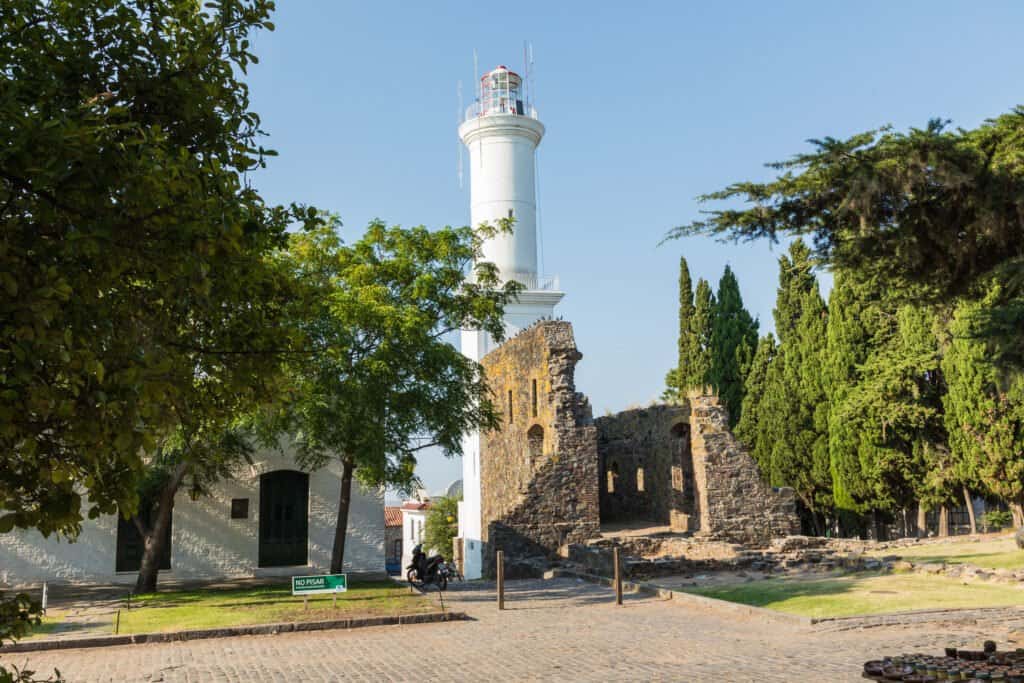
Colonia del Sacramento Lighthouse