
Conundrum Hot Springs
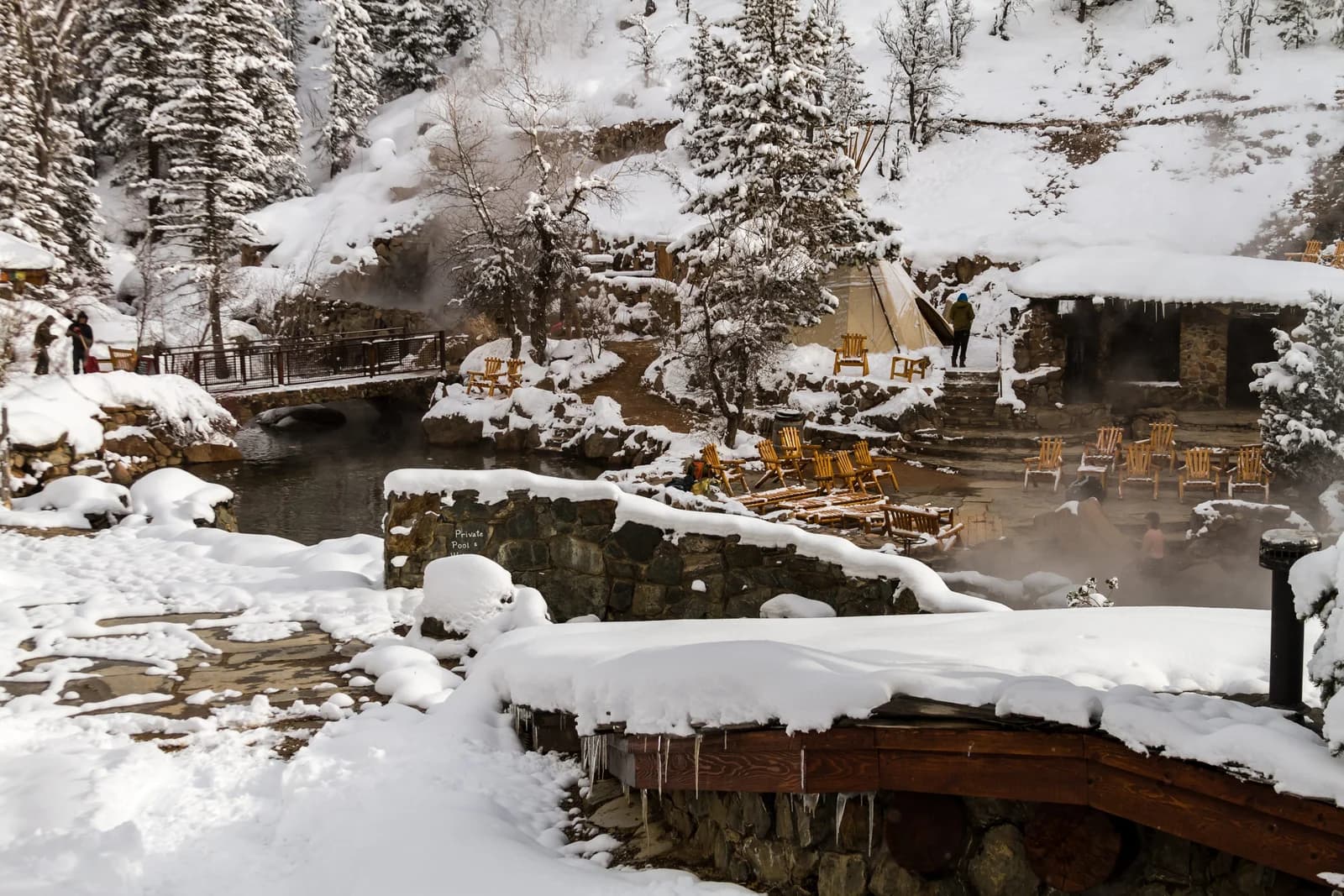
Conundrum Hot Springs, Colorado 81611, USAConundrum Hot Springs sits at roughly 11,200 feet in the Maroon Bells-Snowmass Wilderness, a stretch of the White River National Forest outside Aspen, Colorado. Getting there means an 8.5-mile hike each way, climbing about 2,500 feet through forest and open basin before the trail flattens out near a series of rock-lined pools fed by a geothermal spring. There's no road, no shuttle, no shortcut. You earn this one on foot, and that's the entire point.
Few natural hot springs in the United States require this much physical commitment to reach, which is part of why the place has built such a reputation among hikers and backpackers in Colorado. It isn't a roadside soak you stumble into after a short walk from a parking lot. It's a backcountry destination that rewards planning, conditioning, and patience with permits.
Why Conundrum Hot Springs matters
The appeal is simple to state and harder to earn: warm mineral water in rock pools, surrounded by alpine terrain, at an elevation most people only reach by working for it. The setting below Conundrum Peak and near the edge of the wilderness boundary gives the pools a sense of remove that's rare for a hot spring this well known. Word has spread fast over the past decade, partly through hiking forums and partly through photos of steam rising against a backdrop of snow-streaked peaks. That popularity has been a double-edged sword. The area has seen real damage from overuse, foot traffic off trail, and people treating a fragile alpine basin like a party site. The Forest Service introduced a permit system specifically because the old first-come approach wasn't sustainable.
Quick facts
- Elevation at the pools: approximately 11,200 feet
- Distance to reach the springs: 8.5 miles one way from the trailhead
- Elevation gain: roughly 2,500 feet over the approach
- Location: Maroon Bells-Snowmass Wilderness, White River National Forest, near Aspen
- Overnight camping requires an advance permit through the federal recreation reservation system
- Season is short, with snow lingering on the trail into early summer most years
Getting there
The trailhead for Conundrum Hot Springs is reached from Castle Creek Road southwest of Aspen, following Conundrum Creek. There's no public transit option and no way to shorten the mileage. The trail itself is well established and easy to follow, climbing steadily through aspen and conifer forest before opening into a broader valley as you gain altitude. At this elevation, weather shifts fast, and afternoon thunderstorms in summer are common enough that most experienced hikers aim to be well past any exposed sections before early afternoon.
Because the trailhead sits near Aspen, a town already popular for its own reasons, some visitors treat the hike as a day trip. That's physically possible for strong hikers in good conditions, covering 17 miles round trip with significant elevation gain in a single push. Most people, though, plan it as an overnight, camping somewhere along the valley before soaking and heading back out the next morning.
The layout and experience
The hike itself is the main event before you even reach the water. You'll pass through dense forest for the first few miles, cross a bridge or two over Conundrum Creek, and gradually climb into a more open, rockier landscape as treeline approaches. The final stretch into the basin where the pools sit tends to feel exposed and a little raw, especially if weather is moving in.
The pools themselves are a series of rock-edged basins fed by a geothermal source, with temperatures that vary pool to pool and season to season. Some are warmer, some cooler, and conditions can shift depending on snowmelt and runoff feeding into the system. There's no infrastructure here beyond the natural rock formations, no changing rooms, no staff, nothing built. It's about as unmanaged a hot spring experience as you'll find in Colorado that still sees heavy foot traffic.
Clothing-optional soaking has long been part of the informal culture at Conundrum, though this isn't an official policy and norms can vary depending on who else is there. Worth knowing before you arrive so it isn't a surprise.
Tickets and entry
There's no admission fee to access the pools themselves, but overnight camping in the wilderness area requires a permit, and that permit has to be secured in advance through the federal recreation reservation system rather than obtained on arrival. Demand has outpaced supply in recent years, especially for weekend dates in July and August, so booking as early as the system allows is the only realistic strategy if you want a specific date. Day hiking without an overnight stay generally doesn't require the same permit, but anyone planning to camp near the springs needs to have that sorted before setting out.
Best time to visit
The season here is short. Snow tends to hold on the upper sections of the trail well into June most years, and an early-season attempt can mean postholing through drifts or fording high, cold creek crossings that are far more dangerous than they look. Most hikers aim for a window between mid-July and September, with August typically offering the most stable combination of trail conditions and weather. Even then, afternoon storms are routine at this elevation, and nighttime temperatures at 11,200 feet drop well below what the daytime hike might suggest. Pack for conditions closer to early spring than summer, regardless of the calendar date.
Facilities and preparation
There is nothing built at the springs. No bathrooms, no trash cans, no potable water source beyond what you treat from the creek. Everything you carry in has to come back out with you, including trash, food waste, and anything
Reviews
Sign in and mark this place visited to leave a review.
No reviews yet.
Free Trip Planner
Plan your Aspen trip with our free planner
Build a day-by-day itinerary with AI suggestions, hand-picked places, and friends. Free forever — no credit card.
Related reading
Things to see near Conundrum Hot Springs


Places to eat or drink near Conundrum Hot Springs



More places in Aspen

Hooch Craft Cocktail Bar
Silver City Mountain Saloon
Mawa’s Kitchen