
Daitoku-ji Temple
Open now
 Posted by Brandon B.Admin
Daitoku-ji Temple: One of Kyoto's Most Rewarding Complexes
Daitoku-ji Temple sits in the Murasakino district of Kita ward, far enough from the Arashiyama crowds that you can actually hear the gravel under your feet. This is one of Kyoto's great Rinzai Zen temple complexes, and it rewards the kind of visitor who slows down. Founded in the early 14th century, the compound covers a considerable stretch of northern Kyoto and contains over twenty sub-temples within its walls, many of which you would never know existed unless someone pointed you toward the right gate.
Most people who visit Kyoto make it to Kinkaku-ji, about fifteen minutes west by foot. Fewer make it here. That gap in the tourist flow is, honestly, the best reason to come.
Why Daitoku-ji Matters
The temple's relationship with Japanese tea culture alone sets it apart. Sen no Rikyu, the 16th-century tea master who shaped the aesthetics of the tea ceremony as it is still practiced today, had deep ties to Daitoku-ji. He funded the construction of the Sanmon gate's upper story and placed a wooden statue of himself there, which famously angered Toyotomi Hideyoshi and contributed to Rikyu's forced death in 1591. That single piece of history threads through the whole complex and makes you look at the gates differently.
Several of Japan's most important dry landscape gardens are inside sub-temples here. The raked gravel and stone arrangements at places like Daisen-in and Ryogen-in are studied by garden designers internationally. These are not decorative amenities. They are the point.
Quick Facts
- Location: 53 Murasakino Daitoku-Ji-Cho, Kita-ku, Kyoto, about 2 kilometers north of Kinkaku-ji
- Founded: 1315, by the monk Shuho Myocho (also known as Daito Kokushi)
- Sect: Rinzai Zen, Daitoku-ji school
- Number of sub-temples: over 20 within the compound, though most are not open to the public
- Regularly open sub-temples: typically around 4, including Daisen-in and Ryogen-in
- Entry: each open sub-temple charges its own separate admission fee, priced in the budget-to-mid-range tier
- Grounds: free to walk through; fees apply only when entering individual sub-temples
- Photography: permitted in most outdoor areas; restrictions vary by sub-temple interior
Getting There
From central Kyoto, the most straightforward route is the Kyoto City Bus. Several routes stop at the Daitoku-ji-mae bus stop, which puts you directly outside the main approach. The ride from Kyoto Station takes roughly 40 minutes depending on traffic, which can be significant during peak tourist seasons. If you are coming from the Karasuma subway line, Kuramaguchi Station is a reasonable starting point for a 15-minute walk north through a quiet residential stretch.
Cycling is genuinely pleasant here. The area around Murasakino is flat, and the temple is easy to reach from the Nishijin weaving district to the south or from Kamigamo Shrine to the northeast. Most guesthouses in central Kyoto rent bikes, and the ride from the Gion area takes around 30 minutes at an easy pace.
The Layout and Experience
Daitoku-ji is not a single building you enter and exit. It is a walled city of sorts, with narrow lanes running between high earthen walls, wooden gates appearing without warning, and the sound of the city dropping away almost as soon as you step inside. The main approach from the south leads you past the Chokushi-mon and the Sanmon gate, the latter being the structure Rikyu's statue once topped.
The open sub-temples cluster in the northern and eastern sections of the compound. Daisen-in, founded in 1509, is probably the most visited and contains a celebrated karesansui garden that wraps around the main hall in a way that feels almost narrative, guiding your eye from stone islands through a sea of raked gravel. Ryogen-in is smaller and quieter, and its garden called Ryugin-tei is one of the most compact dry landscape arrangements in Japan. Koto-in, set further back along a bamboo-lined path, is especially popular in autumn when its maple trees turn.
Plan to spend at least two to three hours if you intend to visit multiple sub-temples. Rushing through a Zen garden defeats the purpose.
Tickets and Entry
Walking the main grounds of Daitoku-ji costs nothing. The stone paths, the outer gardens, and the approach to the various gates are all freely accessible. Individual sub-temples each charge their own separate admission at the gate, generally in the budget price range. You buy entry to each one independently, so you can choose based on how much time you have.
There are no combined passes for multiple sub-temples. Each visit is its own transaction, which actually works in your favor if your schedule is tight. Pick one or two and give them proper attention rather than sprinting through five.
Best Time to Visit
Early morning is the obvious answer, and it is obvious because it is correct. The light in the gardens before 9am has a quality that midday cannot replicate, and the main lanes through the compound are often empty enough that you can hear birds. Most sub-temples open around 9am.
Autumn draws the biggest crowds, particularly to Koto-in, where the maple canopy over the approach path turns a deep red-orange in November. It is genuinely beautiful and genuinely busy. If you go in autumn, arrive as close to opening time as possible.
Summer mornings are humid but the moss in the gardens reaches a vivid green that photographs do not fully capture. Winter visits, especially after a light snowfall, are quietly extraordinary and almost entirely uncrowded. Spring brings plum and cherry blossoms to various corners of the complex, though Daitoku-ji is not primarily known as a cherry blossom destination the way Maruyama Park is.
Photography Tips
The approach to Koto-in, a stone path flanked by bamboo and then maple trees, is one of the most photographed spots in northern Kyoto. Come early or come late in the afternoon if you want the path to yourself. Midday light through the bamboo tends to blow out the shadows in a way that flattens the image.
Interior photography inside sub-temple halls is often restricted or prohibited entirely. Ask at the entry gate if you are unsure. Most of the genuinely compelling photography happens in the gardens themselves, where tripods are generally not permitted. A wide lens helps with the garden compositions, since the spaces are often tighter than they appear in published photos.
Combining with Nearby Attractions
Kinkaku-ji is the obvious pairing, about 15 minutes west on foot or a short bus ride. It makes sense to visit one in the morning and the other before lunch. Daitoku-ji first tends to work better because Kinkaku-ji gets heavily crowded by mid-morning and the contrast with Daitoku-ji's quieter pace becomes jarring if you go in the wrong order.
Imamiya Shrine sits just a few minutes' walk northeast of the complex, and the two aburi-mochi stalls facing each other on the approach path claim a rivalry stretching back centuries. Both sell the same grilled rice cake snack with sweet white miso sauce, and both are worth trying. It makes for a natural break between temple visits.
The Nishijin textile district begins just south of Daitoku-ji, and if traditional weaving interests you, the Nishijin Ori Kaikan is walkable from the temple's southern gate.
Practical Tips
- Wear slip-on shoes or shoes you can remove easily. You will be taking them off at sub-temple entrances repeatedly.
- Some sub-temples close temporarily for private ceremonies or seasonal maintenance. Check before building your day around a specific one.
- The compound has no large visitor center. Pick up a simple map at the first sub-temple you enter.
- Quiet is expected throughout. This is an active religious complex, not a theme park.
- Bring cash. Smaller sub-temples often do not accept cards.
- If you are visiting in November, Koto-in in particular can have a queue. Arriving at opening time is the cleanest solution.
- There is very little food or drink available inside the compound. Eat before you arrive or plan a stop at the Imamiya Shrine stalls afterward.
FAQ
Do I need to book in advance?
For most sub-temples, no. You simply pay at the gate on arrival. Occasionally a sub-temple will limit entry during peak autumn weekends, but advance booking is not typically required or even available for standard visits.
How long should I plan to spend at Daitoku-ji?
Two hours is a reasonable minimum if you visit two sub-temples. Three hours gives you time to walk the lanes between gates, sit with a garden properly, and not feel rushed. A half-day is not excessive if you are genuinely interested in Zen garden design.
Are all the sub-temples open to visitors?
No. The majority of Daitoku-ji's sub-temples are closed to the general public and function as active monastic spaces. Typically around four are open on a regular basis, and a handful of others open during special autumn or spring viewing periods.
Is Daitoku-ji accessible for visitors with mobility limitations?
The main grounds paths are mostly flat gravel and manageable, but many sub-temple interiors involve raised wooden floors, steps, and uneven surfaces. Accessibility varies significantly between individual buildings.
Is this a good destination for children?
It depends on the child and the parent. The open grounds are pleasant to walk, and the gardens are visually striking at any age. The expectation of quiet throughout the complex makes it better suited to older children who can engage with the atmosphere rather than very young ones.
Daitoku-ji Temple is the kind of place that reveals itself slowly. The first visit gives you the gardens and the gates. A second visit, maybe a year later in a different season, gives you something harder to name. If you are in Kyoto for more than a few days and you have already done the standard circuit, this is where you should spend a morning.
Opening hours
Reviews
Sign in and mark this place visited to leave a review.
No reviews yet.
Free Trip Planner
Plan your Japan trip with our free planner
Build a day-by-day itinerary with AI suggestions, hand-picked places, and friends. Free forever — no credit card.
Related reading

Things to see near Daitoku-ji Temple

teamLab Nagai Botanical Garden Osaka

Horyu-ji

Yakushi-ji Temple

Dōtonbori
Places to eat or drink near Daitoku-ji Temple

The Münch

Rai Rai Tei Ikuno Tatsumi

KITAN HIBIKI YAKINIKU&STEAK
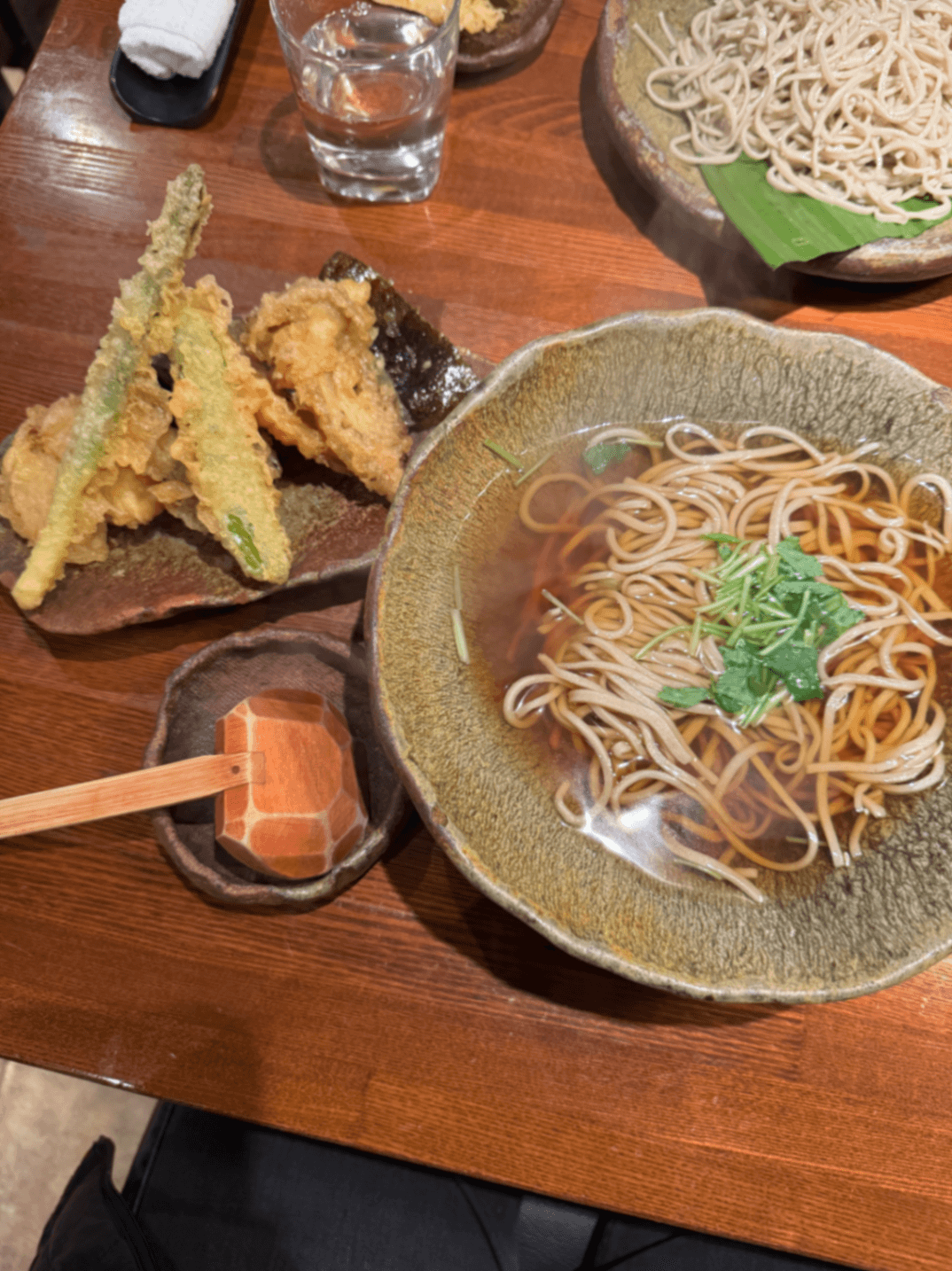
Akari Soba
More places in Kyoto

Rai Rai Tei Uzumasa

Menya Inoichi Hanare

Kiyomizu-dera Temple
