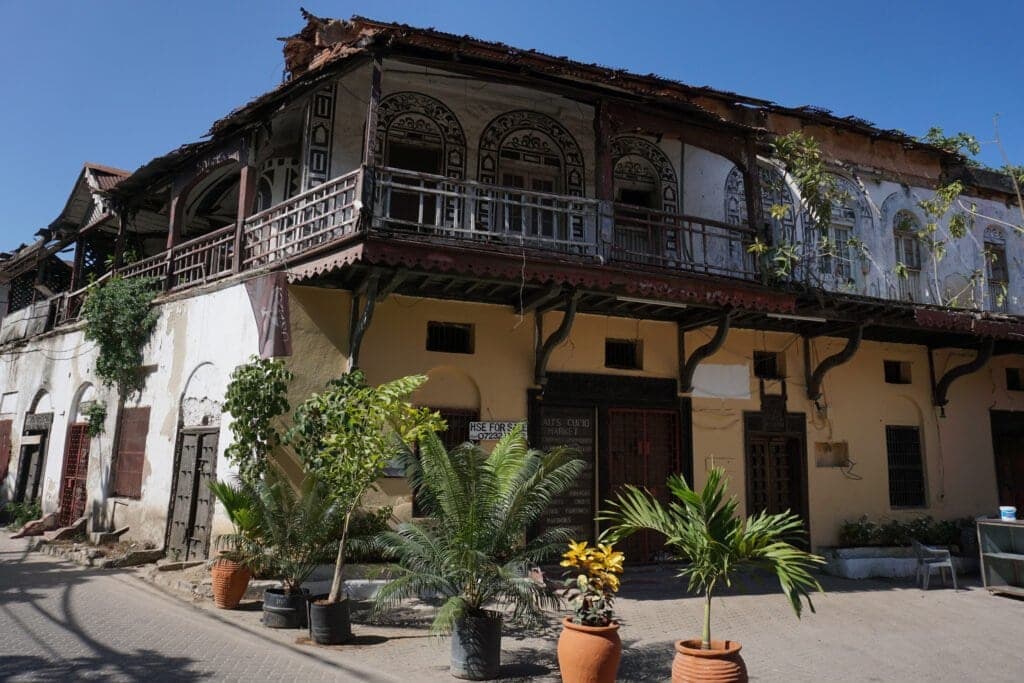
Diani Beach
Diani Beach, Ukunda Kenya Posted by bazartravelsAdmin
Overview
Diani Beach stretches along Kenya's south coast near the town of Ukunda, roughly 40 kilometers south of Mombasa. The beach is one of East Africa's most developed coastal destinations, with a long sandy shoreline backed by coconut palms and a thriving mix of resorts, restaurants, and water sports operators. Unlike the crowded beaches closer to Mombasa city center, Diani tends to feel more relaxed and self-contained, with most visitors choosing to stay within the beach corridor itself rather than venturing inland.
The beach attracts a steady flow of international tourists year-round, though the rhythm shifts with the seasons. Families, couples, and solo travelers all find something to occupy their time here, whether that means swimming, diving, snorkeling, or simply settling into a beach chair with a book.
Why this place matters
Diani Beach represents one of Kenya's most successful tourism operations. The coral reefs just offshore support abundant marine life, making the area a significant diving and snorkeling destination for the region. The beach also sits within the broader context of the Kenyan coast's cultural heritage, where Swahili traditions run deep and the legacy of trade routes stretches back centuries.
For many visitors, Diani serves as an accessible entry point to coastal Kenya without requiring long journeys inland. The established infrastructure means you can arrange activities, find reliable accommodations, and eat well without the logistics challenges that come with more remote coastal areas.
Quick facts
- Located approximately 40 kilometers south of Mombasa
- Beach stretches roughly 16 kilometers along the coast
- Water temperatures range from 24°C in August to 28°C in March
- Primary reef sits about 100 to 200 meters offshore
- Nearest town is Ukunda, where most services cluster
- Main access road runs north-south through the beach area
Getting there
Most travelers fly into Mombasa International Airport and then drive south to Diani Beach, a journey of roughly 90 minutes depending on traffic. The drive follows the main coastal highway and passes through Mombasa's outskirts before reaching the turnoff toward the beach.
If you're arriving from within Kenya, intercity buses connect Mombasa to towns near Diani, though once you reach the area, getting around the beach itself requires a taxi, rental car, or arrangements through your accommodation. The beach road runs parallel to the shoreline and connects the main resort areas, restaurants, and activity operators.
Some visitors also arrive by boat from other coastal towns, though this is less common for tourists arriving from outside Kenya.
The layout and experience
Diani Beach itself is the main draw, and the experience centers entirely on water and sand. The beach widens and narrows depending on the tide and location, but generally offers plenty of space for swimmers and sunbathers. The shallow waters close to shore make swimming safe for most visitors most days, though currents exist and vary seasonally.
Behind the beach, a narrow strip of commercial development includes resorts, shops, restaurants, and tour operators. This strip is where you'll find almost everything you need. Walking the full length would take several hours, so most visitors rely on taxis or their resort's location to reach specific spots.
The reef lies just offshore, visible on clear days and accessible by boat or snorkel tour. Depending on tides and conditions, you can sometimes wade toward shallower reef areas, though guided snorkel trips offer the best chance of seeing abundant coral and fish.
Main highlights
Water sports dominate the activity list. Snorkeling trips leave most mornings, with operators picking up guests from resorts and returning by midday. The coral reefs support a variety of fish species, sea turtles, and occasionally larger marine life. Diving is also available through established dive centers that offer both introductory dives for beginners and certification courses.
Beyond the water, beach activities include windsurfing and kitesurfing, particularly popular during the stronger wind season. Boat trips and dhow sailing are offered, some combining sunset viewing with drinks and light snacks. A few operators run dolphin-spotting trips, though sightings depend on season and luck.
On land, you can visit the Diani Beach Sacred Ibis Sanctuary, a small protected area for nesting birds. Several beach bars and restaurants offer casual dining and drinks with ocean views. The main commercial area around Ukunda has craft shops and a few art galleries, though shopping is not a primary reason to visit Diani.
History and background
The Kenyan coast has been a center of trade and cultural exchange for over a thousand years. Diani Beach itself developed as a tourist destination starting in the 1970s and 1980s, when Kenya began promoting its coastal areas to international travelers. The reef ecosystem that makes the area attractive today has existed far longer, supporting both local fishing communities and the growing tourism economy.
The area maintains a Swahili cultural presence, though the tourism industry has reshaped much of the immediate coastal landscape. Local fishing still occurs, and you'll see traditional boats and nets alongside the resort infrastructure.
Tickets and entry
Diani Beach itself is open to the public and requires no entry fee. If you arrange snorkeling or diving trips, the operator charges a separate fee that typically covers boat, guide, and equipment. Boat trips and water sports have their own pricing. Most resorts can arrange these activities or provide recommendations for reputable operators.
The Sacred Ibis Sanctuary has a small entry fee if you choose to visit, though it's not a major attraction and many visitors skip it entirely.
Best time to visit
Diani Beach is warm and swimmable year-round, but seasons influence the experience. The dry season from June to October brings cooler, less humid weather and stronger winds, making it popular with windsurfers and kitesurfers. The period from December to March is hotter and more humid, with calmer seas ideal for snorkeling and swimming.
The shoulder months of April, May, November, and September see fewer crowds and can offer good value on accommodations. April and May bring occasional heavy rains, while September and November tend to be drier. If you prefer solitude over perfect weather, visiting during the rainy season means emptier beaches, though you'll encounter afternoon downpours.
Photography tips
The beach itself offers classic golden-hour photography opportunities at sunrise and sunset. The warm light in early morning and late afternoon brings out colors in the sand and water. If you're interested in reef photography, bring an underwater camera or GoPro and join a snorkel trip during midday when water clarity peaks.
The palm trees and vegetation behind the beach provide natural framing for portraits. The colorful fishing boats and traditional dhows can make interesting subjects, particularly in the early morning when light is soft and activity is quieter.
Facilities and preparation
Resorts provide changing facilities, lockers, and sometimes showers near the beach. Most offer beach towels and loungers. If you're visiting as a day tripper without a resort booking, some beach bars and restaurants allow you to use their facilities in exchange for food or drink purchases.
Bring reef-safe sunscreen, as the coral reefs are sensitive to chemical sunscreens. A rash guard or light shirt offers sun protection and helps prevent sunburn during water activities. Water shoes or sandals are useful for walking on coral or rocky areas. Snorkel gear can be rented through operators, but if you prefer your own fit, bring your mask and snorkel.
The sun here is intense even on cloudy days. Hat, sunglasses, and high-SPF sunscreen are essentials. Dehydration happens quickly, so drink more water than you think you need.
Combining with nearby attractions
Mombasa city lies about 40 kilometers north and makes a feasible day trip if you're interested in exploring Fort Jesus or the old town's narrow streets and historic architecture. However, most visitors who stay in Diani prefer to remain beach-focused and skip the inland detours.
The Shimba Hills National Reserve sits inland from Diani and offers a contrasting experience with wildlife viewing and forest walks. Day trips are possible, though they require early starts and several hours of driving each way. Some visitors combine a few days at Diani with a multi-day safari inland, but this is a larger undertaking than a single beach stay.
Sample visit plan
A typical three-day visit might look like this: Day one, settle into your accommodation, swim, and relax. Spend the late afternoon in a beach bar. Day two, book a snorkeling or diving trip that leaves early morning, returning by midday. Spend the afternoon relaxing and exploring the beach road. Day three, try a water sport like windsurfing or take a boat trip, then pack and prepare for departure.
For a longer week-long stay, you could combine multiple snorkeling trips, a sunset dhow sail, a day excursion inland, and plenty of unstructured beach time. Most visitors find that four to five days at Diani strikes a balance between experiencing the water activities and avoiding boredom.
Practical tips
- Book snorkeling and diving trips through your resort or a recognized operator with good reviews
- Check weather and tide information before planning water activities
- Expect beach vendors selling crafts, massages, and food; polite refusal usually works
- Taxis are readily available but negotiate fares beforehand or use ride-sharing apps if available
- The beach can be crowded during school holidays and peak season (December to January)
- Most restaurants and bars accept both Kenyan shillings and US dollars, though shillings are preferable
- Internet connectivity is generally reliable at resorts and restaurants but slower in some areas
- Respect local customs, particularly regarding swimwear and behavior in public areas
FAQ
Is Diani Beach safe for swimming? Yes, the shallow waters close to shore are generally safe for swimming. However, currents exist and vary seasonally. Always swim in areas with other people and heed any warnings from locals or your accommodation. Avoid swimming alone or at night.
Do I need to be certified to dive at Diani Beach? No. Several dive operators offer introductory dives for beginners with no prior certification. Certification courses are also available if you want to continue diving beyond your stay.
What's the cost of snorkeling trips? Prices vary by operator and what's included, but expect mid-range pricing for a half-day trip. Most operators provide snorkel gear, boat, and guide. Book through your resort for convenience, though independent operators sometimes offer better rates.
Can I visit Diani Beach for just a day? Yes. Day visitors can access the beach, hire loungers, eat at restaurants, and book water activities. However, the drive from Mombasa takes time, so most visitors prefer overnight stays to maximize their time on the beach.
Are there non-water activities at Diani Beach? Mostly no. The beach is almost entirely centered on swimming, snorkeling, diving, and other water sports. If you want cultural experiences or wildlife viewing, you'll need to arrange trips inland, which requires significantly more time and planning.
Reviews
Sign in and mark this place visited to leave a review.
No reviews yet.
Free Trip Planner
Plan your Diani Beach trip with our free planner
Build a day-by-day itinerary with AI suggestions, hand-picked places, and friends. Free forever — no credit card.