
Dive for Fun (Scuba Diving)
53 Jimmy Cliff Blvd, Montego Bay, JamaicaDiving into Montego Bay with Dive for Fun
Dive for Fun sits on Jimmy Cliff Boulevard in Montego Bay, right along the northwest coast of Jamaica, and it's one of the most established scuba operations in the area. Whether you've logged a hundred dives or you've never put a regulator in your mouth, this outfit handles both ends of the spectrum without making either group feel like an afterthought. The Caribbean Sea off Montego Bay is genuinely worth the effort to get beneath the surface, and having a local dive shop that knows these reefs well makes a real difference.
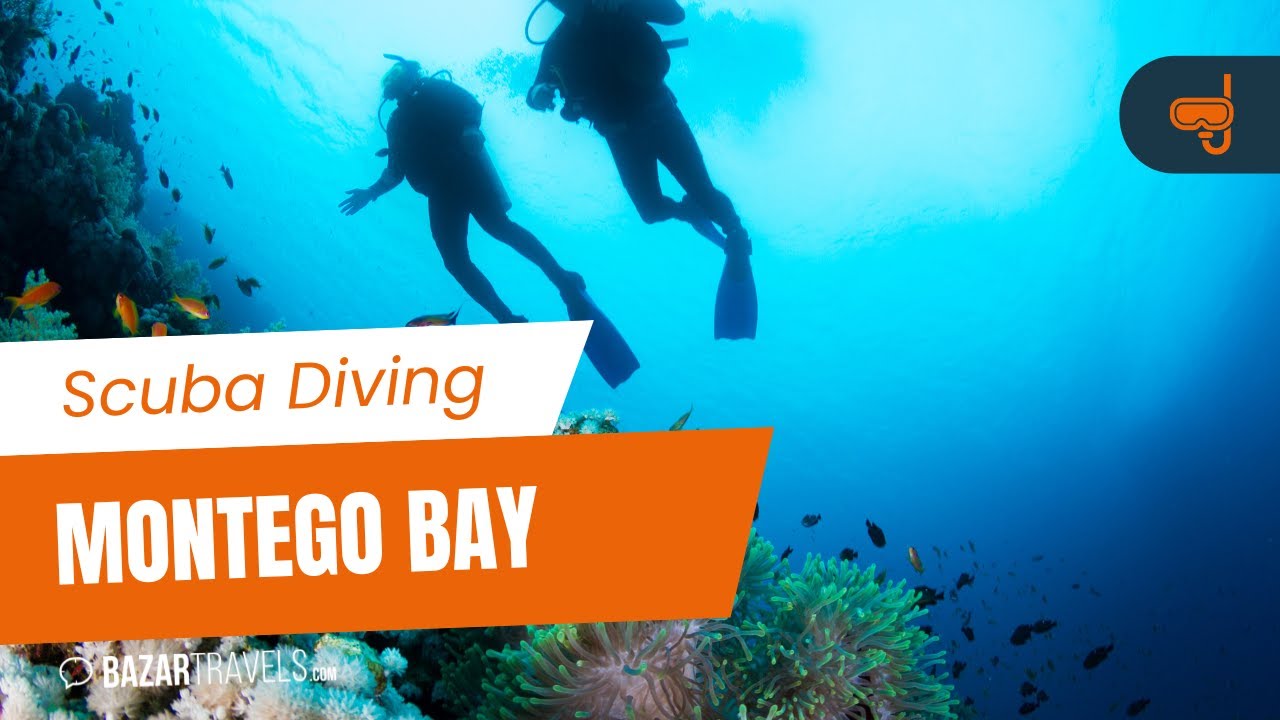
Montego Bay Marine Park surrounds much of the diving here, which means the reefs see some protection that you'll notice the moment you drop below the surface. Healthy coral formations, schools of reef fish, and the occasional sea turtle are part of a typical day out.
Why Dive for Fun Stands Out
A lot of resort dive operations in Jamaica are tacked onto a hotel and run on autopilot. Dive for Fun functions as a dedicated dive center, which tends to mean more focused attention on equipment, briefings, and matching you with the right dive site. Staff familiarity with local conditions, currents, and seasonal visibility patterns is the kind of thing that only comes from running boats out of the same waters for years.
The shop also handles PADI certification courses, so if you've been putting off getting your Open Water card, Montego Bay is a surprisingly good place to do it. You're learning in warm, clear water with good visibility most of the year, which takes a lot of the anxiety out of the process.
Quick Facts
- Address: 53 Jimmy Cliff Boulevard, Montego Bay, Jamaica
- Type of operation: Dedicated scuba dive center, not a hotel add-on
- Certification agency: PADI
- Water temperature: Warm year-round, typically most comfortable without a thick wetsuit
- Dive sites: Located within and around Montego Bay Marine Park
- Experience level: Caters to beginners through experienced divers
- Price tier: Mid-range for the Caribbean dive market
Getting There
Jimmy Cliff Boulevard runs along the waterfront west of Montego Bay's city center. If you're staying along the Hotel Strip or near Doctor's Cave Beach, you're likely within 10 to 15 minutes by car or taxi. From Sangster International Airport, the drive is short, usually under 20 minutes depending on traffic near the roundabouts coming into town.
Taxis are the most practical option if you don't have a rental car. Route taxis also run along the main coastal road, but if you're hauling gear or arriving early for a morning dive, a private taxi is easier. Street parking is available in the area if you're driving yourself.
The Experience
A typical dive excursion starts with a briefing on the site, conditions, and what you're likely to see. Boat rides to the main dive sites off Montego Bay are short, often under 15 minutes, which means more time in the water and less time sitting on a rocking boat.
The reefs around Montego Bay include a mix of shallow coral gardens and deeper wall sections, so the variety keeps things interesting across multiple dives. For beginners doing a Discover Scuba experience or the first dives of an Open Water course, the shallower sites offer calm conditions and plenty to look at without feeling overwhelmed. More experienced divers can push to the wall sections where the drop-offs are more dramatic and the fish life changes character.
Night dives are also part of the offering, and the reef at night is a genuinely different experience. Octopus, lobster, and moray eels come out after dark, and the colors under a dive torch are sharper than anything you see in ambient daylight.
Main Highlights
- Reef diving within Montego Bay Marine Park, one of Jamaica's protected marine areas
- PADI Open Water and advanced certification courses available
- Discover Scuba sessions for first-timers who want to try diving without committing to a full course
- Night dive options on local reef sites
- Small group sizes typical of a dedicated dive operation rather than a resort mass tour
- Local divemasters with long-term knowledge of the specific sites and seasonal conditions
Best Time to Visit
Montego Bay diving is possible year-round, but visibility and sea conditions tend to be at their best between December and April. This is also peak tourist season, so booking ahead matters if you want a specific date. The summer months from June through August are warm, sometimes very warm on the surface, but the diving remains good and the crowds thin out compared to winter.
Hurricane season runs from June through November. Most years this doesn't dramatically affect diving, but a passing storm system can kick up surge and drop visibility for a few days. If you're traveling specifically to dive and the timing is flexible, the winter and early spring window is the safest bet for consistently good conditions.
Morning departures almost always offer calmer sea conditions than afternoons, when trade winds tend to build. If you have a choice, book the first boat out.
Photography Tips
The shallow reef sections in Montego Bay get good natural light in the morning, which helps if you're shooting with a GoPro or an entry-level underwater camera without a strong strobe. Colors start washing out below about 10 meters without artificial light, so if you're serious about underwater photography, bring a red filter at minimum or a proper video light.
The coral formations here photograph well in wide angle. Getting low and shooting upward toward the surface with fish in the frame is a classic composition that works particularly well at these sites. Ask your divemaster about the best spots for turtle encounters if that's a priority for you. Turtles in this area are often comfortable around divers and don't bolt immediately, which gives you a realistic shot at a decent image.
Combining with Nearby Attractions
If you're spending a full day in the area, Doctor's Cave Beach is one of Montego Bay's most famous stretches of sand and is close enough to make a natural pairing with a morning dive. The beach charges a small admission and has facilities, which makes it a comfortable place to decompress after a dive session.
Hip Strip, the informal name for the stretch of Gloucester Avenue running through the tourist zone, is a short distance away and has plenty of options for lunch and cold Red Stripe after a morning on the water. Scotchies, a well-known jerk chicken spot outside of town, is worth the short drive if you want something more distinctly Jamaican than the resort restaurants.
If you're doing a multi-day stay and want to combine diving with other water activities, Montego Bay also has options for snorkeling tours, glass-bottom boat trips, and catamaran cruises that operate out of the same general waterfront area.
Practical Tips
- Book in advance, especially during December through April. Last-minute spots on morning boats fill quickly in peak season.
- Bring a copy of your dive certification card or have it on your phone. Dive centers are required to verify certification before taking you on unsupervised dives.
- Sunscreen is heavily regulated around protected marine areas. Use reef-safe sunscreen or wear a rash guard instead.
- Eat something light before a dive but avoid a heavy meal within a couple of hours of getting in the water.
- Hydrate before and after. Jamaica is warm and you lose more fluid than you realize on a boat in the sun.
- If you're flying home, the general rule is to wait at least 18 to 24 hours after your last dive before flying. Factor this into your trip planning.
- Equipment rental is available, but if you have your own mask and fins, bringing them is worth it for comfort.
FAQ
Do I need to know how to swim to try scuba diving here?
Basic swimming ability is required for scuba activities. You don't need to be a competitive swimmer, but you should be comfortable in open water. Dive centers typically ask you to confirm this before booking a Discover Scuba or certification course.
How long does a PADI Open Water certification take?
The course usually takes three to four days to complete, including classroom or online theory sessions, confined water skills practice, and four open water dives. If you do the online theory portion before arriving in Jamaica, you can shorten the in-person time.
Is Montego Bay good for diving compared to other Caribbean destinations?
It's a solid mid-tier Caribbean dive destination. The reefs aren't as dramatic as some spots in the Cayman Islands or Cozumel, but the marine park protection means the coral health is better than you'll find at many unprotected sites across the region. For combining a dive trip with a beach holiday, it works well.
What marine life can I expect to see?
Reef fish are abundant, including parrotfish, angelfish, and snapper. Sea turtles are commonly spotted. Depending on the season and site, you may also encounter stingrays, moray eels, and nurse sharks on the sand patches near the reef.
Reviews
Sign in and mark this place visited to leave a review.
No reviews yet.
Free Trip Planner
Plan your Jamaica trip with our free planner
Build a day-by-day itinerary with AI suggestions, hand-picked places, and friends. Free forever — no credit card.
Related reading
Things to see near Dive for Fun (Scuba Diving)
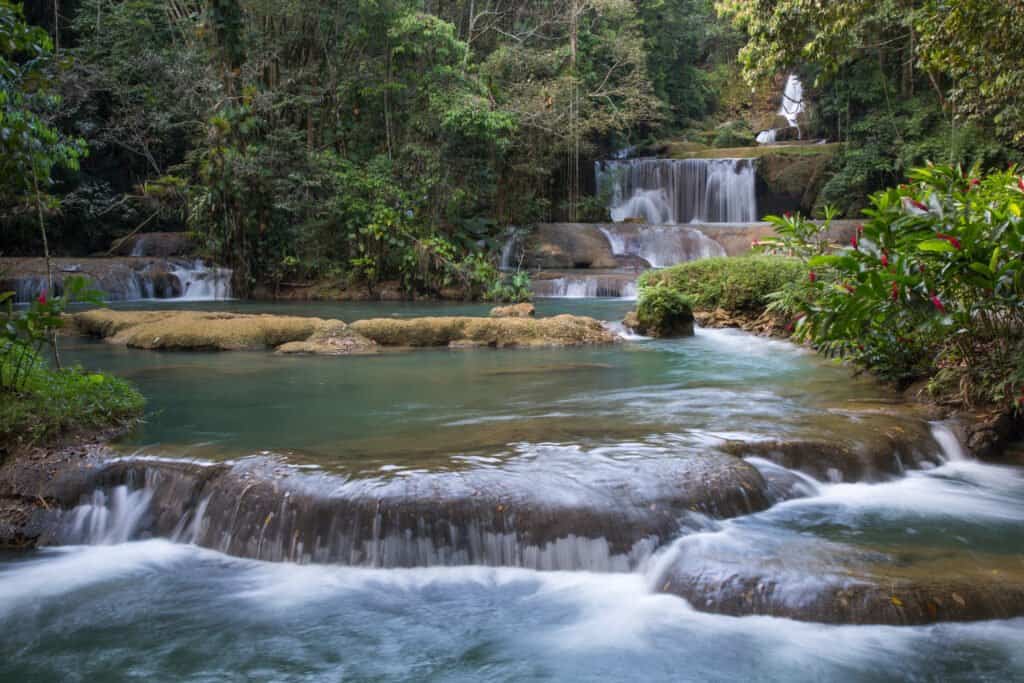
YS Falls

Appleton Estate Rum Tour
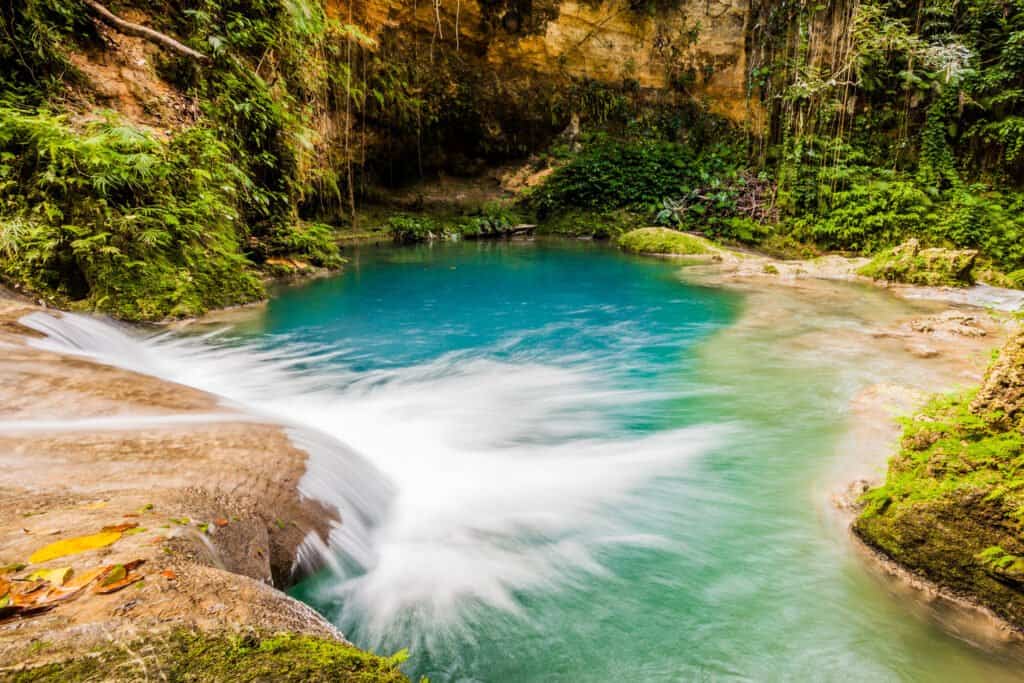
Blue Hole Mineral Spring
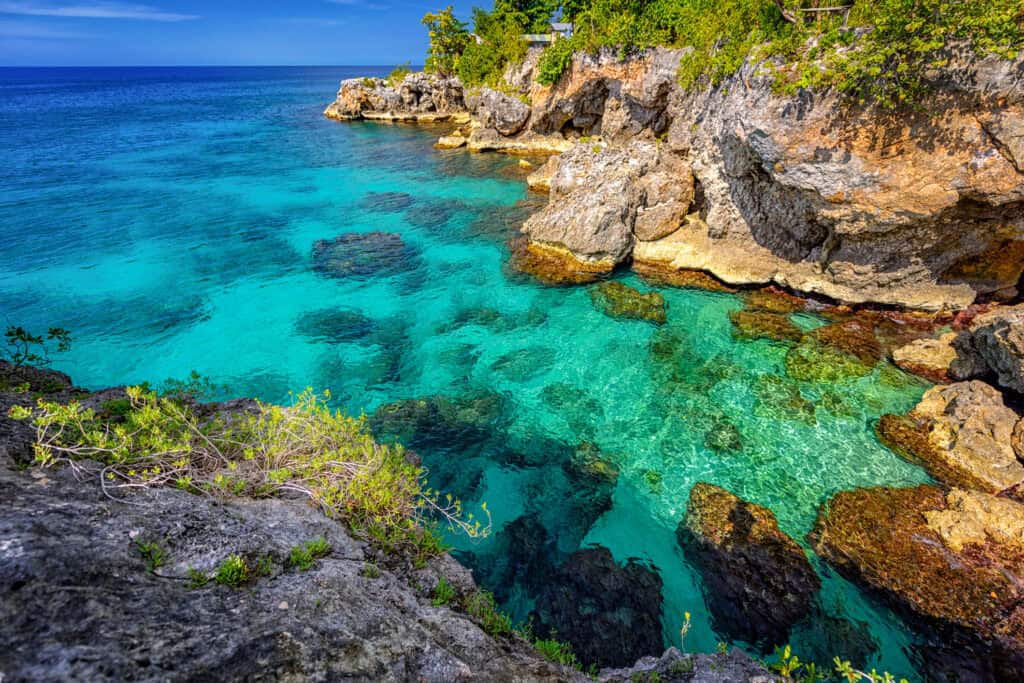
Negril cliffs
Places to eat or drink near Dive for Fun (Scuba Diving)


More places in Montego Bay
Horseback Riding experience
Rose Hall Great House

Luminous Lagoon
