Fort Worth Zoo
1989 Colonial Pkwy, Fort Worth, TX 76110-6640 Posted by Brandon B.Admin
One of the Oldest Zoos in Texas, Still Worth the Drive
The Fort Worth Zoo has been drawing visitors to the Cultural District's southern edge since 1909, making it one of the oldest continuously operating zoos in Texas. It sits along Colonial Parkway near the Trinity River, surrounded by the quiet green expanse of Forest Park, and it consistently ranks among the top-rated zoos in the country. If you've been putting off a visit because you assume it's a standard city zoo, you'd be wrong.
The collection spans more than 7,000 animals across hundreds of species. The grounds feel genuinely large without being exhausting, and the exhibits are well-maintained in a way that suggests real institutional investment rather than coasting on reputation. Families make up a huge portion of the crowd, but you'll find plenty of adults here without kids who just came to spend a few quiet hours near the gorillas.
Quick Facts
- Address: 1989 Colonial Pkwy, Fort Worth, TX 76110
- Founded: 1909
- Located in Forest Park, south of the Fort Worth Cultural District
- Over 7,000 animals representing hundreds of species
- Accredited by the Association of Zoos and Aquariums (AZA)
- Parking is available on-site for a fee
- The zoo is closed on select major holidays — check ahead
Getting There
The zoo is about 10 minutes by car from downtown Fort Worth, heading south on University Drive and then west on Colonial Parkway. If you're coming from Dallas, you're looking at roughly 35 to 40 minutes depending on traffic, which most people find worth the trip.
Parking fills up quickly on weekend mornings, especially during spring and fall when the weather is ideal and school groups descend in force. Arriving before 10am gives you the best chance at a close spot. There's also a paid lot right at the zoo entrance, so you won't be walking long distances even if the main lot is congested.
There's no direct rail service to the zoo, but the Fort Worth city bus system serves the area. If you're staying in the Cultural District near the Kimbell Art Museum or the Modern Art Museum of Fort Worth, the zoo is a short drive or rideshare away.
The Layout and Experience
The zoo is organized into themed regions rather than a single looping path, which means you'll do some backtracking if you want to see everything. Most visitors find this works fine in practice because the signage is clear and the regions feel distinct from one another. You won't mistake the African Savanna section for the Texas Wild! exhibit.
Texas Wild! deserves a mention on its own. It's one of the more thoughtfully designed sections you'll find at any American zoo, dedicated entirely to native Texas wildlife and ecosystems. Mountain lions, black bears, alligators, horned lizards, and dozens of other species are displayed in habitats that actually reflect where they live in the wild. For visitors from out of state, it's a genuinely interesting way to understand the ecological range of Texas before heading out to explore the state.
The World of Primates exhibit tends to be a crowd favorite. The gorilla habitat in particular is large enough that the animals have real room to move, and on good days you can watch them interact from close range through the viewing glass. The same goes for the Museum of Living Art (MOLA), which houses reptiles and amphibians in an exhibit that feels more like a natural history museum than a zoo building. The amphibian collection alone is worth a dedicated 30 minutes.
Main Highlights
Museum of Living Art (MOLA)
This is the reptile and amphibian house, and it's one of the best of its kind in the country. The building itself has won architectural recognition, and inside you'll find an extensive collection of frogs, snakes, lizards, and turtles displayed in carefully controlled habitats. The lighting is dim and the cases are built to mimic forest floors and riverbeds. It's a slow-paced exhibit, which makes it a good place to duck into on a hot afternoon.
African Savanna
Giraffes, zebras, rhinos, and other large African species share this section, and it's one of the more visually dramatic parts of the zoo. There are feeding opportunities for giraffes on most days, which tends to be a highlight for kids and adults alike. The viewing platforms give you good sightlines without feeling cramped.
Parrot Paradise and Wings of Africa
The bird sections at Fort Worth are more extensive than at many comparable zoos. Wings of Africa features a walk-through aviary where free-flying birds move around you rather than sitting in cages. It requires a bit of patience but rewards it.
Texas Wild!
As mentioned, this region covers the full ecological spread of Texas, from the Gulf Coast marshes to the High Plains. It's educational without feeling like a lecture, and the native species angle gives it a regional identity that most zoo sections lack.
Best Time to Visit
Spring and fall are the obvious answers. Fort Worth summers are genuinely brutal, with temperatures that regularly push above 100°F, and many animals are less active in the midday heat. If you visit in July or August, go early, stay hydrated, and plan to leave by early afternoon.
Weekday mornings tend to offer the quietest experience, particularly outside of school holiday periods. Saturday afternoons in spring can feel genuinely packed. The zoo opens early enough that arriving at opening time on any day gives you a noticeably different experience than arriving at noon.
The zoo occasionally runs seasonal events in the evenings, including holiday-themed programming in late fall and winter. These draw a different crowd and can be a fun alternative to a standard daytime visit.
Tickets and Entry
General admission tickets are available at the gate and online. Booking ahead online is worth doing on busy days since it saves time at the entrance. The zoo offers tiered pricing based on age, with children and seniors typically paying less than standard adult admission.
Annual memberships are available and tend to pay for themselves quickly if you plan to visit more than once or twice a year. Members also get access to reciprocal benefits at other AZA-accredited zoos around the country, which is useful if you travel frequently.
Some experiences, like giraffe feeding, may carry a separate small fee beyond general admission.
Combining With Nearby Attractions
Forest Park, which surrounds the zoo, has picnic areas, a small lake, and a miniature railroad that's been running since 1959. If you have kids or just want to extend the day, it's an easy addition after your zoo visit without getting back in the car.
The Fort Worth Cultural District is about a 10-minute drive north. It contains the Kimbell Art Museum, the Amon Carter Museum of American Art, and the Modern Art Museum of Fort Worth, all within walking distance of each other. A zoo morning paired with an afternoon at the Kimbell makes for a full and varied day in Fort Worth.
If you're in town for a longer trip, the Fort Worth Stockyards are about 15 minutes north and offer a completely different flavor of the city.
Practical Tips
- Wear comfortable shoes. The grounds are large and most paths are paved, but you'll cover significant distance.
- Bring sunscreen and a hat, especially between April and October. There's limited shade in some sections.
- Strollers and wagons are available to rent near the entrance if you didn't bring your own.
- Food options inside the zoo are serviceable but not exceptional. Eating before you arrive or packing snacks is a reasonable strategy.
- The MOLA building is a good refuge on extremely hot or rainy days since it's climate-controlled.
- Photography is allowed throughout. The gorilla viewing glass can cause reflection issues, so a polarizing filter helps if you're shooting seriously.
- If you're visiting with young children, the children's zoo area has hands-on elements that tend to hold attention better than the large animal exhibits.
FAQ
How long does a full visit to the Fort Worth Zoo take?
Most visitors spend between three and five hours. If you want to see every section without rushing, plan for a full day, especially with young kids who stop frequently.
Is the Fort Worth Zoo good for adults without children?
Yes. The animal collection is serious and the exhibits like MOLA and the primate section reward careful attention. It's not a children's attraction that adults tolerate, it's a well-regarded institution that happens to be family-friendly.
Is there parking at the zoo?
Yes, there is on-site paid parking. It fills up on busy days, so arriving early is the simplest solution.
Are there dining options inside the zoo?
There are several food and snack vendors inside. Options are casual and cover basic needs, but don't expect anything destination-worthy.
Can you buy tickets at the gate or do you need to book in advance?
Both options work. Online booking is generally faster and recommended on weekends or during school holidays when lines at the gate can be long.
Opening hours
Reviews
Sign in and mark this place visited to leave a review.
No reviews yet.
Free Trip Planner
Plan your Fort Worth trip with our free planner
Build a day-by-day itinerary with AI suggestions, hand-picked places, and friends. Free forever — no credit card.
Things to see near Fort Worth Zoo
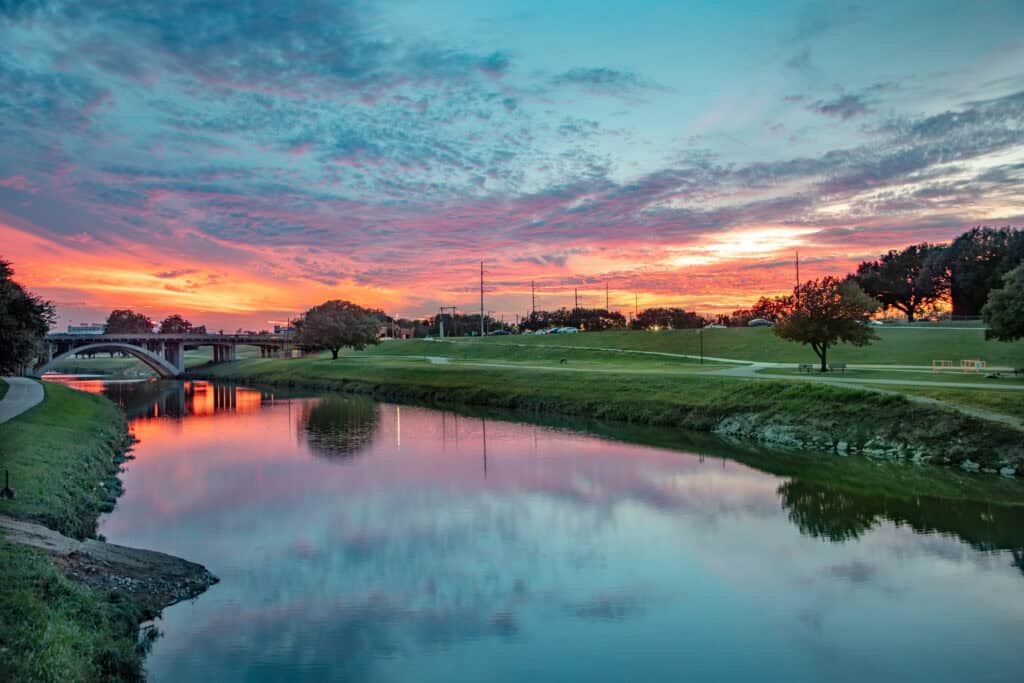
Trinity Park in Fort Worth Texas

Log Cabin Village

Lee Harvey Oswald Gravesite

Fort Worth Japanese Garden
Places to eat or drink near Fort Worth Zoo

The Porch Pour
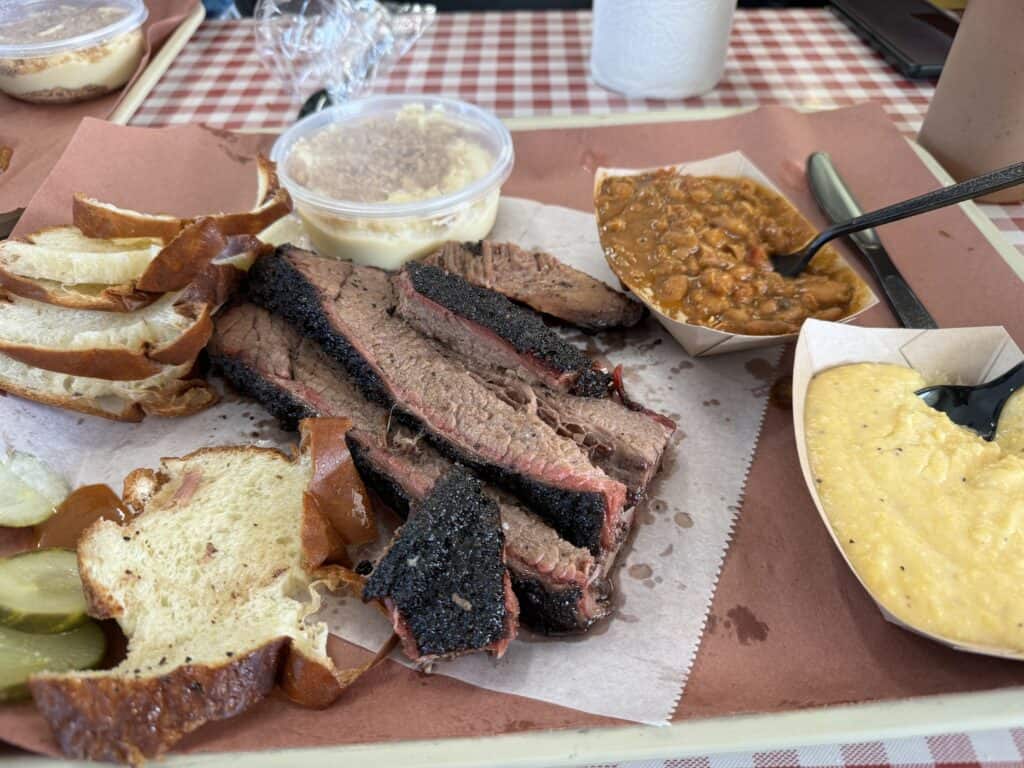
Goldee's Barbecue

Kunafa Factory

Smoke'N Ash BBQ
More places in Fort Worth

Wild Acre Restaurant & Beer Garden

Guanajuato Bakery

Fort Worth Nature Center & Refuge