
Fushimi Inari-taisha Shrine
68 Fukakusa Yabunouchicho, Fushimi-ku, Kyoto 612-0882 Kyoto Prefecture Posted by Brandon B.Admin
Fushimi Inari-taisha Shrine: Kyoto's Mountain of a Thousand Gates
Fushimi Inari-taisha Shrine sits at the southern edge of Kyoto, at the base of Mount Inari in the Fushimi ward. It is one of the most visited sites in all of Japan, and once you step under the first vermillion torii gate, it becomes obvious why. The shrine is not a single building you walk through and leave. It is an entire mountain, draped in thousands of gates, climbing through cedar forest for about 4 kilometers of trail to the summit at 233 meters above sea level.
Most people recognize the image: a tunnel of bright orange-red gates disappearing into shadow. That image is real, and it is even more striking in person. What surprises most visitors is how far the trail goes, and how quickly the crowds thin out once you pass the first hour of walking.
Why Fushimi Inari-taisha Shrine Matters
This is the head shrine of Inari, the Shinto deity of foxes, rice, agriculture, and business. There are roughly 30,000 Inari shrines across Japan, and this is the one they all trace back to. The founding of the shrine is traditionally dated to 711 CE, making it older than Kyoto itself as a capital city. When the imperial court moved to Kyoto in 794, the shrine was already established on this mountain.
The torii gates themselves are donations. Each one is offered by a business or individual seeking good fortune, and the names of donors are inscribed on the back of every gate. Walk through enough of them and you start reading the backs almost instinctively. Some gates have stood for decades. Others are freshly lacquered and bright as a traffic cone.
Quick Facts
- Location: Fukakusa Yabunouchicho, Fushimi-ku, Kyoto, about 30 minutes by train from central Kyoto Station
- Founded: 711 CE, predating Kyoto's role as imperial capital
- Open: 24 hours, every day of the year
- Admission: Free to enter
- Summit elevation: 233 meters, roughly 2 to 3 hours round trip at a steady pace
- Nearest station: Inari Station on the JR Nara Line, a 5-minute walk from the main torii gate
- Also accessible from Fushimi Inari Station on the Keifuku Kintetsu line
Getting There
The easiest approach is the JR Nara Line from Kyoto Station to Inari Station. The ride takes about 5 minutes and the station exits practically at the shrine's front gate. If you have an IC card or a JR Pass, this is the most direct option you will find.
You can also reach the shrine from Tofuku-ji Station, a short walk north, which connects to the Keihan line. That route is useful if you are coming from Gion or the eastern part of the city.
Driving is possible but parking near the main entrance is limited and fills early on busy days. Arriving by train almost always makes more sense.
The Layout and Experience
The main shrine complex at the base of the mountain is where most ceremonies and formal worship happen. You will pass the Romon Gate, the main hall, and a series of smaller sub-shrines before reaching the beginning of the torii tunnel network. Fox statues stand throughout the grounds, each holding something in its mouth: a key, a jewel, a sheaf of rice, a scroll. These are the messengers of Inari.
The famous Senbon Torii, which translates roughly to "thousands of torii gates," begins a short walk from the main buildings. The path splits into two parallel tunnels heading upward, so you can walk up one side and down the other. Above this point, the trail climbs steadily through smaller shrine clusters, rest stops, and open viewpoints over Kyoto.
Yotsutsuji intersection, about halfway up, is where many visitors stop. The view over the city opens up here, and there are small stalls selling drinks and snacks. If you continue past this point, the trail becomes noticeably quieter. The upper mountain has a completely different atmosphere: smaller sub-shrines tucked between trees, moss-covered stone lanterns, and occasionally nobody else in sight.
The summit itself is modest. The reward is the journey, not an impressive peak. Most people who make it to the top do so for the sense of accomplishment and the quiet.
Best Time to Visit
The shrine is open around the clock, and this matters more than at almost any other site in Kyoto. Arriving before 8am on a weekday gives you a version of the place that looks nothing like the midday crowds. The light is softer, the gates glow in the early morning, and the only other people you will see are locals walking dogs or doing their own morning worship.
Late evening visits, after the tour groups have left, have a similar effect. The torii gates are lit at night and the atmosphere turns genuinely eerie in the best possible way.
Cherry blossom season in late March and early April draws enormous crowds, as does the Hatsuuma festival in early February, one of the most important events on the shrine's calendar. If you want the iconic shots without the shoulder-to-shoulder congestion, aim for a weekday in late autumn or the middle of winter. January mornings in particular can be strikingly empty.
Photography Tips
The Senbon Torii tunnels are nearly impossible to photograph without people in them during peak hours. This is not entirely a problem. A lone figure walking through the gates can make a compelling frame. But if you want empty gates, you need to be there before 7am or after 8pm.
The best light on the lower tunnels tends to come in the morning when the sun is low and filters through the gaps between gates. Higher on the mountain, the forest canopy creates dappled light that works well throughout the day.
The backs of the gates, with their donor inscriptions in black and gold, are often overlooked photographically. Shooting back down the tunnel from a slight elevation shows both the inscriptions and the receding pattern of the gates in the same frame.
Bring a wide-angle lens if you can. The tunnels reward it.
Combining with Nearby Attractions
Tofuku-ji, one of Kyoto's major Zen temple complexes, is about a 15-minute walk north of Fushimi Inari. Its famous autumn maple garden is one of the most photographed in the city. Combining both in a single morning is very manageable if you start early.
Fushimi Momoyama, a neighborhood known for its sake breweries, sits a few stations south on the Kintetsu line. The area has been producing sake since at least the 16th century, and several breweries still operate today. Pairing a shrine hike with an afternoon sake tasting makes for an unexpectedly full day.
Practical Tips
- Wear shoes you can actually hike in. The stone steps get steep and uneven in the upper sections, and they can be slippery after rain.
- The full round trip to the summit takes 2 to 3 hours at a comfortable pace. Budget accordingly if you have other plans that day.
- Small stalls and vending machines are available around the Yotsutsuji midpoint, but the upper mountain has nothing. Carry water if you are going to the top.
- The shrine grounds are free, but some sub-shrines accept small offerings. Bring coins if you want to participate in worship at the smaller stations along the trail.
- Weekday mornings are dramatically less crowded than weekend afternoons. This is not a minor difference. It changes the experience entirely.
- The JR Nara Line from Kyoto Station runs frequently and is the fastest way in and out. Keep your IC card handy to avoid ticket machine queues.
FAQ
Do I need to book in advance?
No booking required. The shrine is free and open at all hours without reservations. You simply show up.
Is the full hike to the summit necessary?
Not at all. The most famous sections of the torii tunnels are in the first 20 to 30 minutes of walking. Many visitors turn around at Yotsutsuji and still feel they have seen the essential experience.
Is Fushimi Inari accessible for people with limited mobility?
The main shrine buildings at the base are relatively flat and accessible. The torii tunnels begin on stone steps and the trail becomes progressively steeper. The upper mountain is not wheelchair accessible.
Can I visit at night?
Yes, and it is worth doing. The shrine is open 24 hours and the gates are illuminated after dark. The atmosphere on the lower trail at night is unlike anything during the day.
Are the fox statues for sale anywhere near the shrine?
Yes. The stalls and shops along the approach sell a range of fox-themed ceramics, charms, and small figurines. These tend to be among the more distinctive souvenirs you can find in Kyoto.
Reviews
Sign in and mark this place visited to leave a review.
No reviews yet.
Free Trip Planner
Plan your Japan trip with our free planner
Build a day-by-day itinerary with AI suggestions, hand-picked places, and friends. Free forever — no credit card.
Related reading

Things to see near Fushimi Inari-taisha Shrine

teamLab Nagai Botanical Garden Osaka

Horyu-ji

Yakushi-ji Temple

Dōtonbori
Places to eat or drink near Fushimi Inari-taisha Shrine

The Münch

Rai Rai Tei Ikuno Tatsumi

KITAN HIBIKI YAKINIKU&STEAK
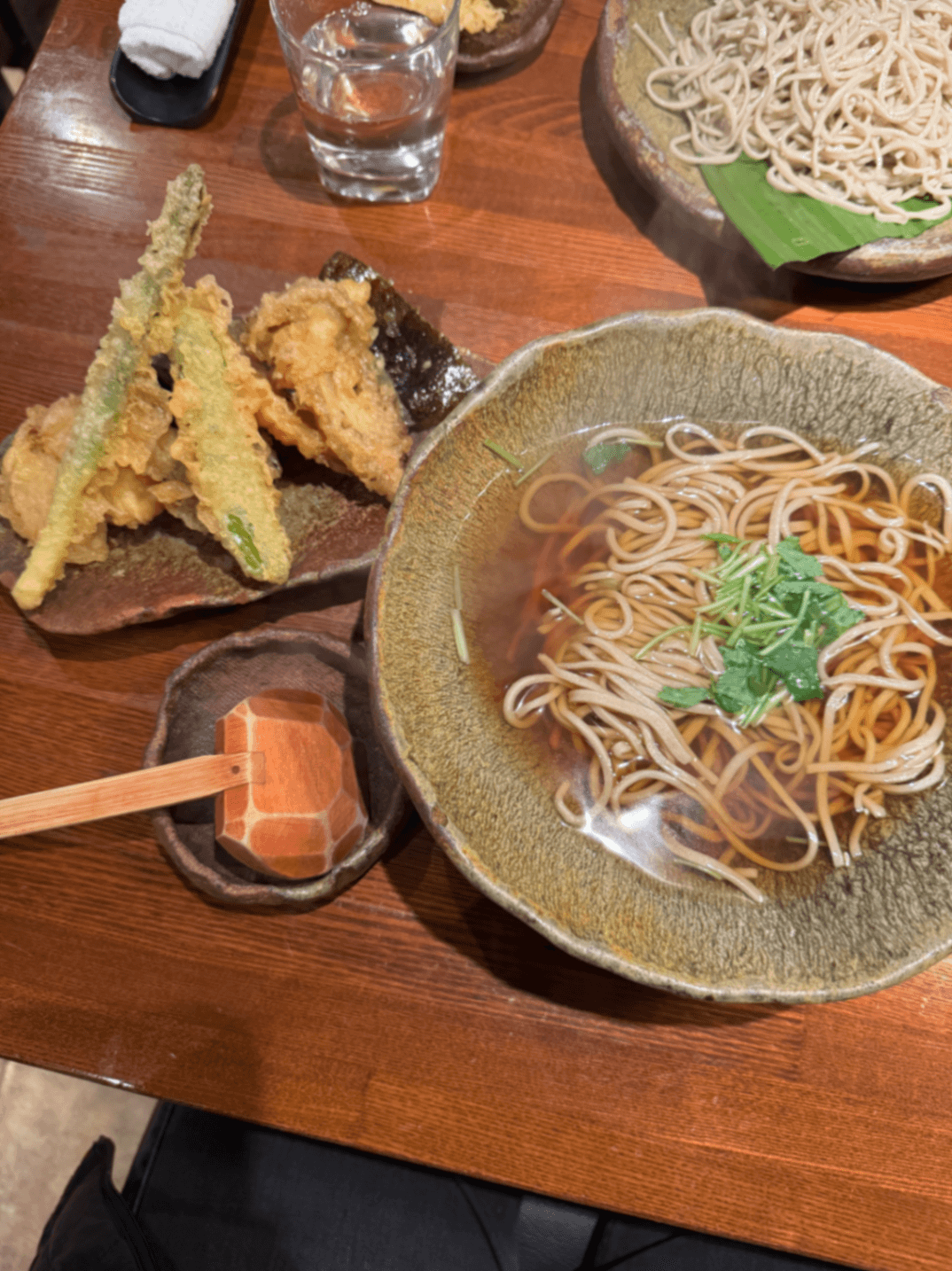
Akari Soba
More places in Kyoto

Rai Rai Tei Uzumasa

Menya Inoichi Hanare

Kiyomizu-dera Temple
