
Giardino Bardini
Costa di San Giorgio 2 Via dei Bardi 1/R, 50125, Florence Italy Posted by Brandon B.Admin
Giardino Bardini: Florence's Most Overlooked Hilltop Garden
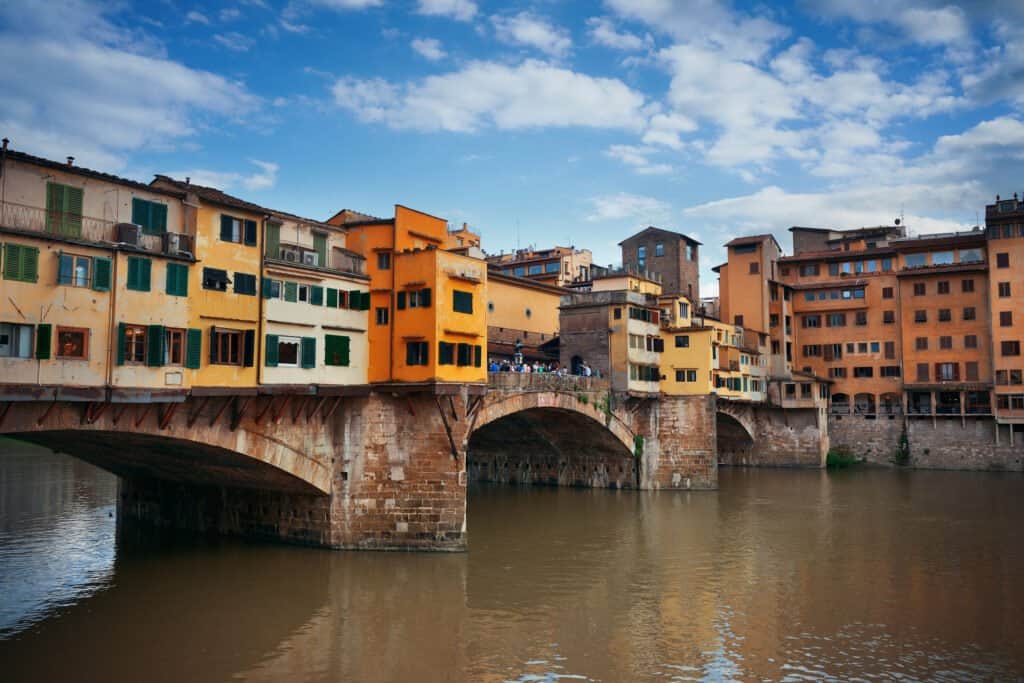
Most visitors to Florence cross the Ponte Vecchio, glance up at the Oltrarno hillside, and keep walking toward the Boboli Gardens. That's a mistake. The Giardino Bardini, tucked above the Via dei Bardi in the Oltrarno neighborhood, offers nearly everything Boboli does with a fraction of the foot traffic. The views across the Arno to the Duomo are arguably better here, the wisteria in spring is one of the great floral spectacles in Italy, and on a quiet Tuesday morning you might have the terraced paths almost entirely to yourself.
The garden climbs steeply from the old city walls up toward the Forte di Belvedere, covering roughly four hectares of terraced landscape that shifts character as you ascend. At the bottom you're in a formal Italian garden. By the time you reach the top, you're walking through an English woodland. That contrast alone makes the Giardino Bardini worth planning your afternoon around.
Why the Giardino Bardini Matters
The garden's story is bound up with the Bardini family name, particularly Stefano Bardini, the antique dealer and art collector who shaped so much of what Florence preserved and sold off in the late 19th and early 20th centuries. The estate passed through private hands before eventually coming under public stewardship managed by the Fondazione Parchi Monumentali Bardini e Peyron, and today it sits alongside the nearby Museo Bardini on Via dei Renai as part of a wider cultural legacy tied to one of Florence's most influential private collectors.
What gives the garden its particular character is that it was never designed as a single coherent project. Different owners layered different tastes onto the hillside over centuries, and the result is genuinely varied in a way that more famous gardens rarely are.
Quick Facts
- Address: Costa di San Giorgio 2 (upper entrance) and Via dei Bardi 1/R (lower entrance), Oltrarno, Florence
- Managed by the Fondazione Parchi Monumentali Bardini e Peyron
- Covers approximately four hectares of terraced hillside
- Two entrances: the lower gate on Via dei Bardi and the upper access via Costa di San Giorgio
- Combined tickets with the Boboli Gardens and other Florentine civic museums are typically available
- Dogs on leads are generally permitted in the garden areas
- The steepest sections involve uneven stone steps and gravel paths, so flat shoes are strongly advised
Getting There
The garden sits on the south bank of the Arno in the Oltrarno, which means it's easily walkable from the historic center. From the Ponte Vecchio, the lower entrance on Via dei Bardi is about a 5-minute walk heading southeast along the riverbank. The street is narrow and residential, so the entrance can feel easy to miss. Look for the gate marked 1/R.
If you're coming from the Piazzale Michelangelo side or arriving by bus to the upper Oltrarno, the Costa di San Giorgio entrance gives you a different approach, though the steep road itself is a bit of a workout before you even get inside.
There's no meaningful parking nearby, and the surrounding streets are restricted. Walking from the center is your best option, and it takes no more than 15 minutes from the Piazza della Repubblica.
The Layout and Experience
The garden is divided roughly into three zones that you move through as you climb. The lowest section near the Via dei Bardi entrance is the most formal, with clipped hedges, a baroque staircase, and the pergola covered in wisteria that becomes famous every April and May. This is where most of the photographs happen in spring.
The central section opens onto a broad terrace with a belvedere offering some of the best rooftop views in Florence. You can see the Duomo, the Badia Fiorentina tower, and on clear days the hills east of the city rolling out behind everything. This is a good spot to simply stop and orient yourself, especially if you've spent the morning inside museums.
The upper woodland section feels genuinely different. The path becomes looser, the planting less structured, and the atmosphere quieter. It connects near the top to the area around the Forte di Belvedere, so if you time it right you can combine both in a single uphill walk without backtracking.
Main Highlights
The Wisteria Pergola
This is the reason many people plan their entire Florence trip around late April. The long pergola near the lower entrance is covered in wisteria that blooms in dense cascades of violet, and when it's at peak it genuinely stops you in your tracks. It lasts roughly two to three weeks, and the timing shifts slightly year to year depending on the winter. If you're visiting specifically for this, check local garden or travel forums in the week before you arrive to confirm the bloom is open.
The Baroque Staircase
Rising from the formal lower garden toward the central terrace, the grand stone staircase is one of the architectural set pieces of the garden. It was restored as part of the broader renovation work the Fondazione undertook in the early 2000s, and it frames the climb beautifully. Even outside of wisteria season, this section photographs well in morning light.
The Belvedere Terrace
The panoramic terrace roughly halfway up is where the garden earns its reputation as a serious viewpoint. Unlike Piazzale Michelangelo, which tends to be crowded from mid-morning onward, this terrace sees far fewer people and the sightline to the Duomo is clear and relatively unobstructed. Arrive before 10am if you want it to yourself.
The Villa Bardini
The villa at the heart of the estate now functions as an exhibition space and houses a small permanent collection with works related to the Bardini legacy. Temporary exhibitions rotate through, and the interior spaces are worth a look if something relevant is showing during your visit. The cafe inside the villa is a reasonable spot for a coffee mid-climb.
Best Time to Visit
Spring is the obvious answer, specifically late April through early May when the wisteria peaks. But the garden has real appeal in other seasons too. In autumn the woodland section turns, and the terrace views on a clear October morning with the Florentine rooftops below can be just as memorable. Summer is warm and the garden offers shade, but midday in July is genuinely hot on the exposed terraces. Go early or late.
Winter sees the fewest visitors by far, and while the garden is less dramatic without the blooms, the bare structure of the hedges and the stone architecture become more visible. If you dislike crowds, a January morning here is a genuinely peaceful experience.
Photography Tips
The wisteria pergola shoots best from inside looking along its length rather than from the ends, particularly in soft morning light. The baroque staircase photographs well from the bottom looking up, with the wisteria framing the steps if you're there in season.
The belvedere terrace is best in the hour after sunrise or before sunset, when the Duomo catches warm light from the west. A 35mm or 50mm equivalent lens captures the rooftop panorama without distorting the foreground. On overcast days the diffused light is actually excellent for close-up garden shots without harsh shadows.
Combining with Nearby Attractions
The Giardino Bardini sits within easy walking distance of several places worth combining into a half-day in the Oltrarno. The Museo Bardini on Via dei Renai is about a 10-minute walk downhill and gives useful context on Stefano Bardini's collecting obsession. The Forte di Belvedere is accessible from the upper section of the garden, though it occasionally closes for private events. The Boboli Gardens connect indirectly through the upper Oltrarno hillside if you're feeling ambitious.
The streets immediately below the garden on Via dei Bardi and Via de' Benci have a good mix of local bars and wine shops, which makes the post-garden aperitivo easy to plan without going back across the river.
Practical Tips
- Wear shoes with grip. The stone paths and steps get slippery when wet, and the incline is steeper than it looks on a map.
- Bring water. There are limited drinking fountains and the climb is more physical than most people expect.
- Check combined ticket options at the Boboli ticket desk or online before you go, as they tend to offer better value than paying individually at each site.
- The wisteria bloom period is short. If you're visiting Florence specifically for it, build flexibility into your itinerary rather than locking in fixed dates months ahead.
- The Via dei Bardi entrance can be easy to walk past. The gate is set into a wall rather than marked with a large sign, so look carefully at the numbering.
- Late afternoon on weekdays tends to be the quietest time outside of the wisteria season.
FAQ
Is the Giardino Bardini suitable for children?
It can be, though the steep steps and uneven paths make pushchairs impractical for most of the garden. Older children who can manage the climb tend to enjoy the open terrace and the views. The lower garden near the entrance is flatter and more manageable for younger visitors.
Can I visit without a ticket?
Entry requires a paid ticket. Combined tickets covering multiple Florentine gardens and museums are typically available and usually represent better value if you're planning to visit more than one site in the same day.
How long does a visit take?
Most people spend between 45 minutes and an hour and a half, depending on how much time they linger at the terrace and whether they explore the villa exhibition. During wisteria season, allow extra time because you will stop more often than you plan to.
Is the Forte di Belvedere accessible from inside the garden?
The upper garden connects to the area near the Forte di Belvedere, but access to the Forte itself depends on whether it's open for exhibitions or events at the time of your visit. It's worth checking locally before assuming you can walk straight through.
Reviews
Sign in and mark this place visited to leave a review.
No reviews yet.
Free Trip Planner
Plan your Florence trip with our free planner
Build a day-by-day itinerary with AI suggestions, hand-picked places, and friends. Free forever — no credit card.
Things to see near Giardino Bardini

Parco Unità d’Italia Viewpoint

Pinacoteca Nazionale

Santa Maria della Scala

Vicolo degli Orefici
Places to eat or drink near Giardino Bardini

La Taverna di San Giuseppe

ChigianArtCafè

Antica Osteria da Divo

Enoteca I Terzi
More places in Florence

Basilica San Miniato al Monte

Babae
Ponte Vecchio
