
Ginkakuji Temple
2 Ginakuji-cho, Sakyo-ku, Kyoto 606-8402 Kyoto Prefecture Posted by Brandon B.Admin
Ginkakuji Temple: Kyoto's Quietly Powerful Silver Pavilion
Ginkakuji Temple sits at the northern end of the Philosopher's Path in Sakyo-ku, Kyoto, and it has a way of surprising people who arrive expecting something like its famous counterpart across the city. There is no silver coating. No dramatic lakeside flash. What you get instead is a building of such restrained beauty that many visitors end up preferring it to the gold-leafed Kinkakuji they came to compare it with. The official name is Jisho-ji, and it was completed in 1490 as a retirement villa for shogun Ashikaga Yoshimasa before being converted into a Zen Buddhist temple after his death.
That gap between expectation and reality is part of what makes this place worth your time.
Why Ginkakuji Temple Matters
The temple is closely tied to the Higashiyama culture that defined refined Japanese aesthetics in the late 15th century. Yoshimasa is credited with nurturing a sensibility that influenced the tea ceremony, flower arranging, ink painting, and Noh theater as we know them today. He modeled the complex after Kinkakuji, which his grandfather Yoshimitsu had built roughly a century earlier, but the mood here runs quieter and more inward. Walking through the grounds, you get a genuine sense of wabi, that appreciation for imperfection and transience that sits at the center of traditional Japanese taste.
The site was designated a UNESCO World Heritage Site in 1994 as part of the Historic Monuments of Ancient Kyoto listing, which also includes 16 other properties across the region.
Quick Facts
- Official name: Jisho-ji (Temple of the Shining Mercy)
- Location: 2 Ginkakuji-cho, Sakyo-ku, Kyoto, at the northern terminus of the Philosopher's Path
- Built: 1490, originally as a shogunal villa
- UNESCO World Heritage Site since 1994
- Admission: paid general admission, no timed-entry booking required for most visits
- Open year-round, with slightly adjusted hours by season
- Walk from Ginkakuji-michi bus stop: roughly 10 minutes
Getting There
The easiest approach from central Kyoto is by city bus. Several lines stop at Ginkakuji-michi, and from there it's a straightforward 10-minute walk northeast along a lane lined with souvenir shops and cafes. If you're already on the Philosopher's Path, simply follow it north from Nanzenji or the Eikan-do Zenrin-ji area and you'll arrive at the temple gate without needing any transit at all. The walk along the canal, especially under the cherry trees in spring, is worth doing in its own right.
Taxis can drop you closer to the entrance if needed. There is no practical parking for private cars given the narrow surrounding streets, so driving is genuinely not recommended.
The Layout and Experience
The grounds are organized around two main zones: the lower garden and the hillside forest path. You'll enter through a corridor of tall hedges, a deliberate design that builds anticipation before the garden opens up in front of you. The Silver Pavilion itself stands at the edge of a carefully raked sand garden called Kogetsudai, a cone-shaped mound that is thought to evoke Mount Fuji, though interpretations vary.
From the lower garden, a path climbs the forested hillside behind the pavilion. This upper trail is what separates Ginkakuji from most Kyoto temple visits. At the top, you look out over the city and across the garden below, and the combination of moss, pine, and the pavilion's reflection in the pond makes for one of the more quietly affecting views in Kyoto. The whole circuit takes around 45 to 60 minutes at a comfortable pace.
Main Highlights
The Silver Pavilion
The two-story wooden structure is the centerpiece of the complex. The lower floor follows the shoin architectural style typical of samurai residences, while the upper floor reflects the influence of Chinese Zen design. Despite the popular nickname, the pavilion was never covered in silver. One theory suggests the coating was always planned but never funded. Another holds that the name came later as a poetic contrast to the golden Kinkakuji. Either way, the unpainted wood has aged to a dark, weathered tone that feels entirely right for the atmosphere Yoshimasa reportedly wanted.
Kogetsudai Sand Garden
The raked sand platform beside the pavilion is one of the most photographed features on the grounds. It stands roughly 180 centimeters tall and is maintained with a precision that makes it look almost architectural. The adjoining flat section of raked sand, called Ginshadan, is said to represent the sea. The whole arrangement is best seen in morning light before the crowds arrive.
The Forest Path and Overlook
Don't skip the hillside trail. It takes about 10 to 15 minutes to reach the top, and the elevated perspective changes how you read the entire garden layout below. The moss covering the slopes is particularly vivid after rain, and the silence up there feels noticeably removed from the activity at ground level.
Best Time to Visit
Early morning on a weekday is the clearest answer. The temple opens to visitors in the morning and the first hour tends to draw far smaller crowds than midday. Spring brings cherry blossoms along the Philosopher's Path and draws large numbers of visitors to the whole Higashiyama area, so expect significant foot traffic from late March through mid-April. Autumn foliage season, roughly mid-November, is equally busy but produces some of the most dramatic color in the garden.
Summer mornings are warm but manageable before 9am. Winter visits, especially after light snow, are genuinely special if you can handle the cold. The moss and sand garden under a dusting of snow is something you won't see on most people's travel feeds.
Photography Tips
The classic shot of the pavilion reflected in the pond works best from the east side of the lower garden, ideally when the light is coming in from the southeast in the morning. Bring a wide enough lens to capture both the building and the Kogetsudai sand mound in a single frame.
The forest path offers compelling compression shots looking back down through the pines toward the pavilion roof. A longer focal length helps here. If you visit after rain, the saturated moss on the hillside shoots beautifully even in flat overcast light.
Combining with Nearby Attractions
The Philosopher's Path runs south from the temple entrance along a canal for roughly two kilometers, connecting Ginkakuji to Eikan-do Zenrin-ji, Nanzenji, and eventually the neighborhoods around Heian Shrine. Most visitors walk the whole stretch in one direction over an hour or two, stopping at smaller shrines, independent cafes, and galleries along the way.
Honen-in, a quieter temple set back from the path about halfway down, is easy to miss and worth finding. The Okazaki Museum district near the south end of the walk has several institutions including the Kyoto Municipal Museum of Art and the National Museum of Modern Art, if you want to extend the day into the afternoon.
Practical Tips
- Arrive when the temple opens if crowds are a concern, especially during cherry blossom and autumn foliage seasons.
- Wear comfortable shoes. The hillside path is uneven in places.
- The site is walkable in rain. The moss and garden elements actually look better when wet, and the crowds thin out noticeably.
- Combine the visit with the Philosopher's Path on foot rather than busing back immediately. The walk south takes roughly 40 to 50 minutes with light stops.
- There is no food service inside the grounds. The lane leading to the entrance has several cafes and snack stalls that open from mid-morning.
- Photography is permitted throughout the outdoor grounds. Interior shooting restrictions may apply to specific buildings.
FAQ
Is Ginkakuji actually covered in silver?
No. The pavilion has never been coated in silver. The name appears to have developed as a poetic nickname, possibly in contrast to the gold-leafed Kinkakuji. The wood has simply darkened over centuries of weathering.
Do I need to book in advance?
General admission does not typically require advance booking for most of the year. During peak seasons like cherry blossom and autumn foliage periods, arriving early is more useful than any reservation system.
How long should I plan for a visit?
Between 45 minutes and 90 minutes covers the full circuit comfortably, including the hillside path. If you plan to walk the Philosopher's Path south afterward, add another hour or two.
Is it accessible for visitors with limited mobility?
The lower garden area is largely level and accessible. The hillside forest path involves uneven terrain and a noticeable climb, so visitors with mobility concerns may want to skip that section while still seeing the main pavilion and sand garden.
How does Ginkakuji compare to Kinkakuji?
Kinkakuji is more immediately dramatic and tends to draw larger crowds. Ginkakuji rewards slower attention. The grounds are more varied, the garden design is arguably more sophisticated, and the overall atmosphere feels less like a landmark and more like a place someone actually lived in.
Reviews
Sign in and mark this place visited to leave a review.
No reviews yet.
Free Trip Planner
Plan your Japan trip with our free planner
Build a day-by-day itinerary with AI suggestions, hand-picked places, and friends. Free forever — no credit card.
Related reading

Things to see near Ginkakuji Temple

teamLab Nagai Botanical Garden Osaka

Horyu-ji

Yakushi-ji Temple

Dōtonbori
Places to eat or drink near Ginkakuji Temple

The Münch

Rai Rai Tei Ikuno Tatsumi

KITAN HIBIKI YAKINIKU&STEAK
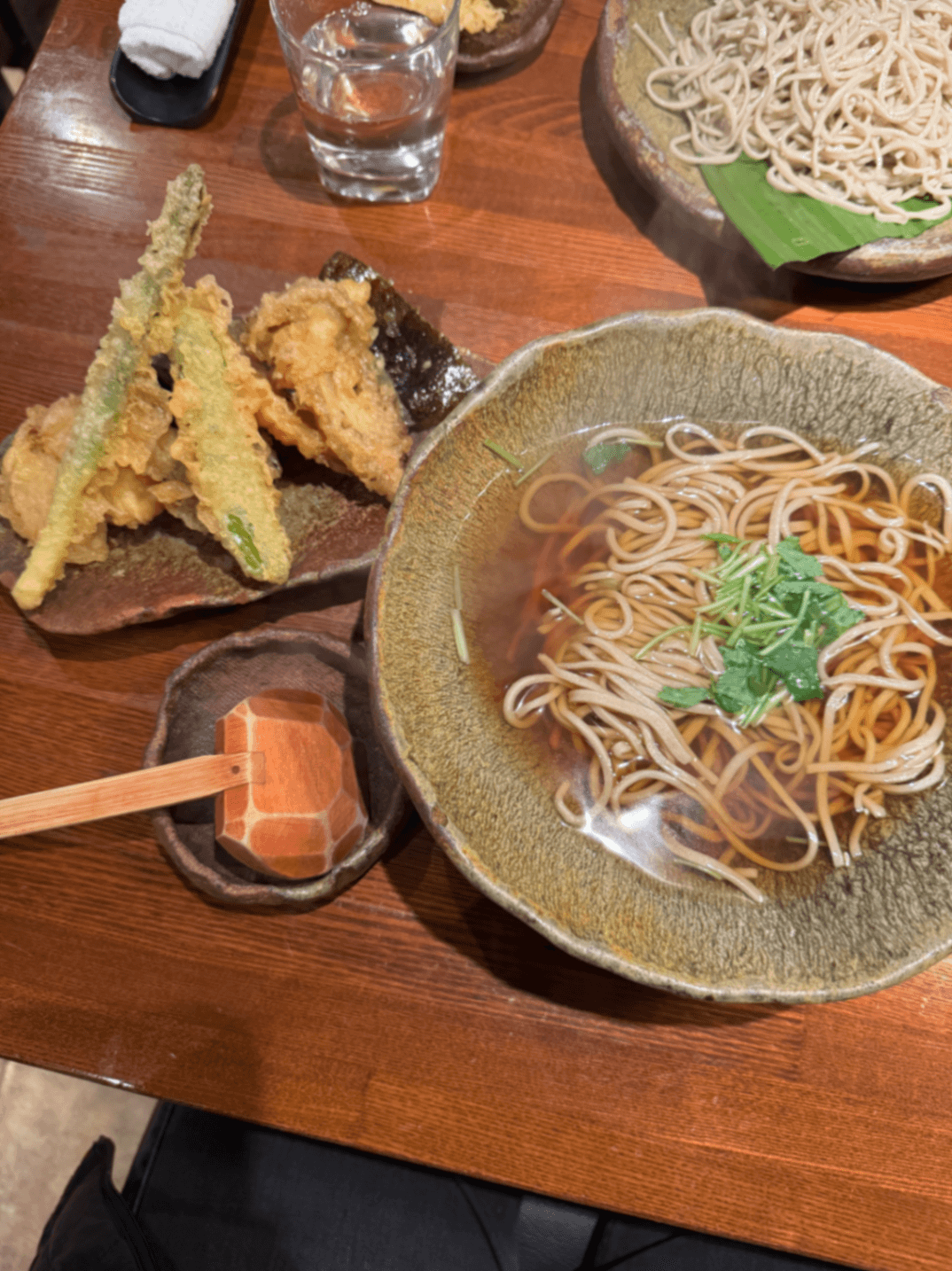
Akari Soba
More places in Kyoto

Rai Rai Tei Uzumasa

Menya Inoichi Hanare

Kiyomizu-dera Temple
