
 Posted by Brandon B.Admin
Overview
Gion is Kyoto's most famous geisha district, a neighborhood where wooden machiya townhouses line narrow lanes and the atmosphere shifts noticeably once the sun sets. Walking through Gion feels like stepping into another era. The district stretches across several blocks in the Higashiyama ward, east of the Kamo River, and remains one of Japan's best-preserved traditional merchant quarters.
The neighborhood spans roughly 2.25 square kilometers and is split into two main sections: Gion Kobu to the west and Gion Higashi to the east. Gion Kobu is the larger and more famous half, where geisha still live and work in registered establishments called ochaya. The district draws millions of visitors annually, but the geisha community itself remains relatively small and private.
Why this place matters
Gion represents a living link to Kyoto's past as Japan's imperial capital. The geisha tradition dates back centuries, and Gion became the center of this world during the Edo period. Unlike many historic districts that have been rebuilt or modernized, Gion's streetscape has been carefully preserved. Walking here, you see the same types of buildings, lanterns, and spatial arrangements that existed 150 years ago.
The district matters because it maintains a functioning cultural practice that might otherwise have vanished. Geisha still train for years in classical arts like dance, shamisen (a three-stringed instrument), and tea ceremony. They perform at ochaya and at formal dinners and gatherings. Seeing the district in the early evening, when geisha head to appointments, offers a genuine glimpse of a profession that has survived industrialization and social change.
Quick facts
- Location: Higashiyama ward, east of the Kamo River in central Kyoto
- Main street: Hanami-koji, a pedestrian lane roughly 180 meters long lined with ochaya
- Established as a geisha district: 1688
- Two main sections: Gion Kobu (west) and Gion Higashi (east)
- Best time to visit: Early morning (6 to 9 am) or dusk (5 to 7 pm) to see geisha
- Nearest train: Gojo Station on the Keihan Line (about 10 minutes walk) or Kiyomizu-Gojo Station on the Tozai Line
- Entry: Free to walk the streets; no admission required
Getting there
From Kyoto Station, the easiest route is to take the Keihan Main Line toward Kobe and get off at Gojo Station. Exit the station and walk north along Hanami-koji, which is well signposted. The walk takes about 10 minutes. Alternatively, take the Tozai Line to Kiyomizu-Gojo Station, which puts you at the southern edge of the district, also about a 10-minute walk to the main lanes.
If you're staying in central Kyoto near Shijo or Kawaramachi, you can walk to Gion in about 15 minutes by heading east across the Kamo River. Many taxis serve the area, though traffic can be heavy during peak hours. Bicycles are popular with locals, but pedestrians are far more practical for exploring the narrow lanes and stopping to look at buildings.
The layout and experience
Gion's geography is deliberately compact and designed for walking. Hanami-koji is the main east-west street and the most photographed lane in the district. It's narrow, paved with stone, and lined with two-story wooden buildings with traditional latticed windows and hanging lanterns. This street is pedestrian-only, which makes it feel separate from the modern city just beyond its boundaries.
Running parallel to Hanami-koji on both sides are smaller streets and alleyways. Tatsuta-dori is another key north-south street. The blocks between them contain more ochaya, restaurants, tea shops, and boutiques. The layout encourages wandering. You'll find quiet corners with single maples in courtyards, stone lanterns, and small shrines tucked between buildings.
The experience changes dramatically by time of day. During daylight hours, the district is crowded with tourists, many wearing rental kimono. Shops and cafes cater to visitors. But if you return around 5 or 6 pm on most evenings, the atmosphere transforms. The crowds thin. Lanterns are lit. Geisha move through the streets in makeup and formal dress, heading to appointments. This is when Gion reveals what it actually is rather than what it performs as a tourist attraction.
Main highlights
Hanami-koji street itself is the primary draw. Even if you don't enter any buildings, the visual experience of walking this lane is worth the visit. The architectural consistency and attention to detail in the wooden facades, tile roofs, and window designs create an immersive historical environment.
The Gion Corner building, located at the southern end of Hanami-koji, hosts 40-minute performances of traditional Japanese arts including geisha dance, tea ceremony, and classical theater. Performances happen multiple times daily, typically from late afternoon into evening. This is one of the few places where you can observe geisha performing without a formal invitation to an ochaya.
Yasaka Shrine sits at the northern edge of Gion, accessible by walking up Hanami-koji and turning toward the hills. This small but historic shrine has served the neighborhood for centuries. Its torii gate and stone lanterns are classic photo subjects. The shrine is free to enter and offers a quieter space than the main streets.
The Gion Matsuri festival occurs in July and involves the entire district. Elaborate floats are paraded through the streets, and temporary stalls fill the lanes. If you're in Kyoto in mid-July, Gion during festival season is dramatically different from the usual experience.
History and background
Gion's formal history as a geisha district begins in 1688, when a tea house opened near the Yasaka Shrine. The area was originally a riverbed and marshland, used for drying tea leaves and hemp. As the tea house grew popular, other merchants and entertainers followed. By the Edo period, Gion had become Kyoto's primary entertainment district.
The geisha profession itself evolved over centuries from earlier courtesans into trained entertainers who provided music, dance, and conversation at formal gatherings. By the Meiji period (1868 to 1912), Gion was well established with strict rules governing the training, dress, and conduct of geisha. These professional standards persist today.
During World War II, much of Kyoto was spared bombing, which is why Gion's historic streetscape survived intact while other Japanese cities were rebuilt. This accident of history makes Gion one of the few places where you can see what a major Japanese urban area looked like before modernization.
The district faced pressure to modernize in the 1960s and 1970s, but community resistance and official preservation efforts kept the historic character intact. In 2005, Gion Kobu was designated a National Important Traditional Building Preservation District, one of the first such designations in Japan.
Best time to visit
Early morning, between 6 and 9 am, offers the quietest experience. The streets are nearly empty, light is soft, and you can see the district as locals know it. Geisha may be returning home from nighttime appointments. Photography is easiest during these hours, and the stone lanes are less crowded.
Early evening, from 5 to 7 pm, is when geisha head to their appointments. If you're hoping to see them, this is the most reliable window. The light is golden, and the energy shifts noticeably as the district prepares for nighttime activities. Avoid the midday hours (11 am to 4 pm) when crowds are heaviest and the heat can be intense.
Spring (late March to April) and autumn (October to November) offer the best weather. Summer is hot and humid. Winter can be cold, but it's less crowded. The Gion Matsuri in July draws enormous crowds but is a singular experience if you're willing to navigate the chaos.
Photography tips
Photograph early in the morning when light is directional and crowds are thin. The wooden lattice windows and lanterns are most photogenic in warm, angled light. Hanami-koji's narrowness means you can't get far from your subject, so wide-angle lenses work better than telephoto.
Be respectful if you photograph geisha or people in kimono. Most geisha prefer not to be photographed, especially close-up. Ask permission before taking someone's picture. Many photographers wait at the north or south ends of Hanami-koji in late afternoon when geisha are moving between appointments, but this approach often results in rushed, intrusive shots.
Smaller side streets often yield better images than the main thoroughfare because they're less crowded and the light is more interesting. Walk north into the hills behind Gion or explore the east side around Gion Higashi for less-photographed angles.
Facilities and preparation
Gion has numerous cafes, restaurants, and tea shops scattered throughout. Most are mid-range to upscale. If you want to eat in Gion, arrive early or make reservations, especially for dinner. Many restaurants serve kaiseki (multi-course Japanese cuisine) or traditional Kyoto dishes. Budget-friendly options include convenience stores just outside the district and casual noodle shops.
Public restrooms are limited. The Gion Corner building has facilities. Some shops and restaurants allow non-customers to use restrooms if you ask politely. Convenience stores on the periphery of the district have public restrooms.
The streets are all pedestrian-friendly and flat, but the stone paving can be uneven. Wear comfortable walking shoes. If you're wearing a rental kimono, plan carefully because movement is restricted and you'll be noticed by other visitors.
Combining with nearby attractions
Gion is within walking distance of several major sites. Kiyomizu-dera, one of Kyoto's most famous temples, sits about 15 minutes uphill to the south. Kodai-ji Temple is northeast, roughly 10 minutes walk. Maruyama Park, a pleasant open space with old trees, is at the edge of Gion to the north. The Kamo River delta, where the Kamo and Takano rivers meet, is west across the river and offers a different kind of urban landscape.
A logical half-day itinerary would be to start in Gion at dawn, explore Hanami-koji and the side streets, then head uphill to Kiyomizu-dera as morning light improves. Return to Gion in the evening for dinner and a geisha sighting. This approach separates your visits to the district and gives you two different experiences of the same place.
Sample visit plan
Arrive by 7 am if possible. Walk through Gion Kobu's main streets while they're quiet. Spend 90 minutes photographing and observing the architecture. Stop for coffee at a small cafe. If you want to see Gion Corner's morning performance, plan accordingly, though these are less common than evening shows.
Leave Gion by 10 am before crowds peak. Visit a nearby temple like Kiyomizu-dera or explore the surrounding neighborhoods. Return to central Kyoto for lunch. Come back to Gion around 5 pm for the early evening period. Walk the streets again, noting how the light and atmosphere have changed. Eat dinner at a restaurant or tea shop. If you're interested in traditional arts, catch an evening performance at Gion Corner. Stay until 7 pm to see if you can spot geisha in transit.
Practical tips
- Avoid standing in the middle of Hanami-koji to take photos. It's narrow and others need to pass. Move to the side or wait for quiet moments.
- Don't follow geisha or try to photograph them without permission. They're working professionals, not tourist attractions.
- Many ochaya and traditional restaurants require advance reservations and won't accept walk-ins. Plan ahead if you want to dine formally in Gion.
- Download an offline map. Cell service can be spotty in the narrow lanes, and GPS signals bounce off buildings unpredictably.
- Bring cash. Some older shops and smaller restaurants don't accept cards.
- The district has steep hills to the north and east. If you have mobility concerns, stay on the main flat streets.
FAQ
Can you visit ochaya (geisha houses) as a tourist? Most ochaya are private and only serve guests who are invited or who book through a registered agency. A few ochaya accept reservations through hotels or travel services for formal dinners that include geisha entertainment. Direct walk-ins are not possible. Gion Corner is the main public venue where you can see geisha perform without a private invitation.
Is it disrespectful to wear a kimono in Gion? Renting a kimono and wearing it in Gion is common and generally accepted. Many visitors do this. The key is to rent from a reputable shop and wear the kimono respectfully. Avoid overly theatrical makeup, loud behavior, or treating the experience as a costume party. Geisha spend years training in their craft, so wearing a kimono for a day is different from their profession.
What's the difference between Gion Kobu and Gion Higashi? Gion Kobu is larger, more famous, and more heavily visited. Gion Higashi is quieter and less touristy, with fewer shops but a more authentic neighborhood feel. If you want a calmer experience, explore Gion Higashi. If you want the iconic Gion experience, focus on Gion Kobu and Hanami-koji.
How long should you spend in Gion? A quick walk through the main streets takes about 90 minutes. A deeper exploration with time at a cafe or tea shop takes 3 to 4 hours. If you want to return at different times of day to see how the atmosphere changes, plan for a full day with a break in between.
Reviews
Sign in and mark this place visited to leave a review.
No reviews yet.
Free Trip Planner
Plan your Japan trip with our free planner
Build a day-by-day itinerary with AI suggestions, hand-picked places, and friends. Free forever — no credit card.
Related reading

Things to see near Gion

teamLab Nagai Botanical Garden Osaka

Horyu-ji

Yakushi-ji Temple

Dōtonbori
Places to eat or drink near Gion

The Münch

Rai Rai Tei Ikuno Tatsumi

KITAN HIBIKI YAKINIKU&STEAK
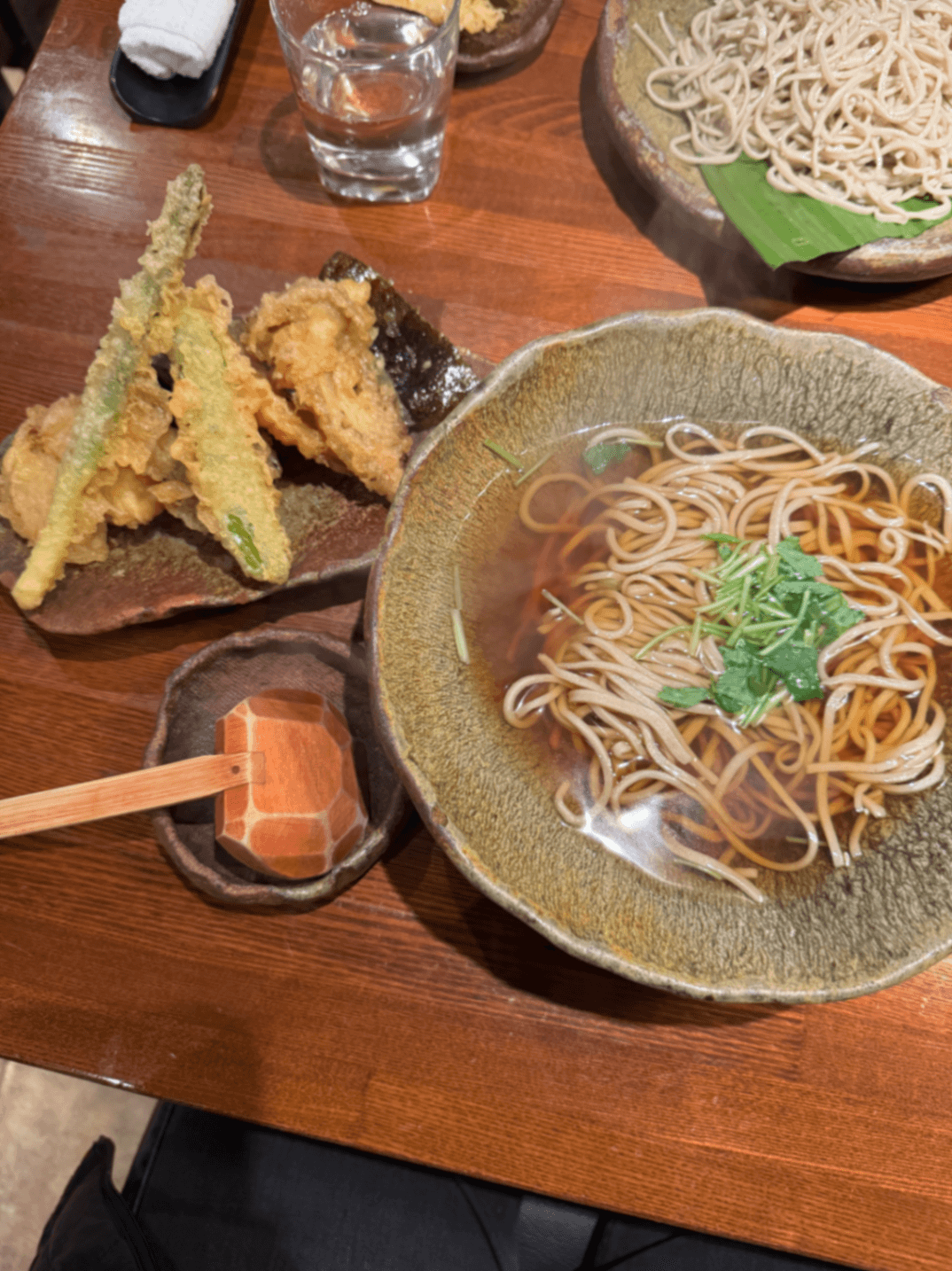
Akari Soba
More places in Kyoto

Rai Rai Tei Uzumasa

Menya Inoichi Hanare

Kiyomizu-dera Temple
