
 Posted by bazartravelsAdmin
Overview
Grund is the oldest district of Luxembourg City, a steep-sided ravine neighborhood tucked below the modern upper town. The name means "ground" or "bottom" in German, and that's exactly what you'll find when you descend from the city center: a tight cluster of narrow streets, medieval buildings, and riverside calm that feels removed from the busier parts of the capital. The district sits along the Alzette River and is bookended by two fortress-like structures that once controlled access to the city.
This is where Luxembourg's story begins. Merchants, craftspeople, and fishermen built their lives here centuries ago, and you can still walk those same winding lanes today. The architecture ranges from Renaissance townhouses to 18th-century workers' dwellings, many painted in soft yellows and greens that reflect in the water below. Unlike the polished museums and administrative buildings uptown, Grund feels lived-in and particular.
Why this place matters
Grund represents the medieval foundation of Luxembourg City in its most tangible form. While the city's upper fortifications protected the elite, Grund housed the people who kept the city running. The district survived multiple sieges, occupations, and urban modernizations that erased similar neighborhoods elsewhere in Europe.
Today it's a protected zone, and that protection has done something rare: it's allowed a genuinely historic neighborhood to remain a neighborhood, not a museum. You'll find locals in cafes, artists in converted workshops, and families in apartments above shops. Tourists come here, but they don't overwhelm it.
Quick facts
- Located directly below the Ville Haute (upper city) in central Luxembourg City
- The district's main thoroughfare, Rue de l'Eau, runs along the Alzette River
- Easily reached by foot from the city center in about five to ten minutes
- Free to explore the streets and most public spaces
- Home to the Abbey of Neumuenster, founded in the 17th century
- Two main entry points from above: near the Grand Ducal Palace and from Rue Simonide
Getting there
The easiest way to reach Grund is on foot from the upper city. If you're standing at Place d'Armes or near the Grand Ducal Palace, look for the narrow passages and steep stairs that descend toward the ravine. The drop is dramatic enough that you'll feel the shift in elevation quickly.
From the Gare Centrale (main train station), walk north toward the city center, then navigate to the palace area and descend from there. The whole journey takes about fifteen minutes depending on your pace and how lost you get in the upper city's grid.
Public buses serve the upper city, but there's no direct bus into Grund itself. Once you're in the neighborhood, everything is walkable on foot. The streets are narrow and the slopes are steep, so wear comfortable shoes with decent traction.
The layout and experience
Grund is not a grid. Streets curve, stairs interrupt the flow, and dead-ends are common. This can feel confusing for the first few minutes, but it's also what makes the place special. You move through the neighborhood in a different way than you do the planned upper city.
The Alzette River forms the spine of the district. Rue de l'Eau runs closest to the water and is the main pedestrian artery. Side streets branch off steeply to the left (toward the ravine wall) and lead back upward toward the upper city. The main bridges connecting Grund to the upper town are Pont Adolphe and Passerelle, though there are other smaller crossing points.
Walking through Grund, you'll notice the buildings pressed close together, many with interior courtyards you can sometimes glimpse through open gates. Ground floors often house workshops, galleries, restaurants, or small shops. The upper stories are residential. On a weekday morning or late afternoon, the streets have a genuine residential quality. Weekends draw more foot traffic, especially around the cafes and restaurants.
Main highlights
The Abbey of Neumuenster is the district's most significant landmark. This former Benedictine monastery, established in 1606, sits prominently above the river and now serves cultural purposes. The building itself is impressive, and even from outside you can appreciate its scale and the way it dominates the ravine. Check locally for any events or exhibitions that might be happening during your visit.
The Musee de la Banque (Money Museum) occupies a former bank building and offers a look at Luxembourg's financial history through coin and currency collections. It's small but thoughtfully curated, and the building itself is worth seeing.
The riverside walk along Rue de l'Eau is the best way to experience the district's character. The street is lined with cafes, restaurants, and small galleries. On warm days, outdoor seating spills into the street, and the reflections in the river create a postcard quality light, especially in late afternoon.
Several small art galleries and studios are scattered through the neighborhood. These tend to be independently run and change their hours and exhibitions frequently. Walking around is often the best way to discover them.
History and background
Grund developed in the early Middle Ages as the settlement outside the fortress walls of Luxembourg Castle, which perched on the ridge above. The location made sense: water access from the Alzette River, protection from the fortifications above, and distance from the seat of power. Merchants and craftspeople settled here, and by the 12th century, Grund had become the commercial heart of the young city.
The fortifications visible today, particularly the casemates and walls, were built and rebuilt over centuries as Luxembourg changed hands between different rulers. The district survived the Siege of Luxembourg in 1684 and subsequent occupations by French, Dutch, and other forces. Each occupation left marks on the architecture and street layout.
The 19th and early 20th centuries saw Grund decline as the upper city modernized and industry moved elsewhere. By the mid-20th century, the neighborhood was partly neglected. However, beginning in the 1970s and accelerating through the 1980s and 1990s, restoration efforts began. Artists and alternative businesses moved in, properties were renovated, and the district was officially protected as a historic zone. This restoration has been more successful than similar projects elsewhere because it stopped short of turning the neighborhood into a theme park. It remains a working, living district.
Tickets and entry
There is no admission fee to walk through Grund or to explore the neighborhood streets. The public spaces are free and open.
The Abbey of Neumuenster may have restricted hours or require a small fee for certain exhibitions or events. Check ahead if you want to enter the building itself rather than just viewing it from the street.
The Money Museum (Musee de la Banque) charges a general admission fee to enter. Hours tend to be limited, typically weekday afternoons and occasional weekend hours. Verify current opening times before planning your visit around it.
Most restaurants and cafes operate on standard hours, with lunch typically from noon to two pm and dinner from six pm onward. Many close one day per week, often Monday or Tuesday.
Best time to visit
Spring and early autumn offer the most pleasant weather for walking Grund's steep streets. The light in late afternoon (from four pm to six pm) is particularly good here because the ravine's geography creates specific angles and shadows that photograph well.
Weekday mornings and early afternoons tend to be quieter than weekends, if you prefer a less crowded experience. However, weekends bring more life to the cafes and restaurants, which can feel more vibrant depending on your preference.
Summer can be warm enough to make the steep climbs tiring, though the outdoor seating along the river is pleasant. Winter is quiet and atmospheric, though some smaller establishments close or reduce hours. Rain is common year-round and makes the cobblestones slippery, so plan accordingly.
Photography tips
The narrow street perspectives and reflected light from the river create strong compositional opportunities. Shoot from Rue de l'Eau looking across the water toward the opposite buildings for classic Grund compositions. The interplay of light and shadow on the pale-colored facades changes throughout the day.
The Abbey of Neumuenster photographs well from several angles across the river, particularly in late afternoon when the sun catches the building's upper sections. Early morning light on the eastern facades of buildings along Rue de l'Eau is soft and even.
Details matter here. Close-ups of weathered doors, window frames, architectural moldings, and the texture of buildings tell the story of the neighborhood as effectively as wide shots. The cafes with outdoor seating offer candid moments if you're interested in people and place together.
Facilities and preparation
Grund is compact and highly walkable, but the streets are genuinely steep in places. Wear comfortable walking shoes with good grip, especially if you're arriving after rain. The cobblestones and stairs are uneven and require attention.
There are public restrooms, though they're not abundant. Most cafes and restaurants will let you use their facilities if you're a customer. The neighborhood doesn't have large supermarkets, but small shops and bakeries sell snacks and drinks.
Mobile phone signal is generally good throughout the district. ATMs are available, though cards are increasingly accepted at restaurants and shops.
The neighborhood is not particularly accessible for wheelchairs or mobility devices due to the steep terrain, stairs, and narrow streets. Plan accordingly if mobility is a concern.
Combining with nearby attractions
The Grand Ducal Palace sits directly above Grund and is open for public tours during specific periods. Descending from the palace area into Grund creates a natural flow.
The Casemates du Bock, the underground tunnel network carved into the rock, has entrances near the Grund area and offers a different perspective on Luxembourg's fortification history. These require a separate ticket and a guided tour.
The Notre-Dame Cathedral is a short walk uphill from Grund and worth visiting for its interior and the views from its steps back over the neighborhood.
The Musee d'Histoire de la Ville de Luxembourg (City History Museum) is located in the upper city and provides context for what you see in Grund. Visiting the museum before exploring the neighborhood can deepen your understanding.
Sample visit plan
Start in the late morning by descending into Grund from the upper city near the palace. Spend thirty to forty minutes walking Rue de l'Eau and exploring the side streets, taking photos and getting a feel for the district's layout and character.
Have lunch at one of the cafes or restaurants along the river. Budget an hour for this, eating slowly and watching the light change on the water.
After lunch, if the Money Museum is open and interests you, spend thirty to forty minutes there. Otherwise, walk the quieter side streets and explore any galleries or shops you missed on the first pass.
Spend the late afternoon (from around three or four pm onward) photographing or simply sitting by the river. The light is best during this time, and the neighborhood is often less crowded than midday.
Leave Grund as the light begins to fade, ascending back to the upper city through whichever route brought you down. The climb is easier to navigate in daylight.
Practical tips
- Bring water, especially in warmer months. The steep streets and limited shops make staying hydrated important
- Cash is still useful here, though many restaurants now accept cards. ATMs are present but not everywhere
- The neighborhood has minimal vehicle traffic, but stay aware of the few cars and delivery vans that do navigate the narrow streets
- If you're dining at a restaurant, book ahead on weekends or popular times. Casual drop-ins work on quiet weekday afternoons
- The best views of Grund as a whole come from the bridges and the upper city rim, not from within the neighborhood itself
- Allow extra time if exploring with children or anyone with limited mobility. The terrain is genuinely steep and uneven
FAQ
How long should I plan to spend in Grund? Most visitors spend two to three hours exploring the neighborhood, eating, and enjoying the riverside. If you're moving quickly, an hour is enough to get a sense of the place. A leisurely afternoon with a meal can stretch to four hours.
Is Grund safe to visit at night? Yes, the neighborhood is well-lit and regularly patrolled. Evening walks along the river are pleasant, though the steep streets can be harder to navigate after dark if you're unfamiliar with them.
Can I swim or boat on the Alzette River? Swimming is not permitted in the Alzette within the city limits. Boating is not a typical activity here, though the river is part of Luxembourg's larger water transport heritage.
What languages are spoken in Grund's shops and restaurants? You'll encounter Luxembourgish, French, and German. English is increasingly common in tourist-facing establishments, though not guaranteed everywhere. Learning a few basic phrases in French or German is helpful.
Are there guided tours of Grund? Yes, walking tours of the historic district are available through the Luxembourg City tourist office and various local tour operators. These provide context and stories you might miss on a solo visit.
Reviews
Sign in and mark this place visited to leave a review.
No reviews yet.
Free Trip Planner
Plan your Luxembourg trip with our free planner
Build a day-by-day itinerary with AI suggestions, hand-picked places, and friends. Free forever — no credit card.
Things to see near Grund


Places to eat or drink near Grund


More places in Luxembourg City

Place d’Armes
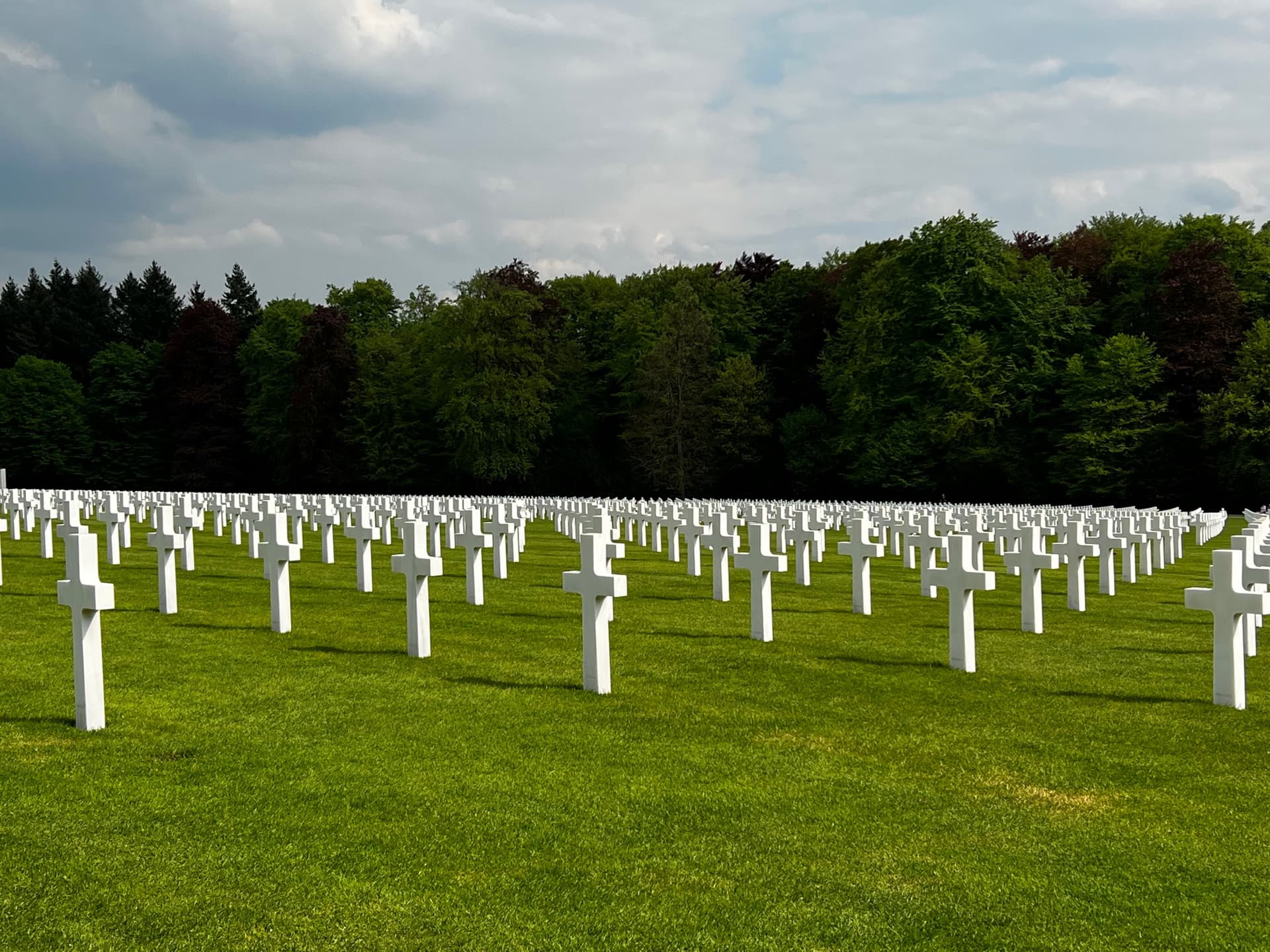
Luxembourg American Cemetery and Memorial
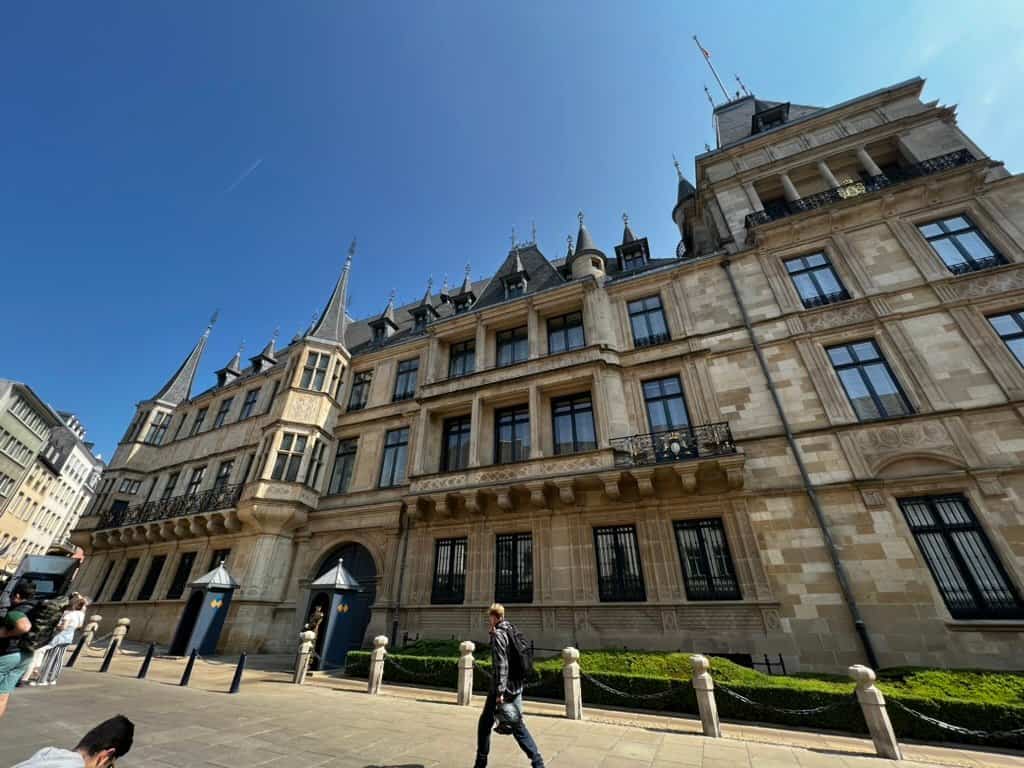
Grand Ducal Palace
