
Luxembourg on the map
24 places from this guide. Tap a pin to open the listing.
Luxembourg packs an outsized amount of scenery, history, and food into a country you can drive across in about an hour. This Luxembourg travel guide covers the fortified old town, the castle-dotted Ardennes to the north, the vineyard-lined Moselle valley to the east, and the practical details of getting around a place where the capital, the countryside, and the border with three other nations are never far apart. Luxembourg City itself sits on a plateau cut by two river gorges, which is why the views from the old ramparts feel more dramatic than you'd expect from a city of its size.
The country runs on three languages: Luxembourgish, French, and German, with English widely understood in the capital and in tourist areas. Expect a mix of medieval fortifications, EU institutions, and farmland within a single afternoon's drive.
Overview
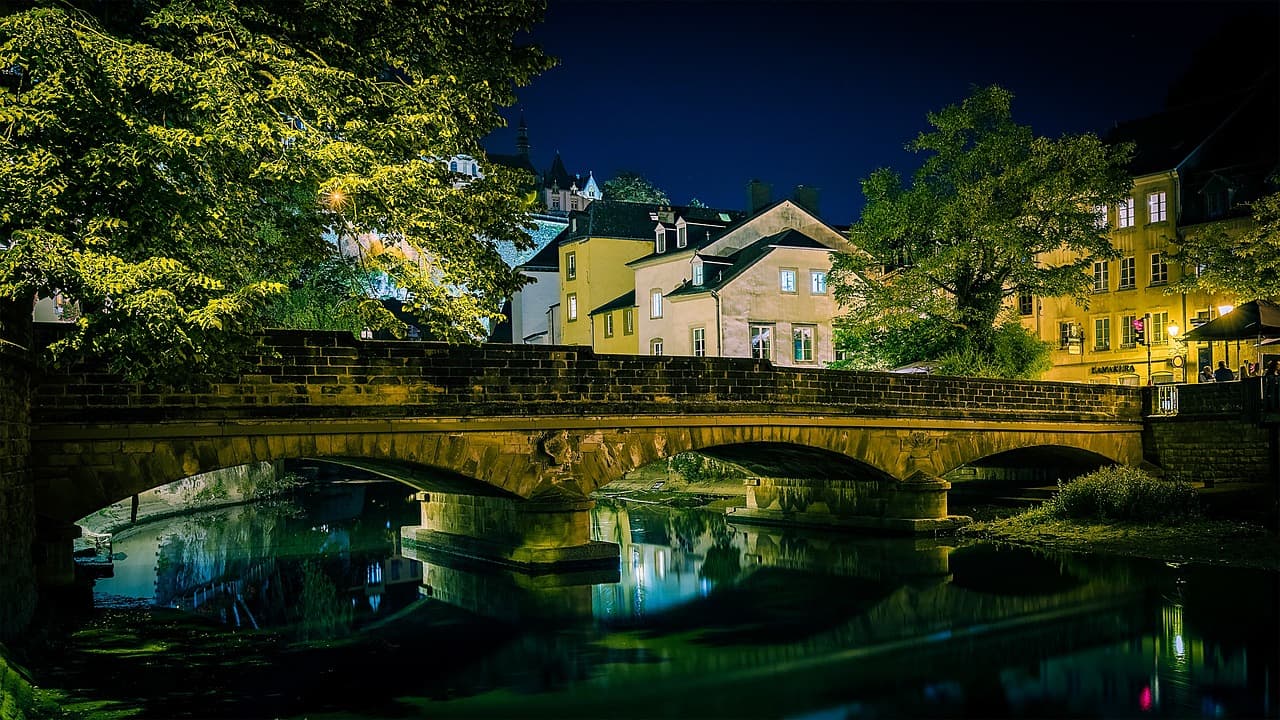
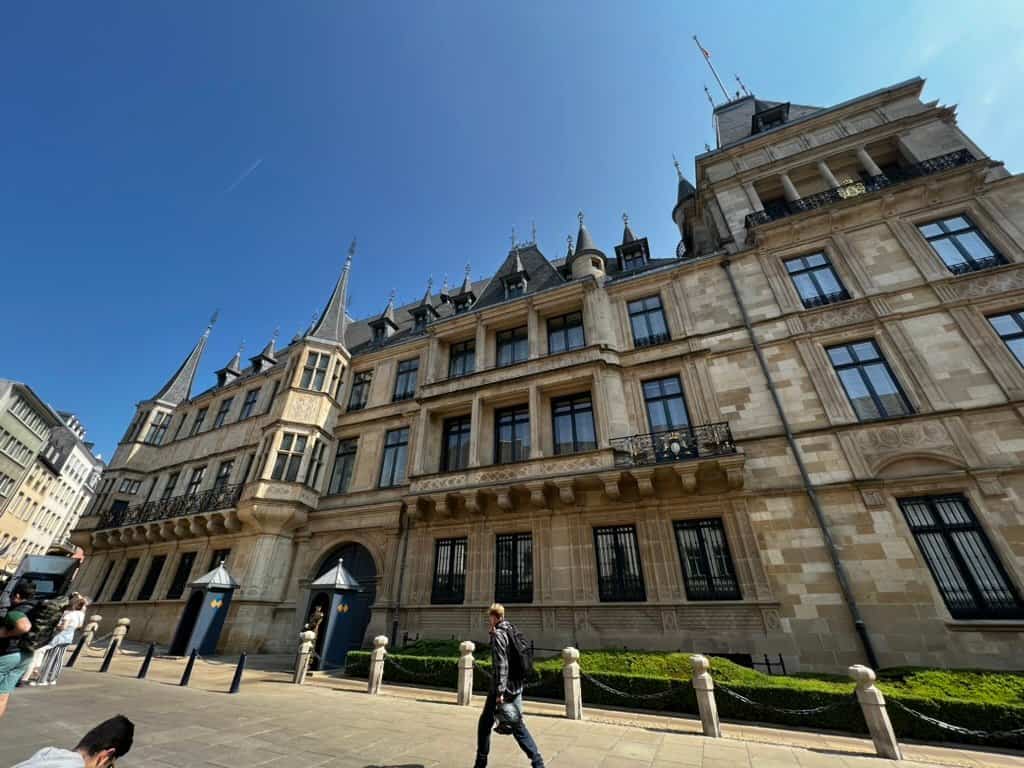
Luxembourg City's old quarter is a UNESCO World Heritage site, built around the Bock promontory where the Casemates du Bock tunnel through rock that dates back to the 1644 fortress. Above ground, the Cathedrale Notre-Dame and the Grand Ducal Palace anchor the Ville Haute, while Place d'Armes fills with café tables and, in December, a Christmas market. Below, the Grund neighborhood sits along the Alzette river, connected to the upper town by the Wenzel Circular Walk and by Le Chemin de la Corniche, a narrow path along the old ramparts sometimes called Europe's most beautiful balcony.
Outside the capital, the country splits roughly into three personalities: the Ardennes in the north, with castles like Vianden Castle and Bourscheid Castle perched on hilltops above river bends, the rolling wine country of the Moselle valley near the German border, and the sandstone gorges of the Mullerthal, nicknamed Little Switzerland, where marked trails cut between moss-covered rock formations. It's a small country, but it doesn't feel like one once you're on the ground.
When to Visit
Spring, roughly March through May, brings mild days in the 10 to 20°C range and the first wine tastings in the Moselle villages. It's a good season for hiking before the summer crowds arrive, particularly on the Mullerthal trails.
Summer (June to August) is the busiest stretch, with temperatures averaging 20 to 25°C and long evenings that make the most of outdoor concerts and open-air cinema in the capital. This is also the easiest season for exploring the castle circuit, since most sites keep their longest hours now.
Fall cools things down to 10 to 15°C and turns the Mullerthal and Ardennes forests into something worth photographing. It's also harvest season, which means Gromperekichelcher stalls at local festivals and fresh Moselle wine. Winter runs cold, 0 to 5°C, but the Christmas markets at Place d'Armes and William Square, plus the ice rinks that pop up in the squares, make December an appealing time to visit despite the short days. If you want to combine city sightseeing with skiing, the Ardennes forests near the Belgian border get enough snow most winters for cross-country routes.
Where to stay
Most visitors base themselves in Luxembourg City, and the choice of neighborhood changes the trip more than you'd think for such a small place.
- Ville Haute (old town): walking distance to Place d'Armes, the Cathedrale Notre-Dame, and the Grand Ducal Palace. This is the most convenient base for first-timers who want to see the fortifications and museums on foot.
- Grund: the lower town along the river, quieter at night except around its bars and restaurants, with direct access to the Chemin de la Corniche and good views back up at the old ramparts.
- Kirchberg: the modern EU quarter, home to the Mudam Luxembourg Modern Art Museum and a cluster of business hotels. Convenient if you're near the airport or attending conferences, less charming for a short leisure trip.
- Gare: the area around the central train station, useful for budget stays and easy onward travel by rail, though it's a 15 to 20 minute walk or short tram ride from the old town.
- Outside the capital: Vianden or Echternach make atmospheric overnight bases if you want to wake up next to a castle or the Abbey of Echternach rather than commute out from the city for a day.
How to reach the destination
Luxembourg Airport (LUX) is the main gateway, a small and uncomplicated airport where rental car counters sit right off the arrivals hall. Luxair, the national carrier, connects it to a decent spread of European cities, and the airport is roughly a 20 minute drive from the city center.
Charleroi Airport in Belgium, used heavily by Ryanair and other low-cost carriers, is about an hour's drive from Luxembourg City and worth checking if you're booking well ahead and comparing fares. Frankfurt Airport in Germany, around three hours away by car or train, is another option if you're combining the trip with Germany.
By rail, CFL (Chemins de Fer Luxembourgeois) links the country to the wider European network, with direct or easy-connection trains from Brussels, Paris, and several German cities. FlixBus and similar operators run cross-border coach routes into Luxembourg City as a cheaper, slower alternative.
Getting around the destination
Luxembourg made public transport free nationwide a few years ago, which covers trains, trams, and buses in second class across the entire country. That alone makes a car rental less essential than in most places, especially if you're sticking to the capital and taking day trips by train.
CFL trains reach most towns of any size, including Vianden's nearest station and Echternach's connections, and Mobiliteit runs the bus network that fills in the gaps between rail lines. Inside Luxembourg City, the old town and Grund are walkable, linked by the Wenzel Circular Walk, public elevators, and the Corniche path, so you rarely need a vehicle once you're downtown.
That said, a rental car still makes sense if you're chasing castles. Bourscheid Castle, Chateau Esch-sur-Sure, and some of the smaller Ardennes villages sit well off the rail network, and driving here is straightforward if you're used to right-hand traffic. Taxis.lu and the usual international rental chains, Europcar, Avis, and Hertz, all operate out of the airport and city center.
Top destination travel tips
- Public transport (bus, train, tram) is free throughout the country, second class, which makes day trips from the capital cheap to plan.
- Luxembourgish, French, and German are all official languages, and signage switches between them without warning. English works fine in restaurants and hotels in the city.
- Plugs are the European two-pin type (Type C/F), running on 230V, so UK and North American visitors need an adapter.
- Tipping isn't obligatory since service is included, but rounding up or leaving small change for good service is normal.
- Driving is on the right, and fuel prices tend to run a bit lower than in neighboring France and Germany, which brings in cross-border traffic at petrol stations near the borders.
- Luxembourg City's center is compact enough to cover on foot in a day, but wear shoes you don't mind getting dusty on the Casemates du Bock's uneven tunnel floors.
- If you're visiting in winter, book castle visits like Vianden Castle in advance where possible, since some rooms or towers reduce hours in the colder months.
Typical costs in the destination
Luxembourg runs on the euro, and it sits toward the expensive end of the European scale, closer to Switzerland than to its French or German neighbors. Accommodation in Luxembourg City tends toward mid-range and upscale, with fewer budget options than you'd find in a similarly sized German or Belgian city.
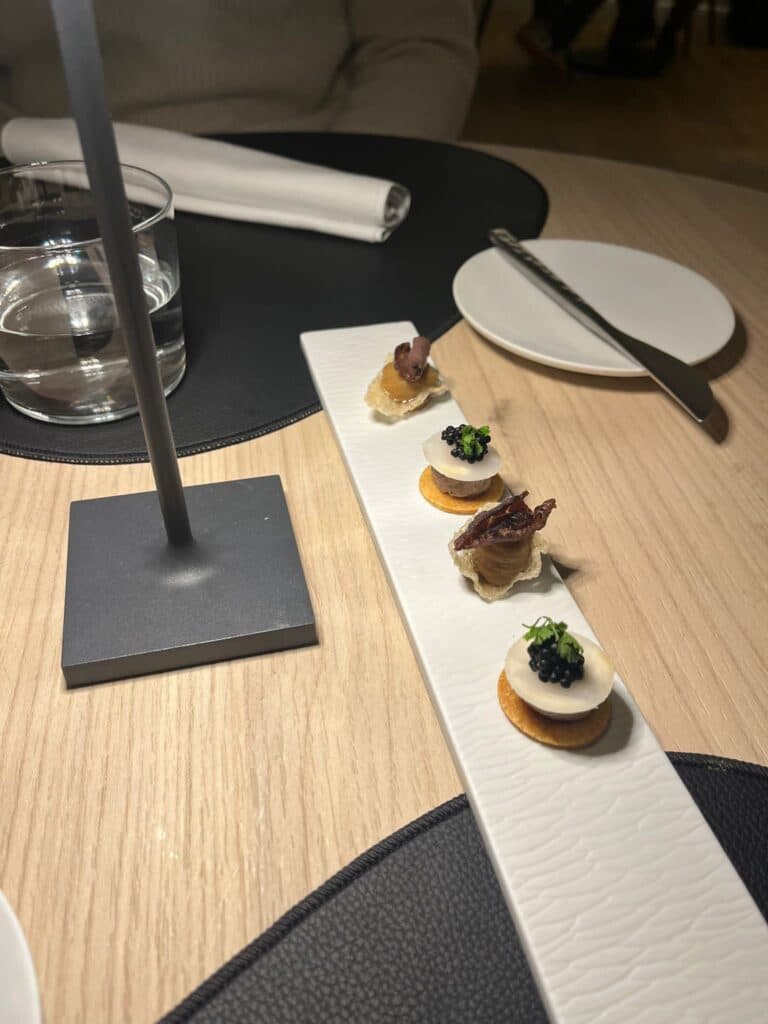
Casual meals, a sandwich or a plate at a brasserie, land in the mid-range tier, while a sit-down dinner at somewhere like Restaurant Clairefontaine, known for refined French-Luxembourgish cooking in the city center, pushes into fine dining territory. Museum entry is generally affordable, and several, including the National Museum of Natural History and the Nationalmusee um Feschmaart, offer free or reduced days worth checking before you go. Since public transport is free, transport costs mostly disappear from the budget entirely, which helps offset the higher price of food and lodging.
Must try food and drinks
- Judd mat Gaardebounen: smoked pork collar served with broad beans, widely considered the national dish.
- Gromperekichelcher: fried potato pancakes, often sold at street stalls and harvest festivals in the fall.
- Bouneschlupp: a green bean and potato soup, usually served as a starter in traditional restaurants.
- Quetschentaart: a plum tart that shows up on menus heavily in late summer and early fall, when the fruit is in season.
- Moselle valley wines and Crémant de Luxembourg, the country's sparkling wine, both worth tasting at a vineyard or wine bar near the German border.
- Treipen, a local blood sausage traditionally eaten around All Saints' Day, paired with mashed potatoes and applesauce.
- Local beers like Bofferding and Diekirch, brewed in the country and found on tap in most bars.
FAQ
How many days do you need in Luxembourg?
Two full days cover Luxembourg City's highlights, including the Casemates du Bock, Grund, and the Cathedrale Notre-Dame, while a third or fourth day lets you reach Vianden Castle, the Mullerthal trails, or Echternach without rushing. A week gives you a relaxed loop through the Ardennes and Moselle valley too.
Is Luxembourg expensive?
Yes, by most European standards. Lodging and restaurant prices run higher than in neighboring Belgium or Germany, though free nationwide public transport offsets some of the cost and makes day trips cheap to execute.
Is English widely spoken?
In Luxembourg City and tourist areas, yes, alongside the country's three official languages, Luxembourgish, French, and German. In smaller villages you may encounter more French or German than English, but you'll manage fine with basic phrases.
Do you need a car in Luxembourg?
Not for the capital, since public transport is free and the old town is walkable. A car helps for reaching castles like Bourscheid Castle or Chateau Esch-sur-Sure that sit off the main rail lines, though trains and buses cover most other destinations.
Is Luxembourg City walkable?
Very much so. The old town, Grund, and the connecting paths like the Wenzel Circular Walk and Le Chemin de la Corniche are built for walking, with public elevators handling the steeper climbs between the upper and lower town.
What's the best time to see the castles?
Late spring through early fall gives you the longest opening hours and the best weather for exploring hilltop sites like Vianden Castle. Confirm specific hours before visiting in winter, since some castle sections reduce access in the colder months.
Is Luxembourg safe for travelers?
Generally yes, it's one of the calmer countries to visit in Europe. Normal precautions apply, like watching your belongings in crowded areas such as Place d'Armes during markets and avoiding poorly lit streets late at night, but violent crime against tourists is rare.
Top Places to Visit in Luxembourg
View all See & Do
Casemates du Bock
 See & Do
Le Chemin de la Corniche
 See & Do
Grand Ducal Palace
 See & Do
 See & Do
 See & DoBudget · $
Castle Of Walferdange
 See & Do
 See & Do
National Museum of Natural History
Top Places to Eat in Luxembourg
View all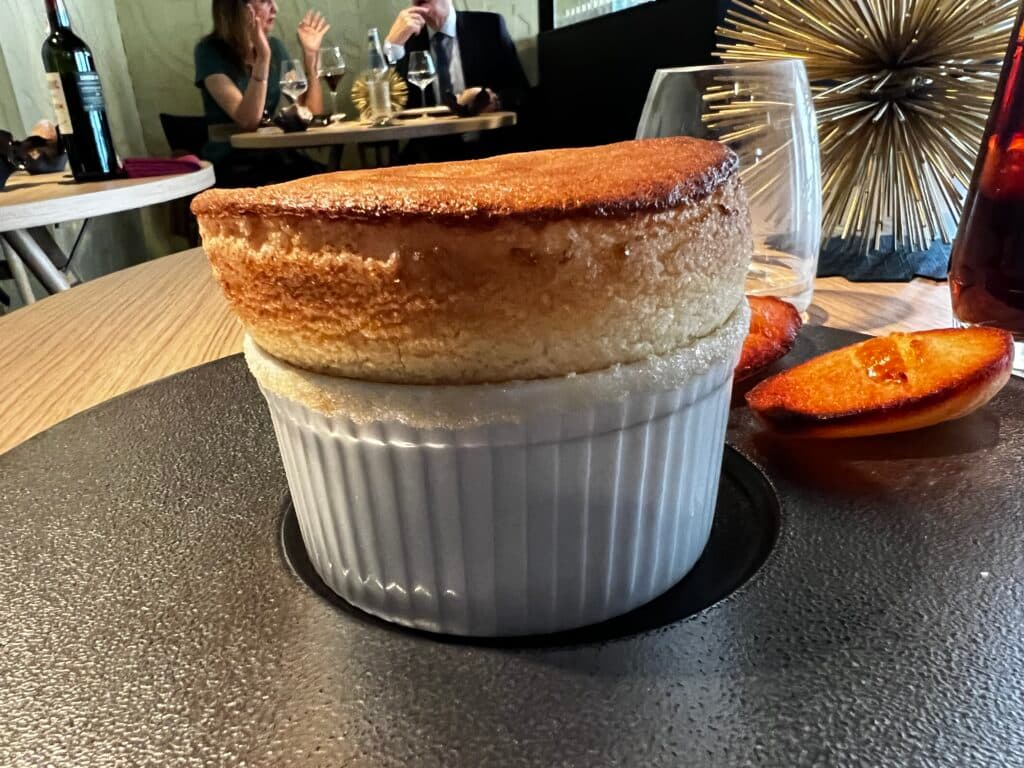 Eat & DrinkExpensive · $$$
Restaurant Clairefontaine
 Eat & DrinkExpensive · $$$