
Hector Pieterson Museum and Memorial
8287 Khumalo St, Soweto, Johannesburg South Africa Posted by bazartravelsAdmin
Hector Pieterson Museum and Memorial
The Hector Pieterson Museum and Memorial sits in the heart of Soweto, a township southwest of Johannesburg. It documents one of the most pivotal moments in South African history: the student uprising of June 16, 1976. On that day, thousands of schoolchildren protested against the forced use of Afrikaans in township schools. Police opened fire. Hector Pieterson, a 12-year-old student, became the first confirmed death of what would become known as the Soweto Uprising. His image, carried by an older student and a nurse, became an iconic photograph that helped galvanize the anti-apartheid movement worldwide.
This museum is not a celebratory space. It's a place of quiet reflection and historical reckoning. Walking through it means confronting the reality of state violence against children and the courage of ordinary young people who risked everything for change.
Why This Place Matters
The Soweto Uprising marked a turning point in South African resistance to apartheid. Before June 16, 1976, the struggle had been led largely by older activists and established organizations. The uprising showed that children and teenagers were willing to challenge the regime directly, and it energized international opposition to apartheid. The date itself became a symbol: June 16 is now observed as Youth Day in South Africa.
Hector Pieterson was not a famous activist or a political figure. He was a schoolboy. His death, and the deaths of dozens of others that day, made clear that the violence of apartheid extended to the youngest members of society. The museum ensures that his name, and the names of those who died alongside him, are not forgotten.
Quick Facts
- Location: 8287 Khumalo Street, Soweto, Johannesburg
- The uprising occurred on June 16, 1976
- Hector Pieterson was 12 years old at the time of his death
- The museum opened in 2002
- General admission tickets are available at a modest cost
- Guided tours are offered and highly recommended
- The site includes both an indoor museum and an outdoor memorial
Getting There
Soweto lies roughly 15 kilometers southwest of central Johannesburg. If you're staying in the city center or northern suburbs, the drive takes 30 to 45 minutes depending on traffic. Most visitors hire a car or book a guided tour that includes transport. Ride-sharing services operate in Johannesburg and can take you to the museum, though it's wise to arrange pickup in advance rather than relying on hailing a car in the township itself.
If you're driving, the museum is clearly signposted from the main roads through Soweto. Parking is available on-site. The neighborhood around Khumalo Street is safe for visitors, especially during daylight hours and when you're expected. Many tour operators include the Hector Pieterson Museum as part of broader Soweto tours that also cover the Mandela House, the Soweto Uprising Museum, and local restaurants and shebeens.
The Layout and Experience
The museum building is modern and modest. You enter into a ground-floor exhibition space that traces the events of June 16, 1976, and the broader context of apartheid-era education and resistance. The exhibits include photographs, documents, personal testimonies, and videos. The pacing allows you to move through at your own speed, though most visitors spend 45 minutes to an hour inside.
The second floor holds additional displays and often features rotating exhibitions related to youth activism and South African history. Large windows overlook the street and the memorial outside.
Beyond the building sits the outdoor memorial. It's a quiet, solemn space. At its center is a statue and a wall engraved with the names of those who died on June 16, 1976, and in the days of unrest that followed. Many visitors spend time here reading the names and sitting with the weight of what happened.
Main Highlights
The iconic photograph of Hector Pieterson is displayed prominently. Taken by photographer Sam Nzima, it shows the mortally wounded boy being carried by an older student, with a woman running alongside. This image circulated worldwide and became central to how the world understood apartheid's violence.
Personal artifacts and clothing belonging to young people who participated in or died during the uprising are on display. Letters, school uniforms, and everyday objects humanize the historical narrative in a way that statistics cannot.
Video testimonies from survivors and relatives of those who died provide direct voices. Hearing people describe what they experienced, what they lost, and what the uprising meant to them creates an emotional connection that reading alone cannot achieve.
The museum also contextualizes the uprising within the broader anti-apartheid struggle. Exhibits explain the Bantu Education Act of 1953, which had severely limited educational opportunities for Black South Africans, and the specific trigger for the uprising: the government's decree that Afrikaans be used as a medium of instruction in township schools.
History and Background
On June 16, 1976, approximately 15,000 students marched through Soweto to protest against the forced use of Afrikaans in schools. The march was largely peaceful, but police confronted the students. What followed was chaotic and tragic. Gunfire erupted. Students threw rocks. Fires were set. By the end of that day, at least 23 people were dead, though the actual number may have been higher. Hector Pieterson was among the first to be killed.
The uprising did not end on June 16. Unrest continued for weeks. Students boycotted schools. Protests spread to other townships. The government responded with arrests, detention, and further violence. Over the course of several months, hundreds died.
The Soweto Uprising became a watershed moment in the struggle against apartheid. It demonstrated that resistance was not confined to political leaders and established organizations. Young people, many of them still in school, had shown a willingness to confront the state directly. This energized the movement both within South Africa and internationally.
The museum itself opened in 2002, more than a decade after the end of apartheid. Its creation reflected a national reckoning with the past and a commitment to ensuring that the sacrifices of those who died would be remembered and that future generations would understand what happened.
Tickets and Entry
General admission tickets are available at the museum entrance. The cost is modest and typically covers access to both the indoor exhibitions and the outdoor memorial. Group discounts may be available if you're visiting with a larger party.
Guided tours are offered and are strongly recommended, especially if you want deeper context about the events of 1976 and their historical significance. A knowledgeable guide can answer questions, point out details you might miss on your own, and share personal or family connections to the uprising. Tours tend to last 90 minutes to two hours.
The museum is open most days of the week. Hours can vary seasonally, so it's worth checking ahead or asking your hotel or tour operator about current opening times.
Best Time to Visit
There is no "best" time in the sense of avoiding crowds or poor weather. Soweto is warm and humid most of the year. The months of June and July are slightly cooler and drier, though temperatures remain mild. If you want to visit on June 16, Youth Day, you may find larger crowds and special events, which can be meaningful but also more crowded than usual.
Visit during daylight hours. The museum itself is indoors and lit, but the outdoor memorial and the surrounding neighborhood are best experienced and photographed in natural light. Most visitors come in the morning or early afternoon.
Photography Tips
Interior photography policies vary. Check with staff when you arrive about what is permitted inside the museum. The outdoor memorial is photograph-friendly, and the light tends to be good in the morning and late afternoon. The memorial wall with the names of the deceased is a powerful subject, as is the statue at the center of the space.
Approach photography of this site with respect. People often visit to honor the memory of loved ones who died during the uprising. Be mindful and unobtrusive.
Facilities and Preparation
The museum has basic facilities including restrooms and a small café or refreshment area. Bring water, especially if you're visiting during warmer months. Comfortable walking shoes are advisable, as you'll move through the museum and spend time in the outdoor memorial space.
If you're visiting as part of a self-guided trip, give yourself at least two to three hours at the site to move through the exhibitions unhurried and sit with the memorial. If you're taking a guided tour, plan for three to four hours including transport and any additional stops in the surrounding area.
How It Compares to Similar Places
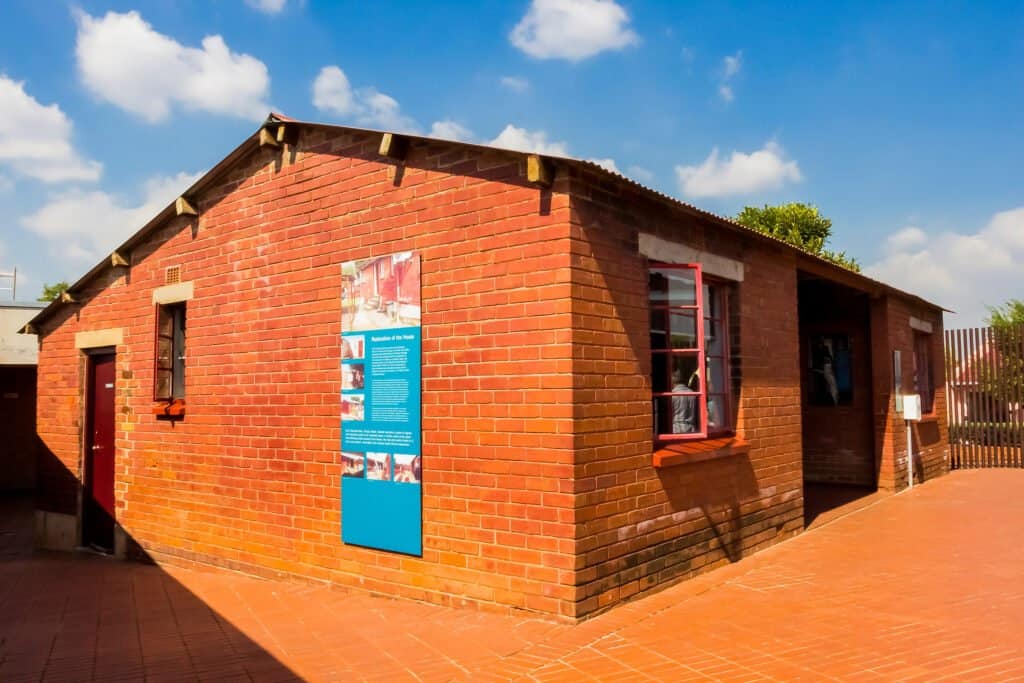
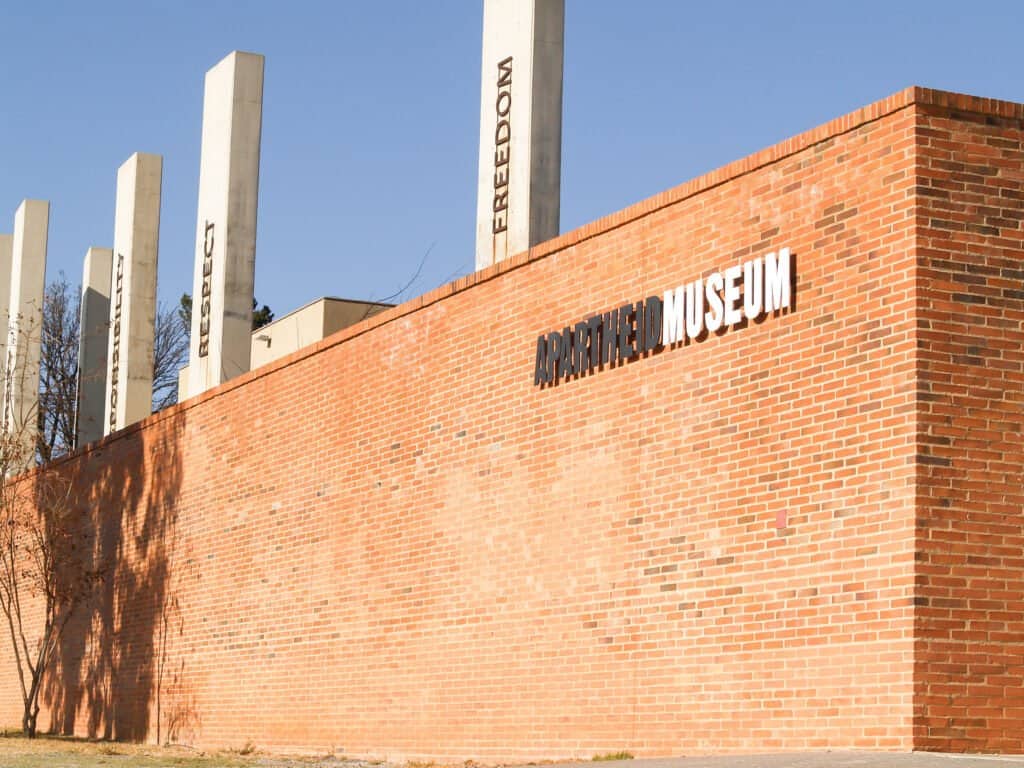
South Africa has several significant anti-apartheid and liberation history sites. The Apartheid Museum in Johannesburg proper is larger and covers a broader historical sweep. The Hector Pieterson Museum is more focused and intimate, centered on a single pivotal event and the lives of those affected by it. The Mandela House in Soweto, also on Khumalo Street and within walking distance, offers a different angle on the anti-apartheid struggle through the lens of Nelson Mandela's personal life and family.
What distinguishes the Hector Pieterson site is its specificity. It is not trying to tell the entire story of apartheid or the entire liberation struggle. It is asking you to remember one day, one boy, and the thousands of young people who risked and lost everything on June 16, 1976.
Combining with Nearby Attractions
Both the Mandela House and the Soweto Uprising Museum are on or very near Khumalo Street. Many visitors combine all three into a half-day or full-day Soweto tour. The Mandela House, where Nelson Mandela lived during much of his time in Soweto, is a small but deeply personal museum. The Soweto Uprising Museum, which opened more recently, focuses on the broader context and consequences of the 1976 uprising.
Local restaurants and shebeens (informal taverns) are scattered throughout the neighborhood. A guided tour operator can recommend authentic spots for lunch or refreshment. Some tours include time for a meal or drinks as part of the broader Soweto experience.
Sample Visit Plan
If you're visiting Soweto for the first time and want to center your day around the Hector Pieterson Museum, here's a typical itinerary:
- Arrive at the museum mid-morning
- Take a guided tour of the museum and memorial (approximately two hours)
- Walk to the Mandela House or Soweto Uprising Museum (both are close by)
- Have lunch at a local restaurant
- Optionally visit additional Soweto landmarks or neighborhoods depending on your interests and time
- Return to central Johannesburg in the late afternoon
This plan assumes you're using a tour operator or have hired a car. If you're on a larger group tour, the itinerary will be set by the tour company, but the Hector Pieterson Museum is almost always included as a centerpiece.
Practical Tips
- Book a guided tour in advance if possible, rather than showing up without one. Guides add immeasurable depth to the experience.
- Bring cash if you plan to make small purchases or give tips to your guide.
- Respect the solemnity of the space. This is not a tourist attraction in the conventional sense but a memorial to real loss.
- If you're traveling solo, joining a group tour is a safe and enriching option.
- Ask your guide about the personal stories behind the exhibits. Many guides have family connections to the events of 1976.
- Allow extra time. The emotional weight of the museum often means visitors spend longer than they initially planned.
FAQ
How long should I spend at the museum? Most visitors spend one to two hours inside the museum itself, plus additional time at the outdoor memorial. If you take a guided tour, plan for two to three hours total at the site.
Is it safe to visit Soweto? Soweto is a large township with millions of residents. Guided tours to the major historical sites are safe and widely available. As with any unfamiliar area, it's advisable not to wander alone at night, but daytime visits to the museum and nearby attractions are routine and well-established.
Can I visit the Hector Pieterson Museum without a guide? Yes, general admission allows self-guided exploration. However, a guide provides context, personal perspective, and details that enhance understanding significantly. If you have limited time or want to move quickly, self-guided is fine. If you want to truly understand the history and its human dimensions, a guide is worth the investment.
What is the difference between the Hector Pieterson Museum and the Soweto Uprising Museum? The Hector Pieterson Museum is the older, more established site and focuses tightly on the events of June 16 and their immediate context. The Soweto Uprising Museum, which opened later, explores the broader causes and consequences of the uprising. Visiting both provides a fuller picture, though many visitors have time for only one.
Can I visit the Mandela House at the same time? Yes. The two are on the same street and within easy walking distance or a short drive. Most tour operators offer combined itineraries that include both.
Reviews
Sign in and mark this place visited to leave a review.
No reviews yet.
Free Trip Planner
Plan your South Africa trip with our free planner
Build a day-by-day itinerary with AI suggestions, hand-picked places, and friends. Free forever — no credit card.
Things to see near Hector Pieterson Museum and Memorial
Nelson Mandela House
Apartheid Museum

Victoria Yards

South African National Museum of Military History
Places to eat or drink near Hector Pieterson Museum and Memorial

Dosa Hut

The Marabi Club

Flames Restaurant at Four Seasons Hotel The Westcliff
