Hot Springs National Park
Arkansas, USAOverview
Hot Springs National Park sits in the Ouachita Mountains of central Arkansas, protecting a collection of naturally heated thermal springs that have drawn visitors for centuries. Unlike most national parks, this one occupies just 5,550 acres and is woven into the fabric of a small city rather than set apart as wilderness. The park centers on Bathhouse Row, a historic corridor of eight grand bathhouses built between 1892 and 1923 that form the core of what makes Hot Springs National Park distinctive among America's protected lands.
The springs themselves emerge from the ground at temperatures around 147 degrees Fahrenheit, flowing down from deep underground aquifers heated by the Earth's natural geothermal processes. The water cools as it travels and is captured, cooled further, and distributed to bathhouses and spas throughout the park and surrounding town. Visitors come to soak in thermal pools, tour historic architecture, hike mountain trails, and experience a uniquely American approach to wellness tourism that has evolved over more than a century.
Why this place matters
Hot Springs was designated as a protected reservation in 1832, making it one of the oldest federally protected sites in the United States, predating Yellowstone by 40 years. The park represents a rare instance where a national park exists within an active city, creating an unusual hybrid of preservation and commerce.
The bathhouses themselves are architectural landmarks. They range from ornate Victorian structures to Art Deco designs, each reflecting the aesthetic and engineering priorities of its era. Four of the eight bathhouses remain operational and accessible to the public, while others function as museums or have been repurposed. Walking Bathhouse Row is like moving through 130 years of American architectural history in a single block.
Quick facts
- Established as a reservation in 1832, became a national park in 1921
- Covers 5,550 acres in the Ouachita Mountains
- Eight bathhouses built between 1892 and 1923
- Thermal springs emerge at approximately 147 degrees Fahrenheit
- The park is entirely free to enter and explore
- Bathhouse entry fees vary; some offer guided tours
- Mountain Valley Water Company bottled water originates from springs in the area
Getting there
Hot Springs National Park sits in Hot Springs, Arkansas, approximately 55 miles southwest of Little Rock. If you're driving, take Interstate 30 west from Little Rock toward Texarkana. Exit toward Hot Springs and follow signs to Bathhouse Row, which is located along Central Avenue in downtown Hot Springs. The drive from Little Rock takes roughly 50 to 60 minutes depending on traffic.
If you arrive by air, you'll likely fly into Bill and Hillary Clinton National Airport (formerly Adams Field) in Little Rock, then rent a car for the drive. There is no commercial air service directly to Hot Springs. Public transportation is limited. A few regional bus services connect Hot Springs to Little Rock, but having a car gives you much better access to hiking trails and surrounding attractions.
Parking near Bathhouse Row can be tight during peak season, especially on weekends. Street parking exists but fills quickly. The park has a visitor center lot, and several paid parking structures are available in the immediate downtown area.
The layout and experience
Bathhouse Row runs along Central Avenue for about one mile. The eight bathhouses stand in a nearly continuous line, each with its own entrance, architectural style, and operational status. Walking the Row on foot takes 20 to 30 minutes if you move at a leisurely pace and stop to read plaques and examine facades.
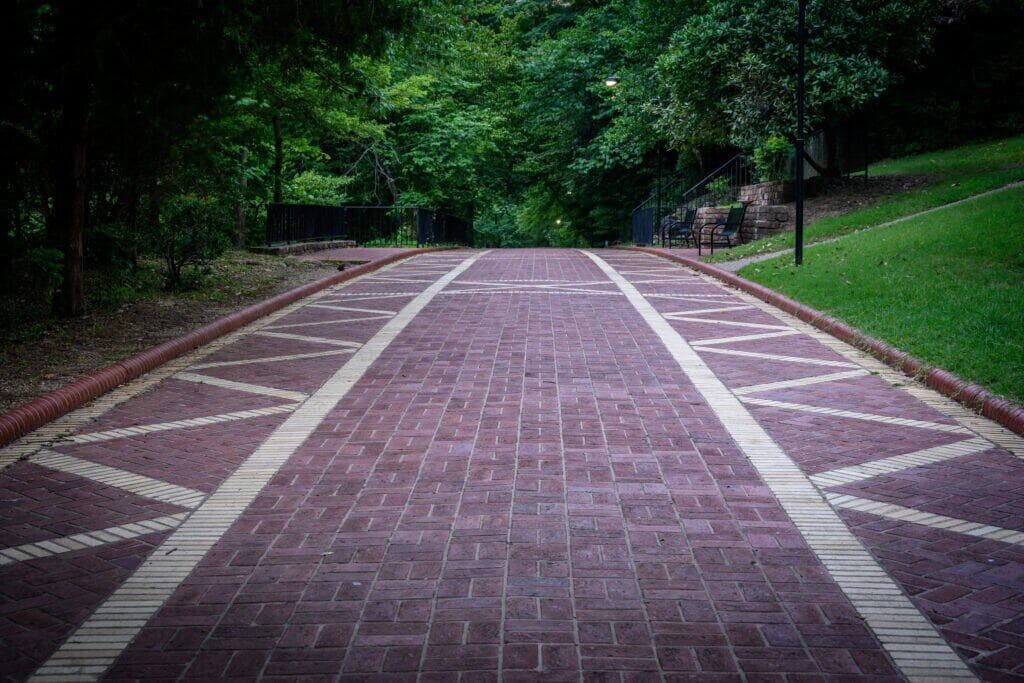
The park encompasses more than just the bathhouses. Hiking trails wind through the forested Ouachita Mountains above the town, offering views over the thermal valley and surrounding ridges. The most visited trail is the Grand Promenade, a 2.2-mile loop that climbs moderately and passes historic bathhouses from an elevated perspective. Other trails range from short 15-minute walks to more strenuous half-day hikes.
Hot Springs Mountain Tower sits at the top of a short scenic drive or a steeper hiking trail and offers panoramic views across the town and surrounding landscape. The tower itself is operated separately from the park but is a popular vantage point for photos and orientation.
Main highlights
The Bathhouse Row experience is the primary draw. Bathhouse of the Ozarks and Majestic Bathhouse remain fully operational, offering soaks and spa services to visitors. The thermal baths here are heated by the natural springs, and the experience of soaking in 110-degree water while surrounded by century-old tilework and architecture is the closest most visitors get to understanding why people have been coming here for generations.
The Buckstaff Bathhouse, built in 1912, is the oldest continuously operating bathhouse in America. It retains much of its original interior and offers a more authentic, less commercialized experience than some of its neighbors. A soak here feels less like a modern spa treatment and more like stepping into the 1920s.
The Fordyce Bathhouse, now a museum operated by the National Park Service, provides the most comprehensive look at bathhouse architecture and the history of Hot Springs wellness culture. You can tour its interiors, see the original bathing facilities, and view exhibits explaining the science and history of the thermal springs. Admission is free.
The Grand Promenade hiking trail offers the best combination of exercise and views. The 2.2-mile loop climbs 700 feet in elevation and passes several of the historic bathhouses from above, giving you a sense of how the buildings fit into the landscape. The trail is well-maintained and marked.
History and background
The Quapaw, Caddo, and other Native American tribes knew of the hot springs long before European contact. They used the warm water for bathing and believed it had healing properties.
In 1832, President Andrew Jackson signed an act to set aside the springs as a reservation, protecting them from private development. This action predated the creation of Yellowstone National Park by 40 years, making Hot Springs one of the earliest examples of federal land protection in the United States. However, unlike Yellowstone and other national parks, Hot Springs remained embedded within a developing town.
The bathhouse boom began in the 1890s. As railroad connections improved and the idea of thermal spring cures gained popularity across America and Europe, entrepreneurs built increasingly luxurious bathhouses to attract wealthy visitors. The Majestic, Bathhouse of the Ozarks, Superior, Quapaw, and others rose as monuments to Gilded Age optimism and the wealthy classes' faith in water cure therapies. By the 1920s, Hot Springs was a major American resort destination.
The springs' reputation rested on beliefs about their curative properties. Doctors prescribed soaking for arthritis, rheumatism, and various chronic conditions. Modern science has found limited evidence for miraculous cures, but the warmth and minerals do provide relief for some conditions, and the ritual of soaking in naturally heated water remains psychologically and physically appealing.
The park was officially redesignated as Hot Springs National Park in 1921. The town of Hot Springs grew around it, and today the park and the city are inseparable. This unusual arrangement means the park lacks the vast wilderness of other national parks but gains the cultural and commercial vitality of a functioning town.
Tickets and entry
Entry to Hot Springs National Park itself is completely free. You can walk Bathhouse Row, explore the visitor center, and hike the mountain trails without paying an entrance fee.
Individual bathhouses and spas charge their own fees for soaks, massages, and treatments. These vary by facility and service. Some bathhouses charge for a basic soak, while others offer package deals combining multiple treatments. The Fordyce Bathhouse museum is free to enter. If you plan to soak in multiple bathhouses, inquire about package discounts at the visitor center.
Guided tours of historic bathhouses are available through some facilities and can be arranged through the visitor center. These typically last 30 to 45 minutes and provide context about the building's history and the bathing practices of earlier eras.
Best time to visit
Spring (April to May) and fall (September to October) offer pleasant weather, moderate crowds, and comfortable temperatures for hiking. The mountain trails are especially scenic in fall when the Ouachita Mountains display autumn color.
Summer (June to August) is the busiest season. Temperatures climb into the 80s and 90s Fahrenheit, and the bathhouses become popular refuges from the heat. Crowds are largest on weekends. If you prefer solitude on the hiking trails, visit on a weekday or during the shoulder seasons.
Winter (November to March) is mild by northern standards but can be rainy. Trails are muddy and less traveled. Bathhouse visits are pleasant during cold weather, as soaking in warm water becomes more appealing. Winter weeks tend to be quieter than summer.
Photography tips
Bathhouse Row facades are best photographed in morning light, when the sun rakes across the ornamental details of the building fronts. Position yourself across Central Avenue for full-building shots. Each bathhouse has distinctive architectural elements worth isolating: the Majestic's turrets, the Superior's columns, the Quapaw's Art Deco details.
Interior bathhouse photography is restricted in some facilities, particularly those with active spa operations. Always ask permission before photographing inside. The Fordyce Bathhouse museum is more photography-friendly.
The Grand Promenade offers excellent views of the town and bathhouses in the distance, especially from the higher sections of the trail. Arrive early to catch morning light illuminating the valley.
Facilities and preparation
The visitor center, located at 369 Central Avenue, provides maps, information about bathhouses, trail conditions, and local history exhibits. Staff can answer questions about current bathhouse operations and help you plan your visit. The center is open most days; hours vary seasonally.
Bathhouse facilities differ significantly. Older bathhouses like the Buckstaff are more utilitarian and historic in feel. Modern spas on Bathhouse Row offer updated amenities and services. If you're planning to soak, bring a bathing suit and towel, or rent them on site. Some facilities provide basic amenities; others are more minimal. Call ahead to confirm what's provided.
Hiking trails are well-maintained but can be steep and muddy, especially after rain. Wear appropriate footwear. Bring water, particularly on longer trails in warm weather. The Grand Promenade is the most traveled and accessible trail; more remote trails see fewer visitors and can feel isolated.
How it compares to similar places
Unlike Yellowstone, Yosemite, or other major national parks, Hot Springs National Park is urban and compact. There's no wilderness camping, no vast backcountry, no grizzly bears. What you get instead is an accessible, walkable concentration of thermal features and architecture in a functioning small city.
If you're seeking the spa experience, Hot Springs offers authentic historic bathhouses alongside modern wellness facilities. Towns like Bath in England or Karlovy Vary in the Czech Republic have similar thermal spring heritage and grand bathhouse architecture, but Hot Springs has more direct accessibility and lower crowds.
The park's closest American analog might be the geothermal features of Yellowstone, but again, Hot Springs is fundamentally different in scale, setting, and experience. You're not driving past geysers across a vast landscape; you're walking a single city block lined with century-old buildings, then hiking into forested mountains above.
Combining with nearby attractions
Garvan Woodland Gardens, located about 20 minutes north of Hot Springs, is a 210-acre garden featuring themed plantings, walking paths, and seasonal flowers. It makes a pleasant half-day addition to a Hot Springs visit.
Lake Ouachita, about 20 minutes south, offers fishing, boating, and scenic water views. Several state parks along the lake provide hiking, camping, and picnic facilities.
The town of Hot Springs itself has restaurants, shops, and galleries worth exploring. The arts district downtown has galleries and studios. Local restaurants serve regional food and cater to the tourist trade.
Little Rock, 55 minutes northeast, offers the Clinton Presidential Library, the Arkansas State Capitol, and more urban dining and entertainment if you want to combine a national park visit with a city experience.
Sample visit plan
A half-day visit covers the basics. Start at the visitor center to get oriented and pick up trail maps. Walk Bathhouse Row on foot, stopping to examine the exteriors and reading plaques about each building's history. Tour the Fordyce Bathhouse museum. Grab lunch at a downtown restaurant. Hike a portion of the Grand Promenade trail if time allows, or take a shorter walk like the Hot Springs Mountain Trail to a viewpoint.
A full day allows you to walk Bathhouse Row in depth, tour multiple bathhouses, take a longer hike like the Grand Promenade loop, and soak in one or two thermal pools. You'll finish with a real sense of why people have been drawn to Hot Springs for generations.
A two-day visit lets you explore different hiking trails, visit bathhouses without rushing, and experience the town's dining and cultural offerings. You might hike to a viewpoint on day one, soak and explore bathhouses on day two, and leave feeling you've understood both the natural and human history of the place.
Practical tips
- The visitor center has accurate current information about bathhouse operations and closures. Call ahead if you want to soak; some bathhouses have seasonal hours or maintenance periods
- Parking on Bathhouse Row is limited. Arrive early or use a parking structure a few blocks away and walk
- If you're sensitive to heat, test the water temperature before committing to a full soak. Thermal pools are hot and remain so
- The thermal springs contain dissolved minerals. The water is safe but may feel different on skin and hair than chlorinated pools
- Hiking trails are forested and shaded, but sun exposure increases with elevation. Bring sunscreen and water
- Bathhouse Row is accessible to pedestrians with mobility challenges, though some older bathhouses have stairs and uneven floors
- The town gets crowded on weekends and during summer. Weekday visits are quieter
- Cell service is spotty in some areas of the park's hiking trails. Carry a map or download trail information beforehand
FAQ
Can I soak in the hot springs without visiting a bathhouse? The hot springs themselves are not directly accessible for soaking. The water emerges from the ground and flows through pipes to the bathhouses. You must visit a bathhouse to experience a thermal soak.
Are the bathhouses crowded? It depends on the season and day of the week. Summer weekends are busiest. Weekday visits in spring or fall are quieter. Call the bathhouse directly if you want to avoid crowds.
How long does a typical visit last? A quick walk of Bathhouse Row takes 30 minutes. A half-day visit with a soak and light hiking takes three to four hours. A full day allows you to explore thoroughly.
Is the park accessible for people with mobility challenges? Bathhouse Row itself is mostly flat and walkable. The visitor center and Fordyce Bathhouse are accessible. Most hiking trails have elevation gain and uneven terrain, making them challenging for those with mobility limitations.
Do I need a reservation to soak in a bathhouse? Most bathhouses accept walk-ins, but calling ahead is wise, especially on busy days or if you want a specific service. Some may require appointments during peak season.
Reviews
Sign in and mark this place visited to leave a review.
No reviews yet.
Free Trip Planner
Plan your Arkansas trip with our free planner
Build a day-by-day itinerary with AI suggestions, hand-picked places, and friends. Free forever — no credit card.