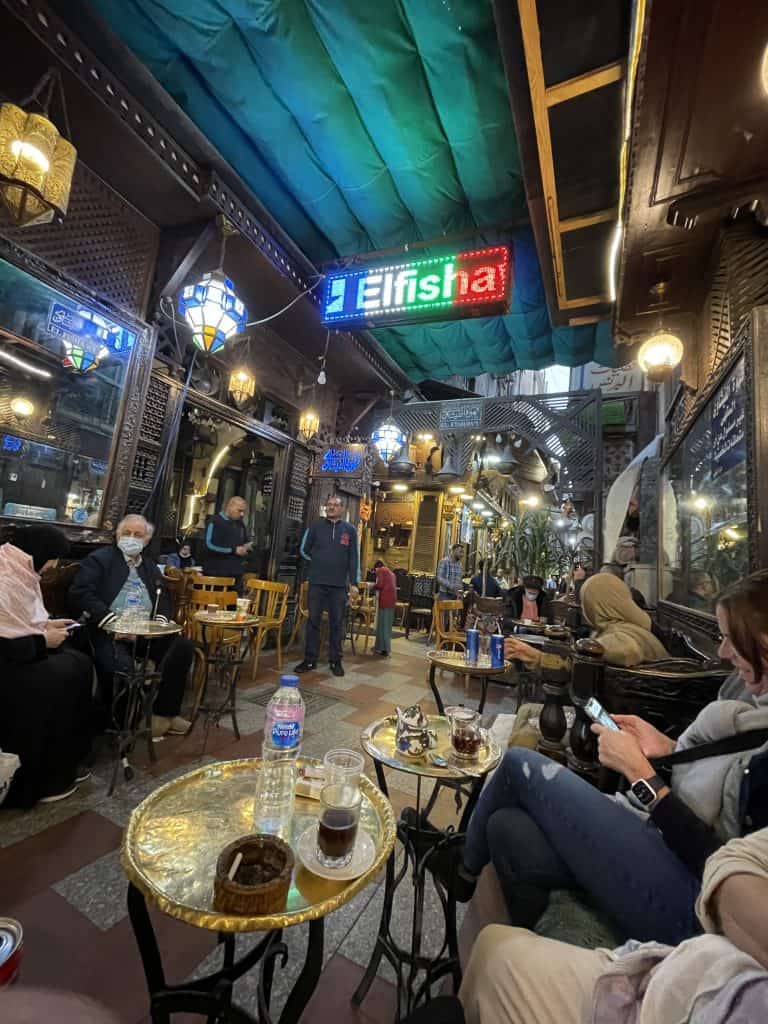
Islamic Cairo
Midan Silah ad-Din, Cairo 11511 Egypt Posted by Brandon B.Admin
Overview
Islamic Cairo stretches across the medieval heart of Egypt's capital, a sprawling neighborhood where narrow alleys wind between centuries-old mosques, madrasas, and bazaars. The district centers roughly around Midan Silah ad-Din and extends through some of the oldest urban fabric in the Islamic world, with structures dating back to the 10th century. Walking these streets means moving through layers of Fatimid, Mamluk, and Ottoman history, where the call to prayer still echoes from minarets and merchants sell spices and textiles much as they have for generations.
This is not a museum frozen in time. Islamic Cairo remains a living neighborhood where tens of thousands of residents share the space with visitors. The density can feel overwhelming at first, but that texture is precisely what makes it compelling. You're not observing history from behind ropes. You're moving through it.
Why this place matters
Islamic Cairo contains the highest concentration of medieval Islamic architecture anywhere on Earth. UNESCO recognized this in 1979, designating the entire district a World Heritage Site. The neighborhood preserves intact urban patterns, street layouts, and building techniques that vanished from most of the Islamic world centuries ago.
For anyone interested in Islamic art, urban history, or how cities were actually built and lived in before the modern period, Islamic Cairo is non-negotiable. It's also one of the few places where you can see the evolution of Islamic architectural styles side by side, from Fatimid simplicity through the ornate Mamluk period to Ottoman additions.
Quick facts
- The neighborhood dates back to the 10th century, with major construction during the Fatimid (10th-12th centuries) and Mamluk (13th-16th centuries) periods
- Over 600 registered monuments stand within the UNESCO-designated zone
- The district spans roughly 3 square kilometers in central Cairo
- Many mosques and madrasas charge modest entry fees, while the Khan el-Khalili bazaar is free to enter and browse
- Most sites are accessible year-round, though heat in summer (May to September) is intense
- Arabic is the primary language, though major sites often have some English signage
Getting there
Islamic Cairo is accessible by Metro, taxi, or on foot from downtown Cairo. The nearest Metro station is Al-Azhar, on Line 2, which deposits you close to the Khan el-Khalili bazaar and several major mosques. From there, you can walk into the heart of the neighborhood in minutes.
If you're coming from Tahrir Square or downtown, a taxi ride takes 10 to 20 minutes depending on traffic. Ride-sharing apps work here, though confirming the destination with your driver beforehand avoids confusion over the exact entry point, since the neighborhood has multiple access routes through different gates and alleyways.
Most visitors enter through the Khan el-Khalili side, near Al-Azhar Mosque, which makes logical sense since it's the most tourist-friendly anchor point. However, you can also enter from the north near Bab al-Futuh gate or from the south, depending on which monuments you prioritize.
The layout and experience
Islamic Cairo is not organized like a typical tourist district. There is no clear perimeter, no loop, no obvious sequence. Instead, the neighborhood is a maze of interconnected streets, dead ends, and sudden courtyards. This can feel frustrating if you expect signposting and order, but it's also what makes exploration rewarding.
The Khan el-Khalili bazaar occupies the northern portion and is by far the busiest section, packed with tour groups, vendors, and the energy of a functioning market. If you want quieter, more contemplative access to Islamic Cairo's architecture, head south or east into the residential quarters where you'll encounter far fewer tourists and more neighborhood life.
Street names are not always obvious or consistently marked. Locals navigate by landmarks (a specific mosque, a fountain, a shop) rather than by street address. This is disorienting at first. Bring a detailed map or download an offline map on your phone before you arrive. Even then, you'll likely get turned around. That's normal and part of the experience.
The rhythm of the neighborhood shifts throughout the day. Early morning, before 9am, is quieter. Midday heat clears the streets. Late afternoon and early evening bring out shopkeepers and residents. If you're sensitive to crowds, plan your visit for early morning or after 4pm.
Main highlights
Al-Azhar Mosque stands as one of the oldest universities in continuous operation and dominates the northern edge of the district. Founded in 970 CE, it's a working mosque and school, not a museum. You can enter the prayer hall and courtyards if you remove your shoes and dress modestly. The carved wood screens, marble columns, and tilework reward close attention.
The Khan el-Khalili bazaar is the sensory centerpiece. Even if you don't buy anything, wandering the covered alleyways lined with spice vendors, textile stalls, jewelry shops, and metalwork feels essential. The air smells of cumin, cardamom, and incense. The visual density is intentional and part of the experience. Plan to spend at least an hour here, moving slowly.
Al-Muizz Li-Din Allah Street runs north to south through the heart of medieval Cairo. Walking this street means passing dozens of monuments, from mosques to fountains to caravanserais. The street itself is a UNESCO site because of what lines it, not because of what it is. Many visitors find a slow walk down Al-Muizz more memorable than any single building.
The Mosque of Muhammad Ali (also called the Alabaster Mosque) sits just outside Islamic Cairo proper, on the Citadel, but it's often visited on the same trip. Its white limestone exterior and Ottoman dome are visible from many parts of the neighborhood and offer a different architectural vocabulary than the Mamluk monuments.
The Sultan Hassan Mosque and Madrasa, also on the Citadel, showcases Mamluk architecture at its most ambitious. The scale is overwhelming. The interior courtyard and the carved stone are worth the entry fee and the climb up the Citadel.
History and background
Cairo was founded as Al-Fustat by Arab armies in 641 CE, but Islamic Cairo as it exists today took shape during the Fatimid dynasty (909-1171 CE). The Fatimids made Cairo their capital and built it as a deliberately planned royal city. Many of the oldest structures, including Al-Azhar, date to this period.
The Mamluk sultanate (1250-1517 CE) transformed the neighborhood into what you see today. Mamluks were slave soldiers who rose to power and ruled Egypt for nearly three centuries. They were passionate patrons of architecture, and they rebuilt and expanded Cairo constantly. The ornate mosques, the intricate stone carving, the geometric tilework you see throughout Islamic Cairo largely reflects Mamluk taste and resources.
When the Ottoman Empire conquered Egypt in 1517, Cairo remained important but declined in relative status. The Ottomans added their own buildings and modified existing ones, but they didn't demolish the Mamluk heritage. This preservation, almost accidental, is why so much medieval architecture survives intact.
The 19th and 20th centuries brought Cairo's expansion eastward and westward. Islamic Cairo, suddenly old and crowded, fell into neglect. By the 1970s, many buildings were deteriorating rapidly. UNESCO's 1979 designation triggered restoration efforts that continue today, though funding remains inadequate for the scale of need.
Tickets and entry
Many of the major mosques and madrasas charge modest entry fees (typically in the budget tier), while others are free or donations-based. The Khan el-Khalili bazaar is entirely free to enter and browse, though you'll feel pressure to buy once you're inside.
Some sites require you to remove your shoes, which means carrying them or leaving them at the entrance. Dress modestly: cover your shoulders and knees. Women may be asked to cover their hair in certain mosque interiors, though policies vary. It's respectful to ask permission before photographing people or prayer spaces.
There is no single ticket that covers all of Islamic Cairo. You pay per site as you go. This means you can be flexible: spend longer at places that move you and skip others entirely. If you're visiting multiple sites, you might budget for 5 to 10 sites, which keeps costs reasonable.
Best time to visit
October through April offers the most comfortable weather. Temperatures are mild, humidity is lower, and the streets feel more pleasant for extended walking. November, December, and January tend to be peak tourist season.
May through September brings intense heat, often exceeding 35 degrees Celsius. The neighborhood is less crowded during these months, but the physical strain of walking narrow, shadeless alleys in such heat is real. If you do visit in summer, plan for early morning or late afternoon exploration and take breaks in cafes or mosques during midday.
Ramadan (dates shift each year) changes the rhythm of the neighborhood. Many restaurants and cafes are closed during daylight hours. Evenings become festive and crowded. For first-time visitors, non-Ramadan months are easier.
Photography tips
The narrow streets and dense architecture create dramatic shadows and contrast. The best light comes in early morning or late afternoon, when the sun is lower and shadows are longer. Midday light is harsh and flattens the intricate carved details you're trying to photograph.
Respect local customs before photographing people, prayer spaces, or inside private homes. Some locals object to being photographed without permission. In mosques during prayer times, photography may be prohibited or restricted. Ask first.
The Khan el-Khalili bazaar is visually dense and chaotic. Zooming in on details (a spice vendor's hands, the texture of woven cloth, a single lantern hanging in shadows) often yields stronger images than trying to capture the whole scene. Walk slowly and look for moments rather than trying to document everything at once.
Facilities and preparation
Islamic Cairo has limited modern facilities. There are some cafes and small restaurants scattered throughout, particularly around the Khan el-Khalili, but nothing resembling a tourist infrastructure. Water and snacks are available in shops, but don't count on finding them easily if you wander into quieter quarters.
Bring plenty of water, especially if visiting in warmer months. The streets are uneven, narrow, and crowded. Comfortable, sturdy walking shoes are essential. Avoid flip-flops or anything that requires you to carefully watch your feet constantly.
There are bathrooms in some mosques and cafes, but they may be basic. Bring tissues or hand sanitizer. Mobile phone coverage is generally reliable, which helps if you're using GPS or need to call a taxi to exit the neighborhood.
If you're prone to motion sickness or claustrophobia, the narrow, winding streets packed with people and vehicles (mostly motorcycles and handcarts) might feel overwhelming. Take breaks in quiet courtyards or mosques to decompress.
How it compares to similar places
Islamic Cairo is denser and less preserved than the medina of Marrakech or Fez, but it contains more intact medieval architecture than either. The streets are narrower, the crowds larger, and the sensory experience more intense. If you've visited other Islamic cities, Islamic Cairo will feel distinct in its Mamluk emphasis and its sheer architectural density.
Unlike Venice or Prague, which are now primarily tourist destinations, Islamic Cairo remains functionally a residential neighborhood. You'll see families living in centuries-old buildings, shops serving local residents, not visitors. This authenticity is compelling but also means less accommodation for tourism comfort.
Combining with nearby attractions
The Citadel, home to the Mosque of Muhammad Ali and the Sultan Hassan Mosque, sits just south of Islamic Cairo and is easily reached on the same day. The Egyptian Museum (or the newer Grand Egyptian Museum) are within reasonable distance via taxi.
The Garden of Al-Azhar, a modern park with views over Islamic Cairo, is adjacent to Al-Azhar Mosque and offers a pleasant place to sit and absorb what you've seen. It's a good place to pause between exploring the narrow streets and the bustle of the bazaar.
Sample visit plan
Start early, around 8am, by taking the Metro to Al-Azhar station. Head to Al-Azhar Mosque and spend 45 minutes inside, exploring the prayer hall and courtyards. The light is still soft, and crowds are minimal.
Walk south on Al-Muizz Li-Din Allah Street, stopping at mosques and monuments that appeal to you. Don't try to see everything. Pick 3 or 4 that seem interesting and linger. This walk takes 2 to 3 hours depending on how many sites you enter.
By late morning or early afternoon, head to the Khan el-Khalili for lunch and shopping. Spend an hour wandering the covered bazaar. The light inside is filtered and atmospheric.
If you still have energy, wander the quieter residential streets east or south of the bazaar, away from main tourist routes. These areas feel less crowded and reveal how the neighborhood actually functions.
By late afternoon, make your way out and head to the Citadel to see the Mosque of Muhammad Ali at sunset if time permits, or save it for another day.
Practical tips
- Bring small bills and coins. Many small shops and mosques don't accept cards
- Download offline maps before you arrive. Cell data is available but not always reliable in narrow alleys
- Wear modest clothing that covers your shoulders and knees. Loose, breathable fabrics work well for the heat
- Remove your shoes or carry them when entering mosques. Bring slip-ons for easier entry and exit
- Carry a scarf or shawl. Women may be asked to cover their hair in certain spaces, and you might also need it for sun protection
- Avoid visiting during midday heat. Early morning (7-10am) and late afternoon (4-7pm) are most comfortable
- Negotiate prices firmly in the Khan el-Khalili. First offers are typically inflated. Walking away often brings the price down
- Hire a local guide if you want deep historical context. Self-guided walking is rewarding, but a guide adds layers of understanding
FAQ
Is Islamic Cairo safe? Yes, for most visitors. The neighborhood is crowded and can feel intense, but violent crime against tourists is rare. Petty theft happens, so keep valuables secure and stay aware of your surroundings. Women traveling alone may experience persistent vendors and street attention, which is annoying but not dangerous. Move with confidence and don't make eye contact with aggressive touts.
How much time should I spend in Islamic Cairo? A half-day visit lets you see the Khan el-Khalili and one or two major mosques. A full day allows you to walk Al-Muizz Street, enter several sites, and explore quieter quarters. If you have two days, you can move slowly and really absorb the neighborhood without rushing.
Can I visit mosques if I'm not Muslim? Yes, most major mosques in Islamic Cairo welcome visitors outside of prayer times. Dress modestly, remove your shoes, and be respectful. Avoid visiting during the five daily prayer times. Women may be given a scarf to cover their hair at the entrance. Ask if you're unsure whether it's an appropriate time to visit.
What should I eat in Islamic Cairo? The Khan el-Khalili has cafes and small restaurants serving Egyptian street food. Koshari (a mix of rice, lentils, pasta, and sauce) is popular and inexpensive. Stuffed pastries, grilled meat, and fresh juice are available throughout. Eat where locals eat, not necessarily where signs are in English.
Is it worth hiring a guide? If you're interested in architectural history or want to navigate efficiently, yes. A guide can unlock details you'd miss on your own and can navigate you toward quieter sites away from the tourist main routes. If you prefer wandering and soaking in atmosphere without context, self-guided works fine.
Reviews
Sign in and mark this place visited to leave a review.
No reviews yet.
Free Trip Planner
Plan your Cairo trip with our free planner
Build a day-by-day itinerary with AI suggestions, hand-picked places, and friends. Free forever — no credit card.