Isshisoden Nakamura
136 Matsushitacho, Nakagyo-ku, Kyoto, 604-8093, Japan Posted by Brandon B.Admin
Isshisoden Nakamura: A Kyoto Kaiseki Experience Worth Seeking Out
Tucked along a quiet lane in Nakagyo-ku, Isshisoden Nakamura is one of those Kyoto restaurants that regulars tend to mention in lowered voices. The address, 136 Matsushitacho, puts you roughly in the middle of the city, within walking distance of Nishiki Market and the Karasuma corridor. It is not a flashy destination. It earns its reputation through the food alone.
Kyoto kaiseki has a long tradition of letting the season do most of the talking, and Isshisoden Nakamura works squarely within that tradition. What distinguishes it from the dozens of other kaiseki rooms in the city is a combination of technical precision and a certain restraint that feels genuinely old-school rather than performative.
What the Kitchen Is Known For
The cooking here is rooted in Kyoto kaiseki, which means the progression of courses follows a strict seasonal logic. The kitchen has built a reputation for working with local Kyoto vegetables, known as kyo-yasai, and for treating dashi, the foundational stock of Japanese cuisine, as something almost sacred. When you taste the soup courses here, the depth tends to surprise people who think they already understand Japanese broth.
The menu changes with the season, often reflecting ingredients that are at their absolute peak for only a matter of weeks. Autumn courses frequently feature matsutake mushroom preparations. Spring menus often highlight bamboo shoots and cherry blossom-themed presentations. Do not come expecting a fixed menu you read about online last month. That menu is almost certainly gone.
Rice is taken seriously here too. The rice course, served toward the end of the kaiseki progression, often features carefully sourced grains cooked in a traditional donabe clay pot. It sounds simple. It is not simple.
Atmosphere and Setting
The interior reflects the kind of quiet that takes effort to achieve. Low ceilings, natural wood surfaces, and tableware that has clearly been chosen over many years rather than bought in one catalog order. Seating arrangements tend toward private rooms or semi-private spaces, which is standard for this level of Kyoto dining. You are not eating in a crowd.
The building itself carries a sense of age without feeling like a museum. Nakagyo-ku has fewer of the tourist-facing streets than Gion or Higashiyama, which means the walk to the restaurant is calmer than you might expect for somewhere this central.
Service and Experience
Service at Isshisoden Nakamura follows the kaiseki pace, which is unhurried by design. Courses arrive with explanation, often in Japanese, though staff can generally communicate the essentials in English for guests who need it. The explanations matter here because many of the ingredients are hyper-local and unfamiliar even to experienced diners of Japanese cuisine.
Plan for the meal to take two hours at a minimum. Kaiseki is not a format that accommodates rushing, and this kitchen will not rush.
Reservations and Waits
Reservations are essential. This is not a place where walk-ins are realistic, and for weekend or holiday dates, booking well in advance is strongly advisable. The restaurant can be reached by phone, and some international visitors find it easier to book through their hotel concierge or a specialist Kyoto dining reservation service if there is a language barrier. Cancellations should be made as early as possible, as kaiseki restaurants prepare ingredients specifically for the number of guests confirmed.
Best Time to Visit
Any season has its argument. Kyoto kaiseki in spring, roughly late March through April, offers some of the most celebrated ingredient moments of the year. Autumn, from October into November, brings the mushroom and root vegetable courses that many regulars consider the kitchen at its most confident. Summer kaiseki leans into cooler preparations and river fish. Winter menus tend toward warming, richer courses built around root vegetables and preserved ingredients.
If you are visiting Kyoto during a major holiday period, the restaurant will likely be fully booked weeks ahead. Plan accordingly.
Neighborhood and Location Context
Nakagyo-ku sits in the geographic center of Kyoto. From Isshisoden Nakamura, Nishiki Market is roughly a 10-minute walk south. Kyoto Imperial Palace Park is about 15 minutes north on foot. The area has a working, lived-in quality compared to the more tourist-heavy districts, and that grounding in actual Kyoto daily life is part of what makes dining here feel different from eating in a restaurant that primarily exists for visitors.
The nearest subway access is on the Karasuma Line, making it straightforward to reach from most parts of the city.
Who This Is For
Isshisoden Nakamura suits diners who want a serious, unhurried kaiseki meal rather than a sampler experience. If you are in Kyoto for one significant dinner and want it to reflect the real logic of the city's culinary tradition, this is a strong candidate. It is less suited to guests who are unfamiliar with or uninterested in Japanese seasonal cuisine, or anyone who finds long, multi-course tasting menus difficult to enjoy. This is a meal for paying attention.
FAQ
- Is English spoken at Isshisoden Nakamura? Staff can generally manage basic English communication, but the depth of the course explanations is best experienced in Japanese. A hotel concierge can often help bridge the gap before and during booking.
- How far in advance should I book? For weekends and peak seasons like cherry blossom or autumn foliage periods, aim for at least several weeks ahead. Last-minute bookings are rarely possible.
- Is there a dress code? There is no published strict dress code, but the setting calls for smart casual at minimum. Kyoto kaiseki restaurants generally reward guests who dress with some intention.
- Can the kitchen accommodate dietary restrictions? Some accommodations may be possible, but kaiseki is built around specific seasonal ingredients and the progression of courses. Any restrictions should be communicated clearly at the time of reservation, not on arrival.
- How long does a meal typically last? Most kaiseki meals at this level run between two and three hours, depending on the number of courses and the pace of the evening.
Reviews
Sign in and mark this place visited to leave a review.
No reviews yet.
Free Trip Planner
Plan your Kyoto trip with our free planner
Build a day-by-day itinerary with AI suggestions, hand-picked places, and friends. Free forever — no credit card.
Related reading

Things to see near Isshisoden Nakamura

teamLab Nagai Botanical Garden Osaka

Horyu-ji

Yakushi-ji Temple

Dōtonbori
Places to eat or drink near Isshisoden Nakamura

The Münch

Rai Rai Tei Ikuno Tatsumi

KITAN HIBIKI YAKINIKU&STEAK
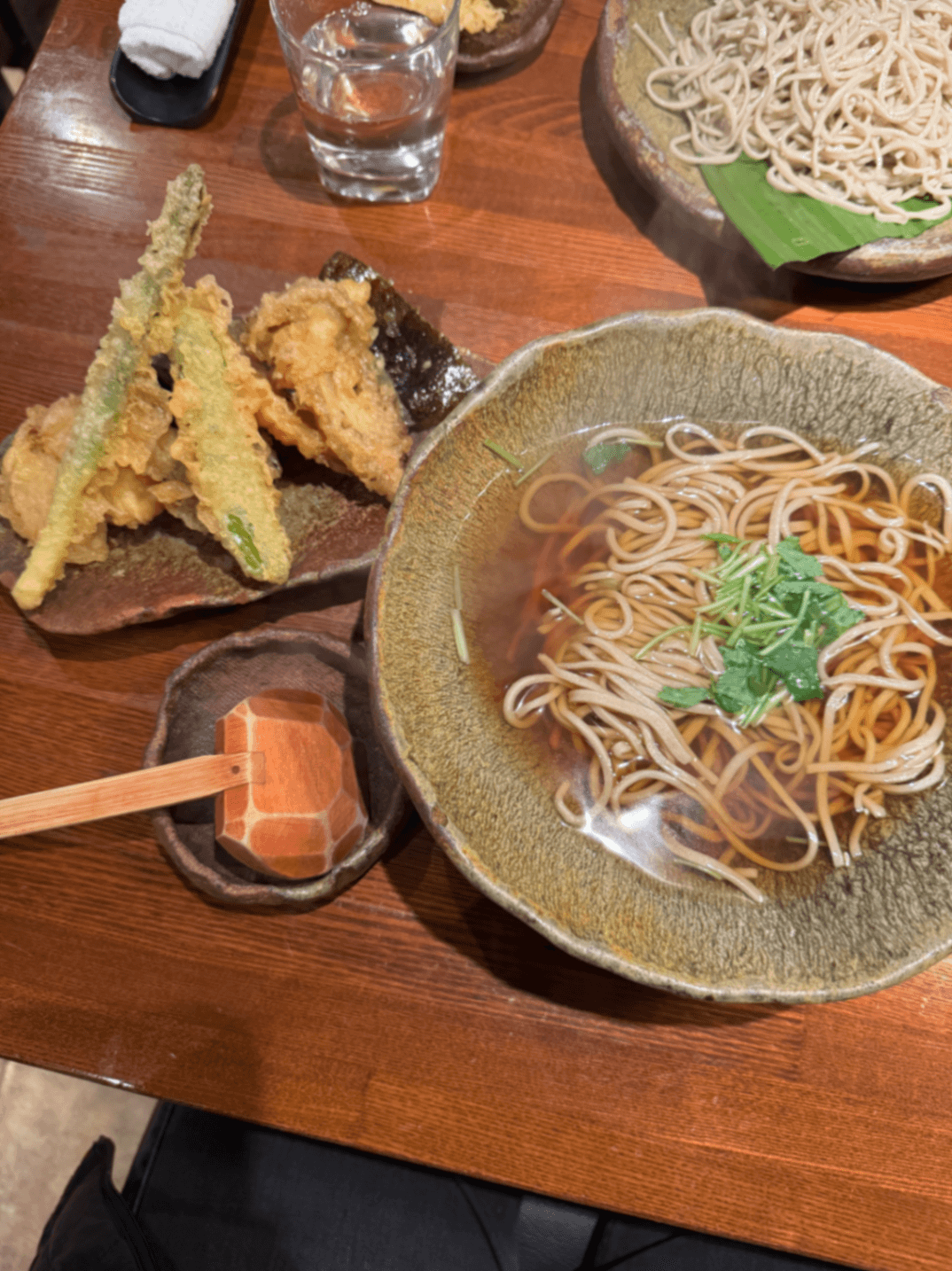
Akari Soba
More places in Kyoto

Rai Rai Tei Uzumasa

Menya Inoichi Hanare

Hōkan-ji