
Jardín de la Unión
Jdn. de la Unión, Zona Centro, 36000 Guanajuato, Gto., MexicoOverview
Jardín de la Unión sits at the heart of Guanajuato's historic center, a compact plaza where colonial architecture, street musicians, and cafe culture converge. The square feels smaller than you might expect from photographs, but that intimacy is part of its charm. It's the kind of place where you can spend an afternoon without a plan and still find yourself drawn into conversation with locals, or simply watching the light shift across the facades around you.
The plaza serves as the social and geographic hub of Guanajuato. Most visitors pass through here multiple times during their stay, whether arriving by bus, heading to nearby museums, or just seeking a spot to sit and absorb the atmosphere. Unlike many town squares designed on a grand scale, Jardín de la Unión rewards lingering rather than rushing.
Why this place matters
Guanajuato's history as a silver mining center created the wealth that built the colonial structures surrounding this square. The Jardín became the natural gathering point as the city developed, and it remains central to how locals and visitors experience the city. It's not a monument to visit, but rather the living room of Guanajuato.
The plaza has hosted everything from market days to political gatherings over the centuries. Today it functions as an open-air stage where the city's character reveals itself most clearly. Street musicians perform on most evenings, vendors sell snacks from small stalls, and the surrounding buildings house theaters, cafes, and shops that anchor the cultural life of the city.
Quick facts
- Located in Zona Centro, the downtown historic district of Guanajuato
- Surrounded by colonial-era buildings dating to the 17th and 18th centuries
- Home to the Teatro Juárez on the south side, completed in 1903
- Free to access and explore at any time
- Best visited in late afternoon or early evening when street performers are most active
- Accessible by walking from most hotels in the historic center
Getting there
If you arrive at Guanajuato's main bus station, the walk to Jardín de la Unión takes about 15 to 20 minutes downhill through the city's winding streets. The route is straightforward but steep in places. Taxis and local transport are available if you prefer not to walk with luggage.
Once in the historic center, the plaza is impossible to miss. Street signs point toward it, and the sound of music and voices draws you in. The easiest approach is from Calle Sopena on the north side, which opens directly onto the plaza. If you're coming from the direction of the Basilica Metropolitana, walk south down Avenida Juárez and you'll arrive at the square's eastern edge.
The layout and experience
The plaza is roughly rectangular, with four main sides defined by the buildings that frame it. The Teatro Juárez dominates the southern edge with its ornate neoclassical facade and green copper dome. On the north side, colonial arcades shelter cafes and restaurants where you can sit at outdoor tables and watch the square. The eastern and western sides are lined with more historic buildings that house shops, galleries, and small hotels.
At ground level, the plaza itself is a paved open space with a handful of benches and stone seating areas. During the day, the square has an unhurried quality. You'll see tourists consulting maps, couples sitting in the shade, and vendors selling ice cream and local sweets. As evening approaches, the energy shifts.
Around 6 or 7 in the evening, street musicians begin setting up. A guitar player might claim one corner, a small ensemble another. Their presence transforms the plaza into something more theatrical. The surrounding buildings, lit by the last light of day and then by street lamps, create an almost staged effect. This is when the plaza feels most like the heart of something vital.
Main highlights
The Teatro Juárez is the architectural anchor of the plaza. Its entrance faces the square directly, and even if you don't attend a performance, the building itself is worth studying. The facade features ornate stonework and a series of columns that give it a grandeur suited to a city built on mining wealth. The theater still hosts performances, so you might catch the schedule posted at the entrance.
The arcades on the north side provide the best vantage point for watching the square. Several cafes and restaurants operate here, offering coffee, drinks, and light meals. Sitting under the arches with a view of the entire plaza is a classic Guanajuato experience. The quality and pricing of these cafes varies, but the location is what you're paying for.
Street performance is itself a highlight. Musicians here tend to be skilled, and the acoustics of the plaza carry their sound around the square in interesting ways. You'll hear everything from traditional Mexican folk music to classical guitar to contemporary songs. Many musicians are happy to take requests or chat if you show interest in what they're playing.
The surrounding buildings reward close attention. Plaques mark historic sites, and the architecture itself tells stories about the city's different periods. The color palette of the facades ranges from ochre to deep pink to pale yellow, creating a visual richness that photographs capture better during golden hour.
History and background
Guanajuato rose to prominence in the 16th century after silver deposits were discovered in the surrounding hills. The city became one of the wealthiest in colonial Mexico, and the wealth generated by mining funded the construction of the churches, convents, and civic buildings that define its character today. The Jardín de la Unión emerged as the natural focal point of this colonial city.
The plaza took its current form gradually over centuries. The Teatro Juárez, completed in 1903, represented a later flourish of civic pride during Mexico's late 19th-century modernization. By that time, silver mining had declined, but the city's cultural institutions remained important. The theater was built at a moment when Guanajuato wanted to assert itself as a city of sophistication and art.
The name "Jardín de la Unión" references the idea of union, though the specific historical moment it commemorates is less universally known than the plaza itself. What matters is that the name has stuck, and the plaza has remained central to how Guanajuato understands itself as a community.
Best time to visit
Late afternoon through early evening is when the plaza reveals its character most fully. The light becomes warm and golden, the street musicians arrive, and the cafes fill with people. If you visit during the middle of the day, the plaza is pleasant but quieter, and the sun can be intense.
Seasonally, Guanajuato's climate is mild year-round, so weather is rarely a deterrent. The dry season runs from November through April, with lower humidity and clearer skies. The rainy season from May through October brings afternoon showers, but these are usually brief and don't prevent you from enjoying the plaza.
During major festivals, particularly the Festival Cervantino in October, the plaza becomes crowded with performers, vendors, and visitors from across Mexico and beyond. If you want the plaza in a more relaxed state, visit outside festival season. If you want the energy and spectacle of festival time, October is when to come.
Photography tips
Golden hour, roughly from 4 to 6 pm depending on the season, is when the plaza photographs best. The warm light hits the facades at an angle that reveals their texture and color. Position yourself on the north side under the arcades to capture the Teatro Juárez across the plaza with the best light and background.
For street musician shots, get low and close to capture them against the backdrop of the surrounding buildings. The contrast between the performer in the foreground and the colonial architecture behind creates strong compositional depth.
Wide shots from the corners of the plaza work well if you want to show the scale and the way the buildings frame the space. The Teatro Juárez dome is the most distinctive architectural element, so try to include it in wide shots taken from the north side of the plaza.
Evening shots after dark, when the plaza is lit by streetlights and the musicians are performing, have a different mood. The colors shift, and the scene becomes more theatrical. A higher ISO helps capture these shots without blur.
Facilities and preparation
Public restrooms are available in the cafes and restaurants around the plaza, though they're typically reserved for customers. The nearby Teatro Juárez may have restroom facilities if there's a performance, but this isn't guaranteed.
Seating is limited. The plaza has benches, but during busy times they fill quickly. If you plan to spend time here, arriving earlier in the afternoon increases your chances of finding a spot. Alternatively, the cafes on the north side offer table seating, though you're expected to order something.
The plaza is at elevation in a hilly city, so wear comfortable walking shoes. The surrounding streets are steep and cobblestone, and you'll likely be walking up and down multiple times during a visit to Guanajuato's center. Sun protection is a good idea, especially midday, though the surrounding buildings provide shade.
Combining with nearby attractions
The Basilica Metropolitana is a five-minute walk south down Avenida Juárez. This imposing pink church dominates its own plaza and is worth visiting for its scale and interior decoration.
The Museo del Pueblo de Guanajuato, housed in a 18th-century mansion, is just north of the Jardín. It displays art and objects related to Guanajuato's history and culture, and the building itself is beautiful.
The Teatro Juárez, which faces the plaza directly, sometimes allows visitors to enter and see the interior even without a performance ticket, depending on the day. It's worth asking at the entrance.
Several smaller museums and galleries surround the plaza and the immediate surrounding streets. You can easily spend a full day exploring the historic center by using the Jardín as your base and making excursions to nearby sites.
Sample visit plan
Arrive at the Jardín de la Unión around 4 pm. Spend 30 minutes exploring the plaza itself, studying the facades and taking photographs if you wish. Sit on a bench and observe the activity around you.
Around 4:30 pm, settle at one of the cafes on the north side. Order a coffee or drink and watch the plaza from the arcades. The light will be warm and golden. Stay until 6 pm.
As evening approaches and musicians begin arriving, move back into the plaza or stay where you are, depending on your preference. If you're interested in the street performances, position yourself where you can see and hear clearly.
By 7 or 8 pm, if you're hungry, move to a restaurant either on the plaza itself or in the immediate surrounding streets. Many restaurants offer views of the plaza or are within a minute's walk. This is a good time to eat and absorb the evening energy.
Practical tips
- Bring cash for cafes and street vendors. Not all accept cards, and ATMs in the area can have lines.
- The plaza is safe during the day and evening, but avoid arriving late at night when it empties out.
- If you want to photograph street musicians, it's polite to tip or buy their music if they're selling recordings.
- The cafes on the north side tend to be more expensive than options elsewhere in the city, but you're paying for the location and view.
- Speak with locals sitting nearby. They often have recommendations for nearby restaurants or sites and enjoy chatting with visitors.
- Visit multiple times during your stay. The plaza reveals different moods at different times of day and on different days.
FAQ
Is there an entrance fee for the plaza? No. Jardín de la Unión is free to access and explore at any time.
Can I eat or drink in the plaza itself? Yes, but only at the cafes and restaurants that operate around it. You cannot bring outside food and drink to the benches.
What language do the street musicians speak? Spanish is the primary language, though many have basic English and are accustomed to interacting with tourists. Music is a universal language, so communication happens easily.
Is the plaza accessible for people with mobility issues? The plaza itself is paved and fairly level, but the surrounding streets of Guanajuato are steep and cobblestone. The plaza is accessible, but reaching it from some directions may be challenging.
When is the best time to see street performers? Most evenings from 6 pm onward, particularly from Thursday through Sunday. Weekday evenings are quieter, but musicians still perform on most days.
Reviews
Sign in and mark this place visited to leave a review.
No reviews yet.
Free Trip Planner
Plan your Guanajuato trip with our free planner
Build a day-by-day itinerary with AI suggestions, hand-picked places, and friends. Free forever — no credit card.
Things to see near Jardín de la Unión

Monumento Al Pipila

Jardín de la Unión
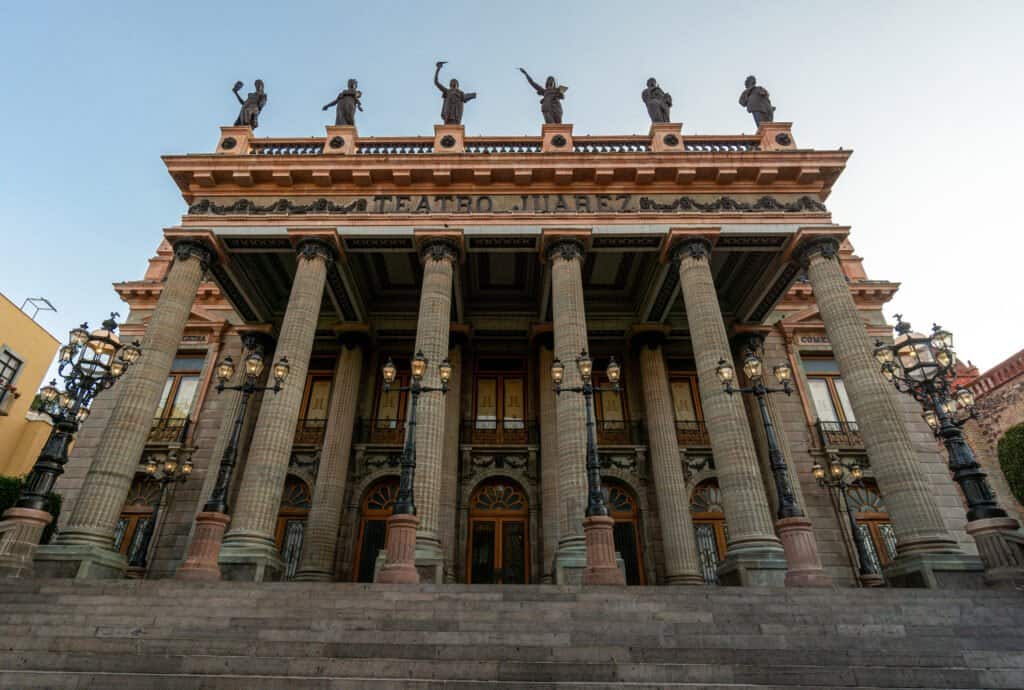
Teatro Juarez

The Alley Of The Kiss
More places in Guanajuato

Museo de las Momias de Guanajuato

Parroquia de San Miguel Arcángel

Museo Regional de Guanajuato Alhondiga de Granaditas
