
Joint Security Area (JSA)
South Korea, 경기도 개성 진서면 어룡리Overview
The Joint Security Area, or JSA, sits at the border between North and South Korea in the Korean Demilitarized Zone, roughly 50 kilometers north of Seoul. It is the only place on the peninsula where soldiers from both countries stand face to face, separated by a concrete line that marks the Military Demarcation Line. Most visitors experience the JSA through a guided tour from the South Korean side, walking into one of the world's most heavily fortified and politically charged locations.
This is not a typical tourist attraction. The JSA carries the weight of division, Cold War history, and ongoing geopolitical tension. You're standing in a place where small incidents have occasionally turned dangerous, where every movement is monitored, and where the armed forces of two nations maintain a precarious standoff. That reality shapes the experience entirely.
Why this place matters
The JSA represents a living remnant of the Korean War, which ended in 1953 with an armistice rather than a peace treaty. For over 70 years, the Korean peninsula has remained divided. The JSA is where that division is most visible and most literal. It's one of the last Cold War flashpoints on earth.
For many visitors, especially those with Korean heritage or interest in 20th century history, standing at the JSA means standing at the threshold of a nation still technically at war with itself. The blue buildings on the South Korean side, the soldiers in the truce village of Panmunjom, the neutral zone where North and South technically meet, all combine to create a place that feels suspended in time.
Quick facts
- Location: Inside the Korean Demilitarized Zone, approximately 50 kilometers north of Seoul
- Established: 1953, following the Korean War armistice
- Access: Only via authorized guided tour; independent entry is not permitted
- Tour duration: Typically 4 to 5 hours from Seoul, including transportation and site time
- Operating days: Most days, though schedules vary by season and political circumstances
- Photography: Permitted in designated areas only; restrictions vary depending on where you stand
- Dress code: Strict; no ripped clothing, no visible military attire, modest dress required
Getting there
You cannot visit the JSA on your own. Access is controlled entirely through licensed tour operators authorized by the South Korean military. The most common route starts in Seoul, where you book a tour through one of several established companies. Tours typically depart early in the morning and return in the afternoon.
From Seoul, the drive north to the DMZ entrance takes about 90 minutes. You'll pass through increasingly restricted zones, with military checkpoints becoming more frequent as you approach the border. Your guide will handle all documentation and permissions. You'll need to present your passport at multiple checkpoints.
Once you reach Panmunjom on the South Korean side, you'll be escorted into the Joint Security Area itself on foot. The distance from the visitor center to the actual Military Demarcation Line is short, perhaps a 10-minute walk, but the psychological distance feels much greater.
The layout and experience
The JSA consists of a small neutral zone roughly 800 meters across, with the Military Demarcation Line running through its center. On the South Korean side, you'll see the blue-roofed conference buildings, soldier statues, and heavily armed South Korean military personnel. On the North Korean side, the architecture is starker, more austere.
Most tours follow a similar path. You start at the South Korean visitor center, receive a security briefing and strict rules about conduct, then move into the secure zone. You'll enter one of the blue buildings, where you can stand in rooms that straddle the Military Demarcation Line. In some rooms, the line runs down the middle of the floor. You can literally step across the border and back within seconds.
The soldiers guarding the South Korean side stand in a distinctive martial arts stance, legs spread wide, facing north. They maintain absolute stillness and do not engage with tourists. North Korean soldiers are visible in the distance, equally motionless. The atmosphere is tense and formal. Voices are muted. Everyone moves deliberately.
You'll walk past the "Bridge of No Return," named for the Korean War prisoners who crossed it after the armistice, never to return home. You'll see the North Korean flag, the demarcation stones, and the neutral zone where both sides technically have equal presence, though that presence is heavily militarized on both sides.
Main highlights
The blue conference buildings are the most iconic structures. These are where high-level talks between North and South have occasionally occurred. Standing inside one of these buildings, with the Military Demarcation Line visible on the floor, drives home the reality of the division in a way no photograph can.
The soldier statues on the South Korean side are haunting. They're positioned to look north, vigilant and still. Photographs of these statues have become iconic images of the DMZ itself.
The view across the Military Demarcation Line to the North Korean side offers a stark contrast. The buildings are utilitarian. The landscape is visible but feels distant, almost inaccessible, even though it's just meters away. This visual juxtaposition is perhaps the most powerful part of the experience.
The Bridge of No Return carries enormous historical weight. During the Korean War prisoner exchanges, people walked across this bridge knowing they would never see their homeland again. It remains one of the most emotionally charged locations within the JSA.
History and background
The Korean War began in 1950 when North Korea invaded the South. The conflict lasted three years and killed millions of civilians and soldiers. In 1953, an armistice was signed, creating a cease-fire rather than a peace treaty. That armistice remains in effect today. No formal peace agreement has ever been signed.
The DMZ was established as a buffer zone, roughly 4 kilometers wide, running across the entire peninsula. The JSA exists within the DMZ as a small neutral zone where both sides maintain a military presence. It was created as a place where talks could occur, where prisoner exchanges could happen, where the two sides could maintain some minimal contact.
Over the decades, the JSA has been the site of occasional incidents. In 1976, two American soldiers were killed by North Korean guards in what became known as the Axe Murder Incident. The JSA has also hosted various diplomatic talks, though these have become less frequent in recent years. The area remains a symbol of Cold War division and the ongoing tension on the peninsula.
Tickets and entry
There are no individual tickets for the JSA. You must book through an authorized tour operator. Tours typically offer different price tiers depending on the level of access and the type of guide provided. Standard tours include transportation from Seoul, the security briefing, escorted access to the JSA, and a guide who explains the history and current situation.
Some tour operators offer different routes or additional stops within the DMZ, such as the Third Tunnel or the Dora Observatory. These variations affect the overall cost and duration. You'll need a valid passport and should book at least one day in advance, though some operators require longer notice.
Entry is subject to South Korean military approval. In rare cases, tours are cancelled due to political events or military exercises. Weather occasionally affects scheduling as well. Once you've booked and paid, you receive confirmation details and a specific departure time and location in Seoul.
Best time to visit
Tours operate year-round, but conditions vary by season. Summer brings heat and occasional rain. Winter can be cold and icy, particularly in the early morning when tours typically depart. Spring and autumn offer more moderate temperatures and clearer visibility for photography.
Politically, there are no truly "safe" times. The geopolitical situation can shift unpredictably. Tours are occasionally cancelled or rerouted based on military circumstances or diplomatic events. This is one of the few tourist destinations where politics directly affects your ability to visit.
Weekends tend to be busier. If you prefer smaller groups, weekday tours are often less crowded. Tour availability can also depend on whether the South Korean military is conducting exercises in the area.
Photography tips
Photography is permitted in designated areas, but rules are strict. You cannot photograph soldiers, military equipment, or fortifications from certain angles. You cannot take photographs across the Military Demarcation Line into North Korean territory from some locations. Your guide will clarify what is and isn't permitted as you move through the JSA.
The light tends to be harsh during midday. Early morning light, when tours typically operate, can be softer but may require higher ISO if you're shooting in shade. The blue buildings photograph well, especially when contrasted against the gray North Korean structures in the distance.
The soldier statues are the most photogenic elements. Get close enough to capture detail in their expressions and uniforms, but respect the boundaries your guide establishes. Wide shots showing the Military Demarcation Line and the contrast between the two sides work well for conveying the atmosphere.
Facilities and preparation
The JSA itself has minimal facilities. There is a visitor center on the South Korean side with restrooms and basic amenities, but you should use facilities before entering the secure zone. Bring water, especially in summer. Comfortable walking shoes are essential, though you won't walk far.
The dress code is strictly enforced. No ripped or torn clothing. No camouflage patterns or military-style clothing. No visible tattoos if possible, though this rule is sometimes enforced inconsistently. Modest, neat clothing is expected. Some operators provide specific guidance on what to wear. If your clothing is deemed inappropriate, you may be denied entry.
The temperature inside the buildings can vary significantly from outside. Bring a light layer even in summer. The security briefing covers conduct rules in detail. Pay attention to these instructions. Violations can result in immediate expulsion and potential legal consequences.
Do not bring large bags or backpacks into the secure zone. Only small day bags are typically permitted. Leave valuables and unnecessary items at your hotel in Seoul.
Combining with nearby attractions
Many tour operators offer packages that combine the JSA with other DMZ attractions. The Third Tunnel is another significant site, a tunnel dug by North Korea that was discovered by the South. The Dora Observatory allows you to look north into North Korean territory from a safer vantage point. The Korean War Museum, located south of the DMZ, provides historical context.
Some tours include a stop at the Imjingak Park, which sits just south of the DMZ and offers views of North Korean territory across the Imjin River. This is a less restricted area where you can move around more freely.
If you're spending multiple days in the region, you could combine a JSA tour with visits to nearby cities like Paju or Pocheon, though these are not particularly notable destinations in themselves. Most visitors use Seoul as a base and take a day tour to the DMZ.
Sample visit plan
A typical JSA tour departs Seoul around 7 or 8 in the morning. You'll be picked up from a central location or your hotel. The drive north takes 90 minutes to 2 hours. You'll pass through several military checkpoints, where your guide handles documentation.
Once at the DMZ entrance, you'll receive a security briefing lasting 20 to 30 minutes. Then you'll move into the JSA on foot. You'll spend roughly one to two hours in the secure zone, visiting the blue buildings, walking near the Military Demarcation Line, and viewing the Bridge of No Return and other key sites.
After the JSA portion, some tours include additional stops at other DMZ locations or the visitor center museum. You'll return to Seoul by mid-afternoon, typically arriving back by 2 or 3 PM. The entire experience from pickup to return is usually 6 to 8 hours.
Practical tips
- Book your tour in advance through a reputable operator. Research reviews and confirm what's included.
- Arrive early on the day of your tour. Departure times are strict and delays can result in missed tours.
- Bring your passport in its original form. Photocopies are not accepted at military checkpoints.
- Wear comfortable, modest clothing that fits the dress code. Avoid anything that could be mistaken for military attire.
- Listen carefully to your guide's instructions and security briefing. Rules are non-negotiable.
- Bring water and snacks. There are limited facilities inside the JSA.
- Allow time for currency exchange or ATM withdrawals if you're visiting from outside South Korea.
- Be respectful and quiet while in the JSA. The atmosphere is formal and the situation is sensitive.
- Don't expect to see North Korean soldiers up close. They're visible but distant.
- Check tour cancellation policies before booking. Political events can occasionally cancel tours with short notice.
FAQ
Can I see North Korea from the JSA? Yes, you can see North Korean buildings, landscape, and occasionally soldiers from designated viewpoints in the JSA. However, distances and restrictions mean you won't see detailed views. The Dora Observatory, south of the JSA, offers clearer views of North Korean territory.
What happens if I cross the Military Demarcation Line? You will not be allowed to cross. Soldiers are present to prevent this, and attempting to cross would result in immediate arrest and serious legal consequences. The line is clearly marked and your guide will explain boundaries.
How long does a JSA tour take? The entire tour, including transportation from Seoul, typically takes 6 to 8 hours. Time spent in the JSA itself is usually 1 to 2 hours.
Are tours cancelled often? Tours operate most days, but cancellations do occur due to military exercises, bad weather, or political events. This is unpredictable. If your tour is cancelled, most operators offer rescheduling.
Can I visit the JSA independently? No. Access is completely controlled by the South Korean military and only authorized tour operators can bring visitors. You cannot enter the DMZ or JSA on your own.
Opening hours
Reviews
Sign in and mark this place visited to leave a review.
No reviews yet.
Free Trip Planner
Plan your 개성 trip with our free planner
Build a day-by-day itinerary with AI suggestions, hand-picked places, and friends. Free forever — no credit card.
Things to see near Joint Security Area (JSA)

COEX Starfield Library

Lotte World Tower & Seoul Sky

Bongeunsa Temple
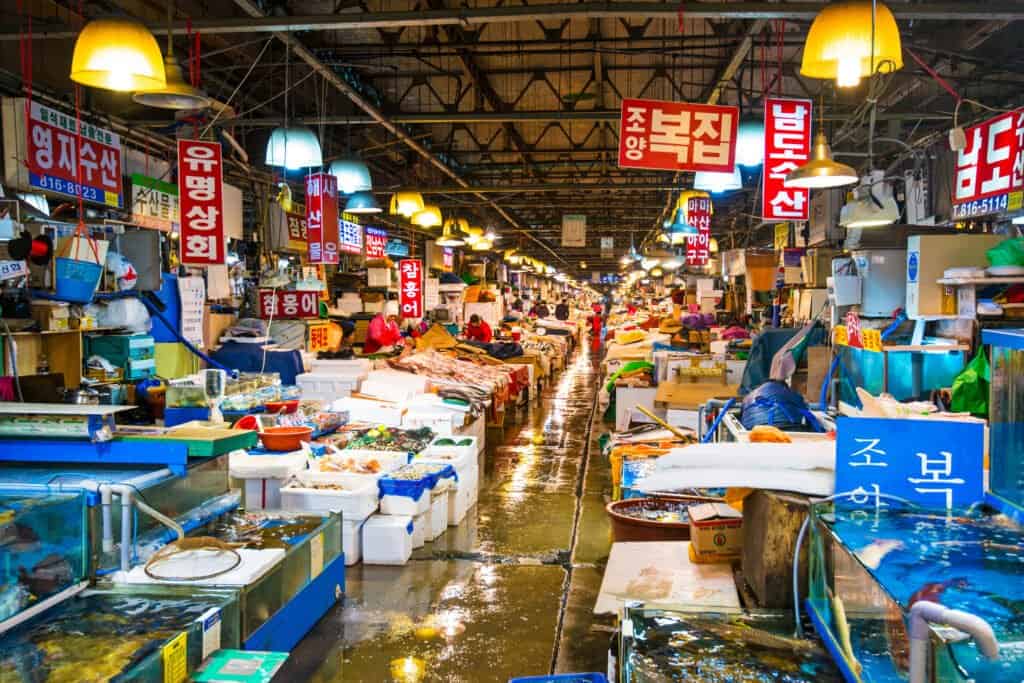
Noryangjin Fisheries Wholesale Market
Places to eat or drink near Joint Security Area (JSA)

Gebangsikdang

Gaon

Mingles
