
Overview
Jongmyo Shrine stands in central Seoul as one of the world's oldest continuously maintained royal ancestral temples. Built in 1395, this UNESCO World Heritage Site preserves the spirit tablets of 19 Joseon Dynasty kings and queens in a setting that feels removed from the modern city surrounding it. Walking through Jongmyo is stepping into a living piece of Korean royal history, where the architecture, rituals, and spatial design follow principles established over six centuries ago.
The shrine occupies roughly 24 hectares in the Jongno District, just north of the downtown core. It remains an active place of worship. Twice yearly, elaborate ceremonial rites called Jongmyo Jerye take place here, drawing participants in traditional court dress to honor the ancestors of Korea's longest-ruling dynasty.
Why this place matters
Jongmyo represents a rare continuity in East Asian royal practice. Most other Confucian ancestral temples either disappeared or were repurposed during political upheavals. This shrine survived Japanese colonial rule, war, and modernization because successive Korean governments recognized its cultural weight. In 1995, UNESCO designated it a World Heritage Site alongside the royal palaces nearby.
The shrine also showcases Joseon architectural principles applied to sacred space. The buildings emphasize restraint and symmetry over ornamentation. Wooden columns, tile roofs, and open courtyards create a serene atmosphere designed to facilitate communication with ancestral spirits.
Quick facts
- Founded: 1395, during the early Joseon Dynasty
- Location: Jongno District, roughly 15 minutes walk north from Gyeongbokgung Palace
- Size: Approximately 24 hectares
- Main structure: Jeongjeon (main hall), built to house 19 royal spirit tablets
- Entry: Guided tour only (tours run multiple times daily in Korean and English)
- Best visited: Spring and autumn when weather is mild
- Photography: Allowed in most areas, though some interior spaces restrict cameras
Getting there
The easiest entrance is from Jongno 3-ga Station on Seoul Metro Lines 1, 3, and 5. Exit at Gate 5 and walk northeast for about 10 minutes. You'll pass through residential streets and small shops before reaching the shrine's main gate. Alternatively, if you're visiting Gyeongbokgung or Changdeokgung palaces, Jongmyo lies roughly a 15-minute walk north.
By taxi, give the driver the address: 157 Jong-ro, Jongno-gu. The shrine has limited parking for visitors, though most people arrive via public transit.
The layout and experience
You cannot explore Jongmyo freely on your own. Visitors must join a guided tour, which is the deliberate design of the shrine's management. This protects the sacred spaces and ensures visitors understand the context of what they're seeing.
Tours typically begin at the visitor center near the main entrance, where you'll receive an explanation of the shrine's purpose and layout. From there, guides lead you through the outer grounds before entering the inner precinct. The path moves through gates, courtyards, and covered walkways that progressively narrow and become more formal. This pacing mirrors the Confucian principle of moving from the public toward the sacred.
The Jeongjeon, or main hall, is the shrine's centerpiece. This wooden structure houses the spirit tablets of the Joseon kings and their consorts. You view it from outside rather than entering, which preserves its sanctity. The building's simplicity is striking: dark wooden beams, a tile roof, and minimal decoration. Inside, each tablet rests on an altar, though you won't see the tablets themselves unless you attend one of the ceremonial rites.
The Yeongnyeongjeon, a secondary hall to the east, houses tablets of additional royal family members. The entire complex includes dozens of smaller buildings, gates, and courtyards, each with specific ritual functions.
Main highlights
The Jeongjeon is the most photographed structure and for good reason. Its proportions and setting create a powerful sense of calm. The surrounding courtyard is paved with stone in a pattern that reflects the hierarchy of worship spaces.
The shrine's layout itself is a highlight. Confucian temples follow a strict architectural language, and Jongmyo exemplifies this perfectly. Walking the grounds teaches you about Korean spatial thinking in ways that reading about it cannot.
If your timing coincides with Jongmyo Jerye, attending a ceremony transforms the experience entirely. These rites occur on the first Sunday in May and the first Sunday in December. Dozens of participants in Joseon court robes perform music, dances, and offerings in sequence that hasn't fundamentally changed in centuries. Watching it, you sense the continuity of a ritual tradition as a living thing rather than a museum artifact.
History and background
The Joseon Dynasty, which ruled Korea from 1392 to 1910, adopted Confucianism as its state ideology. Central to Confucian practice was ancestor veneration, particularly of rulers. King Taejo, the dynasty's founder, ordered Jongmyo's construction in 1395 to enshrine the spirits of his predecessors and himself after death. The shrine grew as the dynasty continued, with new tablets added whenever a king died.
During Japanese colonial rule from 1910 to 1945, Jongmyo was allowed to continue operating, though under strict oversight. The Japanese recognized its cultural importance and did not attempt to dismantle it, though they restricted the performance of ceremonies. After liberation in 1945, the shrine fell into disrepair for a period before restoration efforts began in the 1960s. The Jongmyo Jerye ceremony was revived in 1975 after a decades-long interruption.
The shrine survived the Korean War because it lay outside major combat zones, though Seoul itself was devastated. Post-war reconstruction prioritized the palaces and other royal sites, but Jongmyo's significance as a UNESCO site from 1995 onward increased investment in its preservation and public accessibility.
Tickets and entry
Jongmyo operates on a guided-tour-only basis. You cannot purchase a ticket and wander independently. Tours are offered multiple times daily, with sessions in Korean and English. The English tours typically have set departure times, so plan accordingly.
Entry fees are modest. Children, seniors, and military personnel typically receive discounts. Groups can arrange private tours if you contact the shrine in advance, though this requires coordination.
Tours last roughly 60 to 90 minutes depending on the guide and group size. Wear comfortable walking shoes, as you'll spend most of the time outdoors on stone pathways and courtyards.
Best time to visit
Spring (April through May) and autumn (September through October) offer the most pleasant weather. The shrine's grounds include mature trees, and their seasonal changes enhance the visual experience. Spring brings flowering shrubs, while autumn brings color.
Summer can be hot and humid, with afternoon temperatures rising above 30 degrees Celsius. Winter is cold and sometimes snowy, though the bare trees offer clearer views of the buildings' architecture.
If attending a ceremony is important to you, plan your trip around the first Sunday in May or December. These dates are fixed and well worth scheduling around if you're interested in witnessing living ritual practice.
Photography tips
The shrine's spaces are visually compelling, and your guide will point out the best vantage points. The Jeongjeon courtyard offers strong compositions, especially during late afternoon when light becomes warmer. The gates and covered walkways create natural framing opportunities.
Some interior spaces prohibit photography to protect the sanctity of the shrine. Your guide will clearly indicate where cameras are restricted. Respect these boundaries, as they reflect the site's active religious function.
If you visit during a ceremony, photography rules are stricter. Cameras are typically not permitted in the main ritual areas, though some ceremonies allow documentation from designated viewing areas.
Facilities and preparation
The visitor center near the entrance has restrooms and a small gift shop. There is no food service inside the shrine, so eat before arriving or plan to grab lunch in the surrounding neighborhood afterward. Convenience stores and restaurants are a short walk away.
The terrain is mostly flat, though some pathways are uneven stone. If you have mobility concerns, inform the shrine staff when booking your tour. They can suggest the most accessible routes or arrange alternative arrangements if needed.
Bring water, especially in warm months. The shrine offers little shade in some courtyards, and tours involve sustained walking. Sunscreen is wise in spring and summer.
Combining with nearby attractions
Jongmyo's location near Gyeongbokgung and Changdeokgung palaces makes it easy to combine visits. Most visitors spend a morning or afternoon at one of the palaces and then walk to Jongmyo for a late-afternoon tour. The three sites together offer a comprehensive view of Joseon royal architecture and practice.
The Bukchon Hanok Village, a neighborhood of preserved traditional Korean houses, lies just south of the shrine. After touring Jongmyo, you can spend time wandering Bukchon's narrow alleys and tea houses.
Insadong, a pedestrian street famous for galleries and craft shops, is roughly a 10-minute walk south. It's a natural place to browse or grab dinner after finishing at the shrine.
Sample visit plan
If you have a full day in central Seoul focused on royal sites, consider this itinerary. Start early at Gyeongbokgung Palace, which opens at 9 a.m. Spend two to three hours exploring the main halls and courtyards. Walk north to Jongmyo (15 minutes) and catch a mid-afternoon English tour around 2 or 3 p.m. After the tour, walk south to Bukchon and spend an hour exploring its narrow lanes and small museums. Have dinner in Insadong or return to central Jongno for a wider choice of restaurants.
If you have only a few hours, prioritize Jongmyo and one palace. The shrine rewards time and attention, so rushing through diminishes the experience. A single guided tour plus browsing the grounds afterward is a minimum worthwhile visit.
Practical tips
- Book your tour time in advance during peak seasons (May, September, October) to ensure availability
- Arrive 15 minutes early to confirm your tour and understand any special instructions
- Wear layers, as temperatures inside the shrine grounds can feel cooler than surrounding streets
- If you speak Korean, consider joining a Korean-language tour for potentially deeper explanation of ritual and history
- The shrine is closed on Mondays, so plan your visit for Tuesday through Sunday
- Silence is expected in many areas, though guides speak normally during tours
- If you're returning to visit during a ceremony, check the shrine's official calendar in advance
FAQ
Can I attend a ceremony as a visitor? Yes. The Jongmyo Jerye ceremonies on the first Sunday in May and December are open to the public. Seating is limited, and arriving early is essential. Check the shrine's official website for specific details and any registration requirements.
How long does a typical tour last? Most tours run 60 to 90 minutes. The pace is leisurely, with frequent stops for explanation and photography. Exact duration depends on group size and the guide's approach.
Is the shrine accessible for people with limited mobility? Most of the tour involves outdoor walking on stone pathways. Some areas are steep or uneven. Contact the shrine directly to discuss your needs and explore possible accommodations.
Can I visit Jongmyo without a guide? No. Access is by guided tour only. This policy protects the shrine's sanctity and ensures visitors understand what they're seeing in proper context.
What should I wear? Dress modestly and comfortably. The shrine is a sacred space, so avoid beachwear or clothing with offensive graphics. Comfortable walking shoes are essential. If you plan to attend a ceremony, traditional Korean dress is not required but is welcome and will enhance your experience.
Opening hours
Reviews
Sign in and mark this place visited to leave a review.
No reviews yet.
Free Trip Planner
Plan your Seoul trip with our free planner
Build a day-by-day itinerary with AI suggestions, hand-picked places, and friends. Free forever — no credit card.
Things to see near Jongmyo Shrine

Korean Folk Village

Hwaseong Haenggung

Suwon Hwaseong Fortress

Starfield Suwon
Places to eat or drink near Jongmyo Shrine
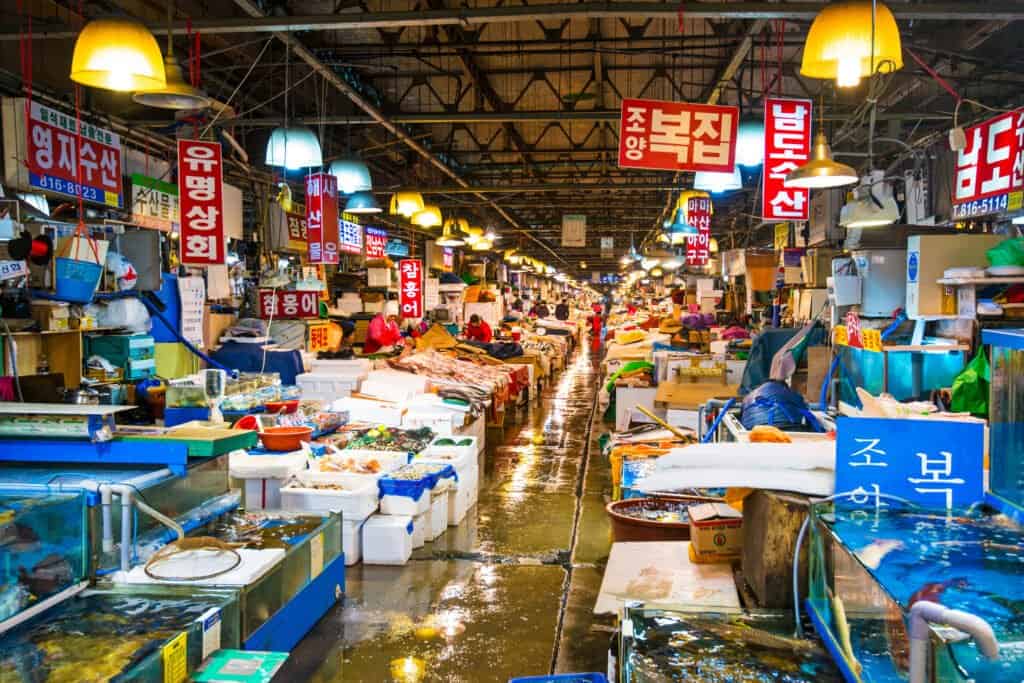
Noryangjin Fisheries Wholesale Market

Gebangsikdang
Gaon

Mingles
More places in Seoul

Samcheongdong Sujebi

Nodeul Island

War Memorial of Korea
