Jonker Street
Jalan Hang Jebat, Melaka Malaysia Posted by bazartravelsAdmin
Jonker Street Overview
Jonker Street, formally known as Jalan Hang Jebat, is the spine of Melaka's historic Chinatown. This narrow street stretches roughly 400 meters through the heart of the old city, lined with pre-war shop houses that date back over a century. Walk here and you move between eras: ground-floor businesses operating much as they did in the 1920s, while upper floors shelter families whose roots run deep into the neighborhood's past. The street pulses differently depending on the hour and day, transforming from a working commercial zone by morning into a night bazaar by evening on weekends.
Why This Place Matters
Jonker Street is where Melaka's multicultural identity becomes visible. Chinese merchants established themselves here during the colonial period, creating a distinct commercial and residential enclave. The architecture tells this story in wood, tile, and stone. The street also represents a living heritage site, not a frozen museum. Families still live above shops, craftspeople still work in their stalls, and the rhythms of daily life continue alongside tourism.
Quick Facts
- Location: Jalan Hang Jebat, in Melaka's historic Chinese district
- Approximate length: 400 meters of main street
- Primary era of construction: 1920s through 1940s for most visible structures
- Best visiting hours: Daytime for shop browsing; Friday to Sunday evenings for the night market
- Entry: Free to walk and explore the street
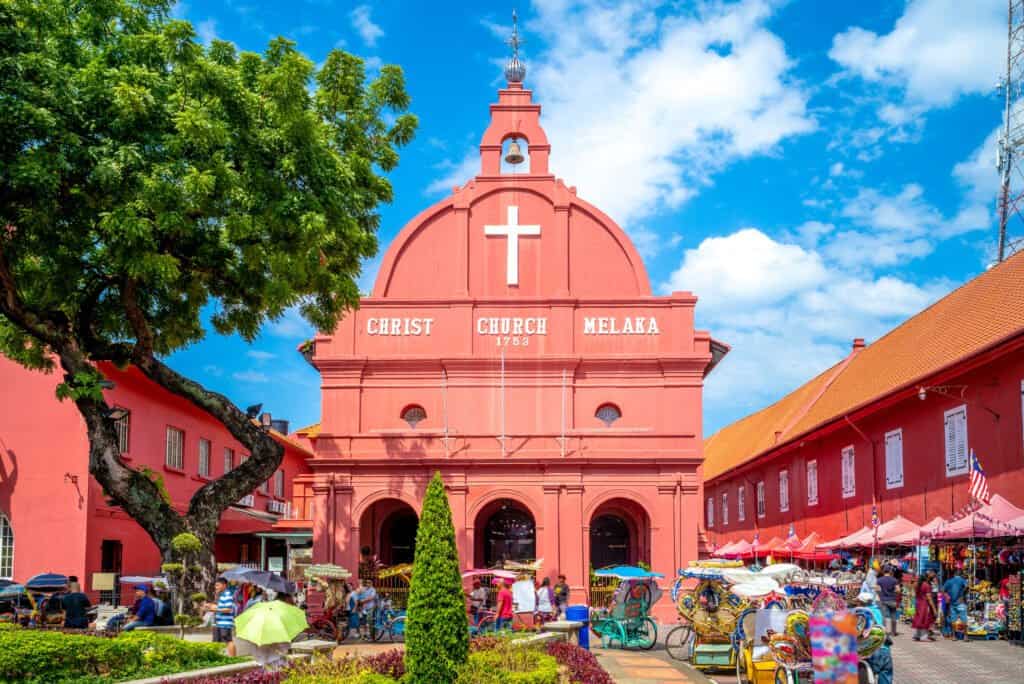
- Nearest landmark: Christ Church (Melaka) sits a five-minute walk away
Getting There
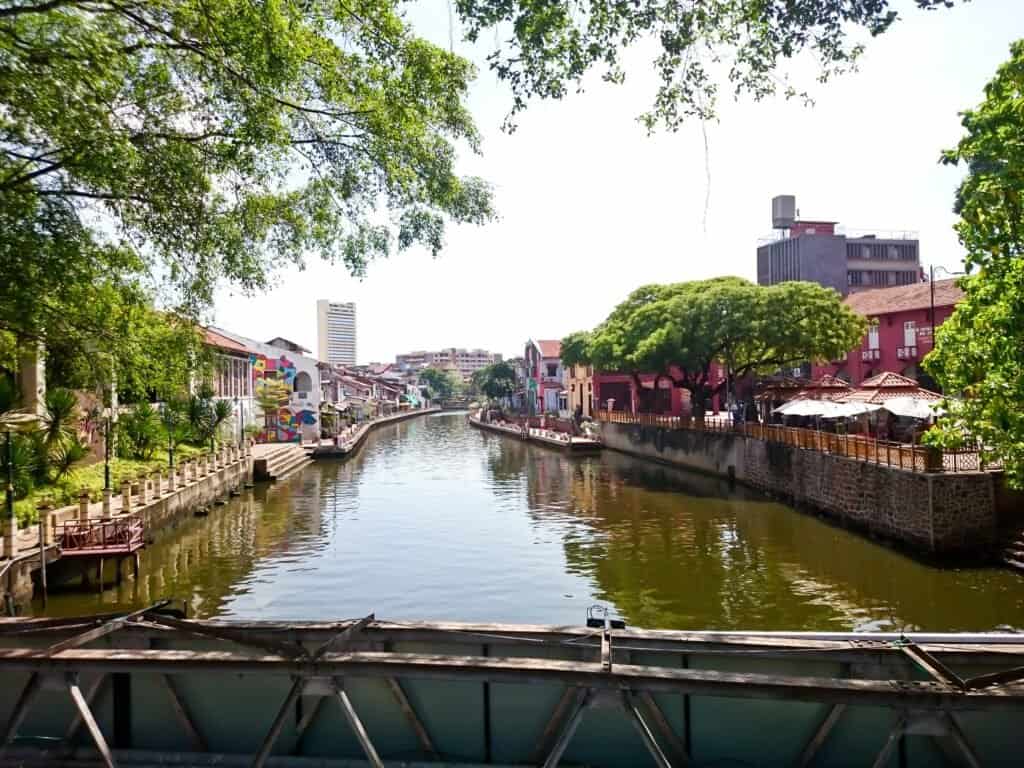
Jonker Street is accessible on foot from Melaka's town center. If you arrive by bus, the long-distance terminal is roughly 2 kilometers north. Local buses or a short taxi ride will bring you closer, though the final approach is best done on foot to absorb the neighborhood. The street runs parallel to the Melaka River, which is a useful mental landmark if you're navigating by phone.
Parking near Jonker Street can be tight during peak hours. A paid lot sits a short walk away on nearby streets. If you're staying in central Melaka, walking here takes 10 to 15 minutes depending on your starting point. The street itself has no vehicle restrictions during the day, though traffic moves slowly and pedestrians dominate.
The Layout and Experience
Jonker Street is not a wide avenue. Two people walking side by side sometimes need to step into doorways to let others pass. This compactness is part of its appeal. The street has a clear beginning and end, making it simple to explore systematically. Start from the northern end near the Chop Bee Seng area and work southward, or reverse the route depending on your energy and interests.
The ground floors house working businesses: antique dealers, textile shops, food stalls, souvenir vendors, and family-run cafes. Signage tends toward Chinese characters with English translations added later, giving the street an authentic rather than polished feel. Upper floors show ornate wooden shutters, decorative tiles, and the wear patterns of genuine age. Many shopkeepers have occupied the same space for decades. If you ask, some will share stories about the building's history or their family's time in the neighborhood.
The street experience changes dramatically depending on when you visit. Weekday mornings are quieter, with locals shopping for everyday goods and fewer tourists. Weekend evenings transform the street into a night bazaar, with temporary stalls appearing along the pavement, crowds thickening, and the air filling with cooking smells from food vendors.
Main Highlights
The Chop Bee Seng building, one of Jonker Street's most photographed structures, exemplifies the shophouse style with its narrow facade and ornamental details. Its ground floor operates as a traditional Chinese medicine shop, a business that has occupied the space for generations. The building itself, though restored, retains authentic character.
The Peranakan Museum sits just off Jonker Street and offers deeper context for the neighborhood's cultural heritage. The museum is housed in a restored mansion and explores the Peranakan community's history, art, and domestic life. Entry requires a separate ticket, but the museum provides useful background if you want to understand what you're seeing on the street itself.
Small temples tucked into the street's fabric serve the local Chinese community. These are not major tourist attractions, but they're often open to respectful visitors during the day. The smell of incense and the sound of prayer create an immersive sensory experience that captures something real about the neighborhood.
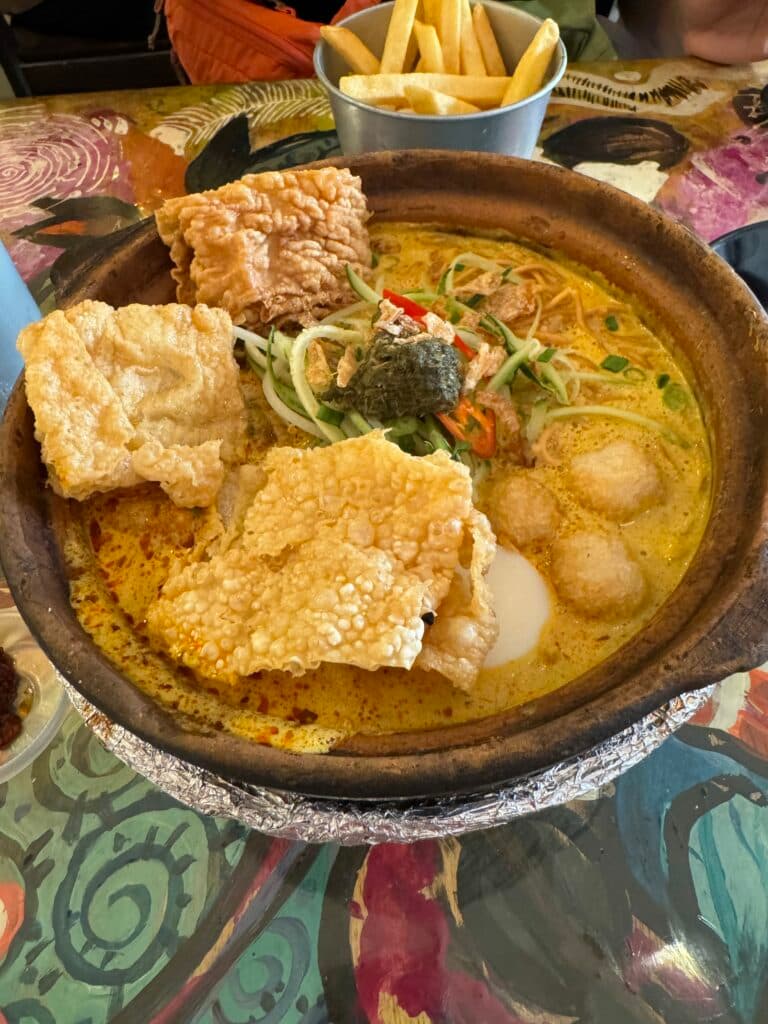
Food vendors cluster in certain sections, particularly near the street's southern end. These are not tourist-oriented restaurants but working food stalls and small cafes where locals eat. The offerings change seasonally and by time of day, so there's no fixed menu to reference.
History and Background
Jonker Street emerged as a Chinese commercial hub during the late 19th and early 20th centuries. Melaka had been an important trading port for centuries, and the Chinese merchant class established themselves in this quarter, creating a self-contained community with its own shops, temples, and social structures. The shophouse design reflects both Chinese building traditions and adaptation to local climate and materials.
The street's name comes from Hang Jebat, a legendary Melaka warrior from the 15th century. The formal name Jalan Hang Jebat honors this historical figure, though locals and most signage refer to it as Jonker Street, a corruption of the Dutch word "jonker," meaning merchant or trader.
The architecture visible today dates primarily to the interwar period. These buildings survived Japanese occupation during World War II and the post-independence modernization that demolished many older structures in Malaysian cities. Their survival was partly due to their solid construction and partly to luck. Today they're recognized as important cultural heritage, though preservation efforts are ongoing and uneven.
Tickets and Entry
Walking Jonker Street itself is entirely free. The street is public space and open to everyone at all hours, though it's most active and safest during daylight and early evening. If you choose to enter the Peranakan Museum or other paid attractions near the street, those have separate admission requirements. Most shops are free to enter and browse, though there's an implicit expectation that you'll make a purchase if you linger or ask questions.
Best Time to Visit
Jonker Street offers different experiences depending on when you go. Weekday mornings are quieter and let you observe the neighborhood functioning as it normally does, without the weekend crowds. Weekday afternoons see moderate foot traffic from both locals and tourists. Friday to Sunday evenings transform the street into a night bazaar with extended hours, temporary food stalls, and crowded conditions that some visitors love and others find overwhelming.
The dry season from May through September generally offers the most comfortable walking conditions. The monsoon months from November through March bring rain, which can make the narrow street slippery and less pleasant to navigate. Public holidays and school breaks draw larger crowds, particularly to the weekend night market.
Photography Tips
The narrow width of Jonker Street makes wide-angle shots difficult. You'll get better results focusing on specific details: ornamental tiles on a shophouse facade, the pattern of wooden shutters, the layers of signage on a shop front. Early morning light coming from the east creates strong shadows that emphasize the street's three-dimensional character.
The night bazaar creates colorful scenes, but requires either a fast lens or willingness to push your camera's ISO. Avoid photographing people without permission. Many shopkeepers are used to tourists taking photos but appreciate being asked first, especially if you want to photograph their shop or them at work.
The street's compactness means you're always close to your subject. Step back into doorways or side alleys if you want wider perspectives. The intersections where Jonker Street meets perpendicular streets offer slightly more breathing room and different angles.
Facilities and Preparation
Jonker Street has no public restrooms, though restaurants and cafes along the route will typically allow customers to use their facilities. Several small convenience stores and cafes dot the street if you need to buy water or snacks. The street has no dedicated sidewalks in many sections, so you're sharing space with light vehicle traffic, delivery motorcycles, and other pedestrians.
Comfortable walking shoes are essential. The pavement is uneven in places, and you'll be stopping frequently to peer into shops or navigate around vendors and other people. The street can be quite hot during midday, with limited shade except directly in front of buildings. Consider visiting in early morning or late afternoon if you're sensitive to heat.
A small bag or backpack is practical for carrying any purchases or a water bottle. Pickpocketing is not a major problem on Jonker Street compared to other major tourist zones, but crowding during the night bazaar makes it wise to keep valuables secure.
How It Compares to Similar Places
Jonker Street differs from Melaka's other major tourist zones in its authenticity and working character. The Portuguese Settlement, by contrast, is largely reconstructed and oriented toward tourism. Georgetown's Penang Street in Penang is similar in scale and era but has undergone more extensive restoration and commercialization. Jonker Street retains more of a lived-in, organic quality, though this is gradually changing as property values rise and tourism increases.
Compared to Southeast Asian night markets in Bangkok or Chiang Mai, Jonker's weekend bazaar is smaller and more localized. It caters more to Melaka residents than international tourists, which affects the product mix and atmosphere.
Combining with Nearby Attractions
Jonker Street is part of Melaka's larger historic district. Christ Church, built in 1753, sits a five-minute walk away and is one of Southeast Asia's oldest functioning churches. The Stadthuys, the Dutch colonial administrative building from 1650, is roughly ten minutes south on foot. The Peranakan Museum is adjacent to Jonker Street itself.
The Melaka River runs parallel to Jonker Street, and a riverside walk or boat tour offers a different perspective on the neighborhood and the water trade that made the area prosperous. Several cafes and restaurants line the river, providing spots to rest between explorations.
The Baba Nyonya Heritage Museum is a restored mansion that explores Peranakan domestic life and design. It's about a ten-minute walk from Jonker Street and provides valuable context for understanding the culture and aesthetics that shaped the neighborhood.
Sample Visit Plan
A three-hour visit gives you time to walk the street without rushing, stop at a cafe or restaurant for lunch, and explore a few shops or the Peranakan Museum. Start at the northern end of Jonker Street around 10 a.m. Walk slowly southward, stopping at shops that interest you. Around midday, sit down for a meal at one of the small restaurants along the route. After eating, continue exploring or visit the Peranakan Museum. This pacing lets you absorb the neighborhood's character without feeling hurried.
If you want to experience the night bazaar, plan to arrive on a Friday, Saturday, or Sunday evening around 5 or 6 p.m. The crowd builds gradually, with peak activity between 7 and 9 p.m. Food vendors are in full operation by this time, and the temporary market stalls are fully set up. Expect to spend two to three hours browsing and eating.
Practical Tips
- Bring small bills and coins. Many vendors and small shops don't accept cards, and ATMs are scattered throughout the area.
- Visit early morning on a weekday if you prefer a quieter experience and want to talk with shopkeepers at leisure.
- The night bazaar operates most reliably on Friday through Sunday evenings. Weeknight markets are smaller or absent depending on the season.
- Respect "no photography" signs if posted in shops or temples, and ask before photographing people.
- Expect to move slowly. The street is crowded during peak hours, and stopping frequently is part of the experience.
- The shophouses have low ceilings in some sections. If you're very tall, watch your head when entering doorways.
FAQ
Is Jonker Street safe at night? The street is generally safe during the busy weekend night bazaar when crowds are large and street lighting is good. Avoid very late hours when crowds have dispersed. Petty theft is possible in crowded conditions, so keep valuables secure.
What's the best food to try on Jonker Street? Local specialties and vendor offerings vary seasonally. Ask locals or shopkeepers what's fresh that day. The street food tends toward Chinese and Peranakan styles, though this changes by season and vendor availability.
Can I visit the shophouses, or are they only for shopping? Most are operating businesses or private residences. You can enter shops and browse, but private homes are not open to the public. Some restored buildings occasionally host exhibitions or cultural events.
How long does it take to walk the full length of Jonker Street? The street itself can be walked end to end in 15 to 20 minutes at a casual pace. Most visitors spend one to three hours exploring, depending on how many shops they visit and whether they stop to eat.
Is there parking near Jonker Street? Yes, but it can be difficult during peak hours. Look for paid parking lots on adjacent streets or arrive early in the day.
Reviews
Sign in and mark this place visited to leave a review.
No reviews yet.
Free Trip Planner
Plan your Malacca trip with our free planner
Build a day-by-day itinerary with AI suggestions, hand-picked places, and friends. Free forever — no credit card.